wonderful story by ana naomi de sousa about portugal’s ‘the house of students of the empire’ which she describes as her favorite ‘fuck u to imperialism’. what i love about it is our power to subvert the most horrific and oppressive of systems, how writing (and poetry in particular) can inspire and sustain revolutions, and how solidarity across the globe is something historical and real. thank u léopold.
you can listen here.
Month: March 2020
my sister gul
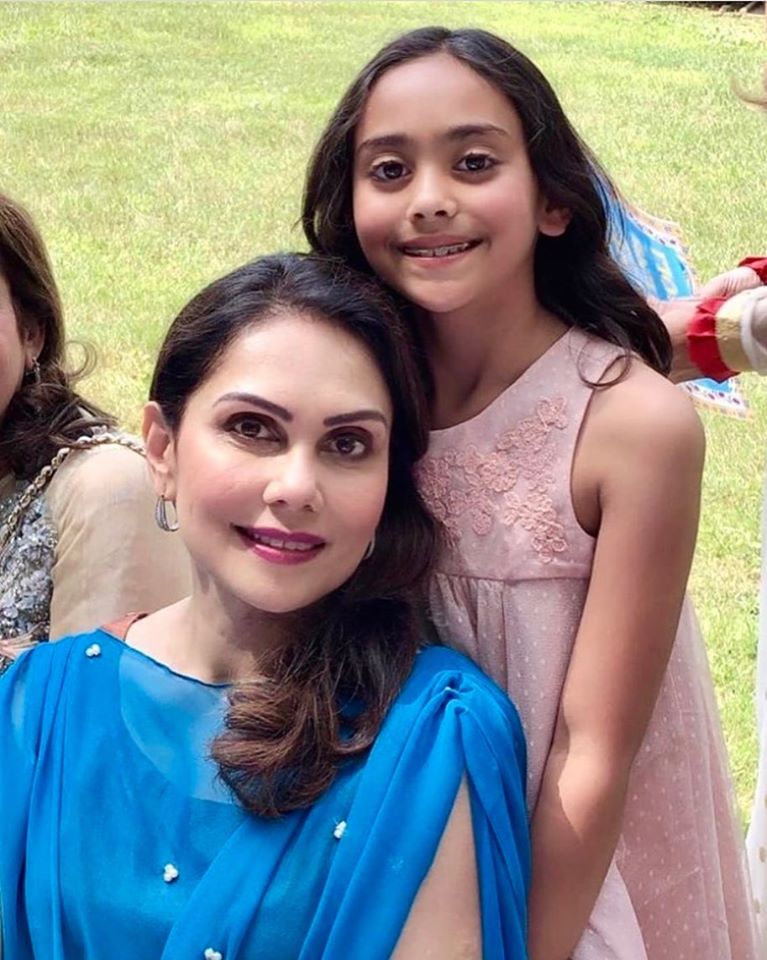
and then there’s my most glamorous sib. gul or dr syed. two years my junior. accomplished rheumatologist and mother of two. always up for some fun and adventure, gym-fit, natural fashionista. strong, strong, strong. focused and unsparingly direct. she was the kind of kid in school who could schedule study time for exams, with 100% accuracy, execute that plan with ease, and set aside a decent bunch of hours for R and R. always said she’d fail, inevitably aced her exams – all the way to med school. gul is mindful of the importance of family. makes great chai. has a quirky sense of humor. my favorite thing? when she and my brother riff off of each other and have us crying with laughter. she adds color, drama and style to our family. love u gul. [my sister gul with her daughter]
Center the leadership of the most marginalized
culturestrike: Now is a time of reflection and empathy. For many of us, the #Coronavirus pandemic has flipped our lives in ways our society’s marginalized communities are familiar with. This is why we must always lean on and center the leadership and experience of undocumented folks, disabled folks, low-income and houseless folks, etc. Our gratitude to artists who are sharing their brilliance, talent, and personal narratives to help us process and overcome this pandemic.
#Repost @juliosalgado83
And after this is over, I hope conversations about family separations continue worldwide
Illustration inspired after a video conversation with @iirerii and @josue_sin_barreras the other night.
Stairs and rails
An alternative analysis of ‘social distancing’ by Anu Ramdas:
The Brahmin belief system in India gave the world the anti-social, anti-human, birth-based, occupation-fixed, religiously sanctioned social and economic structure that codifies social distance and excludes the majority. It has materialized into the robust supremacist social order called caste. It is a two or 3 thousand year all pervasive religio-legal power system that is built explicitly to enforce caste distance, carrying a complex system of penalization for violation of the prescribed social distance between members of brahmin-savarna castes and the bahujan castes. This new virus-induced and suddenly global concept of ‘social distance’ like so many other isms will be shored up as new justifications for caste, untouchability, and supremacism.
Across the globe, the rich nations with far superior health care systems are shutting their borders, resources, and responsibilities. In one swift act they get to wash their hands off of the ravages they wrought on peoples and societies. More here.
A time to reflect and imagine
A few days ago, my friend Miles Krassen posted a piece about our current crisis. It is written by William Davies who says: ‘Rather than view this as a crisis of capitalism, it might better be understood as the sort of world-making event that allows for new economic and intellectual beginnings.’
I’ve been thinking for a while about the importance of having a vision for the future. In fact, I asked the brilliant women I interviewed for ‘The Injured Body’ to articulate such a future.
Over the next few weeks/months, I will try to post ideas that might point us in the right direction. I’ve already posted an interview with Nasrin Himada in which she talks about prison abolition and its entanglements with colonialism, race and class, and about how to think of lived politics within which we ourselves can constantly evolve.
There is much more. We can use this time to reflect and imagine.
solidarity with the sikh community
yesterday’s attack on a gurdwara in kabul is heartbreaking. i have always felt a deep connection to the sikh community. my father is punjabi and i cherish the warmth, humor, easeful informality and festive joy that we share with our sikh sisters and brothers. it’s almost like the laid-back accents of the punjabi language embody such bonhomie.
sadly, i also remember the anti-sikh riots in india, in 1984. they align closely with the anti-muslim violence in gujarat, in 2002, and the recent pogrom in delhi, which saw sikhs mobilizing to help their muslim neighbors. this kind of solidarity is natural – sikhs too are a vulnerable minority in india.
the massacre in kabul is unconscionable, incomprehensible. there are too many historical, cultural and religious overlaps between us, south asians. if only we’d remember that. my deepest condolences and love to the sikh community everywhere.
my bother shamoun
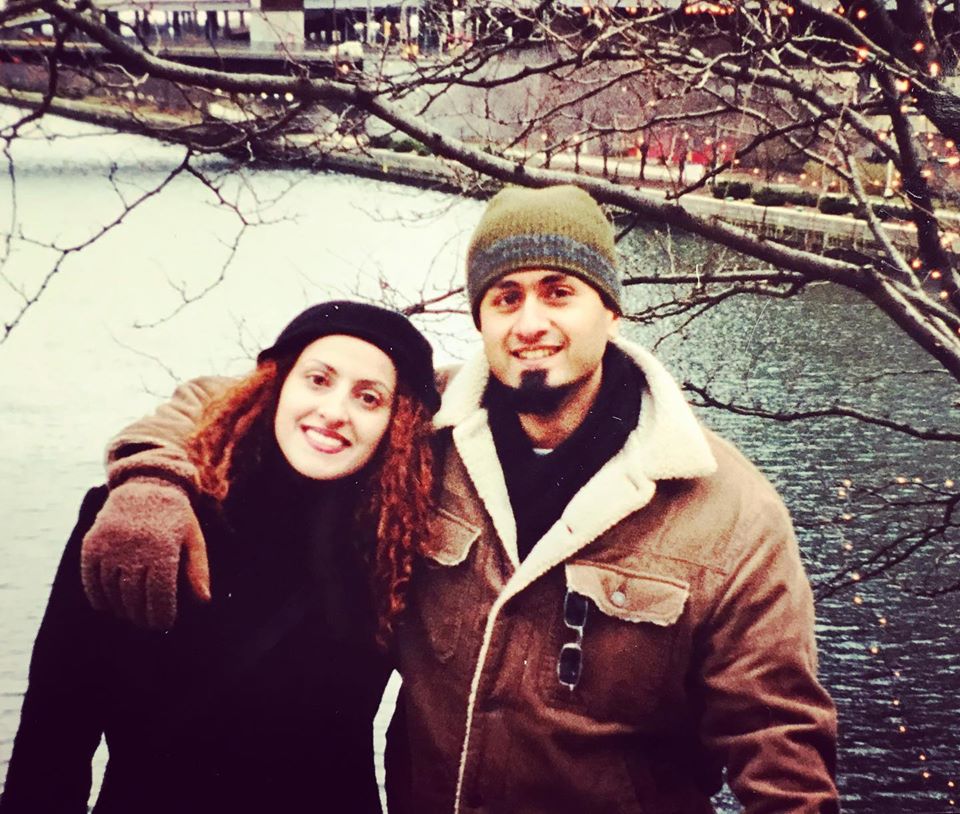
my brother shamoun has always been my rock. even though i’m the eldest and he’s the youngest, he has a calming effect on me. whatever my worries or struggles, whether i made a terrible mistake or someone else hurt me, a quick call to my brother and my mind is at peace. he never judges. nothing fazes him. he has a spectacular sense of humor (ROFL is very real in his presence). so making him laugh gives me a major kick. he’s a cool AND brilliant dad. my parents dote on him. so do my kids. my husband loves him as much as his own brothers. it’s no surprise. i often tell my brother, i believe in him more than i believe in myself. i believe in his profound goodness. he’s my rock. [shamoun with his wife saira, not long after they got married]
my sister kalsoom
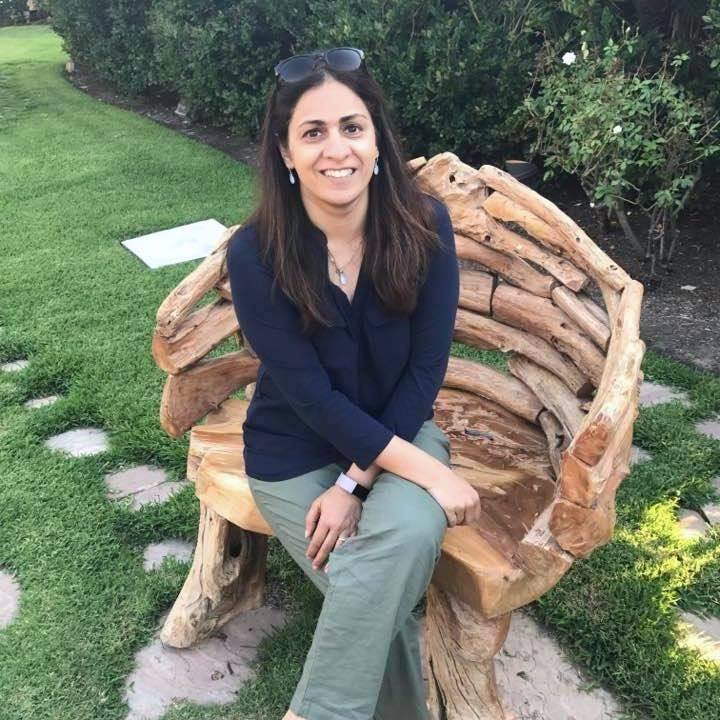
in these distressing, surreal times, i realize how much i’ve always taken my siblings (my two sisters and my brother) to be a constant in my life. as something given. solid and reliable. that will be there for me, no matter what. i want to tell them how much i love them and how much they mean to me. i’m starting with my youngest sister, kalsoom. beautiful, kind-hearted, dependable. she’s the kind of person u want most when u are down or vulnerable. she has that light touch and generosity. no wonder she became a doctor. she’s not just sweet, she’s incredibly strong. she can control her temper and stay even-keeled. she has patience. she’s magnificently resilient. but she’s also a lover of books and riddles and games. an impressive mom. an artist. a devoted daughter. my dearest sister.
ON PRISON ABOLITIONISM with Nasrin Himada
Nasrin Himada: When I think about incarceration, I really think it’s connected to the root issues we are already fighting against. I already mentioned colonization, but also white supremacy, and class war. I feel the prison system is not separate from these bigger issues already creating power relations on the ground that further cause violence to communities of colour. In the U.S. Black Americans and Hispanics represent the highest populations in prisons. Here, in Canada, it’s Indigenous people and Black Canadians. This is connected to how racial capitalism is structured, organized, and managed. The prison system mirrors the violence of inequality in the spaces outside it that we’re struggling against. For me, abolition felt like an obvious turn because of my concerns and urgencies already rooted in social justice via Palestine.
[…] I’m not already thinking that there’s something to replace the prison. When I think of prison abolition or transformative justice, I’m not thinking that we need to come up with infrastructures or buildings to replace the prison institution. I’m thinking, first of all, with non-state imaginings, though not necessarily connected to anarchist traditions. I want to make that clear. I don’t know much about anarchism. I am really just thinking about the societies, structures, and ways of organizing in communities that existed, already existed, before this land was colonized. Second, I think a lot about time. As a prison abolitionist and a transformative justice advocate, I know that I am already working within a different timeframe. This work, just plainly speaking, takes time. Because it’s about consistently changing — being-in-transformation — how I live, and how I want to be in the world. These politics are lived politics, and are fundamental to how I desire to live with others. They’re life-changing, not state-changing. Listen here.
hero-worship is not warranted here
cuomo’s recent ascension to american ‘hero’ reminds me of rudy giuliani’s media-savvy visibility (vs junior’s bumbling ineptitude) in the chaos that followed 9/11. sadly, that swashbuckling leadership/image didn’t go v far. at the end of the day, u can’t polish a you-know-what. with cuomo, i’d like to remind everyone of his anti-BDS executive order and blacklist. he’s the one who said: ‘If you boycott israel, new york will boycott you.’ palestine is a kind of litmus test that tells us exactly where people fall on the humanity spectrum. cuomo fails miserably. he also refused to attend the puerto rican parade because he couldn’t stand oscar lopez rivera being honored. there was a great article in mondoweiss about cuomo’s presidential ambitions and the promotion of his brand. pls see comments. all i’m saying is, listen to him if he makes sense but give it a few months and then reconsider. at the end of the day, u can’t polish a you-know-what.
Cuba ♥
Max Ajl: This is a good moment for us to be more fully aware, and to not be ashamed or shy or reluctant or worry that someone will look at us as starry-eyed romantics or whatever, that bar none Cuba has achieved the most advanced moral and revolutionary consciousness of any country on earth.
Art by Carlos Alonso
Back to share some art.
Carlos Alonso (born Argentina, 1929), is a contemporary Argentine painter, draftsman and printmaker. Though he was a Social realist in his early career, he is best known as a New realist. His work is characterized by expressive power and social commitment.
Following the coup of 1976, and the disappearance of his daughter Paloma the following year, Alonso went into exile in Italy, and in 1979, he moved to Madrid. He returned to Argentina two years later. The Bienal de Pintura Paloma Alonso. named in her honor, is a 1990 joint initiative of Alonso and Teresa Nachman.
Film Discussion to Explore Legacy of 1947 Partition, As Anti-Muslim Violence Surges In India
so a screening of ‘a thin wall’ followed by a community discussion at Douglass Auditorium at 36 King St. was cancelled on march 14th, in accordance with NYS coronavirus guidelines. we hope to reschedule some time in the future.
in the meantime, Darien Lamen spoke to Hibah Arshad, Thomas Gibson and i, and put together this excellent intro to the community conversation we hope to have. pls read/listen here.
working out with julie
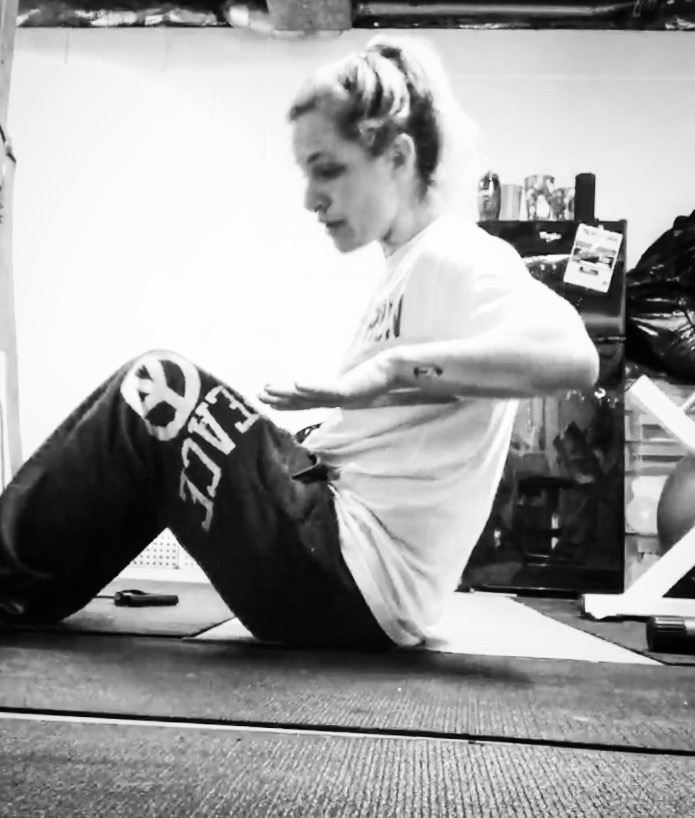
doing workouts at home with my brilliant trainer Julie Zobel, and staying sane. it’s just like going to the gym, except it’s better without the equipment. out of breath but happy. message her if u want to do the same.
walk with lynne and mike
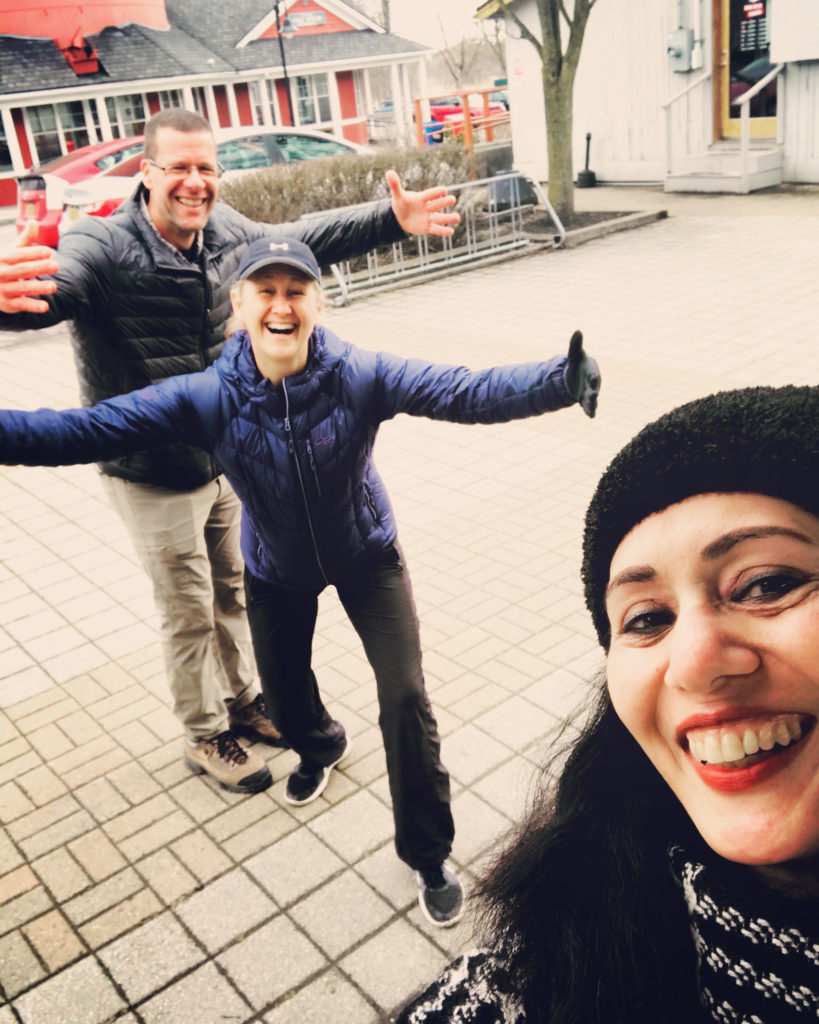
goodbyes in times of corona – with lynne and mike boucher, two of my favorite activists here in @rochesterny