
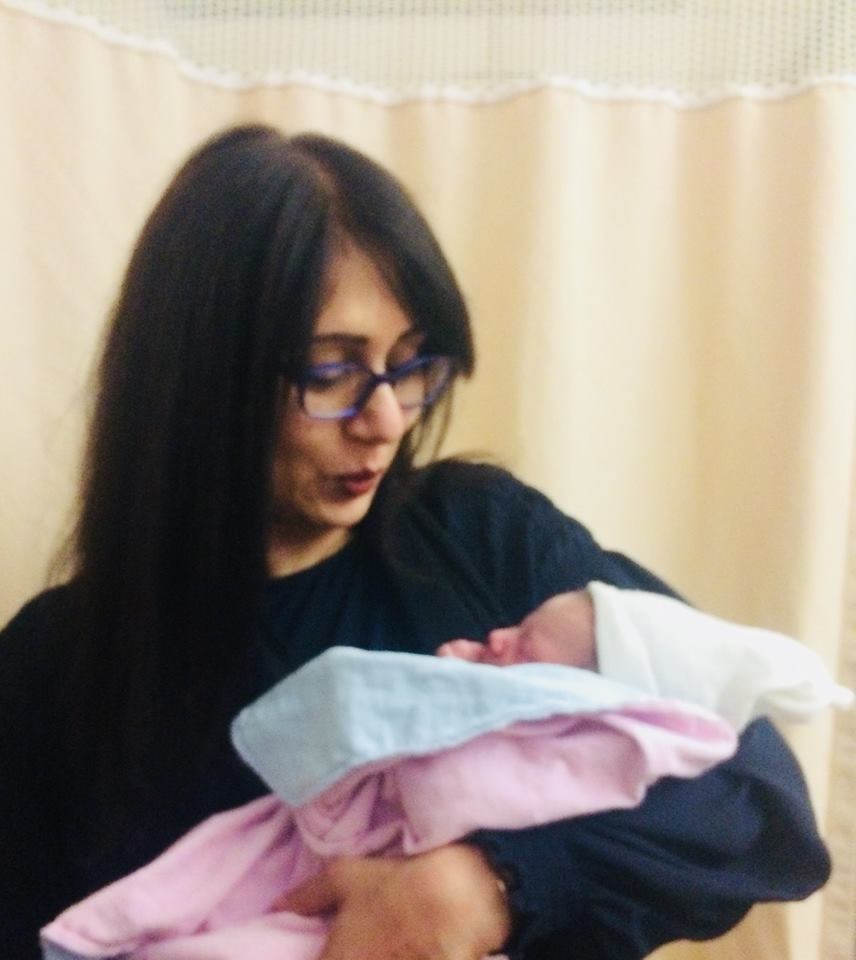
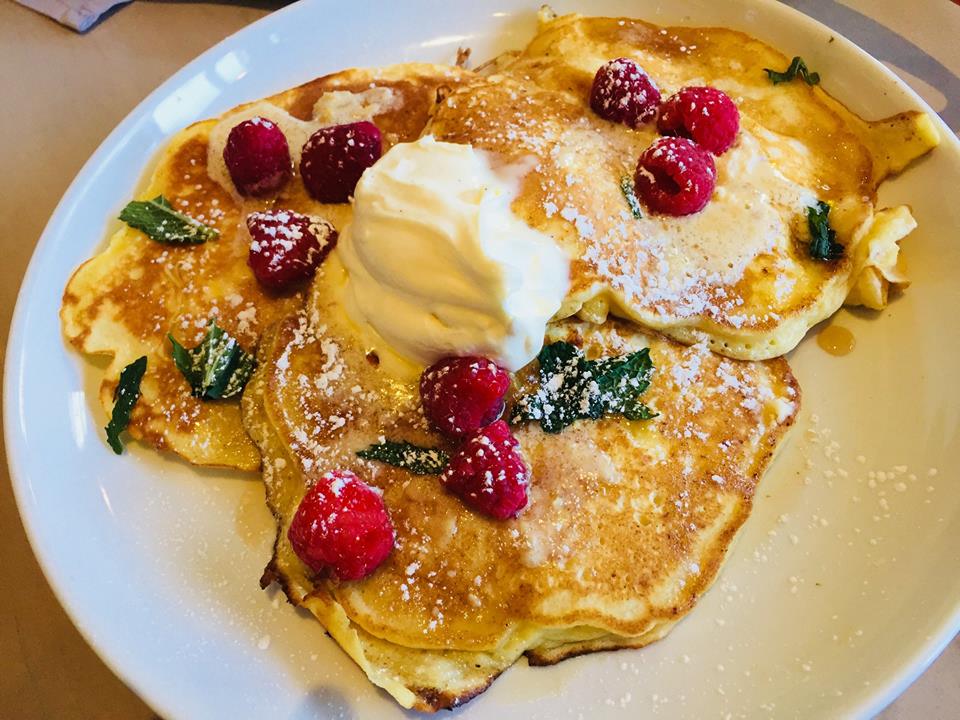
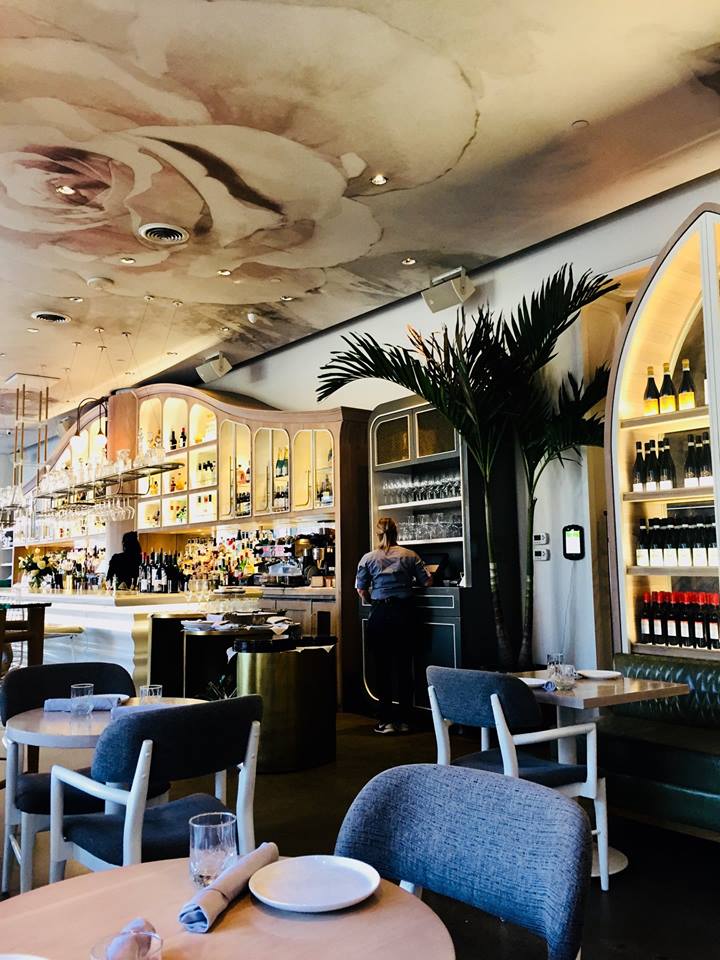
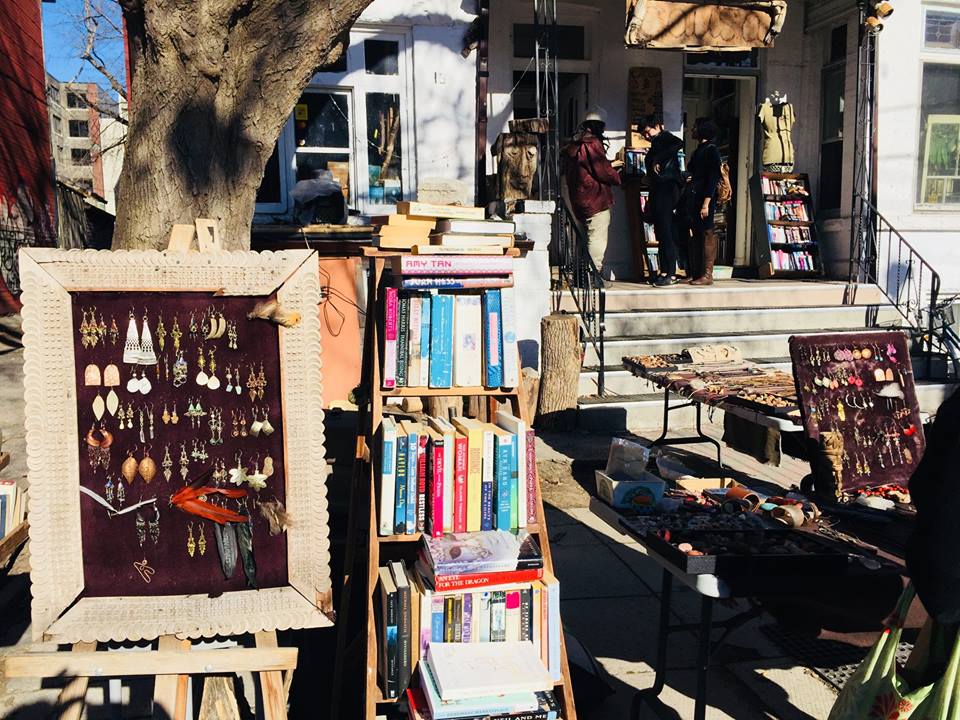
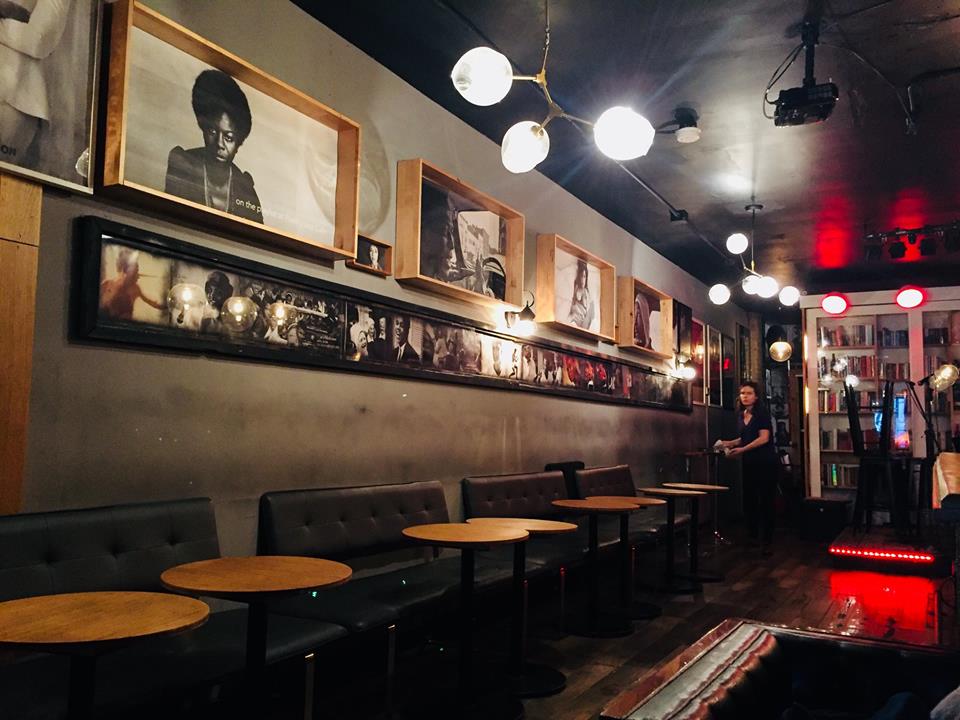
The day started with a visit to Amra’s niece and her brand new daughter, who is absolutely gorgeous mashallah. Had a lovely brunch at Figo Toronto (baked eggs and ricotta pancakes), then off to Kensington Market where we spent most of the day. Kensington is an amazing old Toronto neighborhood full of small Victorian houses built in the 1880s for Irish and Scottish laborers. Immigrants from all over the world have passed thru or continue to live here, from Eastern European Jews, to immigrants from the Caribbean, East Asia, Central America, Somalia, Ethiopia, Sudan, Iran, Vietnam, and Chile. Not only is Kensington Market famous for its vibrant diversity, mix of foods, and art scene but it’s also home to Trotskyites and radical politics. We walked around the neighborhood, visited old book stores and a silver jewelry shop, had some strawberry rhubarb pie at Wanda’s Pie in the Sky, and then sat around waiting for live music at Poetry Jazz Cafe. Although the decor is cool, their website was dramatically off (it said the cafe would open at 430pm when it actually opened at 7pm and the music started at 10). One would have thought that they’d be rather chill for being so badly organized, but we found the establishment to be aggressively money-grubbing. Music was ok, but at the end of the day, Miles Davis posters are not enough. Jazz comes with a certain history and culture. There’s nothing free-spirited or ground-breaking about shoving customers from place to place in order to squeeze in more people (a bouncer-type loud character from London was assigned that job), whilst collecting a cover charge and hard selling drinks. Oy vey. Had some vegetarian empanadas for dinner and then back to the hotel.


Category: travels
Screening at the University of Toronto
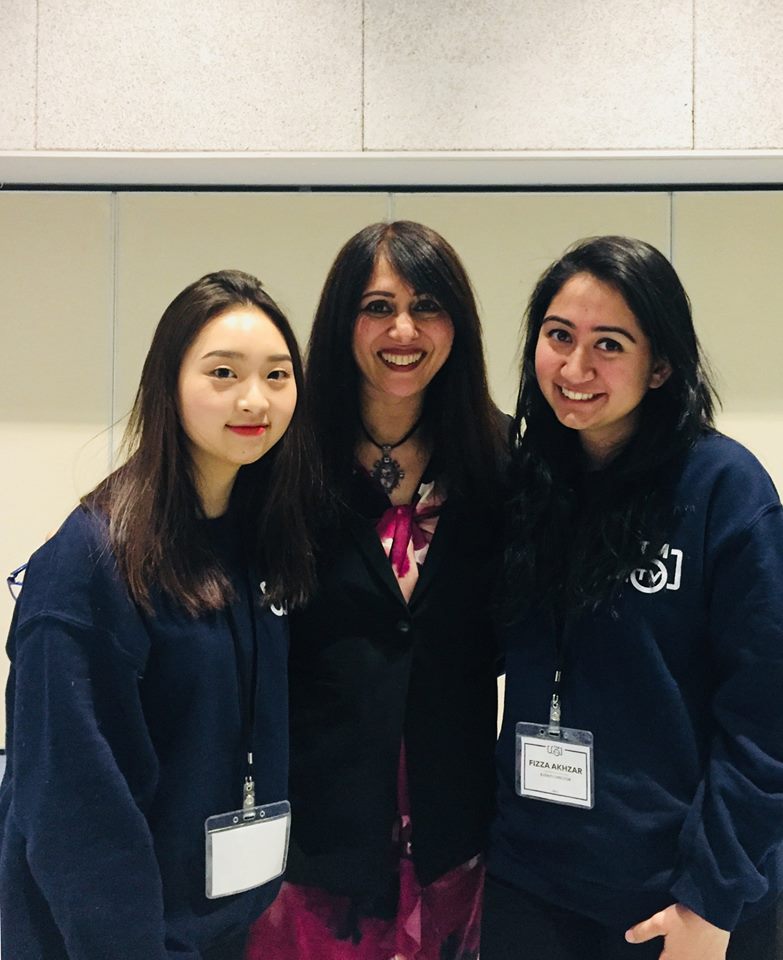
Wonderful screening at the University of Toronto Mississauga organized by UTM/TV, Pakistan Development Fund (PDF), Pakistani Students Association (PSA), and the ICCIT Council, with my brilliant niece Fizza Akhzar providing the impetus for the event. Great questions about filmmaking during the Q&A and a rich discussion about the partition and what it means for Indians and Pakistanis. I’m always moved by the generosity of students who find the time to experience something new and thought-provoking, in the midst of immensely busy schedules. Thank you to my cousin Akhzar Hassan and his beautiful family for getting me to the screening and attending it. So lucky to be surrounded by so much love ♥
Screening coming up in Toronto
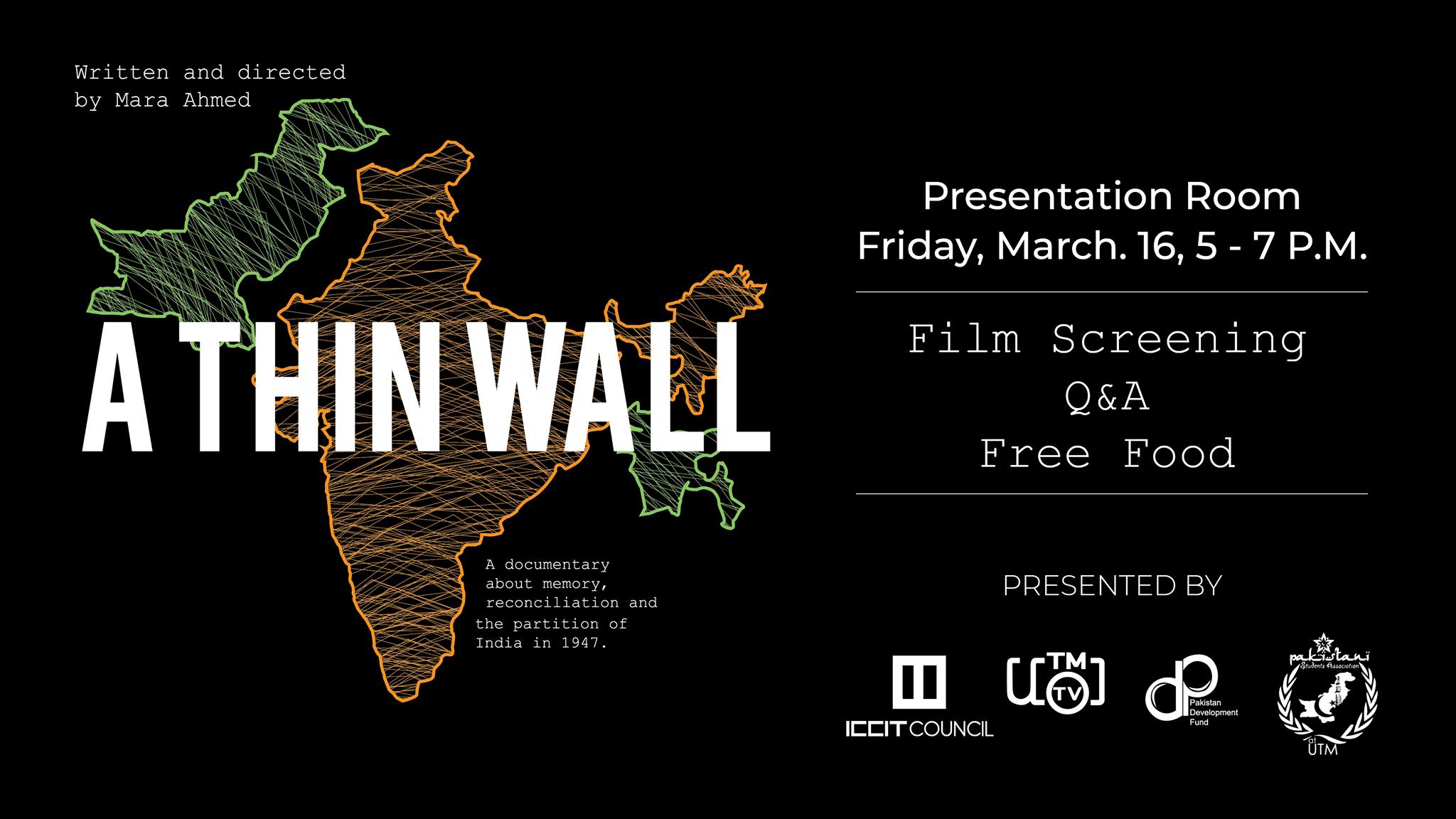
A Thin Wall will be screened at the University of Toronto Mississauga [3359 Mississauga Road] on March 16 at 5pm. I will be there for Q&A. And there will be food 🙂 Would love to see u if u are in the area. Hope u can make it and thx for orgaizing Fizza ♥
against the hillside, nyc and hard rock
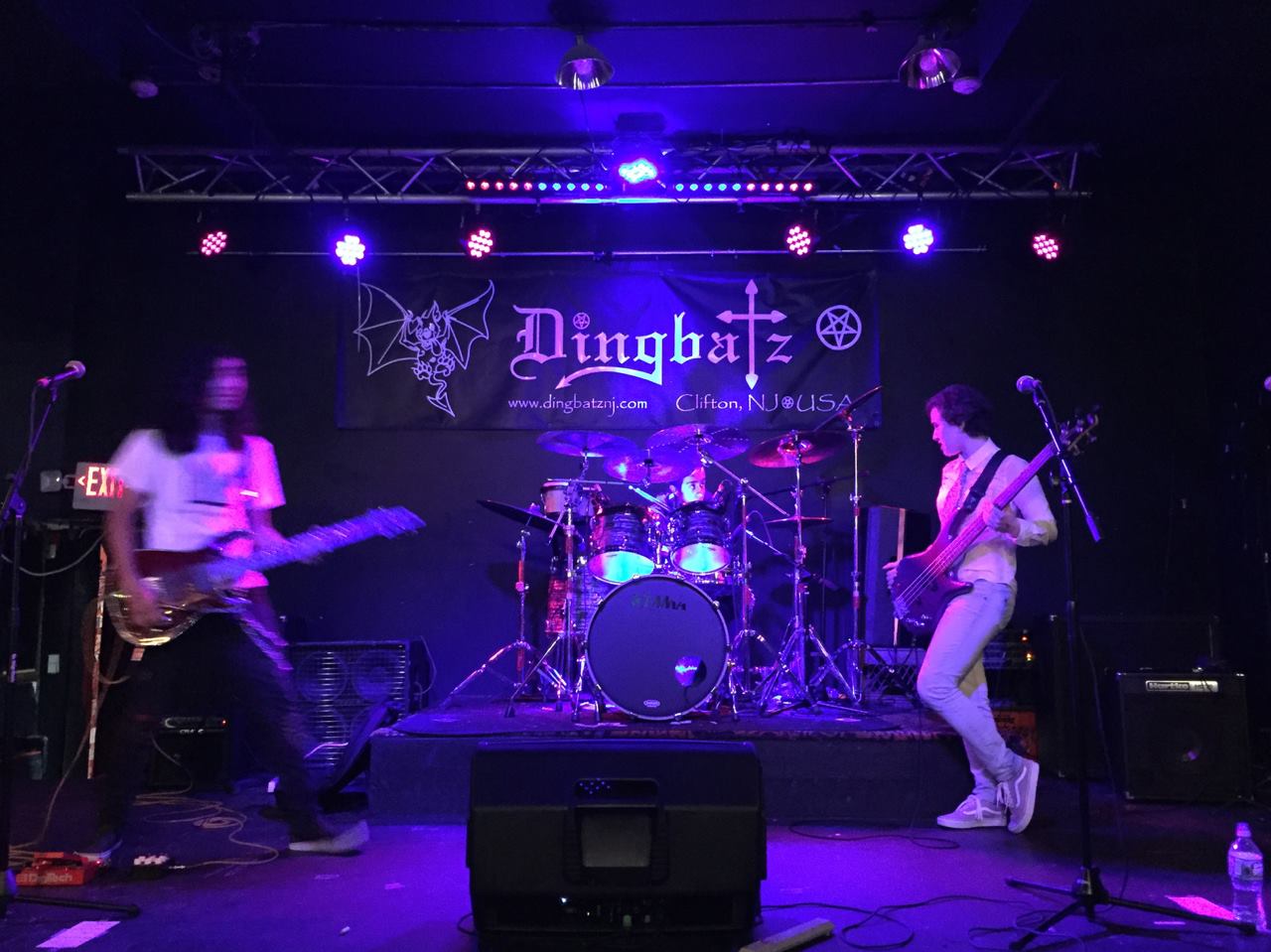
my eye is still healing but what a fun trip to nyc over the weekend. got to see my son and together, all 4 of us, saw sylvia khoury’s “against the hillside,” an excellent play partly based in waziristan, pakistan, which is the primary location for US drone strikes. the reason we went to see the play was simple: rajesh bose, whose performance in the last scene was unforgettable. will write more about the play which i’m still thinking about. ate great salmon at the smith midtown, where we returned the next day at midnight for some sticky toffee pudding. on sunday we had breakfast at john’s coffee shop and left for NJ to see my brother and his family. got to attend my nephews’ first gig with their brand new band at dingbatz. unbelievable energy. back home close to midnight but what a jam-packed weekend!
my nephews and their band
Berkeley
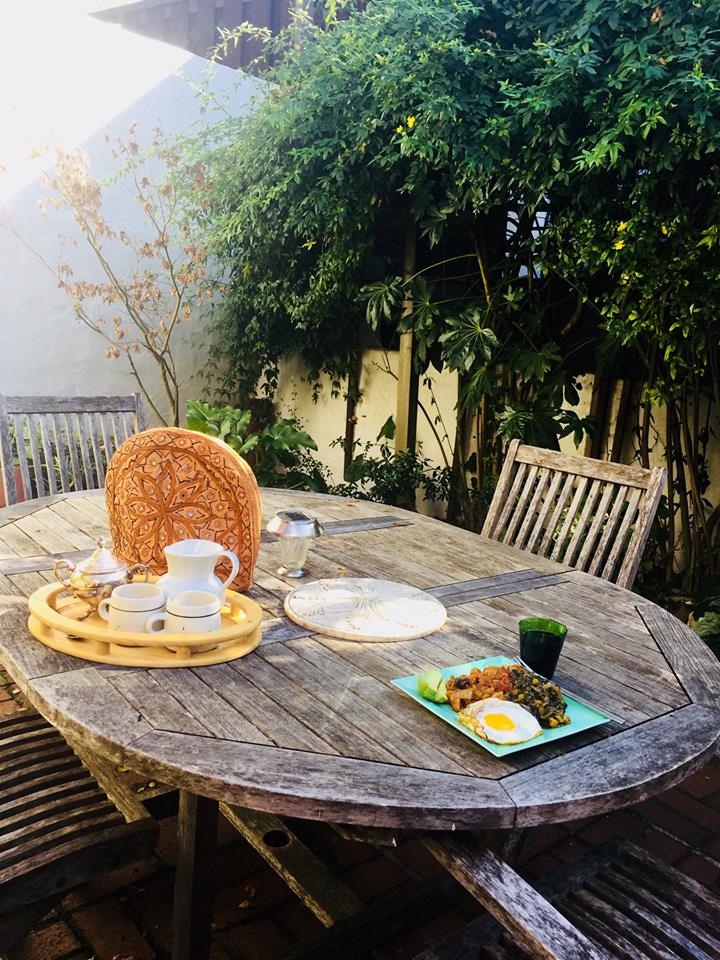
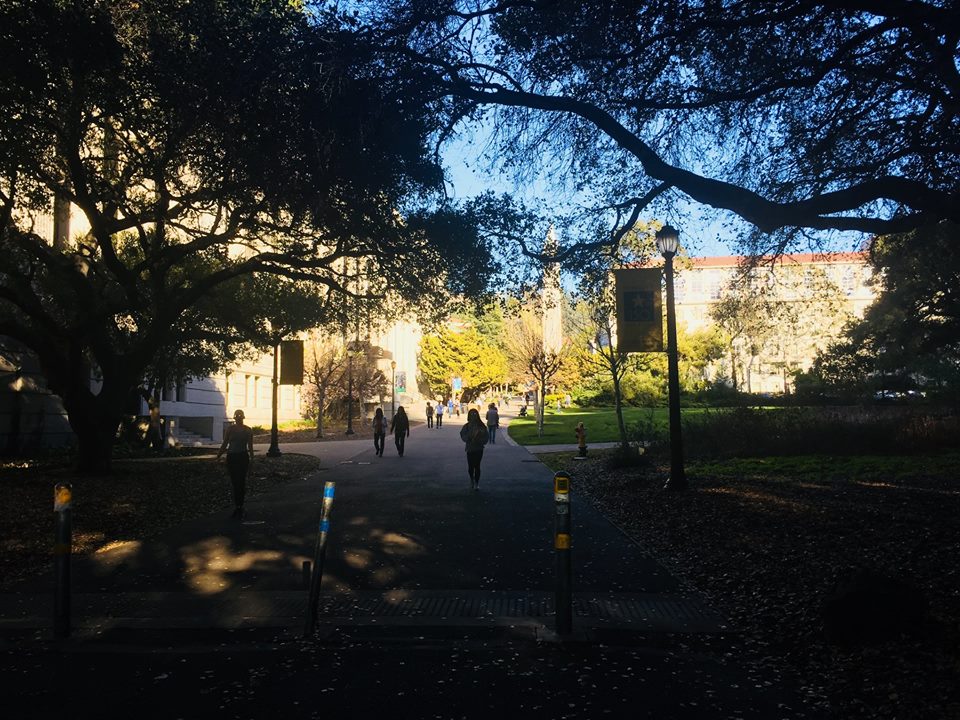
Busy day today. Started with hot chocolate from Modern Coffee, followed by a trip to Azadi Manzil in Berkeley Hills to meet my dearest friend Huma. A delicious home-cooked lunch followed by apple pie and chai, and then a visit to Huma’s class (on Gender, Sexuality & Race in Global Political Issues) with 150 students, at Berkeley, where I got to speak about my activism and film work. Drive back to Oakland with Huma – got to catch up and view my art exhibition together – and then the screening of The Muslims I Know. Smaller audience but excellent Q&A with a wonderfully engaged group. A young woman wearing the hijab confirmed my observation that although Islamophobia is on the rise, many young American Muslims are proudly reclaiming their religious identity. The day ended with dinner at Chop Bar with my habibti Donna, who pulled all of this together with such love and grace. Tomorrow back to Rochester, where I look forward to reading Deema’s poetry.
Opening of art show at OACC
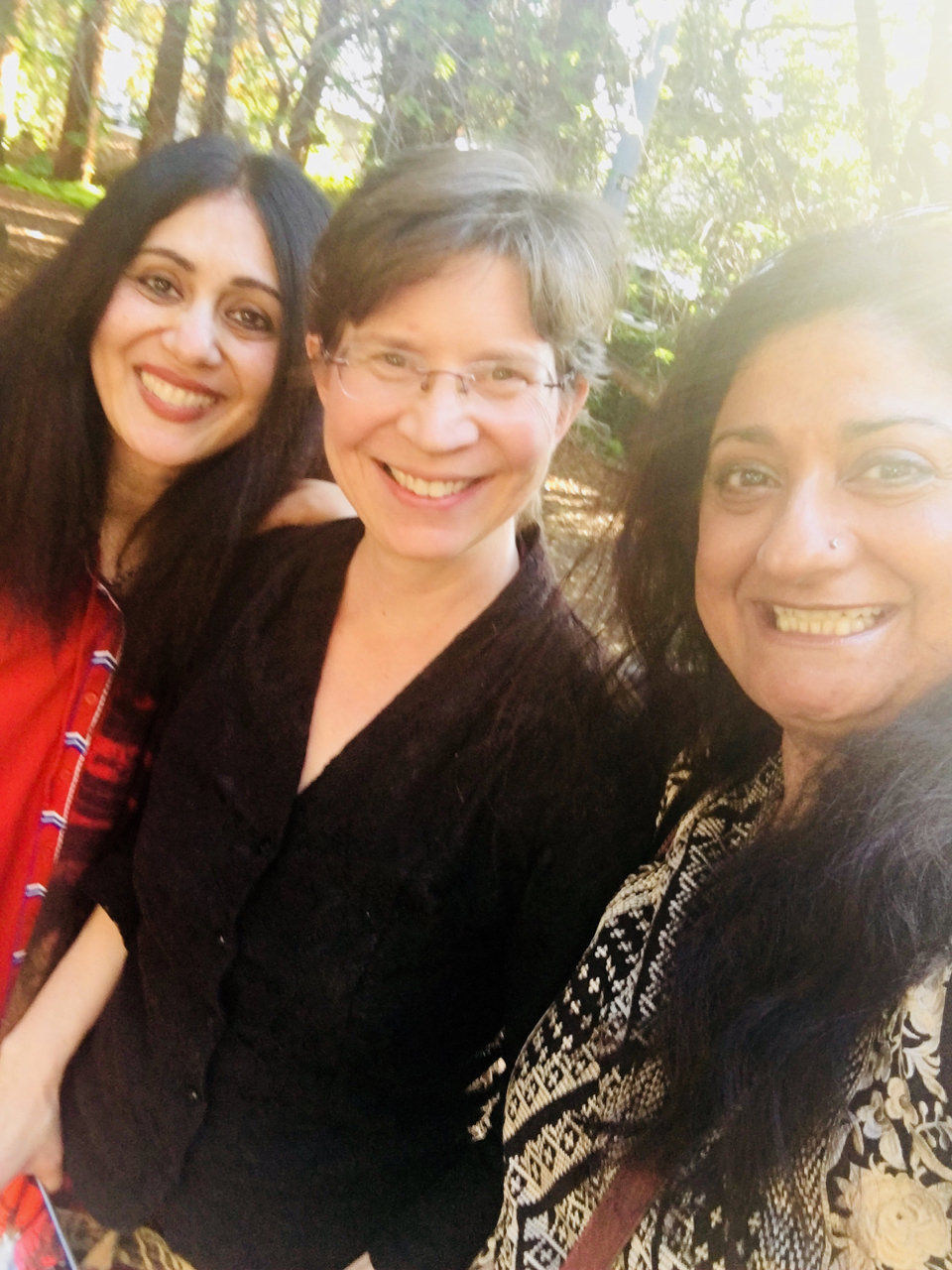
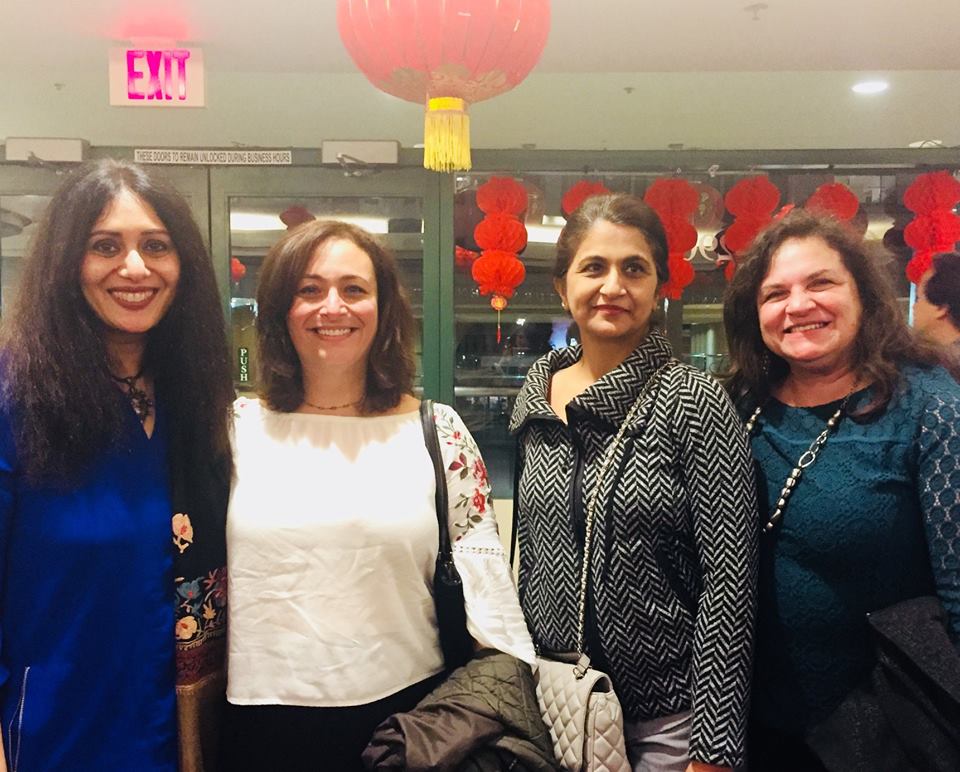
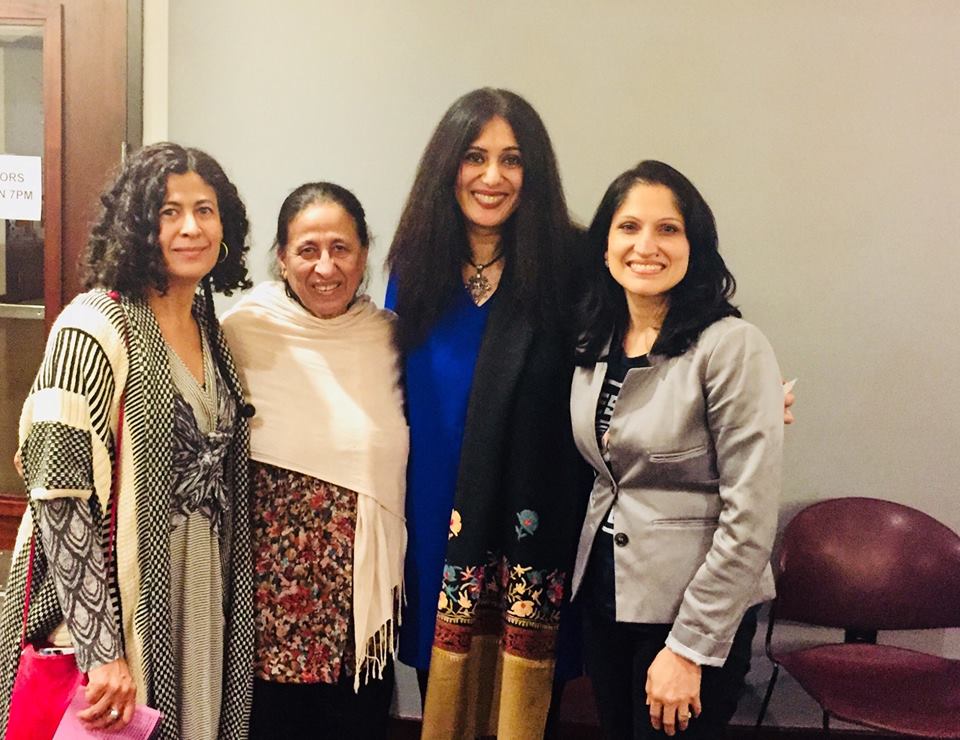
Beautiful opening and screening! Thank u Donna K. Khorsheed for ur genius in weaving multi-sensorial aspects of an art show into something so gorgeous and compelling. Thank u Sabah Munawar for bringing Rochester to Oakland! Thank u Aarti Kohli, executive director of Asian Americans Advancing Justice, for moderating the discussion. Thank u Deema Shehabi for bringing ur friends along and being such a lovely friend yourself. Thank u to everyone who attended the opening and screening, especially all the fabulous, creative young women I met today – may u tell ur stories in your own voices and on your own terms. And thank u Oakland Asian Cultural Center for making all of this possible ♥
Hanging the artwork
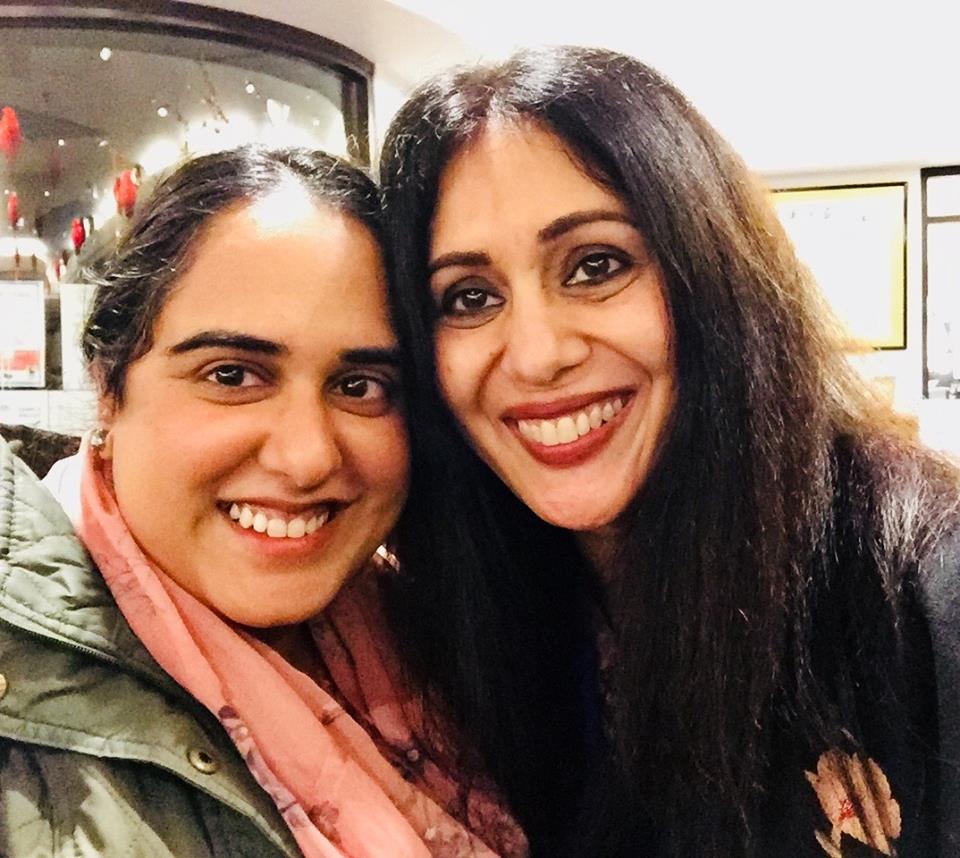
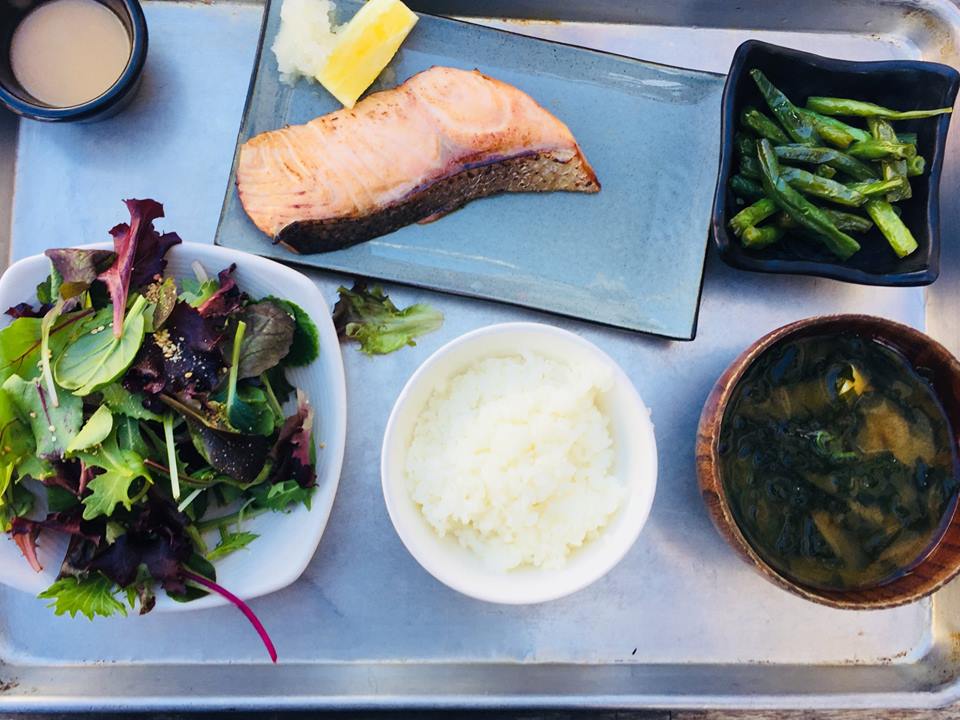
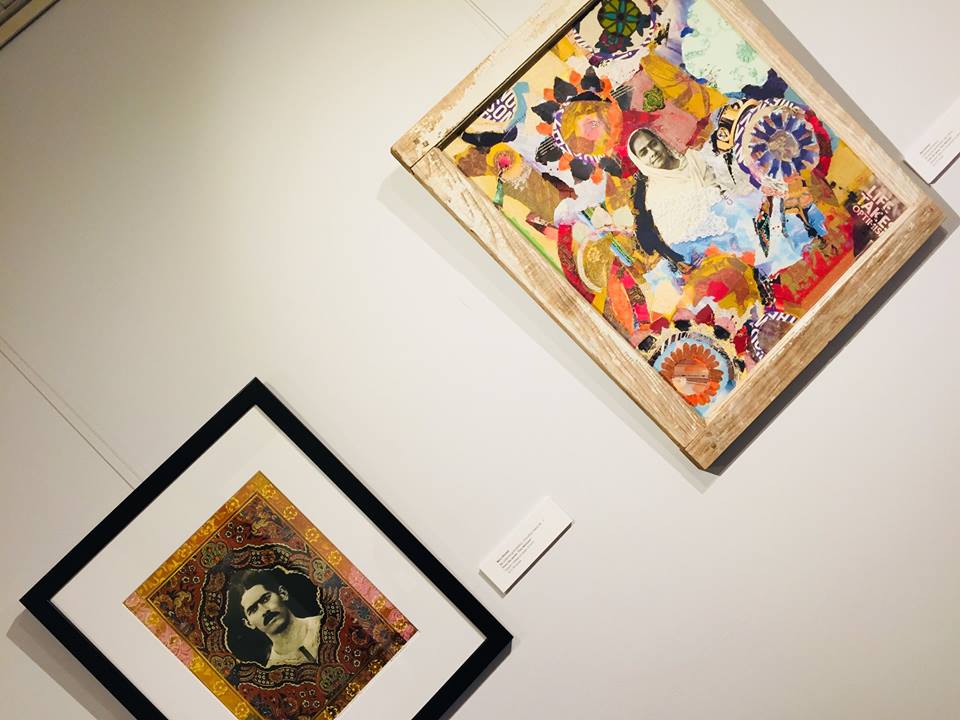
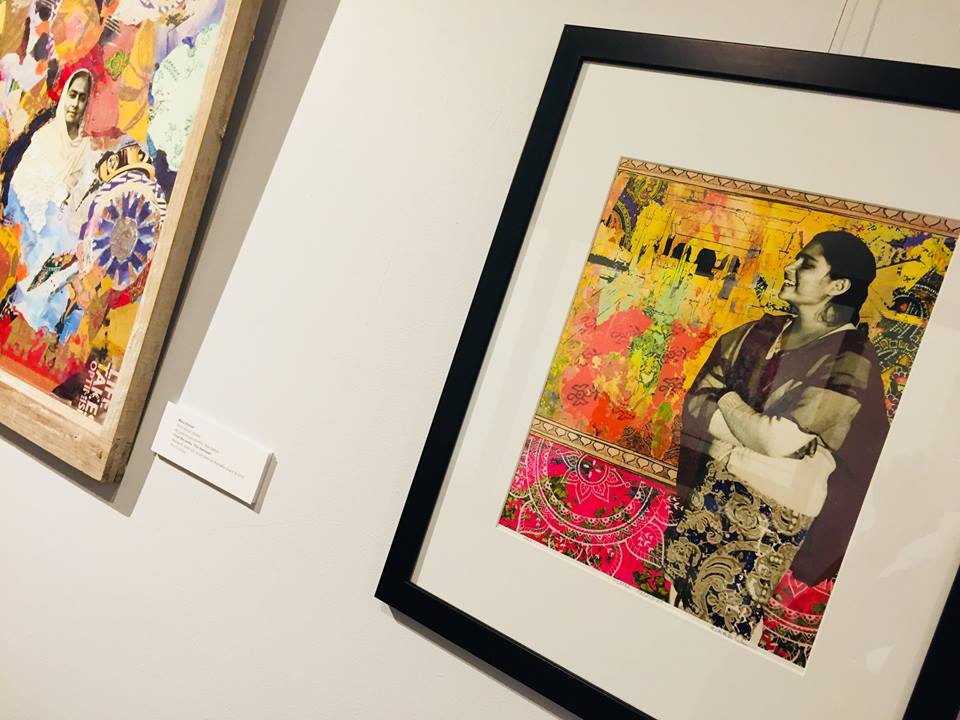
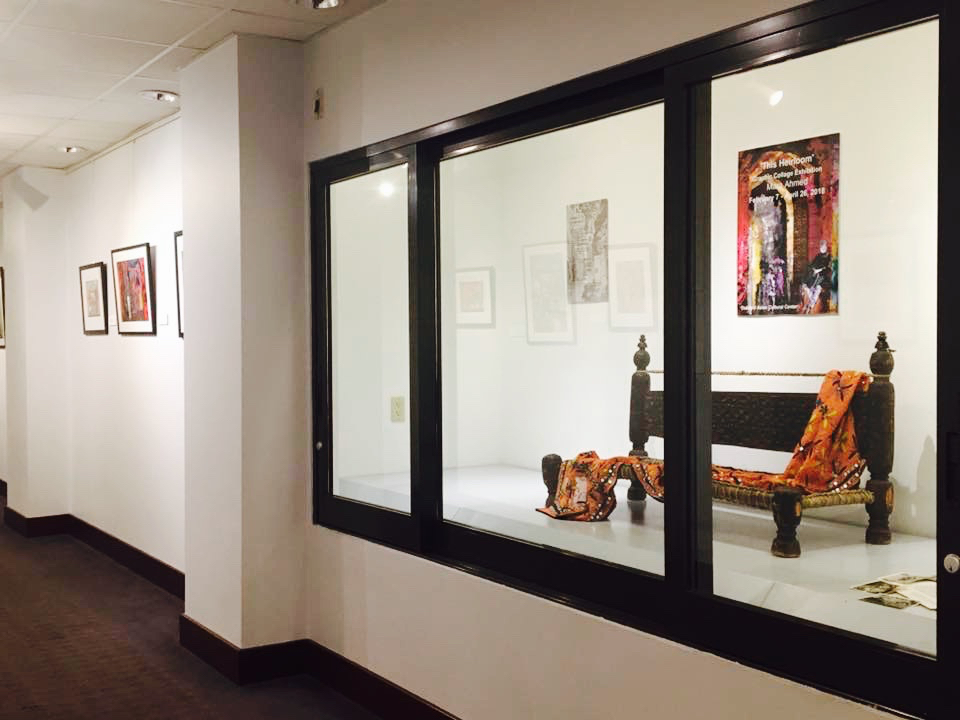
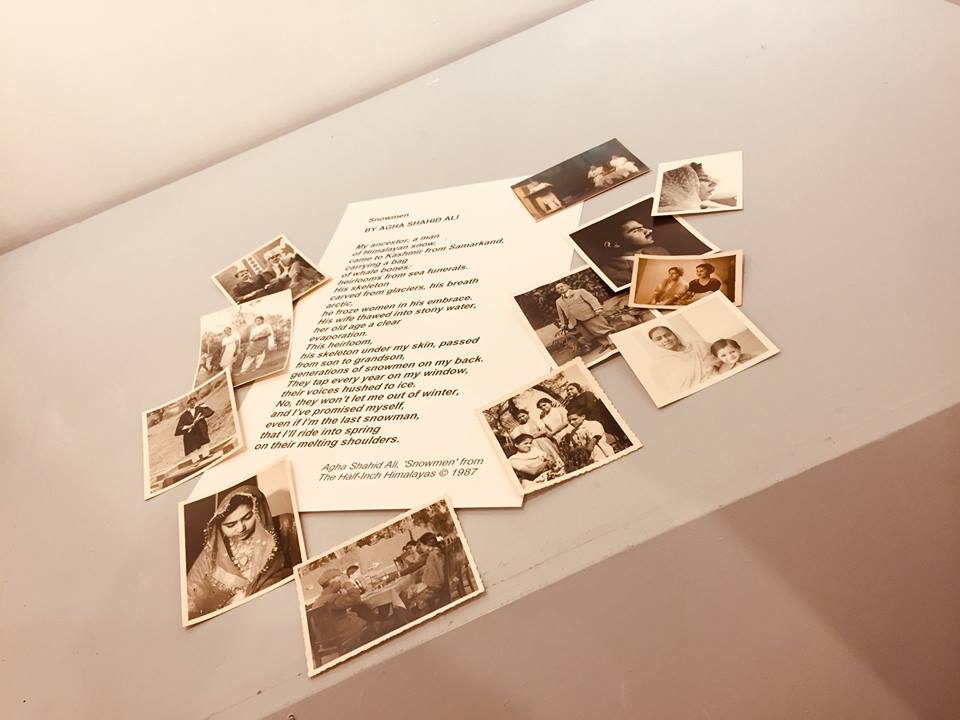
Such gorgeous weather here in Oakland! Spent the entire day hanging the art show with Donna but went out for lunch. Had salmon, green beans, tsukemono and miso soup at B-Dama. Was happy to see posters promoting my work at several stores. Worked non-stop until 7:30pm but then had a sumptuous dinner at Mockingbird. I had trout and Donna had some Moroccan chicken. So good! For dessert we had citrus almond cake, topped with chocolate ganache and candied almonds. A well-deserved treat after a long day of work. The show looks beautiful! It opens tomorrow at 6:30pm and will be followed by a screening of A Thin Wall. There will be Afghan food, ghoraybe cookies made by Reem’s Bakery, Ghalib’s poetry sung by Jagjit Singh, art, photography, film and so much more. Can’t wait.
In Oakland
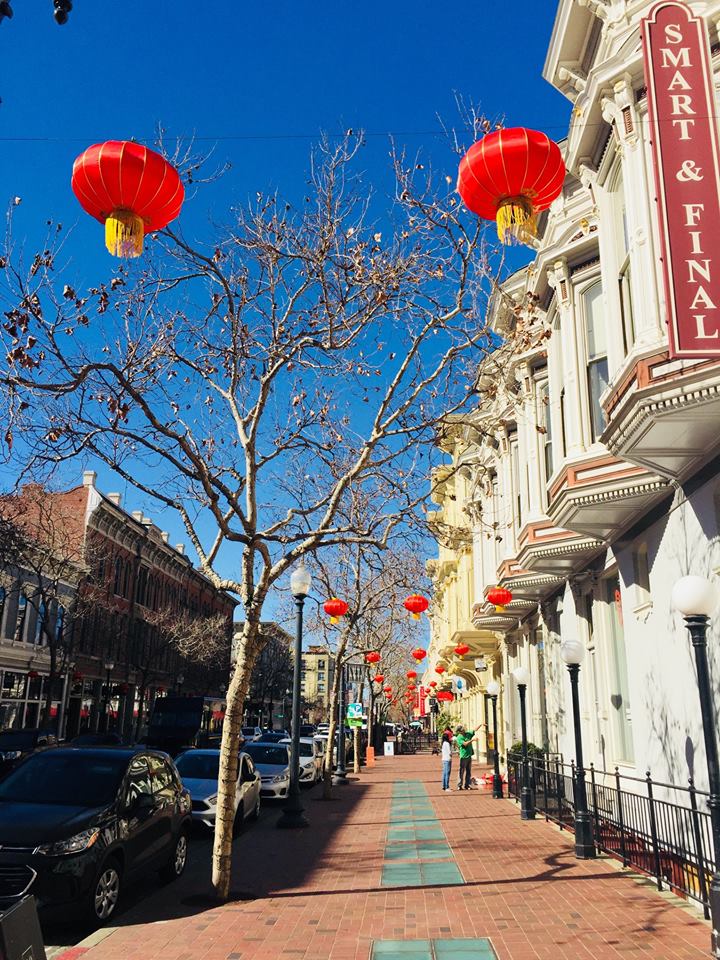
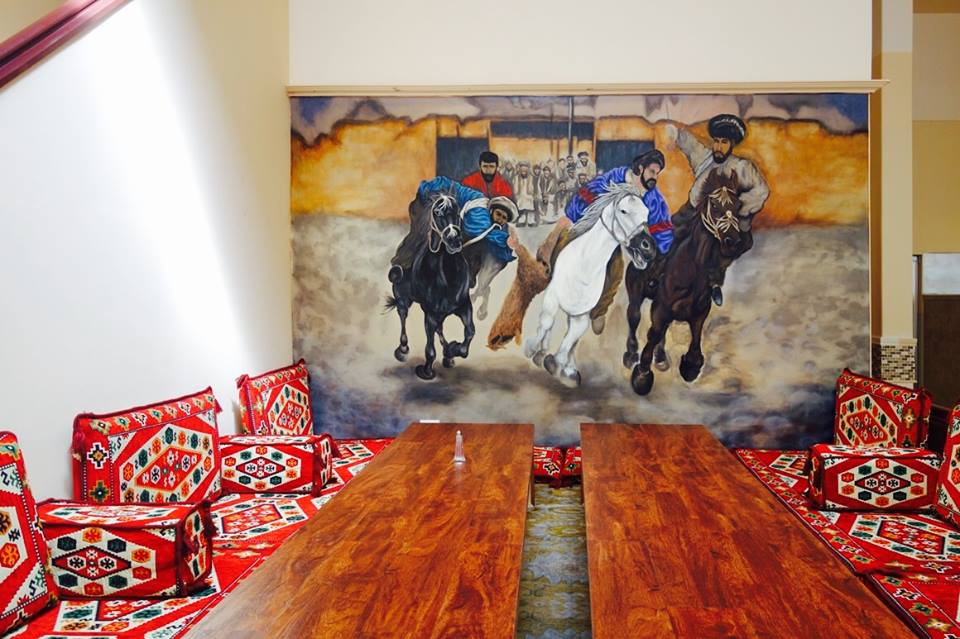
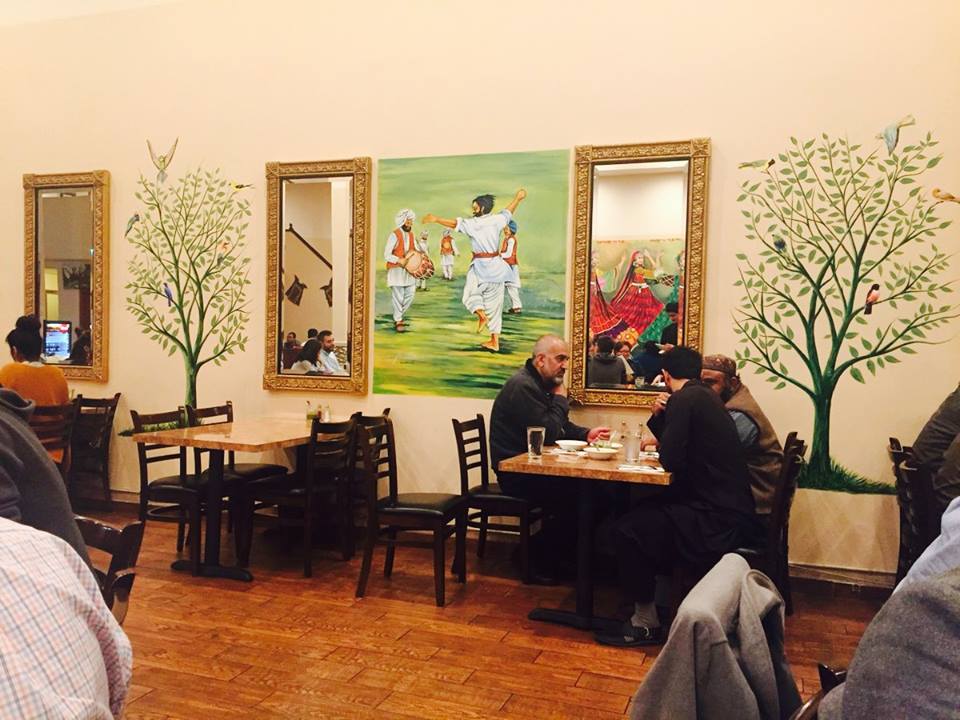
In Oakland! Got here yesterday and spent a lovely evening with the beautiful Donna K. Khorsheed. She took me to dinner at Kamdesh Afghan Cuisine, a family owned restaurant nearby. We had chapli kebab, eggplant borani (my favorite way to cook eggplant) and mantoo, described as dumplings filled with beef and onions that taste a lot like Turkish manti (ravioli with ground beef, garlic and yogurt, sprinkled with dried mint and sumac). Takes me back to my childhood in Belgium, where our Turkish friends used to make manti – once at our house where we spent the entire day cooking, talking and eating together. One of my fondest memories. Donna tells me there is a Palestnian version of manti/mantoo as well. We are hanging the art show today with the big opening tomorrow, followed by a screening of A Thin Wall. It’s all very exciting!
My work is coming to Oakland
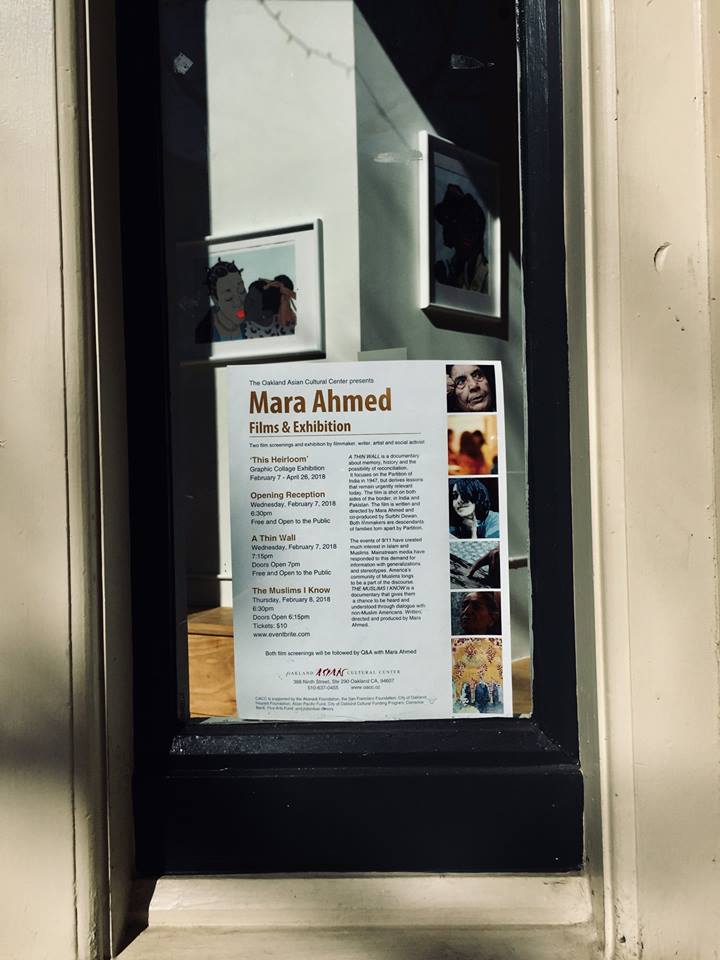
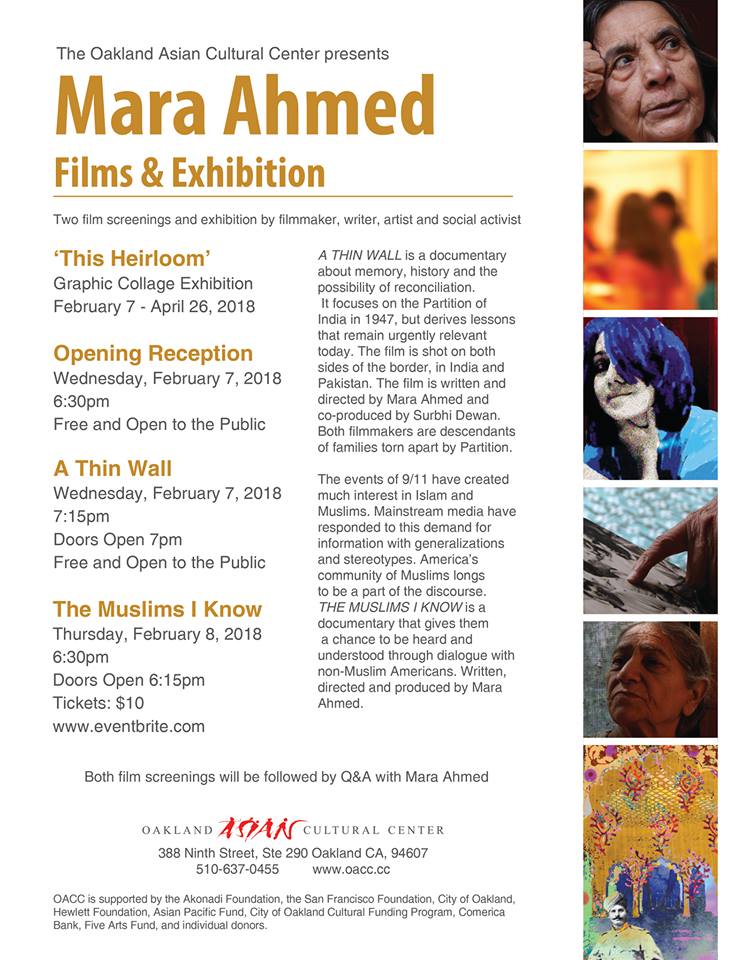
Dear friends, I will be in Oakland, California, all of next week to open an exhibit of my artwork and screen my films The Muslims I Know and A Thin Wall at the Oakland Asian Cultural Center. Thx Donna K. Khorsheed for making this happen. Hope to see you there!
Screening at Colorado College
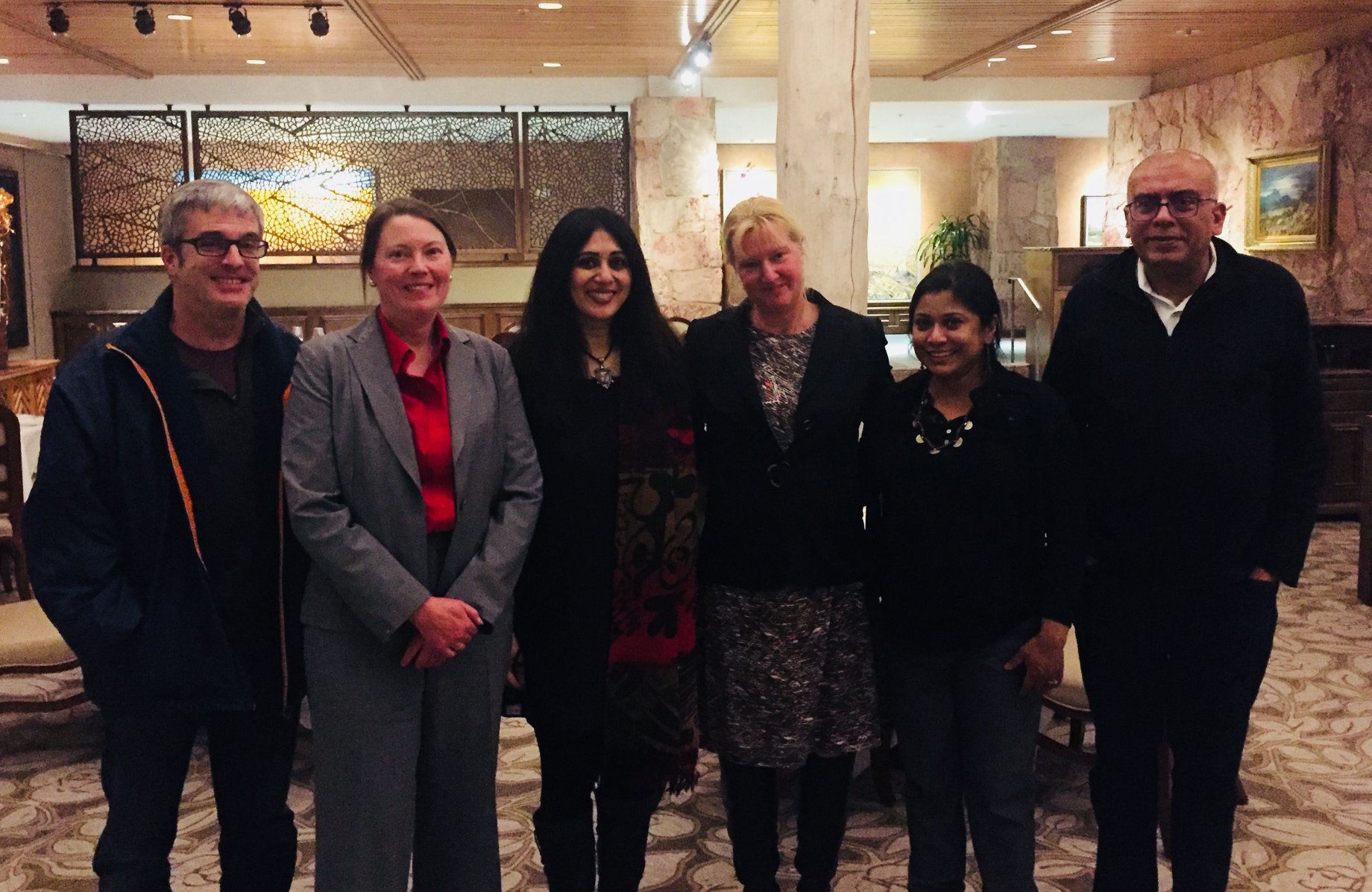
What a wonderful busy day! A hearty breakfast at the hotel, followed by a presentation about my work to Yogesh Chandrani’s class on Culture, Power and History in South Asia. Excellent questions from his students who have read Vazira Zamindar’s work very carefully. Had fun asking Yogesh what it was like to have been a student of both Eqbal Ahmed and Edward Said. Lunch with Tamara Bentley, the head of South Asian Studies, with whom I connected immediately, like she was a long lost friend. Screening of A Thin Wall at 4pm with great attendance and questions and then dinner at Garden of the Gods Club with Colorado College faculty. It’s such a treat to talk to brilliant people who do work in English and French but also in Chinese and Sanskrit, and who study art, religion and anthropology as well as Indian film. They analyzed A Thin Wall with such attentiveness and genius that I felt overwhelmed. I’m so incredibly lucky to do the work I do and to know the people I know.

In Colorado Springs
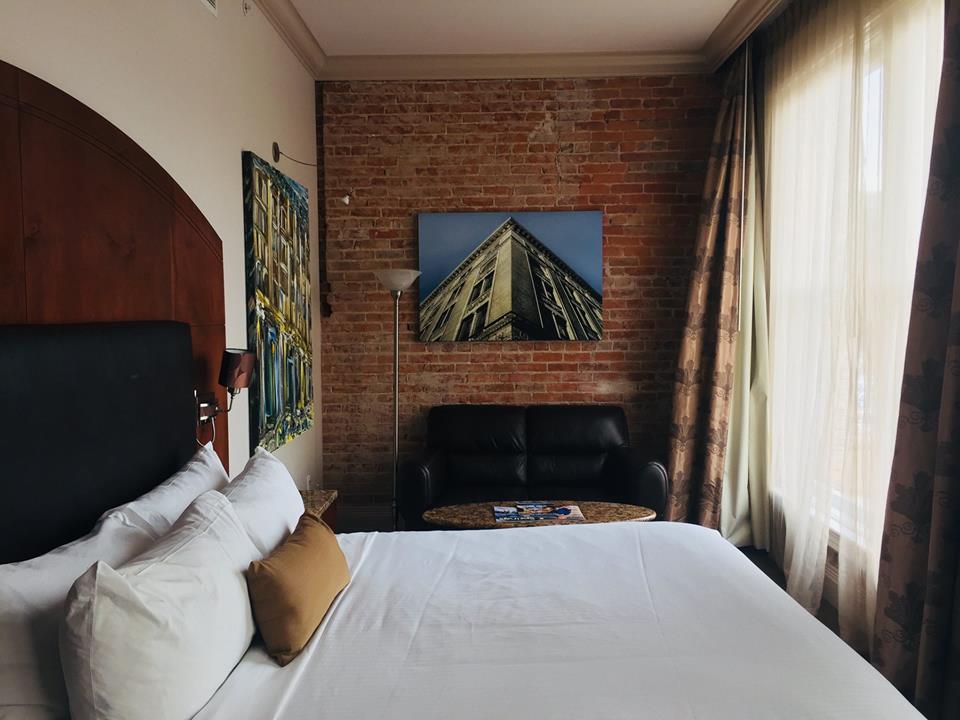
So they rerouted my trip and I had to take 3 flights from Rochester to Chicago to Dallas to Colorado Springs. Left my house at 10am this morning and landed here at 10pm NY time. But I’m here, 6000 feet above sea level, staying at the Mining Exchange in a beautiful high-ceilinged room that looks more like a stylish loft than anything else, looking forward to talking to students tomorrow morning, at Colorado College, and then screening my film later in the afternoon. Tired but happy.
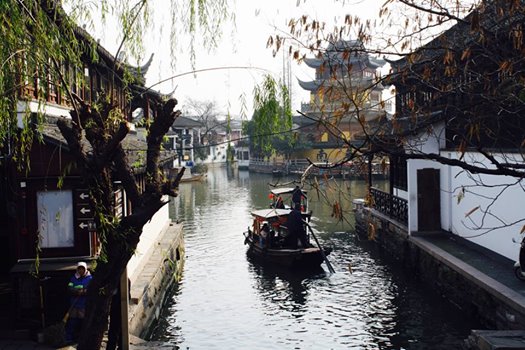
Zhujiajiao, China – December 2017
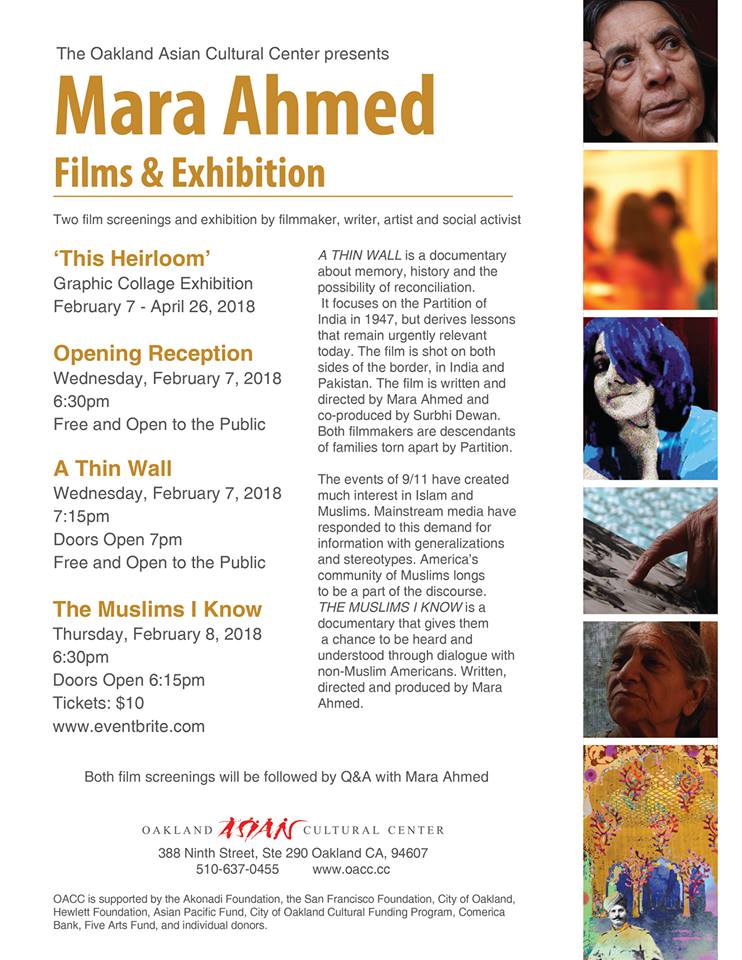
My work coming soon to Oakland Asian Cultural Center
I will be at the Oakland Asian Cultural Center from Feb 6-8 in order to exhibit my artwork series “This Heirloom” and screen both The Muslims I Know and A Thin Wall. California friends, hope that you can make it!
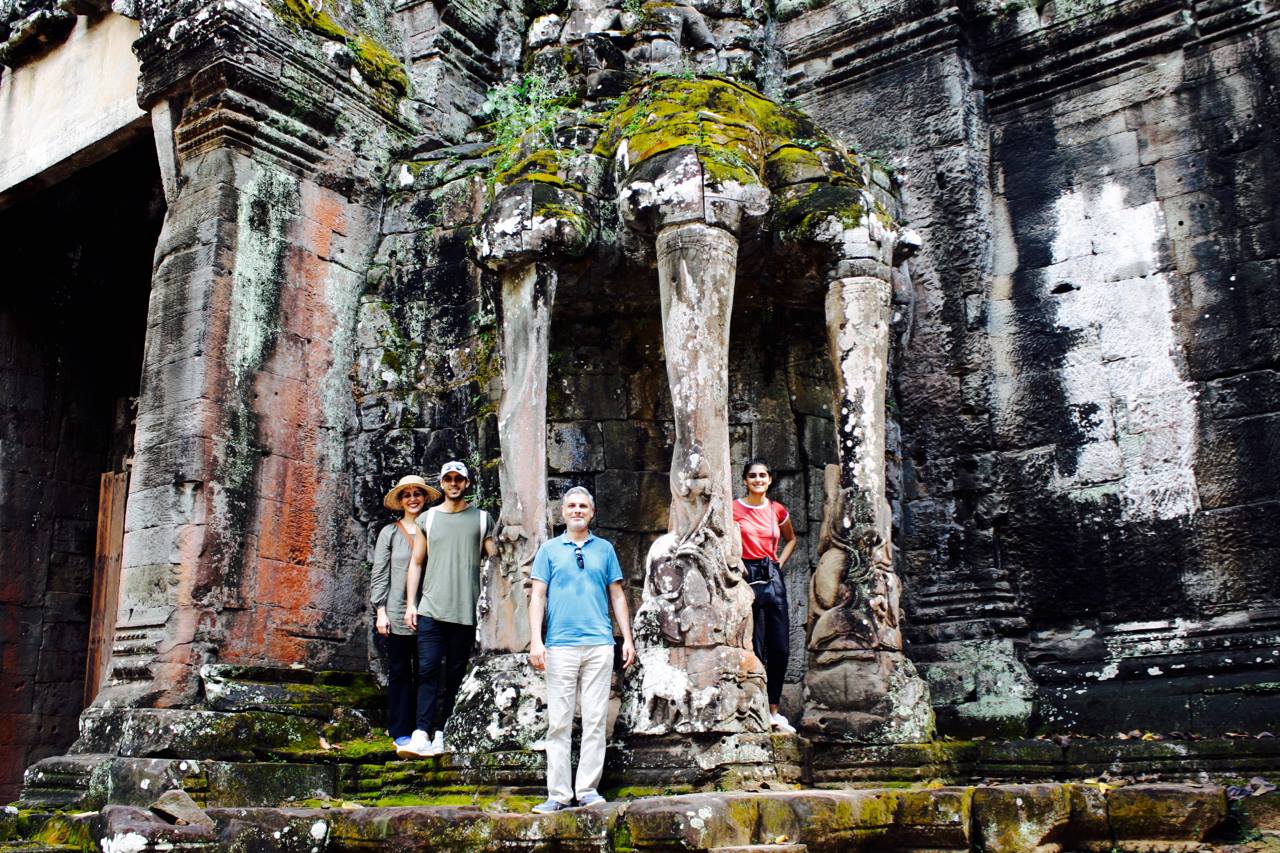
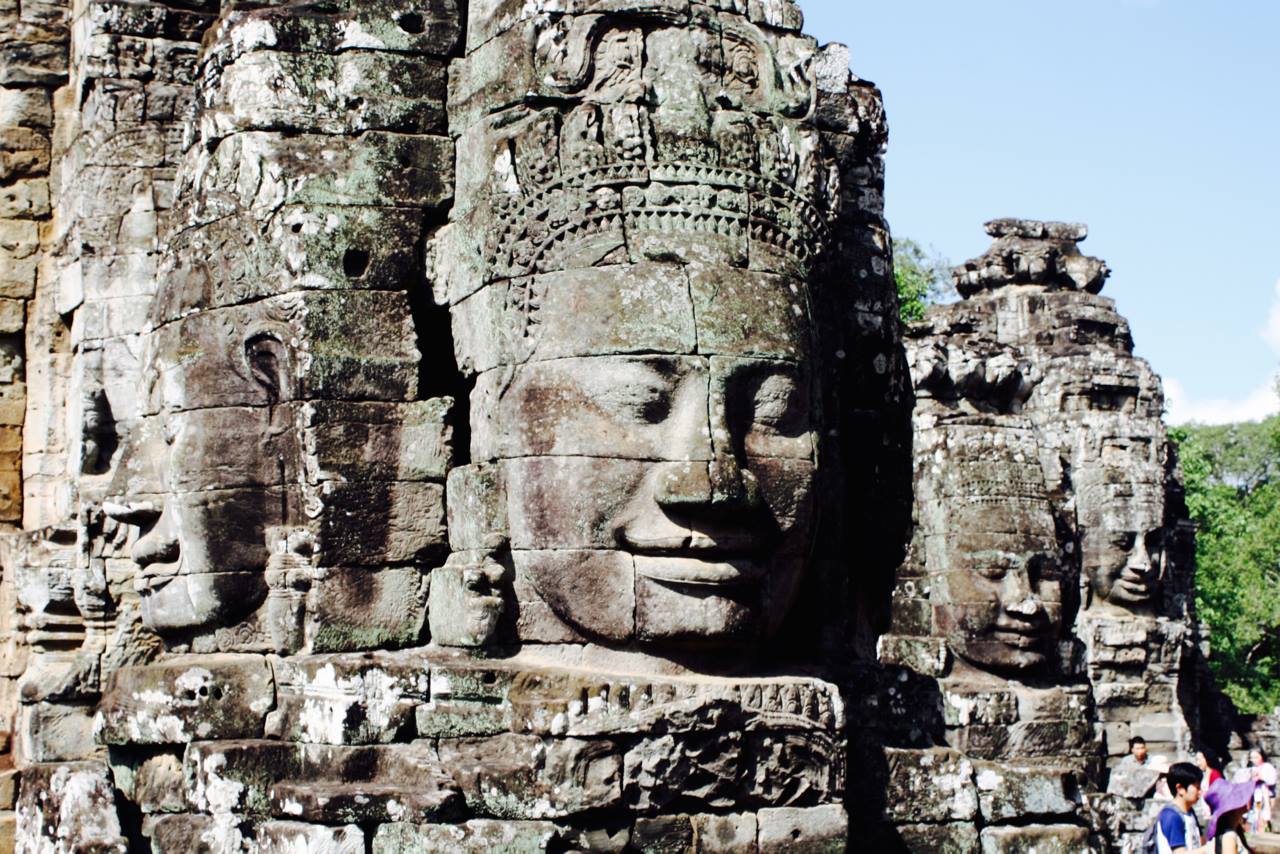
cambodia
i haven’t had time to write about angkor thom and angkor wat in cambodia – about their stunning history, engineering genius and magnificent artistry. we are talking about the 11th/12th century! built with blocks of sandstone brought in from a mountain miles away, thru a system of canals and then carried by elephants. the blocks were cut precisely so they interlock. no cement. angkor wat is built on a water table. it is surrounded by a large and deep moat. this way, as the water levels change during the dry and wet seasons, pressure doesn’t build up – extra water is released to or from the moat. that these temples are still standing is frankly shocking. angkor wat was the center of a city with a population of about a million, the largest city in the world at that time. it was an honor to visit these temples with someone as erudite as our guide, chamrong soeut. we took hundreds of pictures, here are just a few.
Kathryn Myers on A Thin Wall
On Nov 8, 2017 A Thin Wall was screened at the Human Rights Film Festival at UConn. The post-screening Q&A with director Mara Ahmed was conducted by Professor Kathryn Myers, from UConn’s Art and Art History Department. Dr. Myers’s questions highlight her extremely attentive and sensitive reading of the film. Here they are:
— What was it like hearing these stories from your mother, starting with such sweet reminiscences of her old neighborhood in Gurgaon, and with the same calm measured way of speaking, later describing the atrocities she witnessed on the train and the sense of terror she felt after moving to Lahore and seeing looted and burned Hindu homes. When did you first begin to understand and process what she had been though and how has your understanding changed through the years?
— As you have collected and organized a vast amount of material, I’m curious about some of the challenges and strategies of interweaving different narrations. Some are recurring, such as the elderly survivors of partition who gradually tell their own stories throughout the film, including your mother, relatives, and family friends. In addition to yourself as a recurrent narrator, there is also Surbhi Dewan who starts by perhaps contrasting the dramatic stories of the partition survivors with what she describes as her rather “eventless” life and her imagining of what her grandparents went through when they left their home. She talks about her own leaving home for New York and her ongoing dreams of reconciliation. Other narrators appear just once between the recurring narratives and are from different professions and locations such as a writer from Massachusetts, an artist from Karachi, a photojournalist from Rwanda, a filmmaker from Vancouver, a historian from Delhi, etc. Each has different insights about related themes such as religious fusion, guilt, remorse and forgiveness, a lasting division of hearts, etc. Talk about your process of selecting/organizing these interweaving narratives and some of the choices you had to make, and the challenge of making it all flow together so well as it does and not feel disjointed.
— There are two sections, one in the beginning and one near the end, where you are asking questions to what seems to be average people on the street in Lahore and Delhi. Was this created to gain some unexpected comments and insights, such as the young woman who felt partition was good, (aside from the loss of life) because India and Pakistan could not otherwise live together. This might be typical of a younger generation that is more disconnected from history or have no stories from surviving relatives. In the later section of street questions, all of the people you spoke with seem to feel they can get along, but that it is governments that perpetuate the continuing conflict.
— There are times when the imagery is quite directly connected with the narrative, such as the interviewees and images we may take to represent places they imagine or remember. There are other times where you make striking juxtapositions of imagery and voiceover and I’m curious about some of your choices. There are many wonderful instances of the poetic combination of imagery and voiceover, but I was particularly moved by gorgeous scenes of fabric being dyed, while you speak of blurred boundaries and a former cultural mixing of Hindu, Muslim, Sikh, and Christian identities, ending with a statement about how dividing the indivisible is doomed to be violent, paired with the last scene of pink fabric being pushed down into water. How did you make some of these visual decisions?
— While we may know people well, our friends and relatives, we often have no idea what kind of storytellers they will be. I’ve found people can either shut down, or unexpectedly open up in front of a camera, or possibly in the case of your film, people of an age might have realized this could be the last chance to tell their story. Were you surprised at the kinds of stories, insights and emotions that came from the people you spoke to?
— Surbhi plays a very important role in the film for me, though it’s always images of her and a voiceover and not her directly speaking, which is quite a different strategy than the other narrators speaking directly to the camera. She has a wonderful lilting voice which is so suitable for describing the hopes and dreams she returns to again and again of a reconciled Pakistan and India. She starts with a wish to better understand what her grandparents went through and to be connected with this “great historical event.” Later she has interesting revelations about how her own travels and dislocations caused her to have a more complex understanding of home and homeland and the collective experience of travel. Later still, her description of her first trip to Pakistan at the border where the guard tells her not to use her camera, as if to say evidence of sameness is not permitted. Her last section is about the dream of being able to casually meet someone for lunch in Lahore, and is the first time it struck me that the distance was the same as from Storrs (CT) to New York. I could not imagine having that kind of restriction. Often you place her hopeful, dreamy and deeply insightful commentary between very difficult stories and testimony of the partition survivors. I’m curious to know more about how you conceived of her role in the film.
— I’m curious if your mother has been back to Gurgaon in the last 15 years and how she would feel in terms of the current sense of dislocation. You mention it yourself in trying to find the old house she lived in. It still seemed to be a sleepy village when I first visited India in 1999 but now represents the most aggressive development, swallowing everything that was there before, though I have heard that there are still village areas and old homesteads.