
My first dress from Mansawear, all the way from Ghana
in this beautiful fabric
and it fits like a glove
Thx Nita Brown!

My first dress from Mansawear, all the way from Ghana
in this beautiful fabric
and it fits like a glove
Thx Nita Brown!
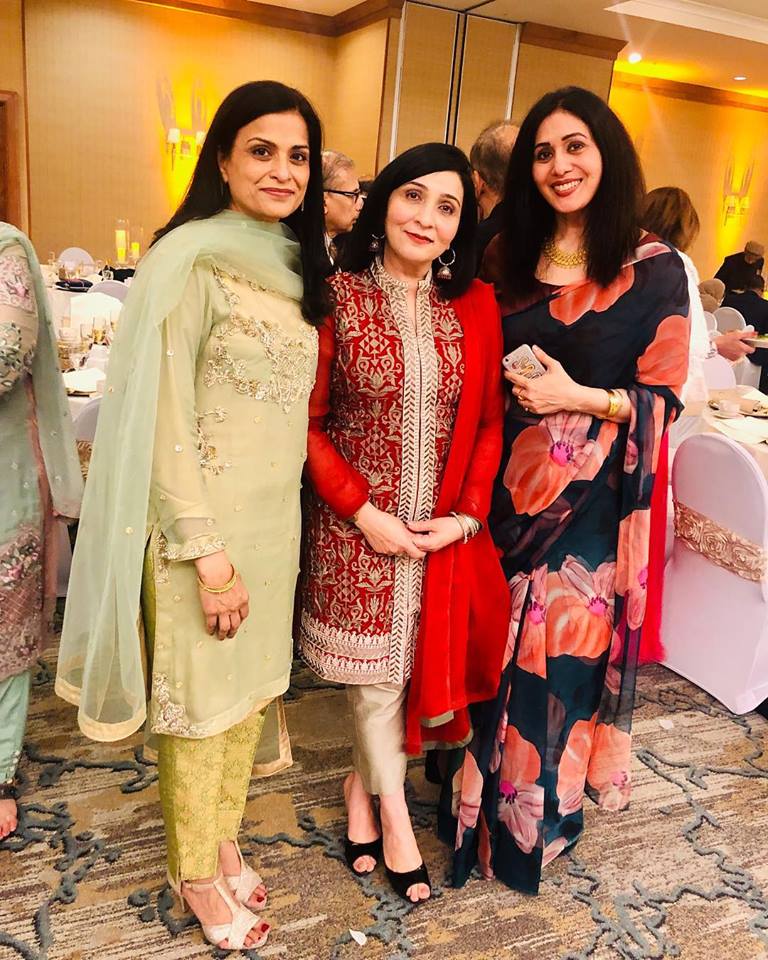
lovely pakistani wedding tonight in #rochesterny
i wore my mom’s french chiffon sari she bought in #paris in the 1970s.
an incisive and clear-cut analysis of white supremacy and anti-muslim racism by two young women from the islamic center of rochester, Halima Aweis and Hibah Arshad. the interview by Darien Lamen was part of Reclaiming the Narrative‘s longer news program on april 5, 2019. this is the interview on its own, archived on sound cloud – an important reference point at a specific political moment in our history. pls listen and share.
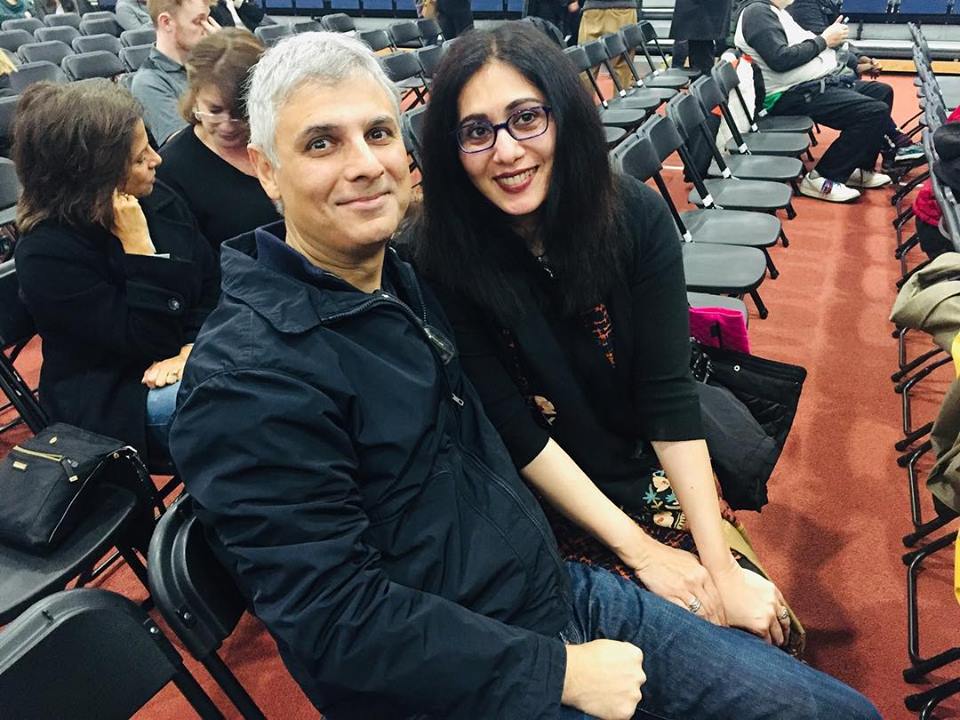
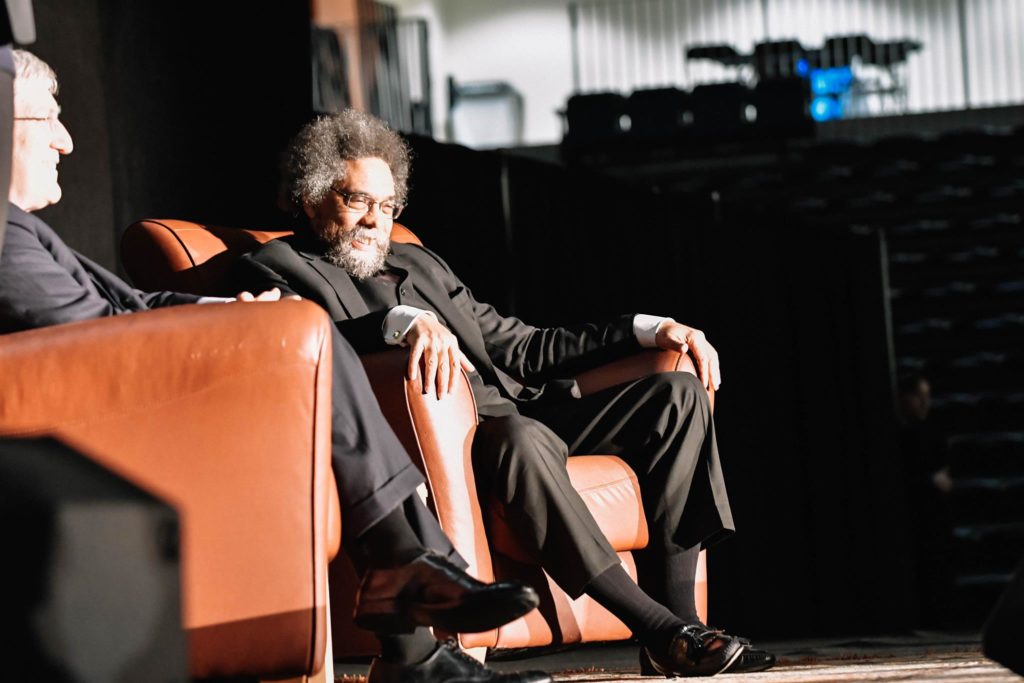
waiting for Dr. Cornel West at #RIT – one of my favorite #people on the #planet
this is such an excellent discussion about white supremacy and anti-muslim racism (starts at 6:30). so proud of Halima Aweis, Hibah Arshad and Navaira Aslam for understanding history, systems, and the deep connections b/w various forms of violence all around the globe. thank u Darien Lamen for producing such an informative news program, where there is an opportunity for uninterrupted, complex analysis. if u want to be in solidarity with the muslim community, pls listen here.
The gorgeous (and brilliant) Tonya Noel, of Flower City Noire Collective, captured so beautifully, so tenderly by the gorgeous (and brilliant) Erica Jae. For The Injured Body: A Film about Racism in America. So many incredible women in our community ♥

Analyzing white supremacy in light of the terrorist attacks on two mosques in New Zealand, with the absolutely brilliant Halima Aweis and Hibah Arshad, for Darien Lamen’s excellent news program Reclaiming the Narrative, RCTV, Rochester’s Community Media Center. Thank you Navaira Aslam for your Facebook post, which set these important conversations in motion. The podcast should be online this Friday.


P E moskowitz talking about his work and his book ‘how to kill a city’ at the #gentrification #conference today at #MCC downtown #campus in #rochesterny

going to this conference on gentrification at MCC downtown campus tomorrow. hope u all can make it.
ballet #shoot with María José Rodríguez-Torrado last #monday
for The Injured Body: A Film about Racism in America, photographed by Rajesh Barnabas
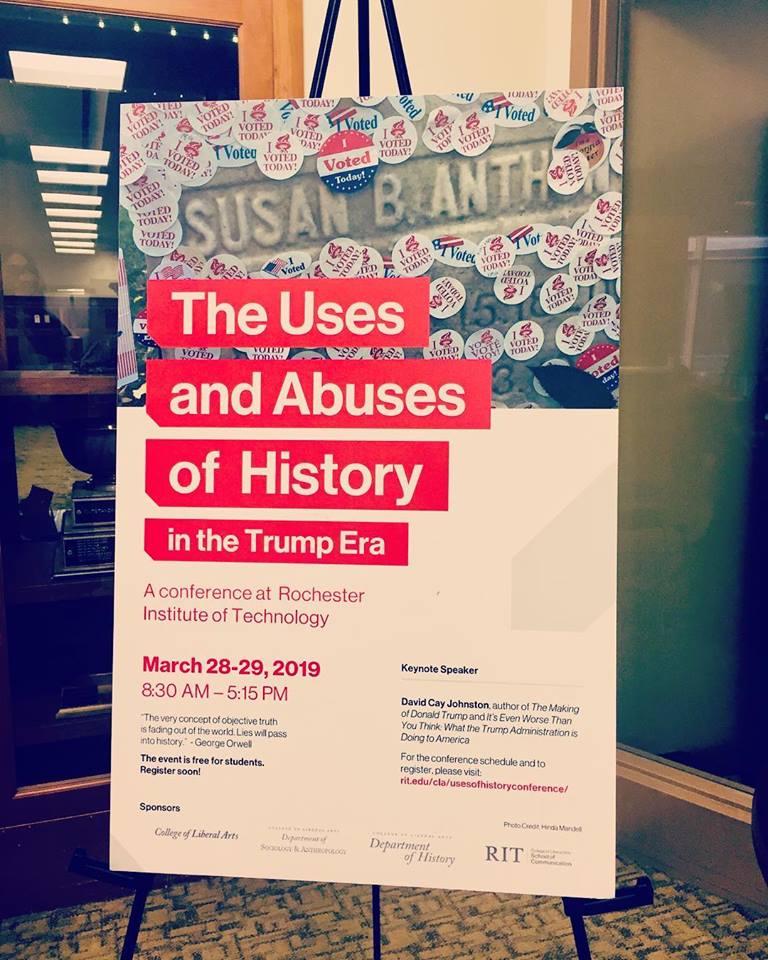
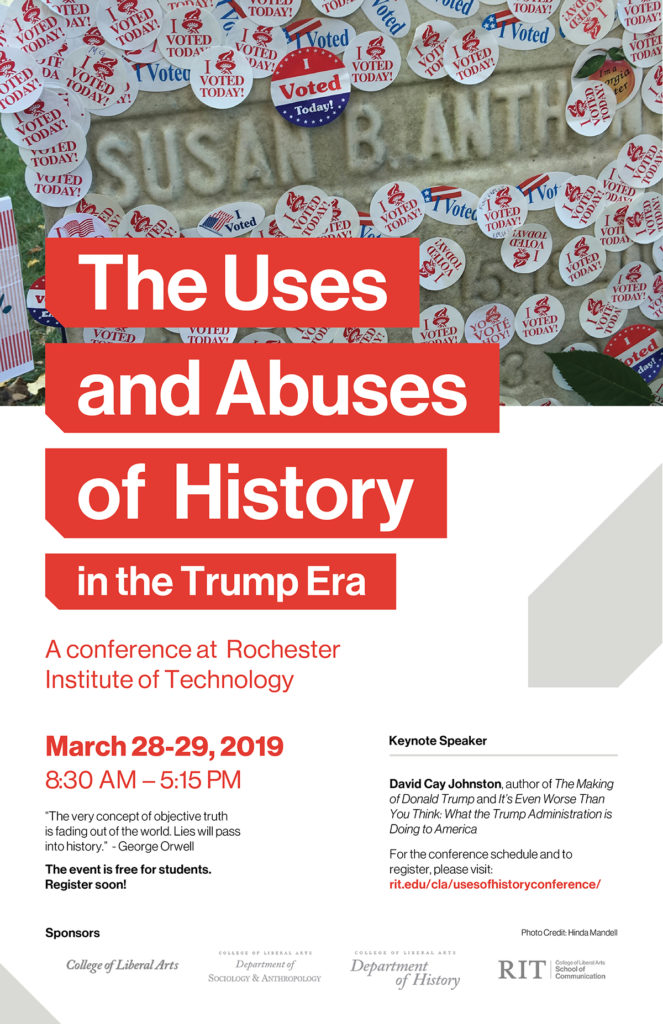
RIT conference today on the #uses and abuses of #history in the #trump #era
will be #screening my #film #AThinWall at 1:00pm, campus center, room 2050
my topic is: Borders, Nationalism and the Construction of the Other: Lessons from the Partition of India. more about the program here.
the #sun is out today – everything looks #better, feels better
we are back on our #walks in #rochesterny
I will be screeningA Thin Wall at this RIT conference (March 28th, 1pm, Center for Campus Life, Room 2050) and talking about ‘Borders, Nationalism and the Construction of the Other: Lessons from the Partition of India.’ Hope to see u there.
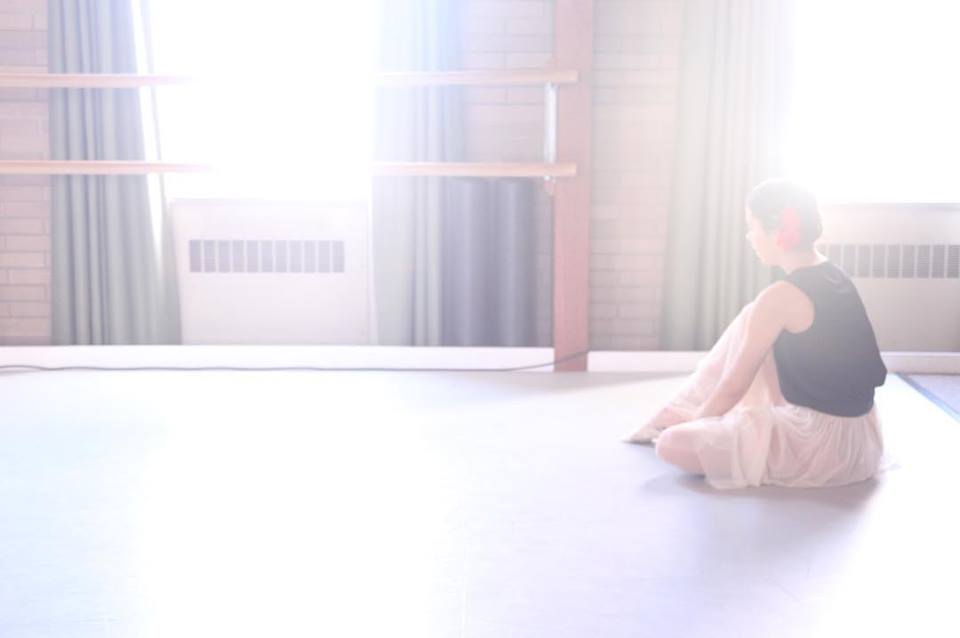
beautiful #shoot this #morning at #georgehall #dance #studio in #rochesterny
our #ballerina was the stunning María José Rodríguez-Torrado
the piece #choreographed by Mariko Yamada is meant to #subvert #ballet’s #restrictive #technique by introducing #freer #movement and more #perceptible #breathing
it also references María José Rodríguez-Torrado’s #puertorican #roots and #culture
shot by Rajesh Barnabas for The Injured Body: A Film about Racism in America. more photos here.

i was invited by susan nowak, professor or religious studies at nazareth college, to attend a dialogue lunch with dr. rita george-tvrtjovi?, their guest speaker on christian-muslim theological exchange, as well as other faculty members and students. the conversation was lively. what i found most heartening was the recognition that there is a need to be more political in interfaith conversations. israel/palestine was mentioned and how dialogue is completely muted or non-existent in that regard. couldn’t agree more. that’s one of the reasons i cannot work within the constraints of interfaith. let’s see if it has the capacity to change.
