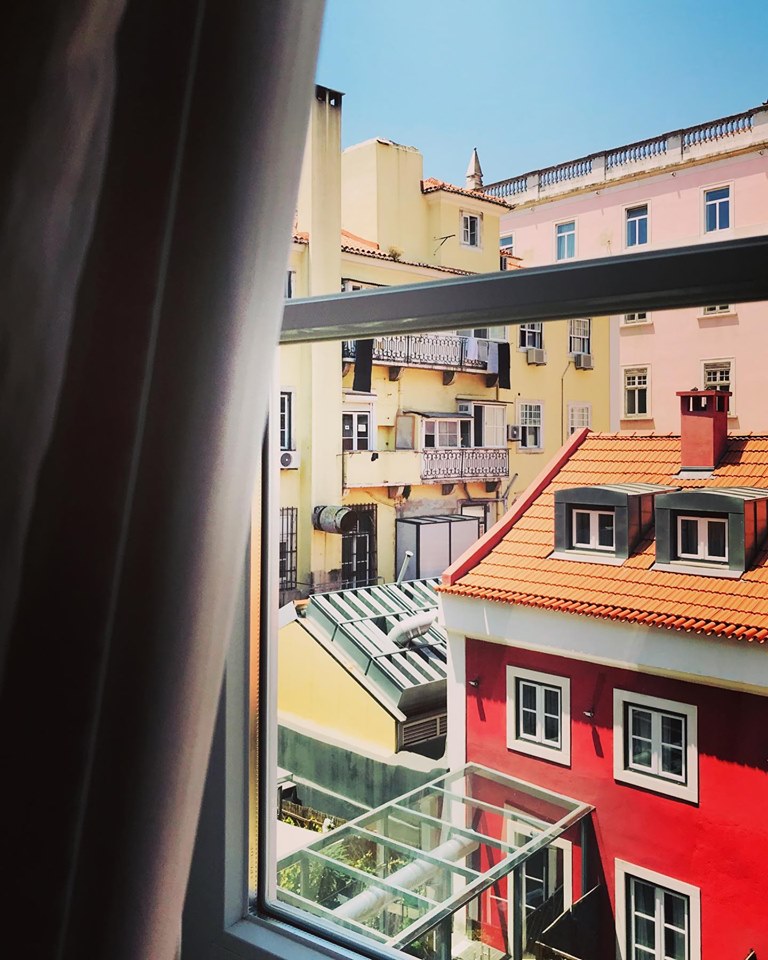
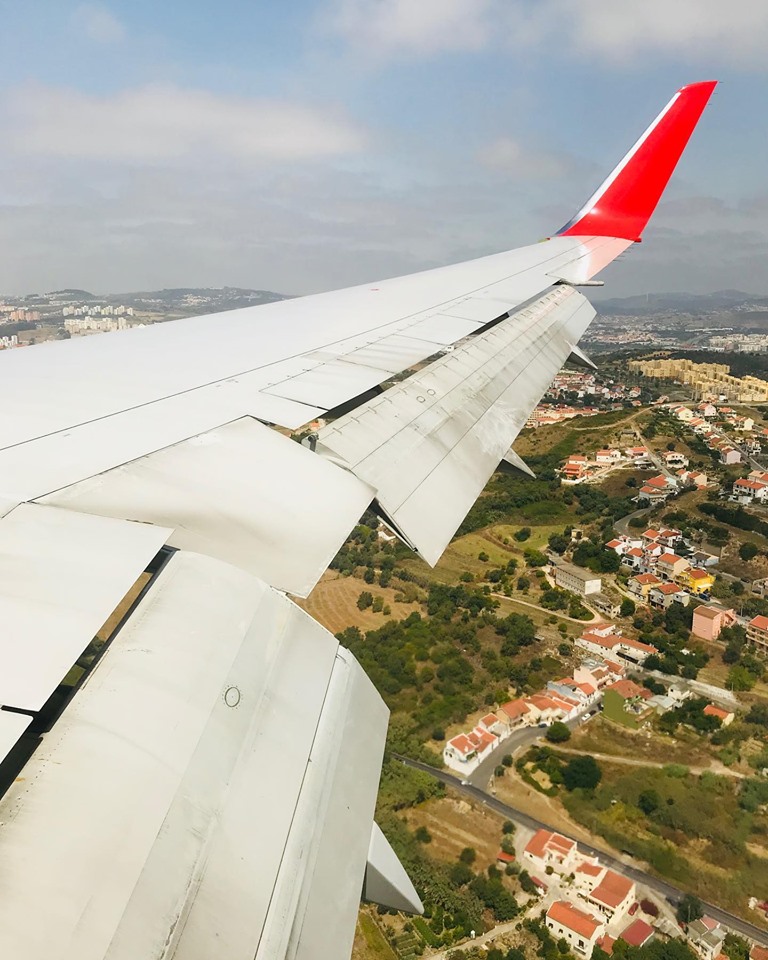
so i am in love with #porto #portugal

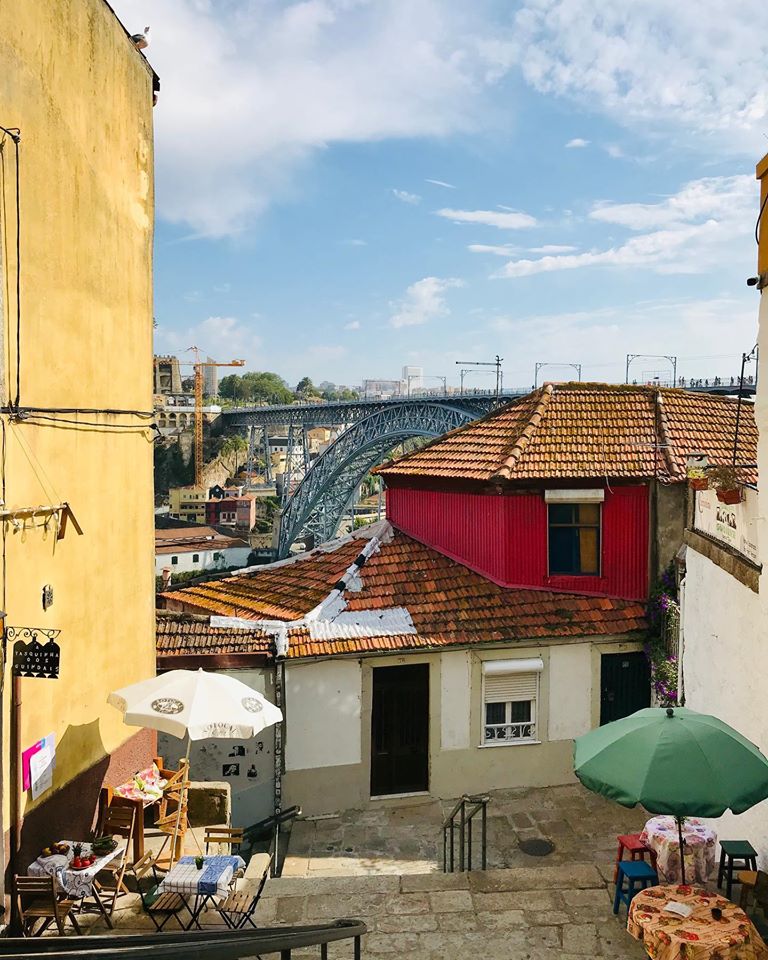
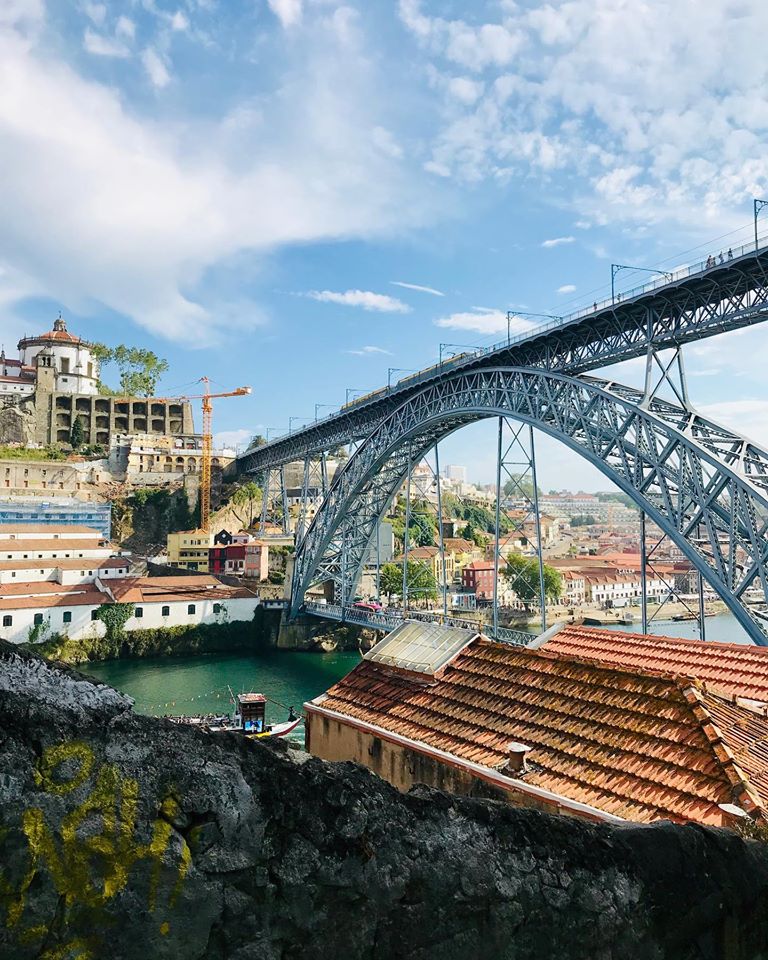
so i am in love with #porto #portugal
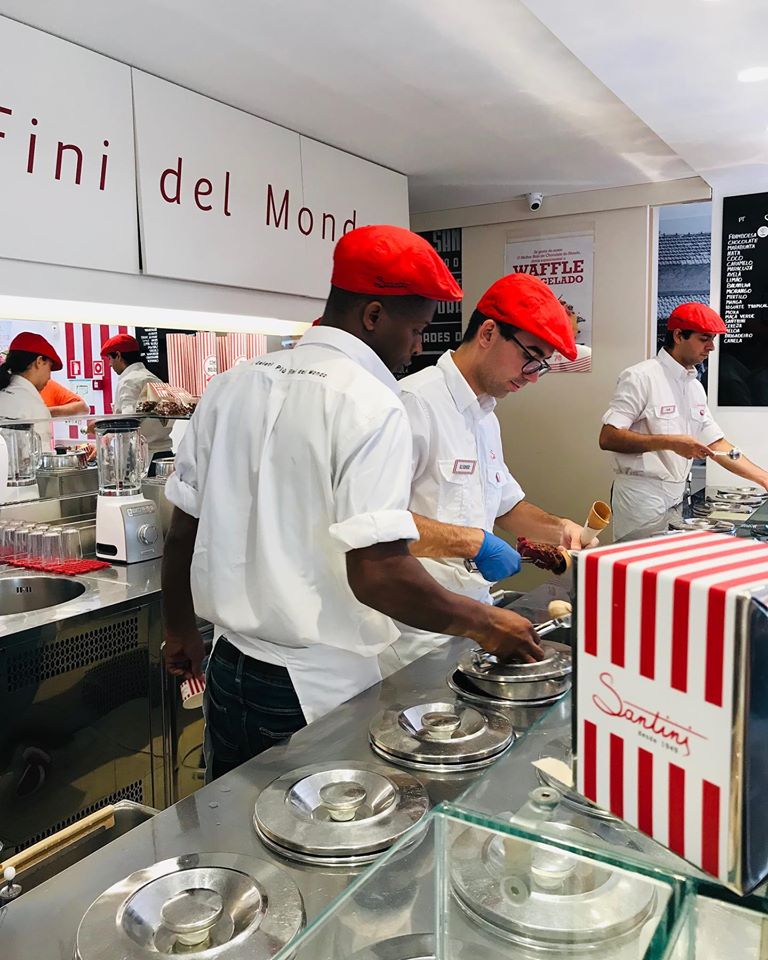
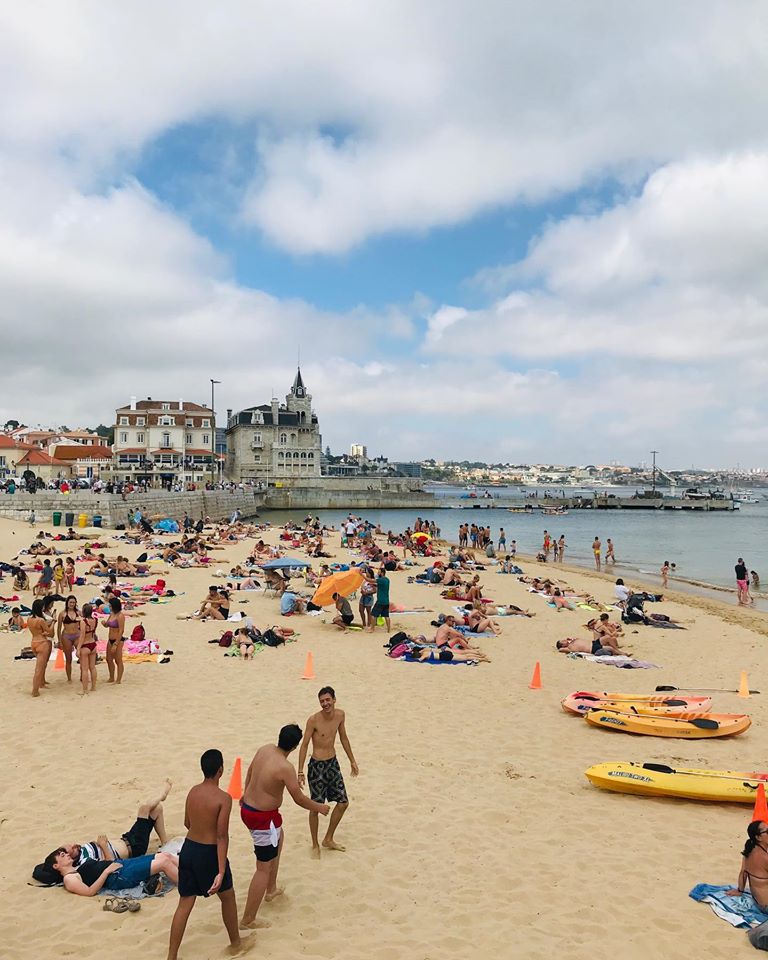
more #cascais and ice cream at #santini’s founded in 1949 by attilio santini and considered to be the best gelato in the world by many – i had noisette and caramel.
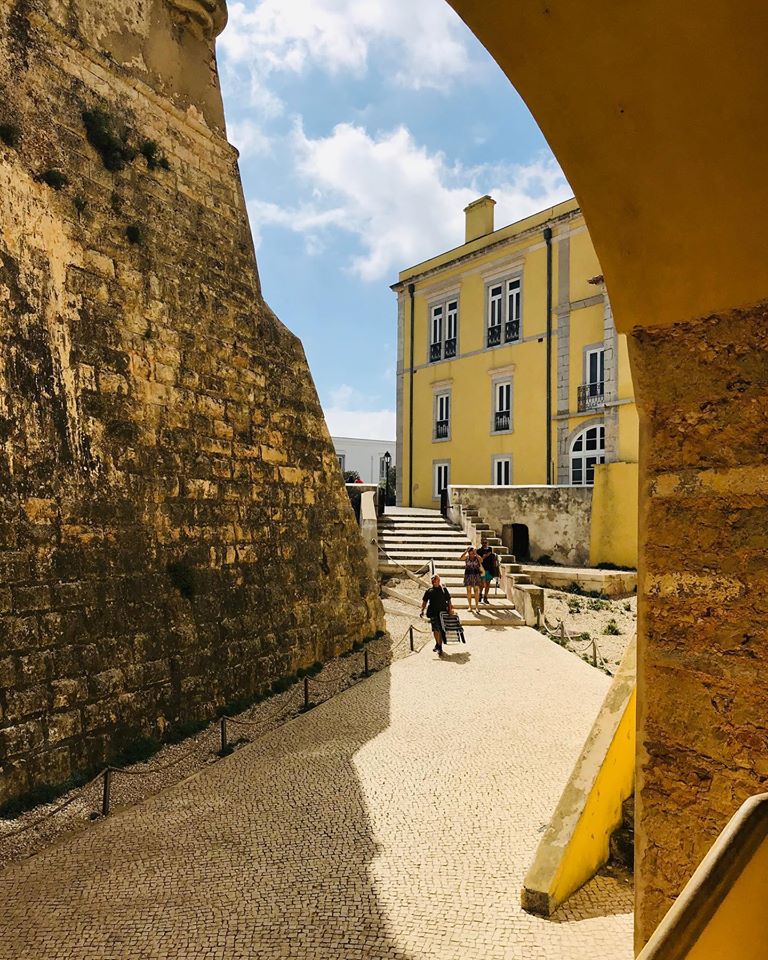
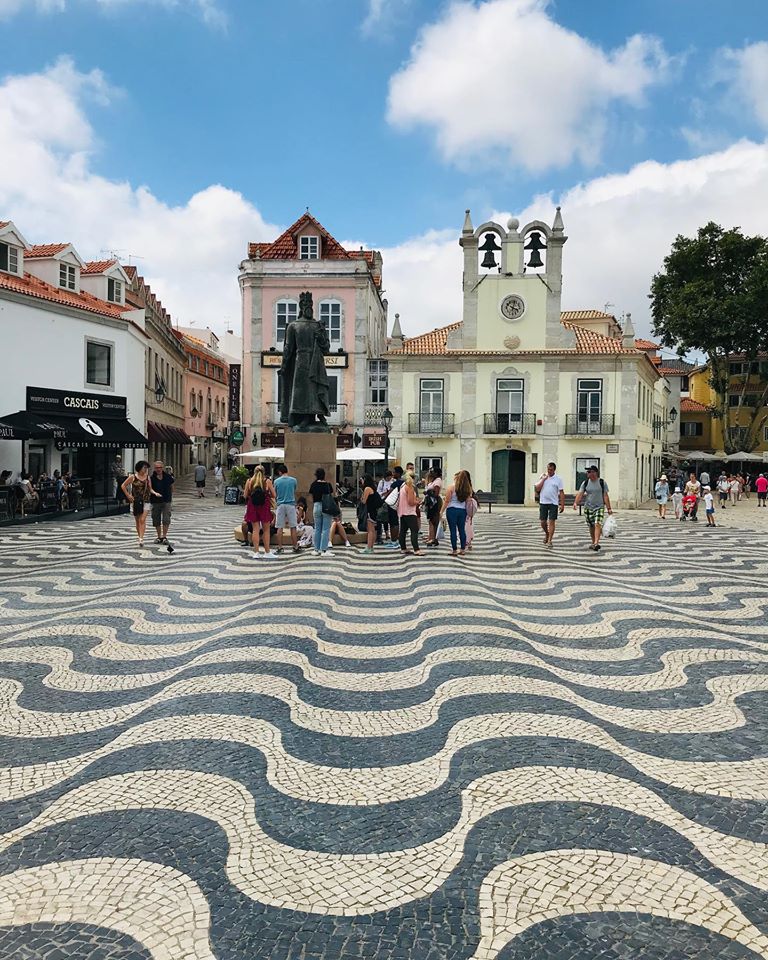
cascais used to be a sleepy fishing town west of #lisbon
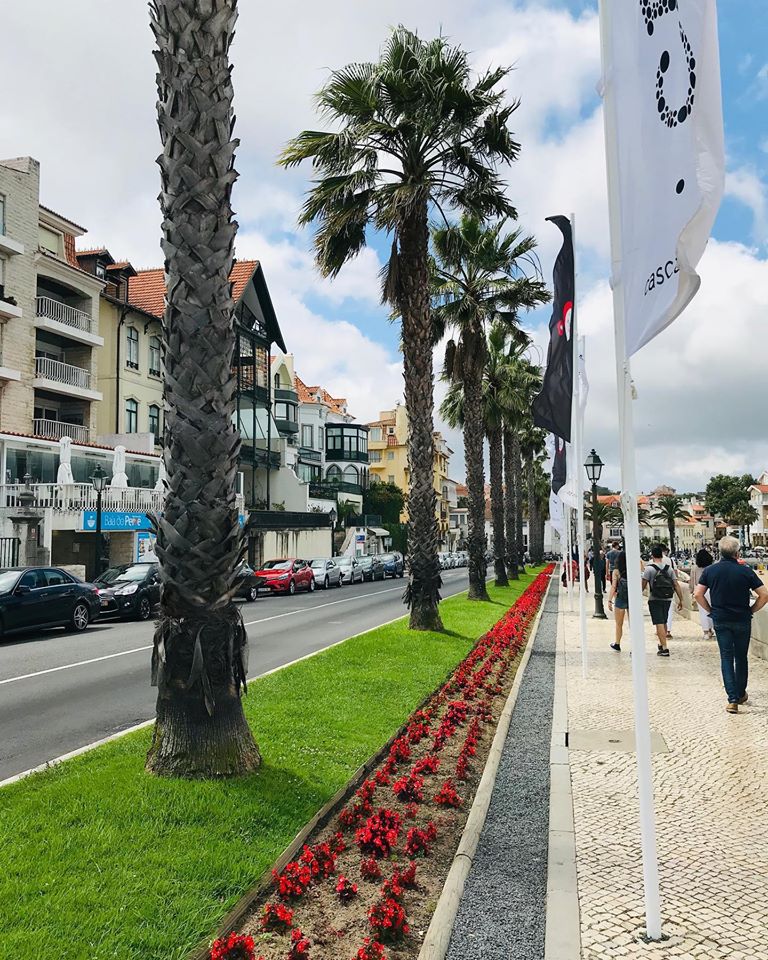
it is now a #coastal #resort on the #portuguese #riviera with tree lined walkways that reminded me of nice
the weather was bright and sunny – quite a change from #sintra
cabo da roca is the western most point of the european continent. it is located at the extreme end of the #sintra mountain #portugal
reminded me a little bit of #ireland’s cliffs of #moher
super windy there today.


Amália Rodrigues was a Portuguese fadista and actress. Known as the ‘Rainha do Fado’, Rodrigues was instrumental in popularising fado worldwide. Fado (“destiny or fate”) is a musical genre that can be traced to the 1820s in Lisbon, Portugal, but probably has much earlier origins. The songs follow a certain traditional structure and are characterized by mournful tunes and lyrics, often about the sea or the life of the poor. They are infused with a sentiment of resignation, fatefulness and melancholia. Will be going to Mesa de Frades in a few days to listen to fado inside a building that used to be a small chapel.
#lunch at #tasca do #chico in #downtown #sintra with megan and colby and then travesseiro at the famous #piriquita #bakery founded in 1862
‘Travesseiro means large pillow, and that is what these pastries look like. But, instead of cloth and feathers, these pillows have layers of puff pastry filled with an egg and almond cream.
Despite many attempts, no one has been able to copy these travesseiros since Piriquita first opened its doors to the public.’
‘The #chapel of the former Our Lady of Pena #convent still retains its original 16th century layout. The small scale nave has an ogival vaulted arch finished in 16th century tiles.
The Neo-Gothic #stained #glass #window was commissioned by King #Ferdinand in 1840 from the Kellner family workshop in Nuremberg and alludes to the foundation of the Convent of Pena in 1503: King Manuel I appears in the bottom left; to the right is Vasco da Gama with a ship and the Tower of Belém in the background; above there is Our Lady of Pena, Saint Jorge, the armillary sphere, the cross of Christ and the coats of arms of Bragança and Saxe-Coburg and Gotha.
The main #altarpiece is a work in #alabaster and black #marble carried out between 1529 and 1532 by the French #sculptor Nicolau de Chanterene (ca. 1470-1551).’

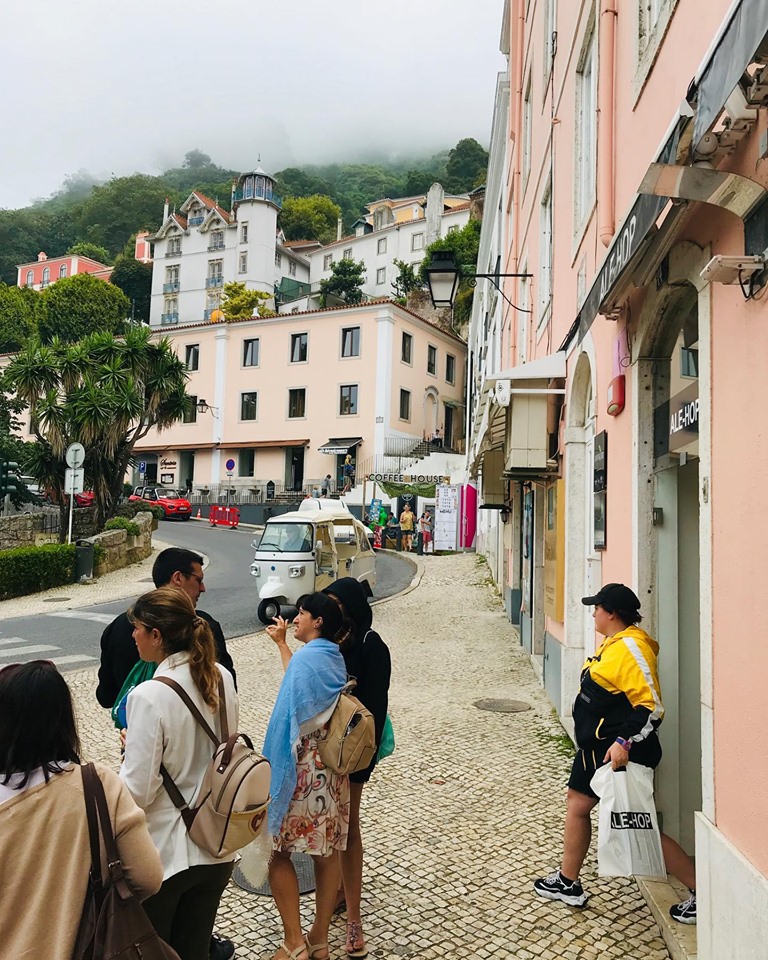
today i took a trip to #sintra with our guide patricia, myank from #india and two lovely families from the #westcoast – the #beautiful colby second from right is the same age as my #daughter
sintra was enveloped in a delicate #mist and as #magical as the #moon#goddess it is named after ‘The #Pena #Palace and Park, in the Sintra mountains, are the product of the creative genius of King #Fernando II and the epitome of 19th century #Romanticism in #Portugal. Architecturally speaking, they are a mix of #Manueline and #Moorish #architecture. The palace was built so that it could be seen from any point in the park, forest or luxuriant #gardens, with their five hundred plus species of trees from the four corners of the world.’

after a short nap i walked around the #neighborhood
had #roast #chicken at #restaurant #bonjardim
tried some #madeira – it was #spicy
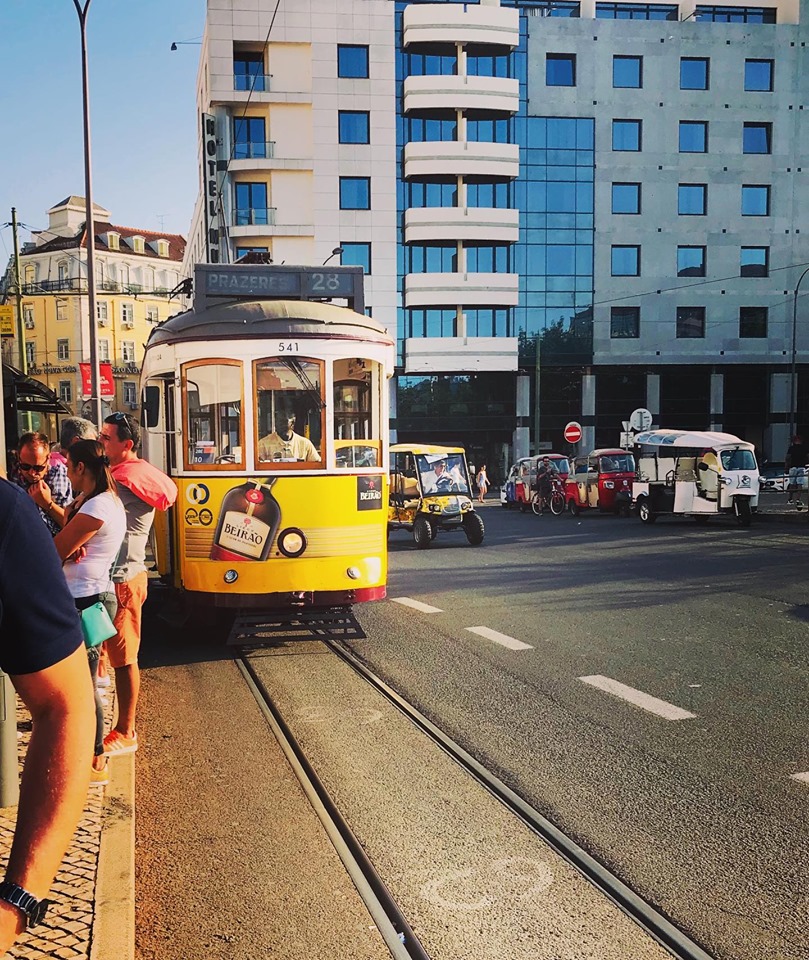
took the #historic no. 28 #tram, which winds through the steep streets of #alfama on its way up to 11th #century #sãojorge #castle
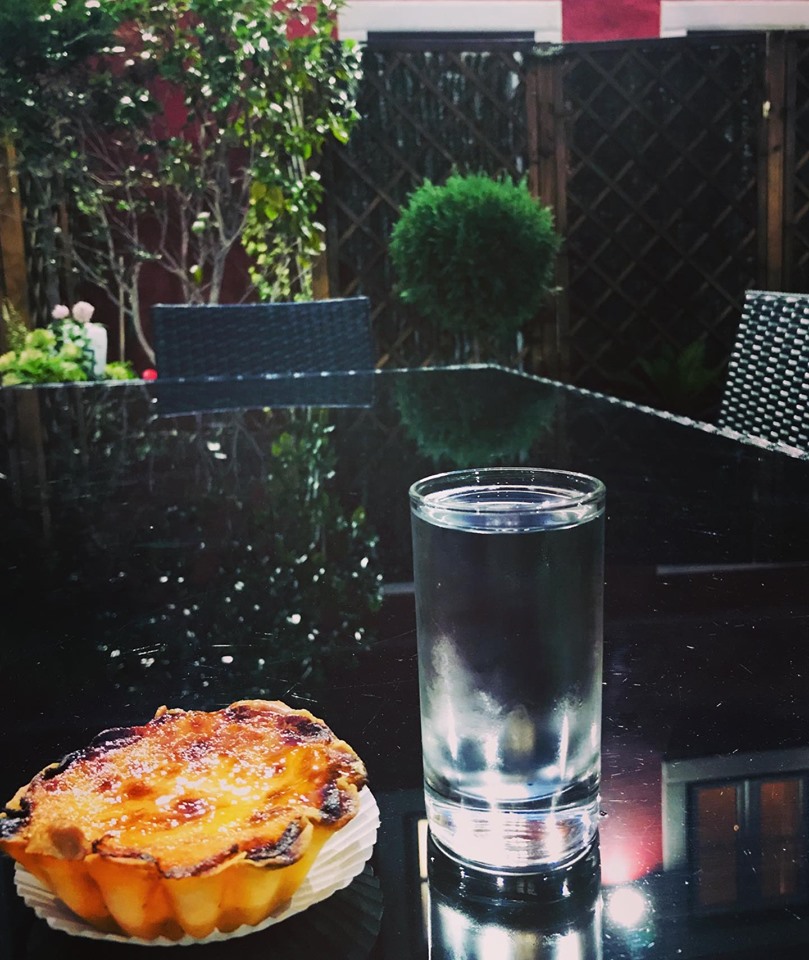
finally found this gorgeous rooftop garden in my own hotel and had a custard tart – #nata – i had picked up from a #pastelaria
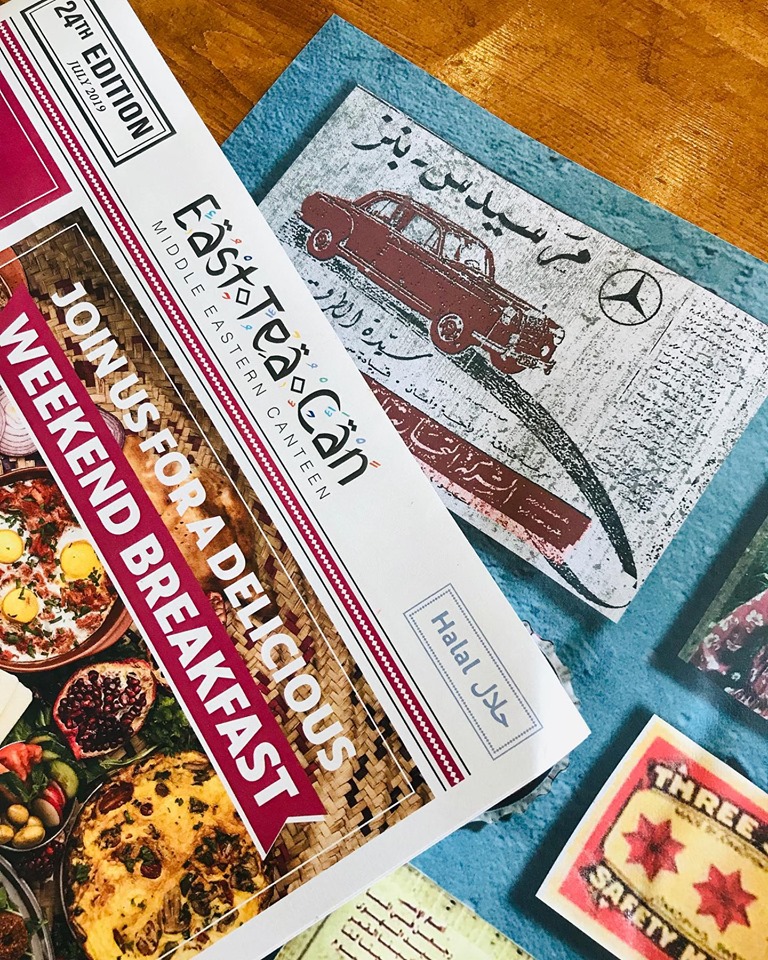
at #eastteacan in #toronto with my #bff amra
had a #salad with #dates #walnuts and #pomegranate #molasses
delicious #iraqi #kebabs #pistachio #kanafeh #tea and lots of #gupshup

‘we have to stop pretending like this sh*t starts and ends with trump’ — learn the facts so we can actually end this. pls watch.
Naveen Minai and Sara Shroff: We introduce yaariyan (friendship), gupshup (a mode of speaking), and baithak (a mode of space) to theorize our queer feminist care as research practices. We use these practices to hold each other accountable and to reorient our research questions, frameworks, and genealogies. We use them to challenge the networks of authority that demand we make gender and sexuality in and from the global south knowable, legible, and visible only on certain terms. We mark Pakistan as a site for theorizing and worldmaking instead of just a site of fieldwork. Ultimately, we are asking the difficult questions of what decolonial means in Pakistan. So while we focus on our yaariyan as a mode of survival, pleasure, and accountability, it also serves as the means through which we find and engage our interlocutors in responsible and respectful ways. Our goal is to think with rather than for, to interrogate our assumptions of authenticity and authority, and to expose the multiple and different forms of power within processes of knowledge production.
[…] To borrow from Sadia Abbas, the global south is seen as a tabula rasa where you can experiment and empiricize – but never theorize (Abbas 2010). As one such site, Pakistan is often marked as a space where gender and sexuality (as categories, as nomenclatures, as theories, as frames) must be introduced, invented, and curated. This is not just about whiteness. This is also about the ways in which racial, gender, and class privilege travels between global north and global south: white saviors, brown saviors. We argue here that the queer, feminist, and trans communities in the global south need neither. We challenge the conditions under which global south knowledges “arrive” in academia as archivable and absolute truths by asking: what are our responsibilities and to whom? What does it mean to put Black queer and feminist epistemologies next to epistemologies deployed by feminist, queer, and trans communities in Pakistan to navigate and negotiate state violence? How do we start to read across different frames to disrupt dominant interpretations of gender, sexuality, Pakistan, South Asia, and global south? What does queer and feminist mean in Pakistan and what do these meanings tell us about colonial legacies, neo-imperialisms, and global/racial capital? More here.
‘The acceptance of Khawaja Sira people in Pakistan has been held up internationally as a symbol of tolerance, established long before Europe and America had even the slightest semblance of a transgender rights movement. But the acceptance of people defining their own gender in Pakistan is much more complicated. The term transgender refers to someone whose gender identify differs from their birth sex. This notion is yet to take root in Pakistan and the transgender rights movement is only beginning to assert itself formally. Now, some third gender people in Pakistan say the modern transgender identity is threatening their ancient third gender culture.’ More here.