Author: mara.ahmed
my heart

my phoebe
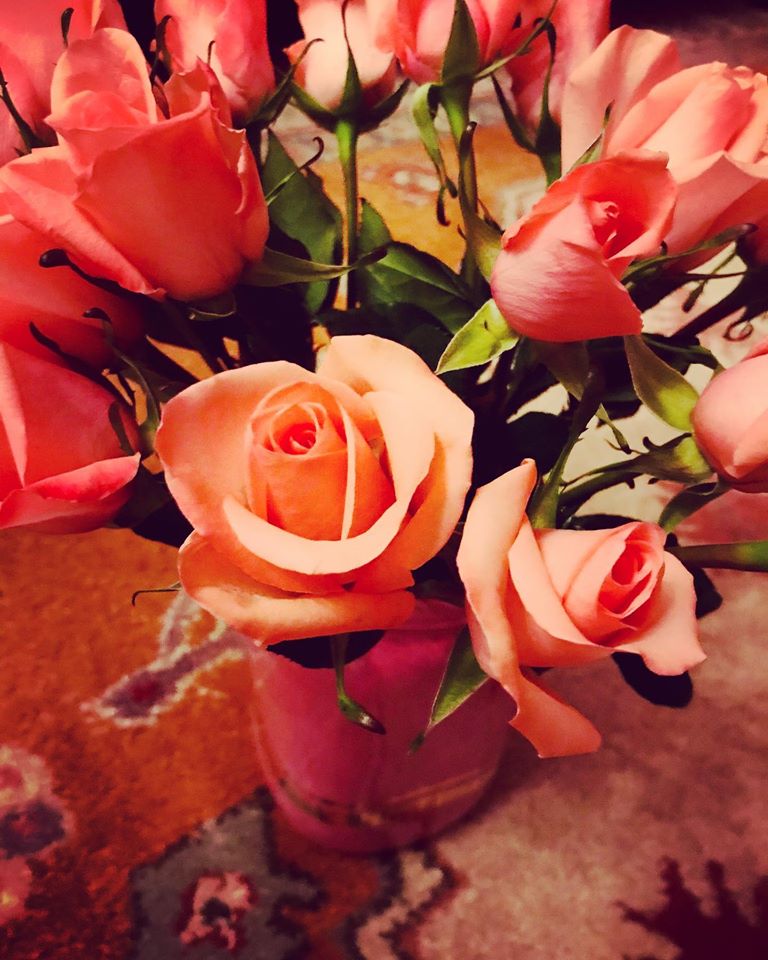
my phoebe passed away this morning. the most beautiful, sweetest creature in the world. she spent 15 years with us, 15 years filled with such joy, such love. i always called her my favorite child. the most sweet-tempered and gentle of souls. how i’ll miss u my lovely. u are stuck in my heart…

gaza is being attacked once again
26 people killed in gaza…
Study Finds Students Of All Races Prefer Teachers Of Color
Cherng’s working theory is that teachers of color score more highly because of their ability to draw on their own experiences to address issues of race and gender, which, he says, can be highly germane even to teaching subjects like math, especially in America’s majority-minority public schools. He’s currently working on a series of studies that look at preservice teachers and teacher training, to provide more evidence about the relationship between teachers’ multicultural beliefs and awareness and their effectiveness in the classroom. More here.
women of color friends

Stop glorifying war
From the Hampton Institute: In capitalist culture, if you sign up to kill and die for the rich, you’re a hero. If you die fighting against the rich, you’re a terrorist. This is masked by nationalism/patriotism, but it’s really about where you stand in relation to the capitalist power structure.
This Heirloom – seven years ago
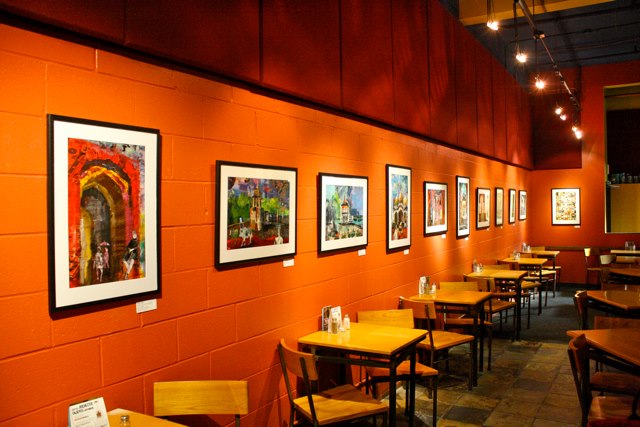
7 years ago, ‘This Heirloom” had its first showing at The Little Theatre. Since then it’s had a wonderful opening at the Colacino Gallery, Nazareth College, it was shipped all the way to California and exhibited at the Oakland Asian Cultural Center, it was part of APAA (Asian/Pacific Islander/American Association of Greater Rochester)‘s showing at Rochester City Hall, and it is now at the Douglass Auditorium at 36 King St., proud to be part of Current Seen – October 4 through November 17
celebrate palestine 2019
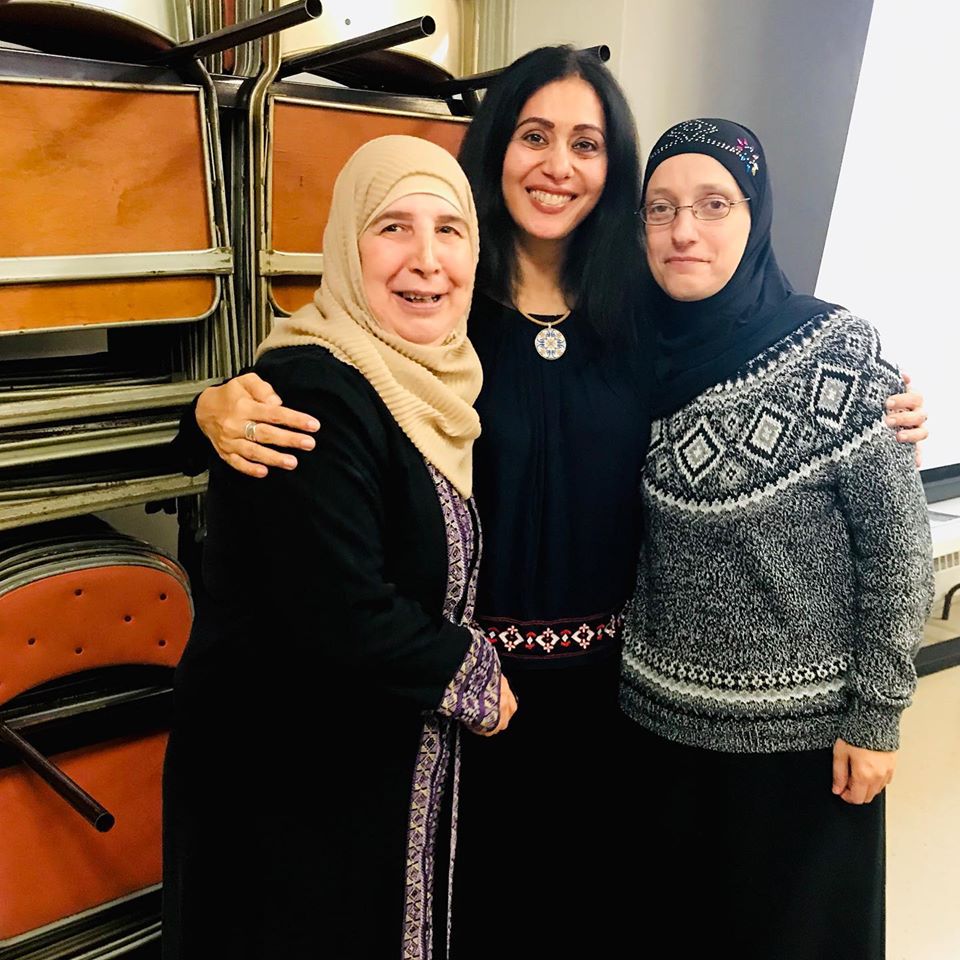
with ammi abbu and lovely friends at the #celebrate#palestine event at third #presbyterianchurch in @rochesterny – it’s an event i suggested years ago when i was on the planning committee of the witness palestine film festival
i also suggested the name ‘celebrate palestine’ because there was a need to highlight palestine’s rich #history and #culture thru #food#music and #storytelling
wonderful turnout today and brilliant presentations by @mahmoudkurd and nadia abuelezam @palestinianspodcast
we’re moving
dear rochester family
i don’t know how to find the right time or the right way to do this. i’d love to meet each and everyone of u and tell u in person. but maybe this is a good way to begin.
we will be moving to long island in march next year. i’m thrilled to be close to our kids (in nyc) and for AT’s excellent job, but i also feel disoriented and numb. i became an activist, a filmmaker, an artist whose work is exhibited, and most recently a college ‘professor,’ here in this city. my work, friendships, and the rochester community are deeply entwined. i don’t know how to separate one from the other.
i love u all and am grateful for all that i have learned from each and everyone of u, in the last 17 years. i hope to meet in person and talk more but most importantly, i hope to stay in touch.
who knows what this change will signal. i am determined to remain inspired by u and ur presence in the world.
talk about ‘this heirloom’ during current seen walking tour
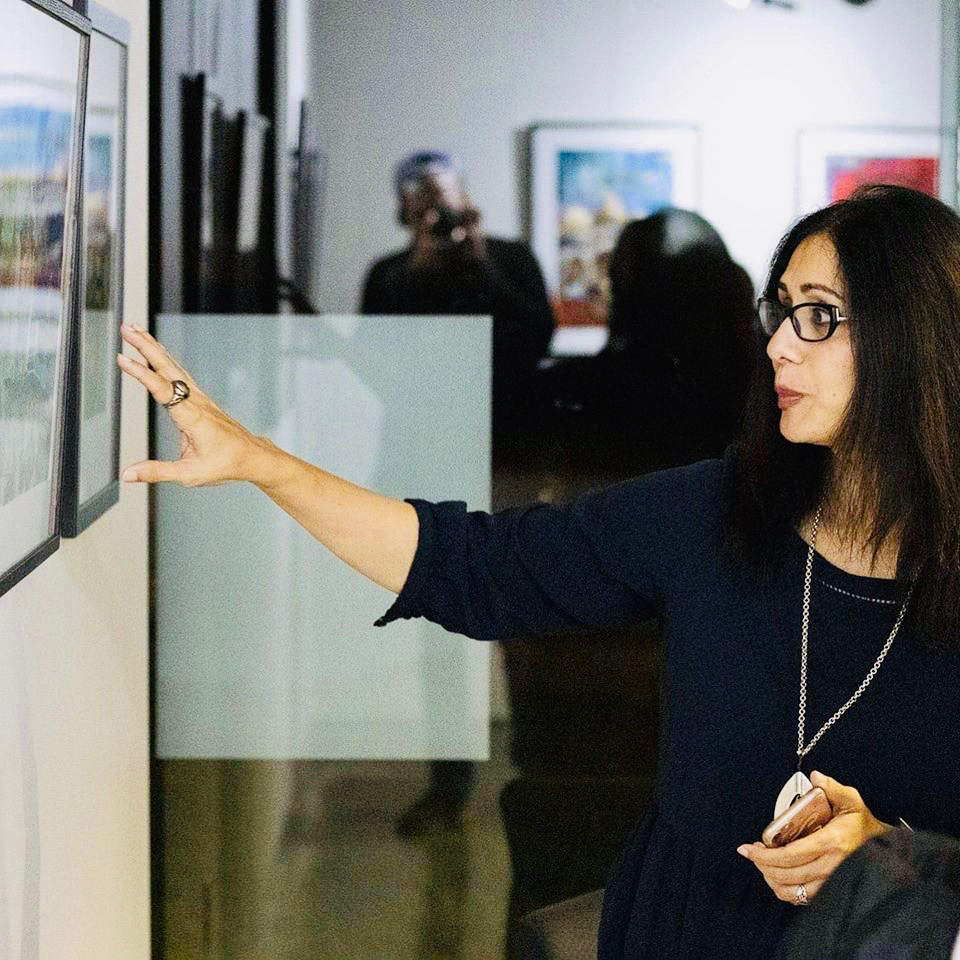
amanda chestnut and i will be talking about my art series ‘this heirloom’ when folx drop in at the Douglass Auditorium at 36 King St. join this ‘current seen’ walking tour on friday!
Student essays about ‘The Niceties’
So we saw ‘The Niceties’ at Geva Theatre Center last week. I had my students read Edward Baptist’s ‘We still lie about slavery: Here’s the truth about how the American economy and power were built on forced migration and torture’ which connects slavery to capitalist enterprise and the transformation of the American economy from a backwater to global hegemon. Later in class, Luticha A Doucette used Dr. Edwin J. Nichols’ ‘The philosophical aspects of cultural difference’ to analyze the play through a cultural/historical lens. Much of our syllabus connects back to ideas explored in the play, e.g. we saw a video about ‘Why is my curriculum white’ on the first day of class. I asked students to use all these texts and frameworks to write an analysis of the play. They wrote solid essays. This is how one of them began:
‘Attending a play at Geva Theater in the heart of downtown Rochester that consists of two characters conversing in an office for the entirety of the performance is not something many would think to be enjoyable. I truly did not enjoy this play, but that is because it opened my eyes to how small-minded I have been. This play was not enjoyable, it was eye-opening. The microaggressions and subtle racist and insensitive occurrences that were repeatedly pointed out throughout the play were things that I would not bat an eye at before seeing this play. However, after watching the performance and taking part in discussions that took an in-depth look at the deeper meaning behind the play, I understand the people who spend their lives struggling in a world dominated by whiteness.’
I wish I could have these students for an entire year [St John Fisher College Honors Program].
Stop the execution of Rodney Reed
This is urgent. On November 20th, Texas is scheduled to execute an innocent man for a rape and murder he did not commit.
Mountains of evidence exonerate Rodney Reed. All of that evidence was kept from the all white jury that convicted him. Instead, the evidence implicates the victim’s fiancé – local police officer Jimmy Fennell – who has a history of violence against women, including being convicted for kidnapping and sexual assault soon after Rodney was wrongly sent to prison.
Governor Greg Abbott has stopped an execution before. He can again. A huge public uproar right now could force Abbott to free Rodney Reed and stop this execution. Pls sign this petition.
After All It’s Always Somebody Else Who Dies
Adeela Suleman’s After All It’s Always Somebody Else Who Dies is a memorial to victims of violence in the artist’s home city of Karachi, Pakistan.
Suleman grew up in Karachi and studied sculpture at the city’s Indus Valley School of Art. She is known for her work exploring social and political issues, particularly the links between historic and contemporary violence. Up to 12 people a day are murdered in Karachi in gang-related or political attacks.
After All It’s Always Somebody Else Who Dies features a repeated pattern of metal shapes, which at first sight resemble handguns. On closer inspection they are revealed to be falling sparrows, each delicate bird a symbol of the victims of violence in Karachi.
Suleman employs metalsmiths with traditional handcraft skills to make her works, which echo the decorative traditions of the Mughal style. In Islamic South Asia weapons were often decorated so that their final appearance could be more like a piece of jewellery than an instrument of death.
After All It’s Always Somebody Else Who Dies draws attention to these juxtapositions of violence and beauty and responds to suffering with a suggestion that the human spirit is more inclined to creativity than destruction.
saying goodbye
thank u to the beautiful ladies who helped us finish a reading of the entire quran this morning and dedicated it to my khalajaan and my aunty shazi may they both rest in peace ameen
so thankful for community and for these important ways of saying goodbye…