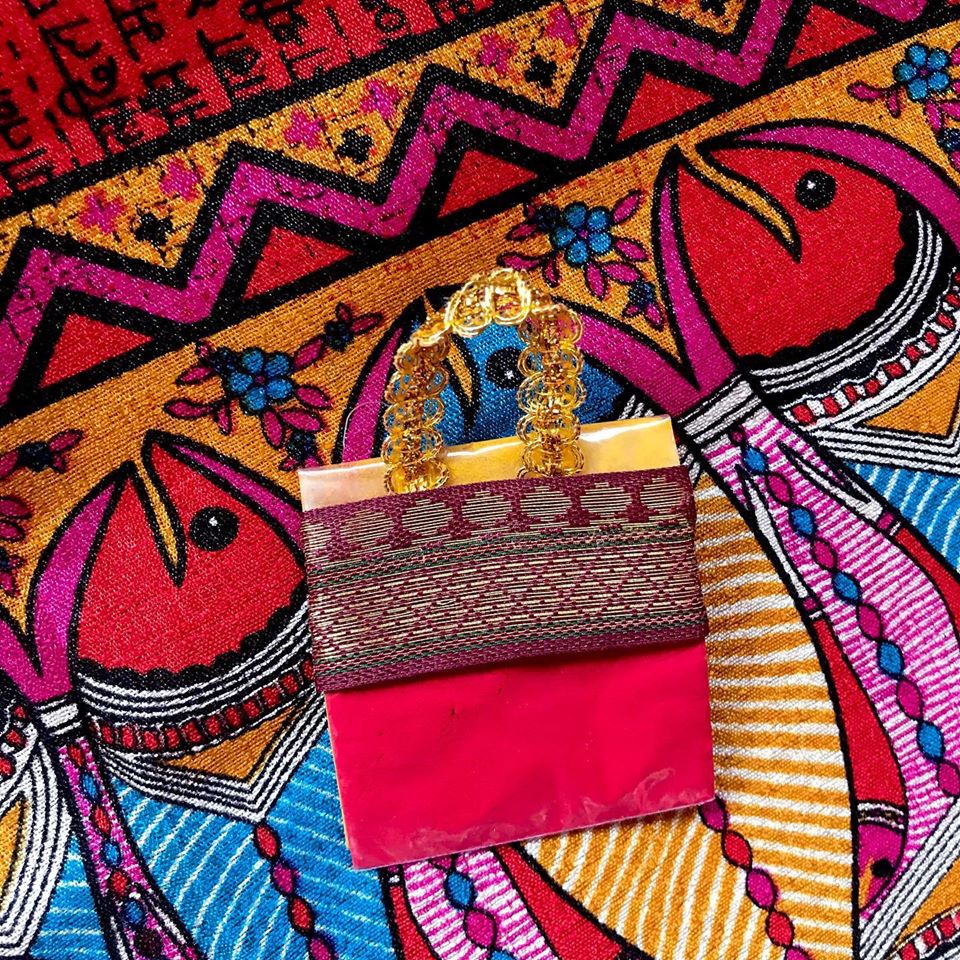
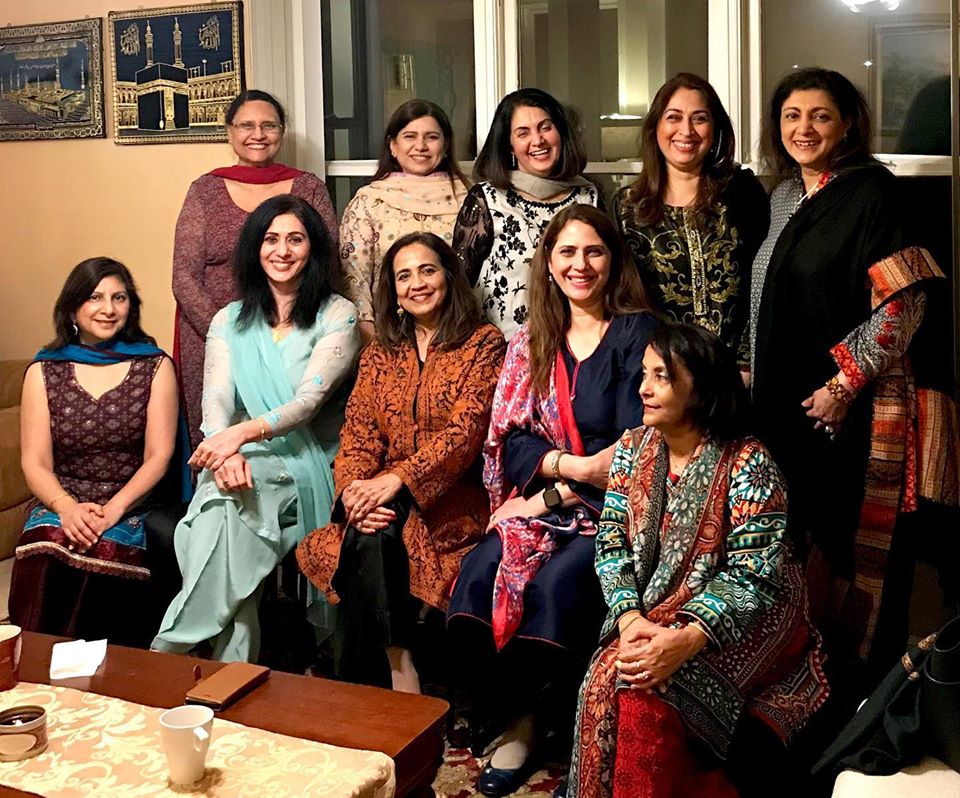
Haldi Kumkum ceremony, is a social gathering in India in which married women exchange haldi (turmeric) and kumkum (vermilion powder) – see the pretty sachet in the picture – as a symbol of their married status and wishing for their husbands’ long lives.
The ceremony is particularly popular in the western Indian states of Maharashtra, Gujarat, Rajasthan and Goa. In Tamil Nadu, it is celebrated as Aadiperukku aka Aadi monsoon festival.
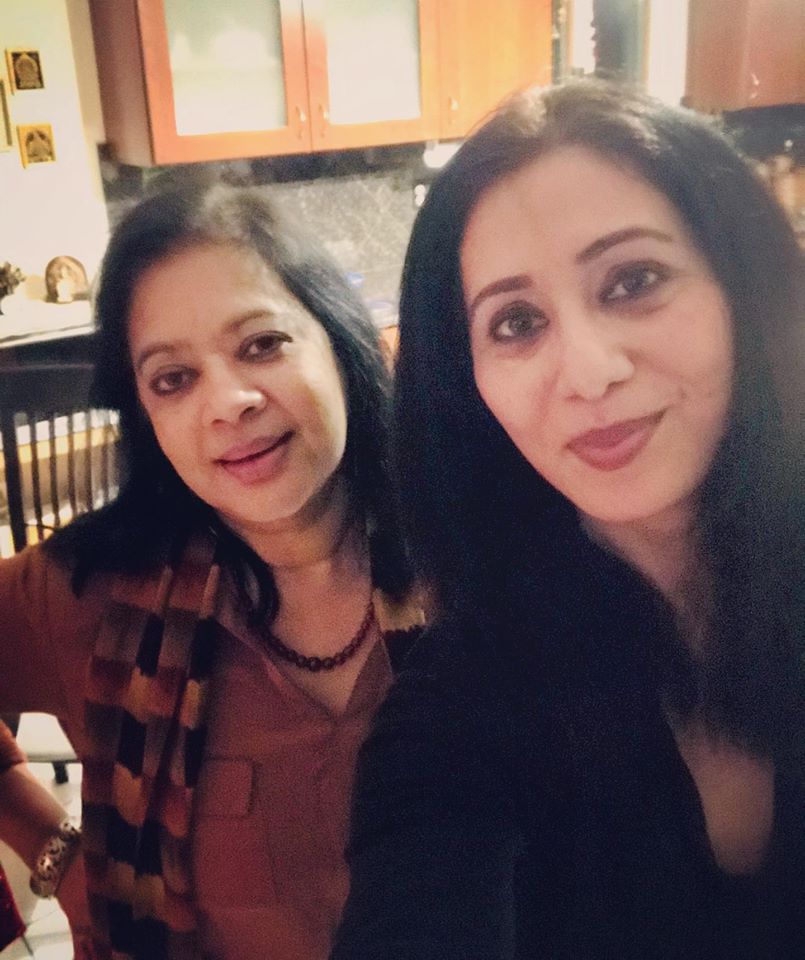
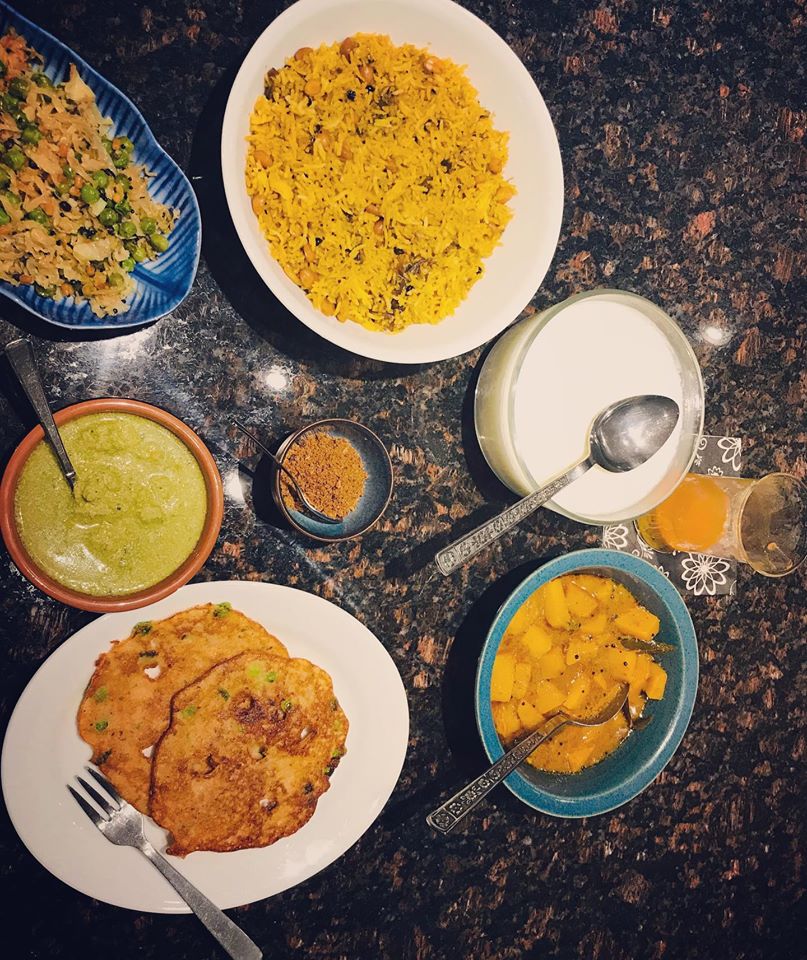
lovely, intimate dinner and #gupshup with the beautiful Janani Parthasarathi. janani treated me to tamil cuisine from the southern tip of india: delicious adai (pancake made with lentils and rice) that i sprinkled with gur (brown sugar from sugarcane), rasam which reminded me of karhi pakora, gojju made with tamarind and butternut squash, puliyore (a rice dish with peanuts), poriyal with cabbage and peas, and vella payasam (a fragrant kheer made with date sugar). there was also homemade dahi (yogurt) which took me back to pakistan. what a feast, what wonderful company. thank u janani.
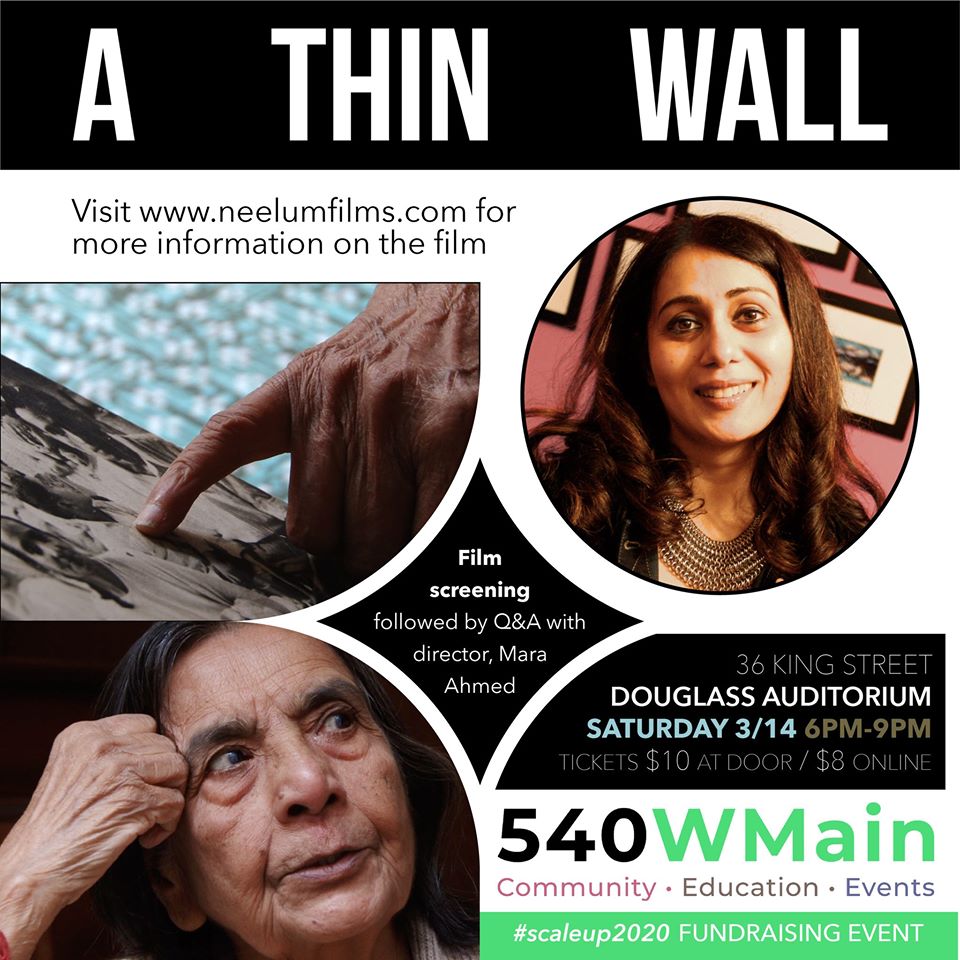
After the screening of ‘A Thin Wall’ there will be a Q&A discussion about the film, the 1947 partition, and the current news coming out of India.
I will be joined by Hibah Arshad, who will speak from personal experience about what it’s like to have family in India.
Hibah Arshad is a graduate of the University of Rochester. She majored in Psychology and is planning to pursue a career in medicine. She has been actively involved in interfaith efforts and community outreach for a number of years. She is a first generation Indian-American, and hopes to bring light to the impact that these recent events have had on Indian Muslims around the world.
My second co-panelist, for our post-screening discussion, will be Thomas Gibson. Tom will talk about British colonialism, the history of the RSS and European fascism. He will also locate the Delhi pogrom in a global, neoliberal context. Here is his bio.
Thomas Gibson is an anthropologist who has conducted extensive field research in the Philippines and Indonesia on religious nationalism, the indigenous peoples movement, and the legacy of Spanish, American and Dutch colonialism in Southeast Asia. He teaches courses at the University of Rochester on Radical Social Theory, American Empire, and Political Ontology.
Sat. March 14 // 6-9 PM // 36 King Street
Tickets on sale now:
$8/online // $10/ at the door
http://tiny.cc/540thinwall
Secular Talk @KyleKulinski If you believe in real change I’m humbly asking you to back Bernie tomorrow. You see how panicked the establishment is & how they’ll stop at nothing to take him down. That should tell you something powerful.
when i was working on ‘a thin wall,’ some people questioned its relevance. after all, why would something that happened in 1947, on the other side of the planet, in south asia, have any relevance for the world in the 21st century.
the advent of fascism in india along with the recent violence unleashed on minorities, especially the anti-muslim pogrom in delhi, have everything to do with the partition – with ethnonationalism, racial supremacy, and ideas of separation and ‘purity.’ many have likened the pogrom to kristallnacht in 1930s germany. there are also astounding similarities to the incitement and killings of 1947.
so far there has been no public discussion in rochester about the unraveling of india, what arundhati roy describes as follows:
‘A democracy that is not governed by a Constitution and one whose institutions have all been hollowed out can only ever become a majoritarian state. You can agree or disagree with a Constitution as a whole or in part – but to act as though it does not exist as this government is doing is to completely dismantle democracy. Perhaps this is the aim. This is our version of the coronavirus. We are sick.’
pls join us for a vigorous post-screening discussion and learn more. this can happen anywhere, especially in the US where fascism has already become a reality.
spent the afternoon with the remarkable ruhi maker – lawyer extraordinaire, activist committed to racial justice, powerful change-maker. i always feel i’m home when i’m with ruhi.
His poetry is ‘so deeply engaged with the historical, political, and spiritual landscape of his life that biography and bibliography seem almost arbitrary distinctions. Priest, social activist, and the former Minister of Culture in Sandinista Nicaragua, Cardenal is the most urgent and eloquent voice in a country of poets and revolutionaries, a cultural icon whose life and writings have altered history.’
From Cantiga 2: The Word:
Each person is for another person. I am not I rather you are I! One is the I of a you or one is nothing.
I am nothing more than you otherwise if not I am not! I am yes. I am Yes to a you, to a you for me, to a you for me. People are dialogue, I say, if not their words would touch nothing like waves in the cosmos picked up by no radio, like messages to uninhabited planets, or a bellowing in the lunar void or a telephone call to an empty house.
(A person alone does not exist.) I tell you again, my love: I am you and you are me. I am: love. [Translated from the Spanish by John Lyons]
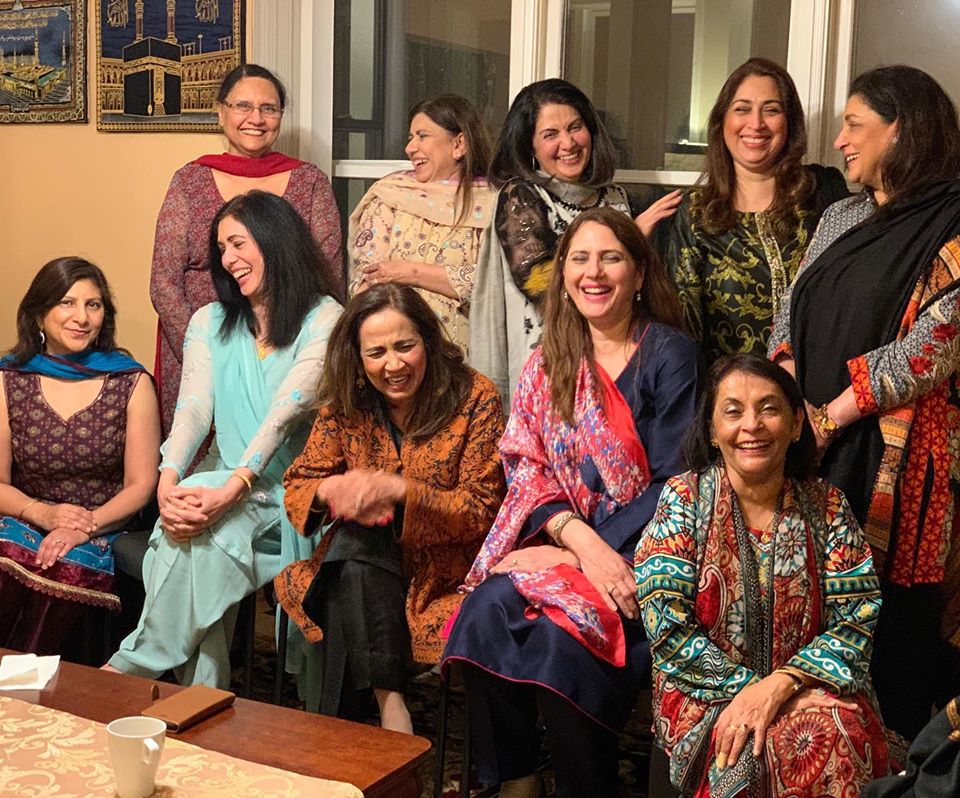
magnificent dinner at shahana’s house with lots of yummy food, wonderfully intimate conversations about people we love and admire, and loads of laughter.
rochester friends, this will be a final screening of my film ‘a thin wall’ before i move away. what better venue than 540WMain, Inc. a wonderful collab with Calvin Eaton and a way to raise some funds for community work. if u haven’t seen the film, pls join us. i will be there for a discussion afterwards 🙂