
AYMANN ISMAIL: I was hooked right away, starting with the moment France pronounces Minhaj’s name correctly. That may not seem like much, but as a Muslim who has wasted way too much of his life teaching people how to pronounce my name (“It sounds like Matt Damon, except without the D”), there was already a giant smile on my face. Minhaj radiates joy, and then France radiates that same joy when Minhaj pronounces his name correctly. I was beaming watching more handsome versions of me quip about a life I recognize. Is this how most people feel when they watch TV? More here.
Movie night with friends
Movie night at my dear friend Shahida’s. We got to watch Satyajit Ray’s Charulata and enjoyed haleem, samosas and chaat while drinking tea. A lovely girls’ night out!

What is Homonationalism?
brilliant.
iyengar yoga
have been doing iyengar yoga. never knew there was so much to breathing.
AALDP Class of 2018 graduation
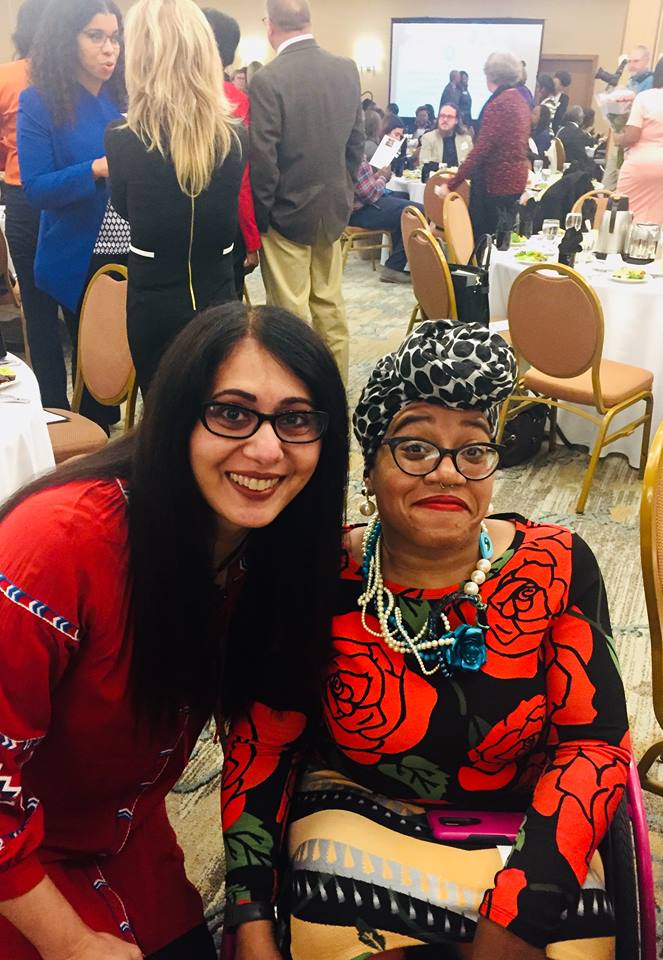
At the African American Leadership Development Program (AALDP) Class of 2018 graduation – so proud of u my brilliant friend Luticha A Doucette! U will change the world!
I’m reading a new piece this Sunday at the Spirit Room
I love this poster! Thank u Rachel McKibbens. The Spirit Room, Rochester, this Sunday at 7pm!

Kundiman at the Spirit Room: A Fall Reading
Dear friends, I am honored to be #reading my work with #Asian American writers and poets Albert Abonado, Chen Chen, and Margaret Rhee at The Spirit Room in #Rochester #NY on Sunday, Oct 28 at 7pm. I’ve written a brand new piece about the languages I love and live in. I am thrilled to share it with u. Hope u can make it! Thank u Sejal Shah for organizing this.
When the Klan Came to Town
MICHAEL MCCANNE: In response to white supremacist organizing in our own time, radical voices on the left, notably Antifa, have drawn on the tradition of European resistance to fascists to declare that the appropriate response to racist organizing is physical opposition, doxing (publicly “outing” racists), and violent retaliation. Liberal critics, on the other hand, have argued that Antifa tactics break with U.S. traditions of free speech, open debate, and civility. For the most part, both sides of the debate fail to note that the United States has a long history of homegrown militant resistance to racist organizing. In the 1920s, when the Klan sought to secure a place in the U.S. political mainstream by organizing large public demonstrations and mounting electoral campaigns, anti-Klan organizers confronted the KKK using a range of techniques that included open ridicule and violence. Their goals were similar to anti-racists of today: expose the bigots and deny them the ability to march or rally in public. This all-but-forgotten story serves to remind that as long as racist and xenophobic movements have mobilized in this country, Americans have struggled to confront and expose them using every option at hand.
[…] The number of white supremacists organizing today is nowhere near that of the 1920s. But their ranks have increased since the 2016 election, and they are gaining influence in the government and at the margins of electoral politics, riding high on a wave of xenophobia and perceived white victimization. Opposition to them is also growing, but so far only on the hard left. This history reminds us, though, that firm and sometimes violent opposition to racists is a time-honored American tradition, one that has in the past enjoyed support from across the political spectrum, by citizens who may have agreed on little else. More here.
ON THE BANK by Arseny Tarkovsky
Translated from the Russian by Robert Chandler
He was sitting by the river, among reeds
that peasants had been scything for their thatch.
And it was quiet there, and in his soul
it was quieter and stiller still.
He kicked off his boots and put
his feet into the water, and the water
began talking to him, not knowing
he didn’t know its language.
He had thought that water is deaf-mute,
that the home of sleepy fish is without words,
that blue dragonflies hover over the water
and catch mosquitoes or horseflies,
that you wash if you want to wash, and drink
if you want to drink, and that’s all there is
to water. But in all truth
the water’s language was a wonder,
a story of some kind about some thing,
some unchanging thing that seemed
like starlight, like the swift flash of mica,
like a divination of disaster.
And in it was something from childhood,
from not being used to counting life in years,
from what is nameless
and comes at night before you dream,
from the terrible, vegetable
sense of self
of your first season.
That’s how the water was that day,
and its speech was without rhyme or reason.
our skylight. tonight.

No Home but the Heart
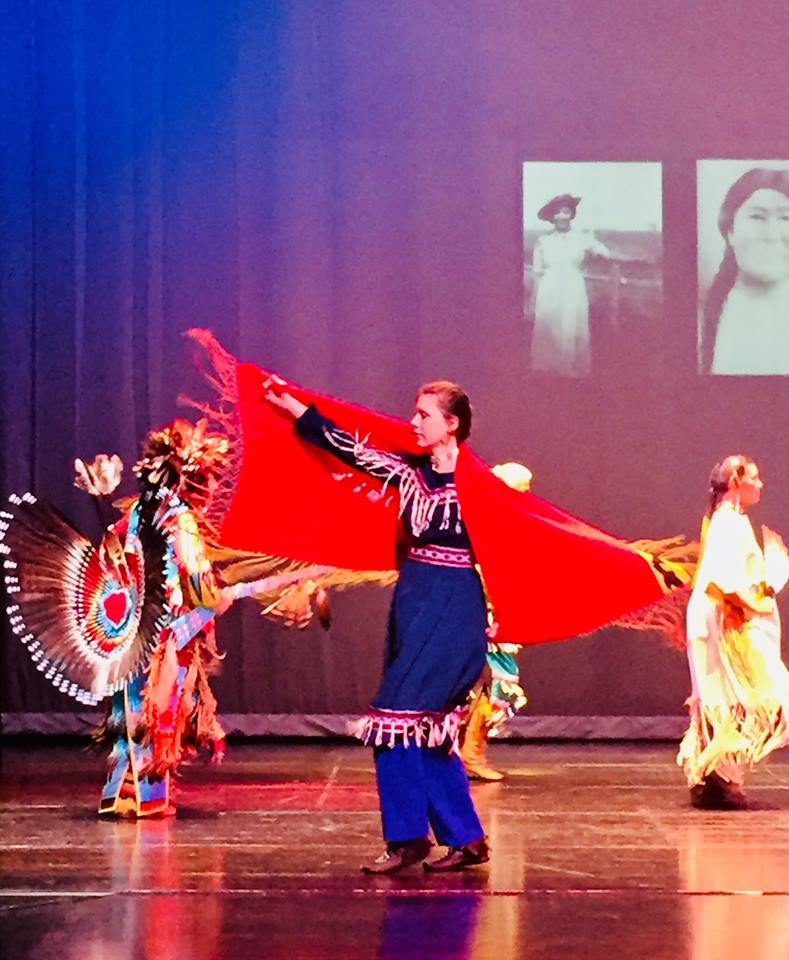
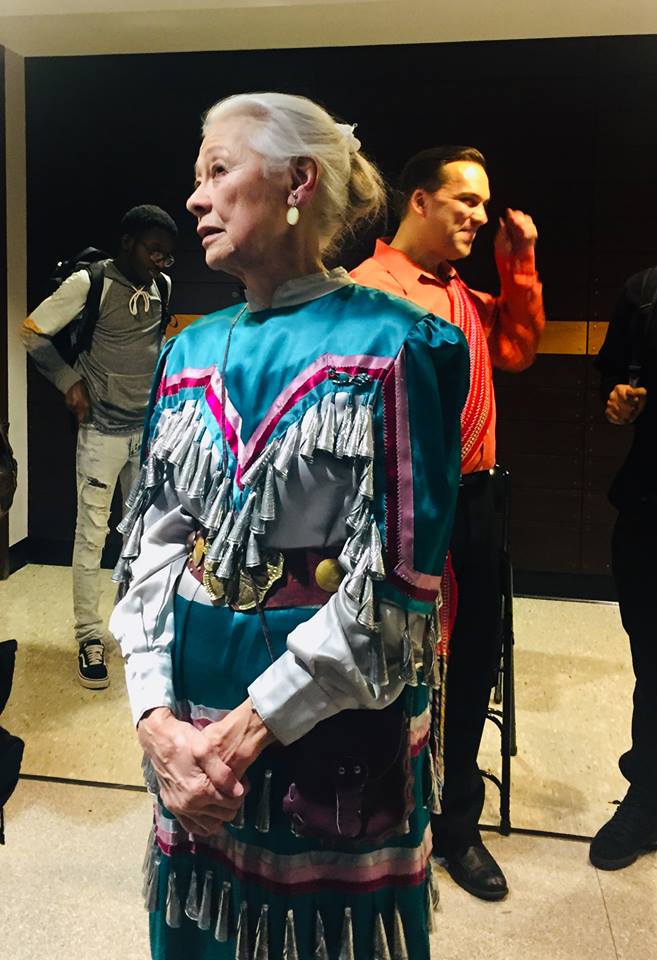
With Ammi Abbu at Rosalie M. Jones’s “No Home but the Heart – An Assembly of Memories/Contemporary Dance-Drama of Indian America” at MCC Theater today.

Fiction: Songs of Silence
Muneeza Shamsie: The quietness with which Hussein portrays turmoil and self-doubt adds to the power of his stories such as the tight, intricate and moving ‘Lady of the Lotus’. This multi-layered tale vividly recreates Karachi in the 1950s: its elegant parties, cultural evenings and soirees. Hussein interweaves brief jottings from the diaries of his gifted mother, Sabiha Ahmed Hussein, capturing her profound love for classical music and her singing lessons by famous maestros. The narrative is skilfully constructed through a series of vignettes in the first- and third-person, which weld past and present to great effect, to tell of creativity, self-expression, self-doubt and loss. A brief reference to her longing for rain — so rare in Karachi but so abundant in her native Malwa, India — imbues the story with a myriad of metaphors, including an intertextual engagement with the famous Malwa folk legend which gives Hussein’s story its name. Music as an innate expression of the human experience also runs through ‘The Hermitage’. Here, the loud joyful singing of a nun and the painful soaring voice of a monk, juxtaposed against the disciplined, traditional chanting of their colleagues at a monastery, release the abbott Siddhant’s suppressed memories. More here.
Saudi prince admits US told monarchy to spread extremist Wahhabi Islamist ideology to combat communism
Ben Norton: Saudi Arabia’s de facto ruler, Crown Prince Mohammed bin Salman, has admitted that the monarchy spread its extremist far-right Sunni Islamist ideology known as Wahhabism throughout the Muslim-majority world, at the behest of its “allies.”
The Saudi regime did this expressly in order to undermine the growing influence of communism and progressive secular Arab nationalism, the prince acknowledged.
The allies who ordered the Saudi regime to propagate this fascistic form of political Islam were not specifically named, but it is clearly a reference to the United States and the United Kingdom, which supported right-wing Islamist movements throughout the Cold War.
Mohammed bin Salman, known popularly as MBS, confessed this quietly in an interview with The Washington Post, published on March 22nd. More here.
Last night in Toronto
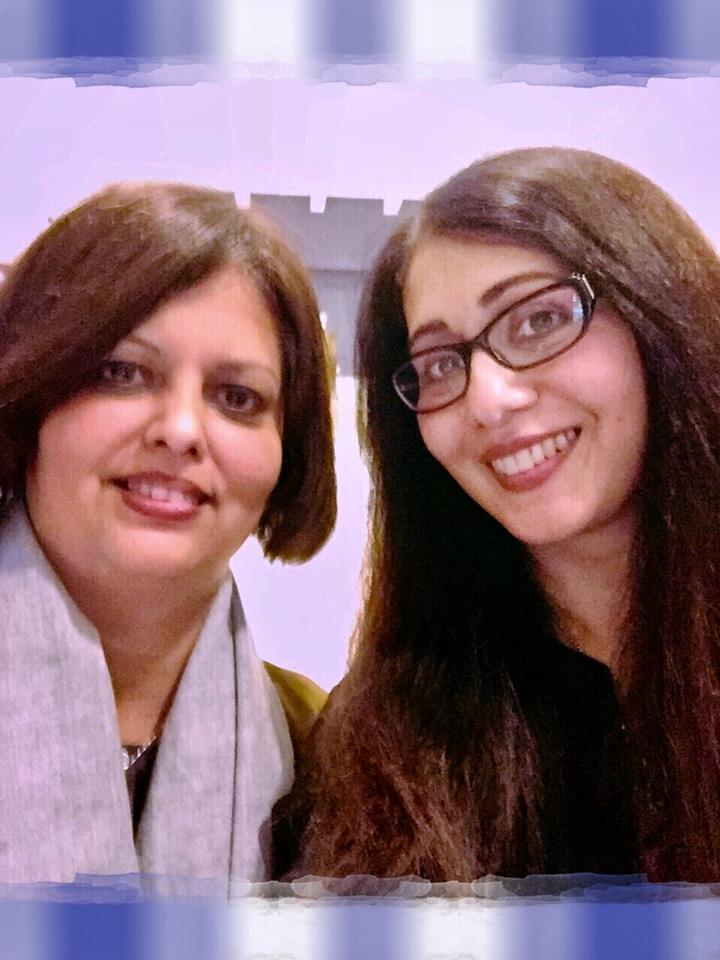
Last night, with my BFF Amra ♥
Sunday in Toronto
More family, excellent food, and gupshup 🙂
