Cambodia – some history

First things first: Siem Reap means “Thailand defeated” – Siem as in “Siam” or Thailand’s Western designation, probably rooted in Portuguese, and Reap meaning to defeat. Cambodia has a long, contentious history with Thailand starting with hostilities during the Angkor era (13th c), the Thai capture of Angkor Thom in 1431, and the invasion of the new capital Lovek in 1594, which signaled the beginning of a decline for Cambodia. The country remained Thailand’s protectorate until the late 17th c when Vietnam settled and annexed the Mekong Delta, limiting Thai influence.

Foreign encroachments continued into the 19th c until Cambodia became a French protectorate (1863-1953). During the Cold War, the Khmer Rouge came into power, a genocidal regime supported by the US and China. They were ousted in 1979 by the Vietnamese with support from the Soviets. Vietnam withdrew its troops in 1989, after looting the country bare, and the Cambodian monarchy was restored in 1993. Such a tumultuous history for a small country of 15 million people.

Today, as we were driving back from Beng Mealea (the 12th c Lotus Pond temple that’s become one with the jungle surrounding it), a 2-hour drive from Siem Reap, located near the Kulen mountain from which the sandstone used to build Angkor Wat was quarried, I asked our guide, Chamrong, about the Khmer Rouge. I asked him about the prison camps and stories of how intellectuals (in fact anyone who was deemed literate or wore glasses) were exterminated. I was left speechless when Chamrong told us very calmly that it was all true: “My father was a teacher and was killed by the Khmer Rouge.” He told us about his childhood memories, like the landmines in a field right behind his house and how a cow or stray dog or someone from out of town would die there every other day.

Some 10 million mines were laid in Cambodia, mostly after 1979 when the Khmer Rouge were fighting the Vietnamese-backed Cambodian government. Cambodia has the highest per capita number of amputees in the world – one out of every 350 people. Many amputees can be seen playing music in touristy spots in order to get by. Chamrong told us how Siem Reap itself had changed dramatically in his lifetime. It became a major tourist destination around 2007. People began to move into the area in order to find employment in the tourism industry and that’s when a lot of the mines were cleared.

Beng Mealea, Cambodia

Zhujiajiao

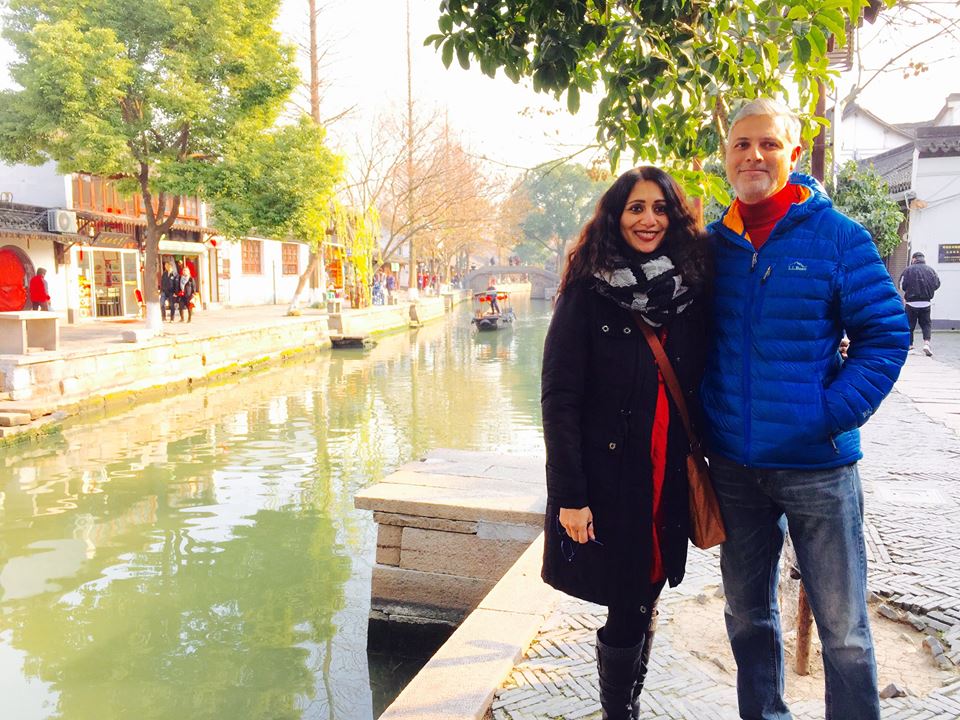
Yesterday we drove more than an hour to visit the 1700-year old water town of Zhujiajiao. Built during the Ming-Qing dynasties and situated along Dianshan Lake, it’s often called Shanghai’s Venice because of the many canals that run through it. The town has 36 distinctive stone bridges, Fangsheng Bridge being the most iconic one. It spans the Caogang River and was originally built by a monk in 1571, then rebuilt in 1812. The bridge’s central arch is decorated with eight dragons surrounding a pearl, all carved in stone relief, and its pillars are in the form of sculpted lions. The town’s main thoroughfare is North Street, hundreds of years old and full of teahouses, art shops, and what looked like many different kinds of pickled meats. Wooden boats, that reminded me not only of Venetian gondolas but also of Kashmiri shikaras, can be seen traveling down waterways throughout the town. Quite a change of pace from Shanghai.

Zhujiajiao [photograph by my daughter]

Shanghai and Lahore

Instead of a fancy schmancy breakfast at the hotel, my son opted for some authentic Chinese food. We stepped into this tiny dim sum place where the locals had queued up. With the help of hand gestures, iTranslate, and the kindness of a young woman who left her lunch in order to help us out, we were able to order some chicken, steaming noodles and dumplings, and scallion pancakes fried to a golden crisp, their delicate layers as delicious as those of a paratha. This sustenance was much needed as we explored the city with Mr Liu all day: Yuyuan Bazaar in the center of Shanghai’s old town, the Bund and its stunning views of the financial district, the Jingan and Jade Buddha Temples and finally, Tianzifang in the French Concession.

Throughout I felt this ease, this comfort. The weather reminded me of Lahore in December – cold but livened up with bright, warm sunshine. The loud, motley chorus of bird calls early in the morning overlaid with the sound of sweeping brooms, the smog, the smells, the burning of incense in temple courtyards, and the mixture of old and new are all very familiar. What’s surprising is that for a mega city of 24 million (compared to Lahore’s 8-10 million) the traffic is stunningly quiet and relaxed – lots of bikes and electric scooters, and people can cross streets without any frenzied running or honking, sometimes in the absence of traffic signals. Also, the city is amazingly clean – cleaner than Lahore, cleaner than Paris, cleaner than New York. It’s all part of Chinese efficiency, which I must acknowledge – started with our flight on China Eastern Airlines and continues with all the help at the hotel, the service at every restaurant, the process followed at every bus and trolley stop, and every tourist destination. It’s seamless.

I loved Tianzifang and its maze of quaint alleyways, artsy shops, cafes and tea houses. Loved the French Concession generally. Not its history of colonialism (the area was built by the French in the aftermath of China’s loss in the Opium Wars in 1842, when Shanghai was forcefully transformed into an international “port of call”) but its plane trees – lush trees that line every single boulevard, their white bark and dramatic branches creating a canopy of shimmering leaves over some of the narrower streets. Their splendid lines fashion the entire neighborhood.

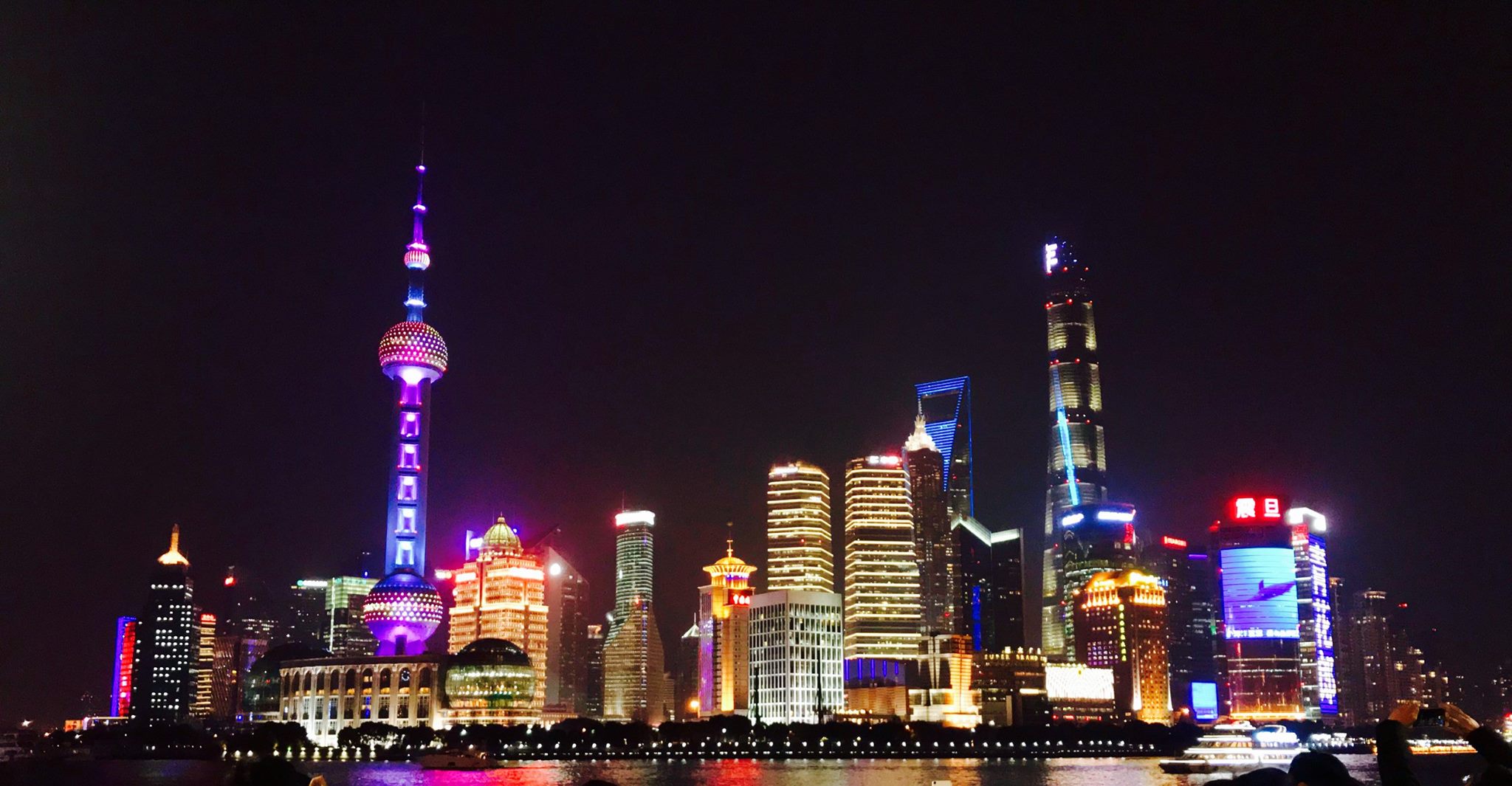
At night we returned to the Bund to catch a glimpse of Shanghai’s famous skyline, all lit up and reflected brightly in the Huangpu River. The perfect end to a very busy day 🙂

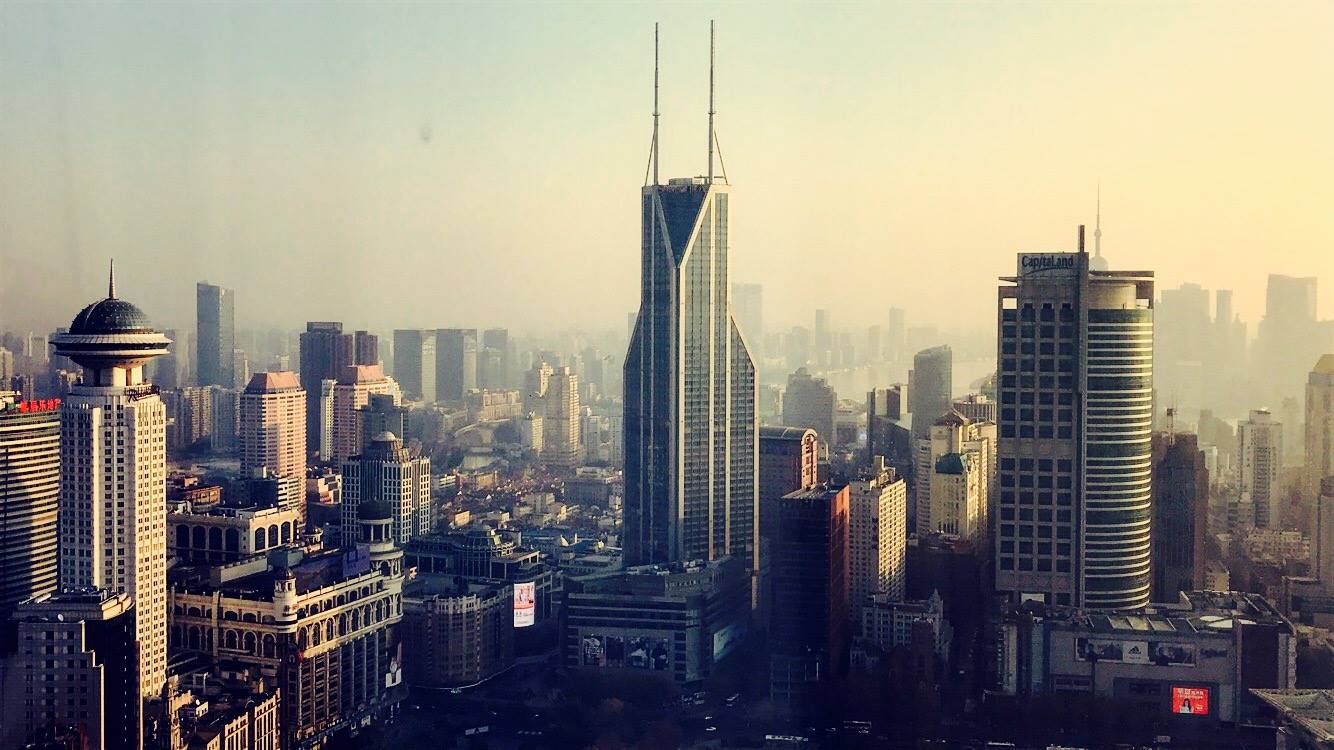
View from our room [photograph by my son]

Jingan Temple

View of financial district from the Bund [photo by my son]

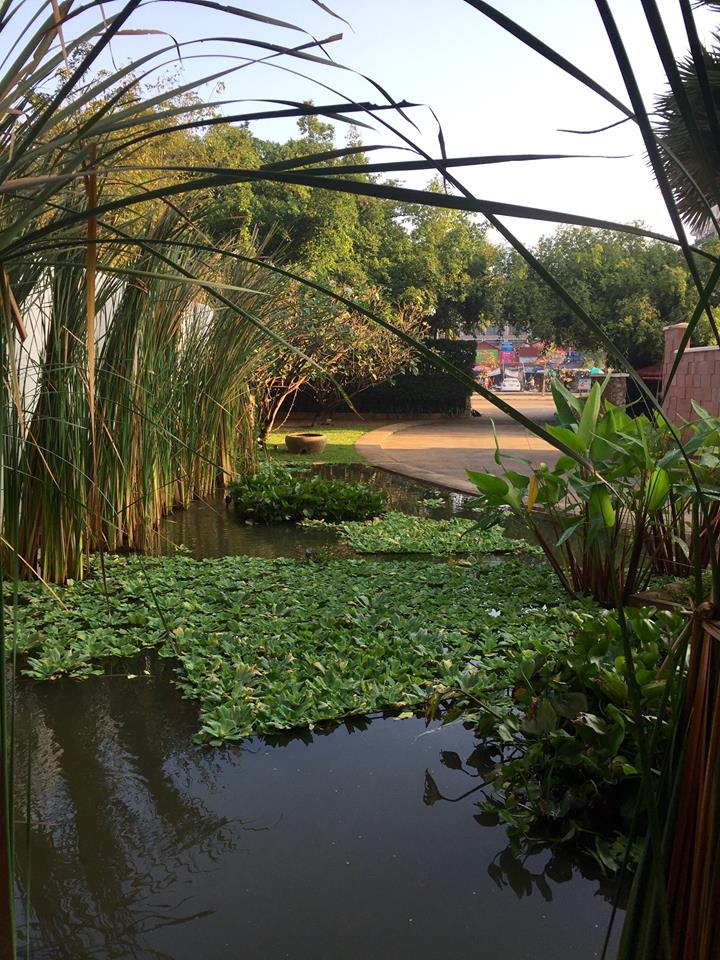
Park next to our hotel in Shanghai

In China!

Seek knowledge, even unto China. I grew up with this edict, words spoken by the Prophet Muhammad a long time ago in the 7th century. I loved the idea – not only because of China’s geographic distance and the arduous challenge of setting foot on its shores, or the wisdom of celebrating China’s achievements in literature, philosophy, government, medicine, paper making (and what it meant for writing and publishing) and much more, but also because I admire the push, the urge to expand one’s horizons, to go forth and meet the unknown, and be transformed by it. Well, here I am, finally. Can’t wait to get started 🙂

home!

back home in rochester! on my way to easton, PA, i saw such gorgeous trees. at this time of year, they have lost most of their leaves so their sculptural elegance becomes more striking. what leaves are left dot their branches with such delicate sparseness and resolution that i couldn’t quite find the words to describe their overall effect. paintings by raoul dufy come closest to expressing what i want to say.

Lecture and Screening at Lafayette College

Such a busy day today. Breakfast at Lafayette Inn, followed by a presentation about my work to a class studying the Partition of the Indian Subcontinent at Lafayette College. Lunch with Lafayette profs Hafsa Kanjwal and Nandini Sikand. Later at 5pm, dinner with Hafsa, Rebekah Pite, and their v lively, v bright students at El Chasqui Peruvian and Colombian Restaurant. Finally, a screening of A Thin Wall at Landis Cinema, Buck Hall, at 7pm, and then an engaging conversation with the audience. My stay in Easton, PA, has been beautifully organized, fun, and productive. Thank u for all of it Hafsa Kanjwal!

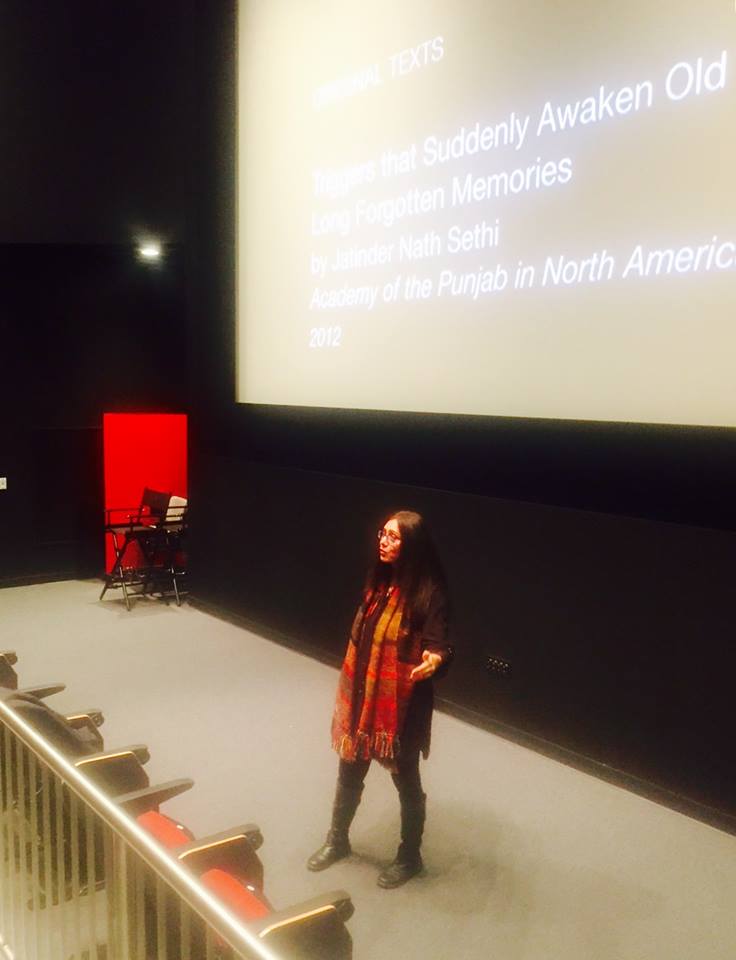
mara ahmed at lafayette college

mara ahmed with lafayette students

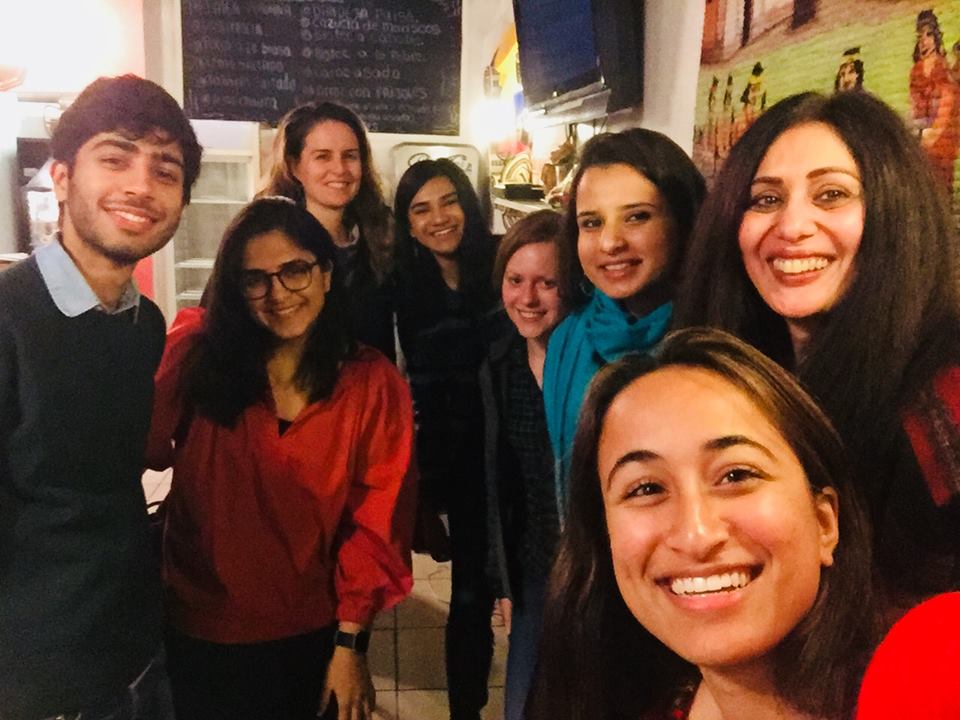
dinner with lafayette students

mara ahmed at landis cinema

Tapestries – Voices Within Contemporary Muslim Cultures

Leaving for PA tomorrow morning. A Thin Wall is going to be part of TAPESTRIES – Voices Within Contemporary Muslim Cultures on November 13, 2017.

Tapestries is made possible in part by a grant from the Association of Performing Arts Professionals, Building Bridges: Arts, Culture, and Identity, a component of the Doris Duke Charitable Foundation and Doris Duke Foundation for Islamic Art.

Why Freddie Mercury’s Voice Was So Great, As Explained By Science

in the last couple of days i’ve driven about 13 hours and listened to a lot of music. two of the voices i’ve always found most captivating are those of michael jackson (the dark, smokey lows as well as the hearbrokenness it can embody) and freddy mercury (didn’t know that “his unusual finesse might be attributed to a high vibrato frequency—a couple notches higher than your standard, classically trained singer” and that scientists have discovered “evidence of subharmonics in mercury’s voice, apparently due to vibrating ventricular folds, a technique that makes tuvan throat singers sound so otherworldly”). more here.