return to the root of the root of your own soul

heartbroken this morning. the world has lost a beautiful human being, an incredible mind and an even more incredible heart and soul. blessed to have known u dear ryan. may u rest in peace my dear friend. ur kindness and generosity, ur calm intelligence, ur love of justice and beauty, ur ability to connect with warmth and honesty, ur stunning humility, ur fine presence in the world will continue to shine. may ur family find strength and solace in that harmonious light. it has been an extraordinary honor.

Although you appear in earthly form

Your essence is pure Consciousness.

You are the fearless guardian

of Divine Light.

So come, return to the root of the root
of your own soul.

When you lose all sense of self

the bonds of a thousand chains will vanish.

Lose yourself completely,

Return to the root of the root
of your own soul.

(Maulana Rumi)

ryan hunt
ryan hunt

kindertotenlieder at the eastman school of music

so powerful to come across this piece in post magazine when i just saw mahler’s “kindertotenlieder” at the eastman school of music last night. mahler’s song cycle is based on poems by friedrich rückert. rückert wrote the 428 poems known collectively as “kindertotenlieder” in 1833-34 as an outpouring of grief following the death of two of his children. in this sobering audio-visual presentation, directed by dr emil homerin, mahler’s music and rückert’s hearbreaking words are interspersed with facts about child mortality in rochester both in the 1900s and now. it’s shocking (and shameful) that 50% of rochester’s children live below the poverty line. only three other american cities have higher child poverty rates than rochester: detroit, cleveland and dayton, ohio. of course, the affluent live as well as in any other wealthy city of the world. such inequity and injustice. we are all responsible. more about the fringe festival’s presentation of kindertotenlieder here.

muslim women activists visit rochester

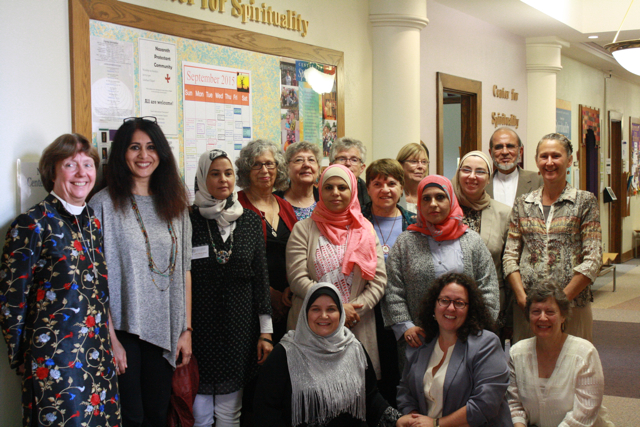
met women activists from jordan, iraq, egypt, saudi arabia and palestine to talk about “how dialogue, education and community building contribute to harmonious living in a pluralistic world and the role of faith based organizations in responding to social change.” altho these topics are interesting, i felt that we were not able to mesh them with the realities lived by these incredible women, in the short time that we had. i would have liked to hear from them and then perhaps tried to explore some overlaps or some opportunities for partnering. but explaining to them how interfaith dialogue works in the US, when we are not at war, or under occupation, or oppressed by a military or dictatorial regime, seemed out of touch. yes, education is important and so is interfaith work, but what about the ongoing wars which are ravaging the countries these women call home? as americans, we have something to do with that. if interfaith dialogue is about respecting the other, if it’s about listening and then talking things thru, if it’s about negotiation and transformation rather than confrontation and attack, then why can we not apply these princliples to macro-level decisions that would transform both domestic and foreign politics? it’s an astounding disconnect. one of the women, a project manager from ramallah, called us out by pointing to the politics of zionism and how interfaith coexistence was disrupted in palestine after 1948. she asked: “how can we have interfaith dialogue when our holiest religious sites are being attacked and we are not allowed to pray there?” legitimate questions which were addressed by how, as interfaith practioners in america, the word zionism was painful for us to hear because it didn’t account for the pain of israeli jews and arabs. unfortunately, it’s this complete unplugging from reality which comes across as overly arrogant and hopeless. the women activists were amazing though – wish i could have had hours and hours of honest, one on one conversations with each and everyone of them.

muslim women activists visit rochester

Rochester Fringe Festival: Vivien Leigh: The Last Press Conference

Sept 20, 2015: just saw this at the eastman house. good performance by marcy savastano, whom i had seen in “edge” some 6 years ago, a play about sylvia plath’s last day on earth. she has mastered the art of the one woman show: so much energy, emotion and dialogue compressed into time and space, with the eyes of the audience fixed on her intently throughout the performance. probably what vivien leigh herself must have felt like many times during her life. more here.

womanism i believe in

had a lovely lunch with friends today and got to taste some delicious, homemade iraqi food: a yummy mushroom soup with just a tiny touch of tartness, kubba (a dish made of bulgur, minced onions, ground beef and raisins), dolmas as well as stuffed onions (which had a slight sweetness to them on account of the onion rolls), sambusaks (pastries filled with cheese or ground chicken), an iraqi version of spanakopita, ayran which is a cold yogurt drink mixed with salt and tastes a lot like salty lassi and finally some lovely iraqi tea with cardamom served in a beautiful tea set (a wedding present brought over from iraq). so happy for my friend, our wonderful chef and hostess, who has survived the war in iraq, three years in jordan, another fresh start here in the US which included going back to medical exams and doing a 3 year long, grueling medical residency, after having worked as a doctor in both iraq and jordan. she did all of this with grace and good humor and two small kids. that’s an arab woman for u. that’s a muslim woman for u – a hijabi, no less. that’s the kind of womanism i believe in.

sept 11, 2015

14 years on, the aftermath of neocon aggression and preemtive wars continues: the justification of torture, the invention of a new class of human beings (detainees) who have no human rights, the destruction of iraq and afghanistan, the continuation of heavily funded proxy wars in the middle east, the toxic fallout from weapons used on civilian populations from fallujah to gaza, the creation of millions of refugees, the violence that continues to be committed on the poorest and most vulnerable people of the world and the world’s unwillingness to take responsibility for any of it. there’s a lot to remember and come to grips with today.

vieux quebec

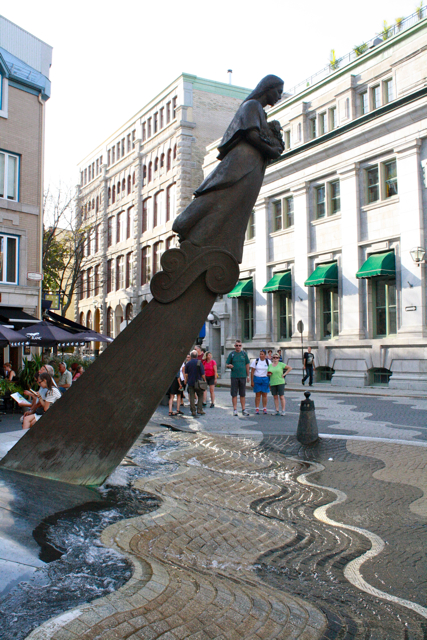
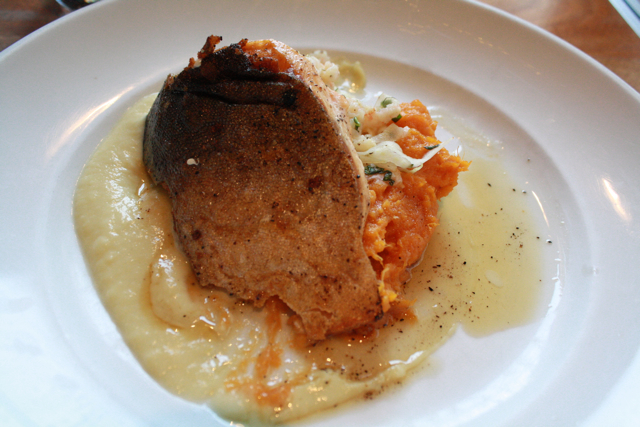
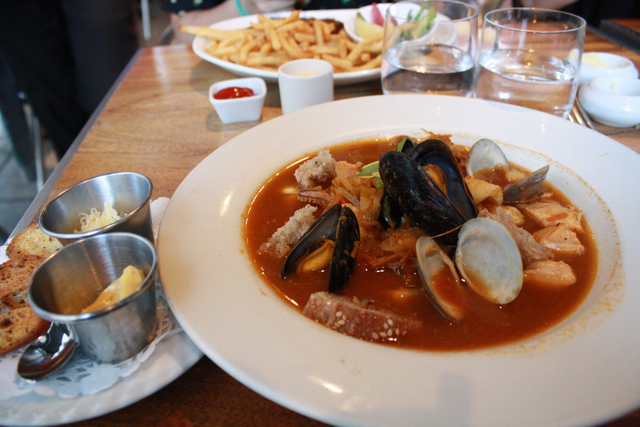
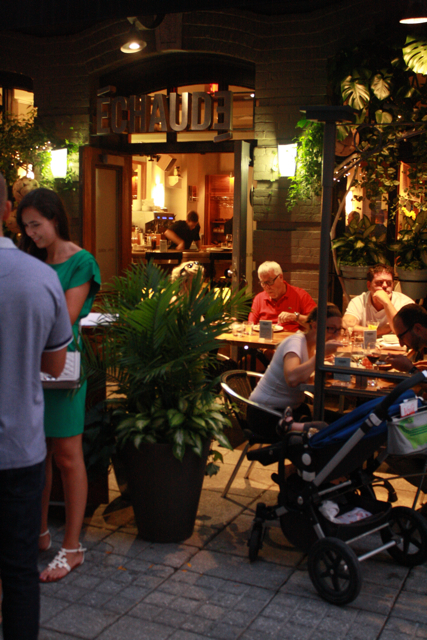
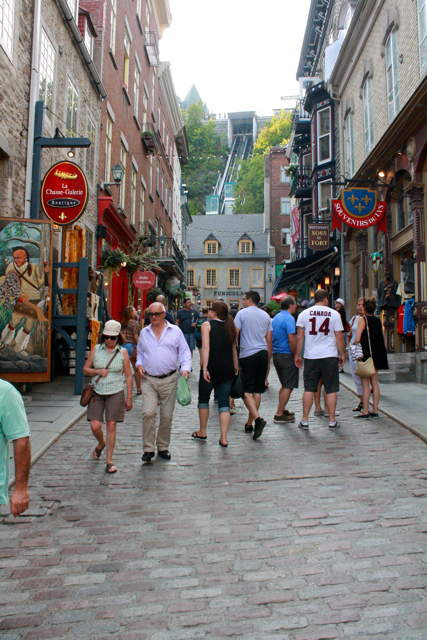
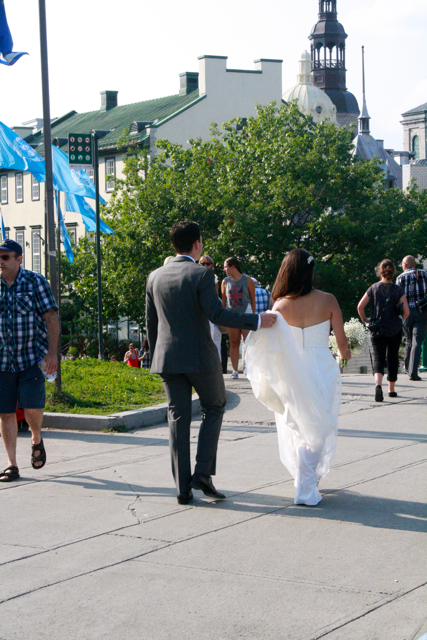
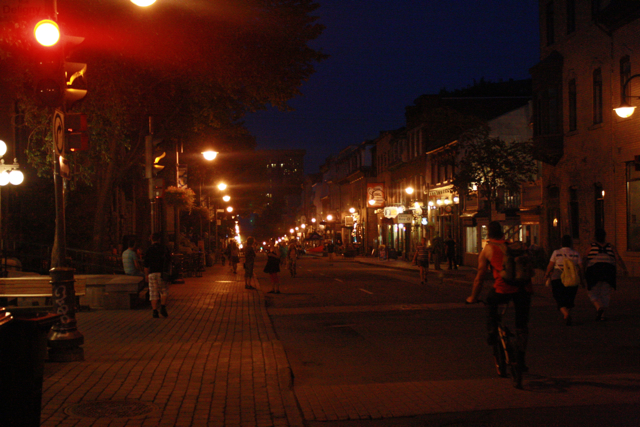
loved vieux quebec – its unique architecture and hilly geography, its crowded streets, its lively shops and restaurants, its cozy neighborhoods, and its extremely friendly people. had the best food since paris at l’échaudé (rue du sault au matelot) and had some pretty good poutine too. nice little apt on rue lavigueur and wonderful weather the whole time we were there!

quebec 1

quebec 2

quebec 3

quebec 4

quebec 5

quebec 7

quebec 8

quebec 9

petals of blood by ngugi wa thiongo

ngugi wa thiongo’s “petals of blood” reminds me of “the grapes of wrath” on account of its breathtaking scope, its poetry, and its impassioned love of humanity. the sheer magnitude of the book is mind-blowing. when i started reading it i thought that it embodied the story of africa, of an entire continent, but by the time i reached the end of the book, i could say with certitude that it tells the story of all colonized people, of the oppressed all over the world. the idea of creating a “new world” because the old world is simply inadequate and can never be fixed, is a kind of epiphany which precipitates the book’s inexorable end.

“The true lesson of history was this: that the so-called victims, the poor, the downtrodden, the masses, had always struggled with spears and arrows, with their hands and songs of courage and hope, to end their oppression and exploitation: that they would continue struggling until a human kingdom came: a world in which goodness and beauty and strength and courage would be seen not in how cunning one can be, not in how much power to oppress one possessed, but only in one’s contribution in creating a more humane world in which the inherited inventive genius of man in culture and science from all ages and climes would be not the monopoly of a few, but for the use of all, so that all flowers in all their different colours would ripen and bear fruits and seeds. And the seeds would be put into the ground and they would once again sprout and flower in rain and sunshine.”

rochester teen film festival 2015

a couple of days ago, i presented two awards at the rochester teen film festival. one for “best social justice message” – it was awarded to east high school kids who made a film about volunteering by focusing on the homeless in rochester. they interviewed sister grace and shot the homeless tent city which was later bulldozed by the city of rochester, in the middle of a harsh winter (in dec last year). it’s always riveting to see young people take ownership of their community. i was truly moved by these kids, many of whom come from tough neighborhoods, and their desire to improve the world around them.

i also presented the award for “best animation”. i talked about how my first reaction to the piece was that it looked more like video art produced by an artist rather than straightforward animation. set to verdi’s requiem, it’s full of symbolism, movement, panache, and color – color which like the music that accompanies it, swells into a stunningly grand and expressive register. verdi’s requiem is often called an opera in disguise or a requiem on steroids. to be able to visually conceptualize verdi’s larger-than-life, dynamic music, what better medium than animation and what better language than the abstract language of dreams and symbolic imagery. river melcher’s “a dream of evolution” brought all these elements together with incredible artistry. check it out.

symposium on culural identity and religious belief

July 30-31, 2015: attended a symposium at nazareth college. it was about the interaction between cultural identity and religious belief. papers were presented by academics from saudi arabia, many of them women. the discussion was harmless enough as it supported dialogue and co-existence, all theoretically though, with very little analysis of the political realities on the ground. what was not said, not critiqued, not challenged was, in a way, more telling.

with women presenters at the symposium

wael shawky at moma ps1

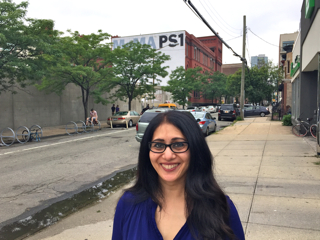
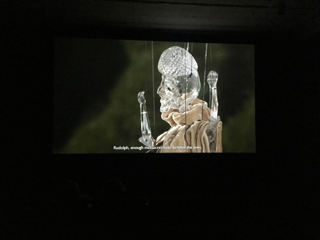
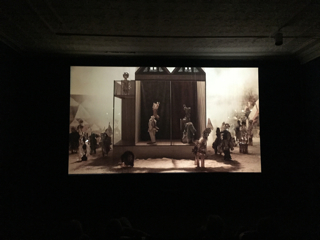
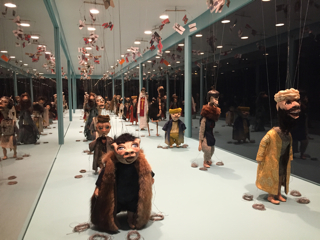
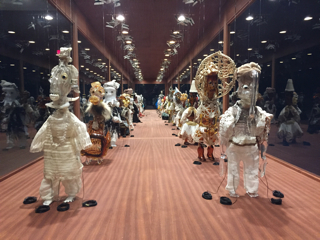
in nyc over the weekend to see wael shawky’s work at moma ps1. shawky is an egyptian artist whose film trilogy “cabaret crusades” is on exhibit for the first time in the US. it’s absolutely mind-blowing. he uses marionettes to retell the complicated history of the crusades (yes, the idea of “manipulation” is not incidental). the narrative at the base of all three films is inspired by “the crusades through arab eyes” by lebanese historian amin maalouf. the first two films employ ceramic marionettes: some are 200 year old puppets preserved in a french museum and others are replicas created by artisans in provence. the last film, “cabaret crusades: the secrets of karbala” uses stunning glass marionettes designed by shawky and rooted in african sculpture. they were fashioned by venetian glassblowers and clothed in period costumes by an italian tailor. each sculpture is unique and bizarre and arresting. their eyes blink with a delicate clink of glass. their movements are elaborate and the tableaux they create are visually beautiful and surreal. all three films are in arabic. it’s interesting to hear the franks and pope urban speak in the same language as salah ud din. they talk of damascus, aleppo, homs, jerusalem, baghdad and constantinople. the horrific violence and political intrigue from those times seems to be tragically apropos today. pls make the time to see this exhibition. wael shawky’s work is dazzling.

mara ahmed at moma ps1

cabaret crusades

more cabaret crusades

ceramic marionettes

glass marionettes

the beauty of diversity

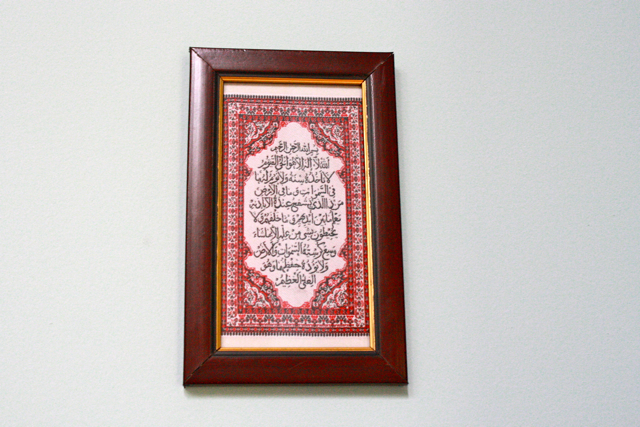
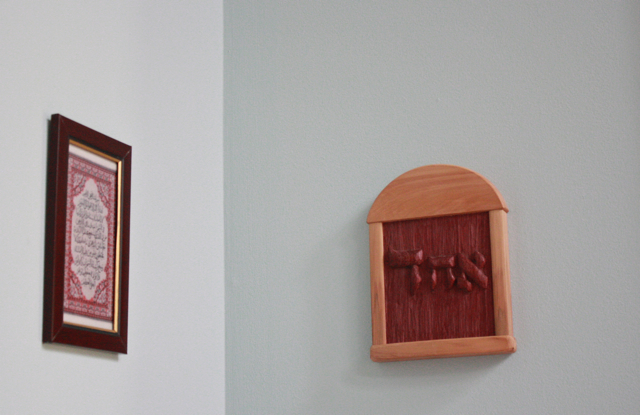
i find religious traditions to be rich, diverse and vibrant. in my home, i have a small number of religious artifacts: a framed piece with verses from the quran painted on cloth (a gift from mamoona aunty), a painting of jesus that i bought in puerto rico, hand-painted icons with images of christian saints, a buddha’s head i bought from the asia society in new york, etc. all of these pieces mean something special to me. i wanted a jewish artifact in my home and i had an idea. i asked my friend hershel weiss, an artist who works with wood and has produced beautiful pieces rooted in his sephardic ancestry, to create something which i would place next to the framed ayatul kursi. hershel carved a simple yet gorgeous piece with the hebrew word echad, meaning one. it’s the last word in the shema, the central prayer in judaism. the darker wood is jarrah from australia and the lighter wood is swiss pear. it’s the first thing i see every morning as i get out of my bedroom. and it looks perfect with the ayatul kursi.

ayatul kursi

echad

religious artifacts