interview at VOA in DC

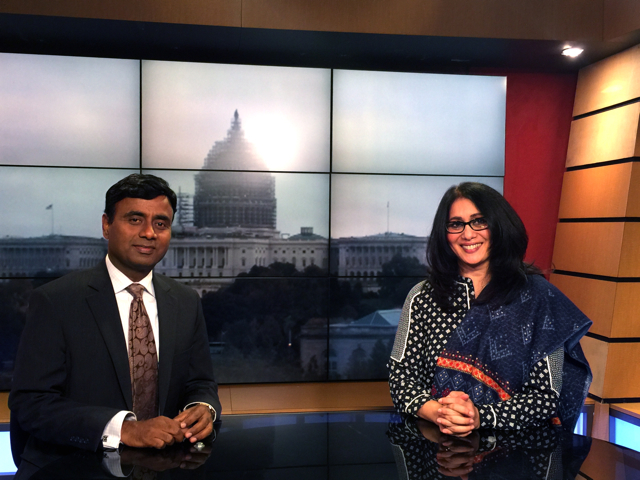
this year thxgiving was followed by an interview about “a thin wall” with broadcast journalist faiz rehman, at voice of america, in DC, followed by a wonderful visit to the Hirshhorn Museum and Sculpture Garden along with my gorgeous sister.

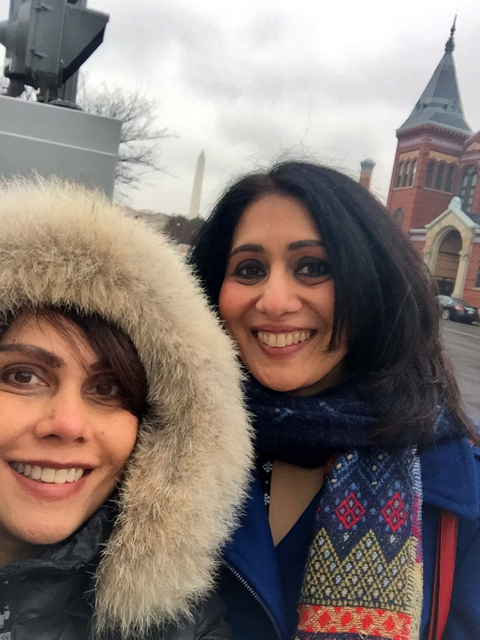
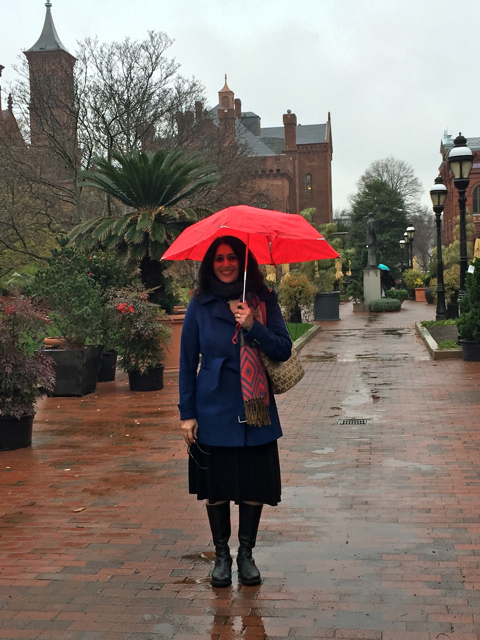
it was raining but we took the metro and had a great time in the city. finished the day off with dinner at Earls Kitchen and Bar. the people in DC are lovely. at one point we forgot to change metro lines and were looking at a subway map when a woman walked up to us and offered to help, just like that. it’s incredible when people can find the time to connect in this way, in today’s hectic world.

have some interesting thoughts about one of the exhibits at the hirshhorn museum. it was called “marvelous objects: surrealist sculpture from paris to new york.” will write more about that later.

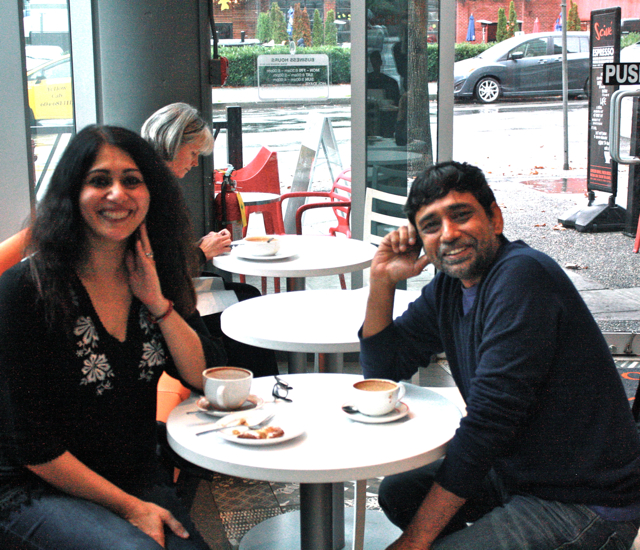
in the studio: faiz rehman and mara ahmed
on our way to the hirshhorn museum
the rain didn't bother us too much
the rain didn’t bother us too much
dan flavin's light sculptures
dan flavin’s light sculptures

“The Paris attacks: should France rain flowers?” by Mara Ahmed

my reaction to the paris attacks – the piece was published in its entirety by city newspaper today.

Mara Ahmed: “Once again we’ve seen an outrageous attempt to terrorize innocent civilians. This is an attack not just on Paris, it’s an attack not just on the people of France, but this is an attack on all of humanity and the universal values that we share.” -President Obama, November 13.

I love Paris. I was there last Christmas. The weather was mild spring weather for us Rochesterians. The city was all lit up, festive, alive. On our first day in Paris, my husband and I attended Sunday Mass at Notre Dame de Paris, then joined our kids for dinner at a Lebanese restaurant, owned by an Iranian, where we had delicious makanek and manouche.

Every day, the Eiffel Tower would begin to shimmer at dusk, and we’d head to the Christmas market along the Champs-Elysées. There’s nothing like churros and a hot drink on a cold winter night. Children would be ice-skating in a small, makeshift rink with plenty of cheerful music to induce a camel spin or two.

Our kids wanted to take a look at the elusive Mona Lisa, so we did that, as well as partake of the ostentatious gold at the Chateau de Versailles. But my favorite place continues to be Montmartre. The Sacré-Coeur is always magical and the views from the hill stunning. We met some friends at a restaurant and felt perfectly happy and at home.

Yet after the Paris attacks on November 13 and the facile discourse in mainstream media, I have to ask myself: Why is Paris the city of love and lights rather than the capital of the brutal French Empire? Why do Parisians represent humanity more than the Lebanese whose lives were extinguished in suicide attacks the day before?

Why are French values better than Turkish values? An equally horrible bombing in Ankara, just a month earlier, targeted Turkish lives and values, after all.

I am reminded of Rachid Ouaissa’s perspicuous essay “Frantz Fanon: The Empowerment of the Periphery,” in which he talks about how “the so-called globalization, with its new forms of domination and exploitation under the auspices of the IMF and World Bank as well as the speculative economy, drives masses towards a kind of chronic marginality, promoting the emergence of violent peripheries.”

In the same way, and even more dramatically, war transfers chaos and violence from the center, the fortified First World, to Third World hinterlands. It’s nothing new. The Bush doctrine aimed for this kind of transference in clear, concise words: the need to fight them over there, so we don’t have to face them here.

Before adopting the mind-numbing language of “us vs. them,” it’s essential to go back to Fanon and his apt analysis that “Europe is literally the creation of the Third World.” Indeed, let’s try and imagine France without Algeria, or the British Empire without India, or Belgium without the Congo, or the United States without genocide and slavery. The Global North exists as it is now because of the Global South and what it is now. Their histories, psychologies, and present-day realities are deeply imbricated and cannot be so easily untangled.

Unfortunately, rather than acknowledge, unknot, and begin to resolve some of the complexities of these centuries-old power hierarchies and the damage they continue to inflict, we prefer to bury our heads deeper in the sand and talk in childish binaries of good and evil or the clash of civilizations.

Whenever systemic violence, which created and sustains the current world order, spills into the First World, it is received with incredible shock and outrage. Why are we not cognizant of similar atrocities happening on a daily basis in Afghanistan, Iraq, Syria, Yemen, or Somalia – places that we invade, occupy, drone, and decimate without a second thought?

Why is the solution to any act of aggression, the reflexive bombing of civilians on the periphery, usually described in the aggregate as a “war zone” or “ISIS headquarters”? And why is this kind of generic revenge accepted, if not embraced, by all – this mind-blowing logic of bombing Syria as a solution to every problem and then refusing to shelter Syrian refugees fleeing the war?

I am Pakistani-American, and I am unceasingly stunned by the reactions I see on social media, where well-meaning Pakistani citizens ask questions like “What do you expect France to do? Rain flowers?” This detachment of France from its past and present imperial exertions, this divorcement of violence from power and empire, this split between the center and the periphery, is all the more problematic when it’s parroted by the Global South.

Yet in a way it makes perfect sense. The Third World too has its centers and peripheries. When a small group of Taliban forced their way into a school and massacred children in the Pakistani city of Peshawar in 2014, the process of mourning this incomprehensible horror became laced with bloodthirsty vengeance.

My social media newsfeed was flooded with images of lynched men. “Terror suspects must be hanged within 24 hours,” perfectly nice people declared. A Pakistani woman, holding a toddler in her profile picture, urged the Pakistani army to “kill them all, kill their neighbors, kill their friends, kill anyone who gives them bread, kill anyone who offers them shelter….” She went on for an entire paragraph. In Pakistan, too, it is okay to sacrifice the indigent, voiceless, faceless people on the periphery, in North Waziristan, in order to ensure safety for the privileged center.

And so it is with the killing of young black men in America, whom a militarized police force must “contain” to make life safer/whiter on the right side of the tracks.

I recently completed a documentary film about the partition of India in 1947. A few days ago, right after the Paris attacks, I was thinking about the parallels between the partition and what happened in Palestine in 1947-48. One overwhelming similarity was that both events are unquestionably embedded in colonialism.

I was reading about the Arab uprising against the Ottoman Empire in 1916, how it was strongly encouraged by the British, but after the war was won, the Arab people were not granted independence. On the contrary, the Sykes-Picot agreement was signed secretly, and the Middle East was divided into British and French spheres of influence. I couldn’t help but think of another, much more recent Arab uprising which was crushed by harsher dictatorships, military interventions, perpetual civil strife, and proxy wars.

As Michel Foucault would say, the past is never dead. It continues to haunt us, control us, define us. We must use it to understand our present but most importantly, most urgently, to come up with a better world.

Mara Ahmed has lived and been educated in Belgium, Pakistan and the US. An artist and filmmaker, her third documentary “A Thin Wall,” about the Partition of India in 1947, premiered at the Little Theatre in April 2015 and was subsequently screened in Bradford (UK), Seattle, Vancouver, Palo Alto, and Berkeley. She lives in Pittsford with her two children and husband.

More here.

The article was republished by the Love and Rage Media Collective. See here.

thxgiving 2015

sumptuous thxgiving with my in-laws in NC. for lunch we had turkey, stuffing, mashed potatoes, gravy, cranberry sauce, cornbread souffle, sweet potato casserole with toasted marshmallows, green beans and rolls. dessert included pecan, pumpkin and apple pies. dinner was played in a slightly different key and consisted of koftas, chicken tikka, jalapenos stuffed with a sweet and sour tamarind mixture, and spicy shrimp pulao. for dessert: warm gajer ka halwa, a la mode, of course. the joys of belonging to a diverse family and combining cuisines freely 🙂

CPE Bach – Sonata in B Minor, H.245 (Cziffra)

the troubles of our world can be overwhelming at times. i was listening to the radio the other day and came across a beautiful piece of music. it reflected some of the sadness i felt but also spoke of a broader, vaster totality in which tragedy and bliss, love and disappointment, beauty and violence, all form the ebb and flow of existence. i couldn’t get the title of the piece so i googled the radio station and found out it was a live broadcast from hochstein. i contacted the host, mona seghatoleslami, and she was gracious enough to tell me i was looking for sonata in B minor, wq. 55, no. 3 by CPE bach. pianist yi-wen chang had played one movement only, titled cantabile. here it is, performed by georges cziffra.

San Francisco, Palo Alto and Berkeley

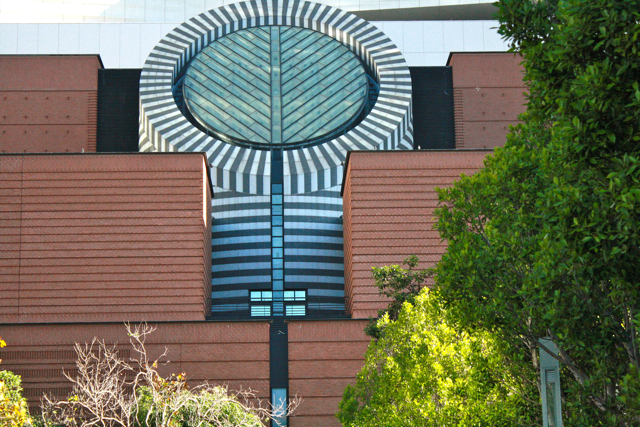
October 30, 2015: Just got back from Fisherman’s Wharf, Pier 39. It was v lively and all lit up. The famous carousel was there of course. Had some seafood for dinner. I took the muni metro even tho I have an awful sense of direction – I made it back to the hotel. I came to SF for the first time when my daughter was a tiny little baby and my son was 5 or 6. I remember going to the SF MoMA and falling in love with Mark Rothko. I bought a poster of his work. It still hangs in our house. I wanted to visit the museum again but it’s closed until May 2016. Oh well, next time inshallah.

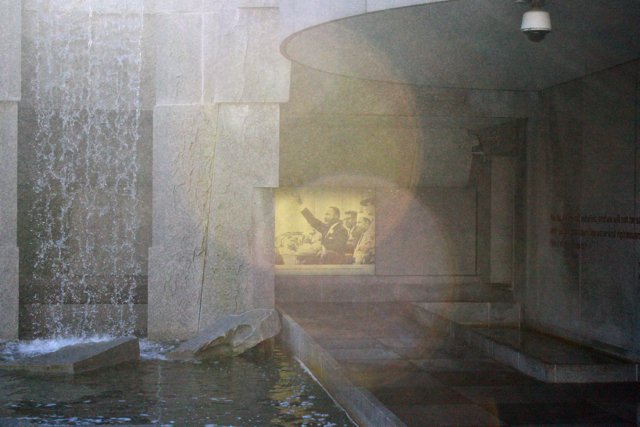
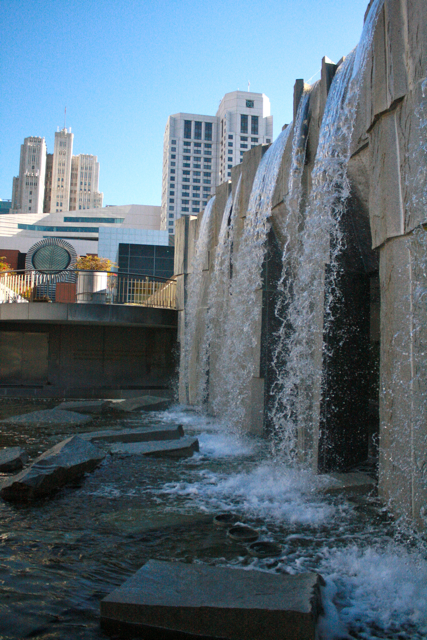
October 31: One of my favorite things in SF – the Yerba Buena Gardens. I was blown away by them the first time I came to SF – we just happened upon them while looking for the SF MOMA. The Yerba Buena Center was considered an urban blight and scheduled for demolition in the 1970s, however, locals including some retired labor activists stopped the demolition, and plans for building a sports arena had to be shelved. The Gardens’ focal point is the Martin Luther King Jr Memorial. It’s a 20 feet high, 50 feet wide majestic waterfall, furnished with glass panels inscribed with Dr King’s powerful words. Reading “We will not be satisfied until justice rolls down like water and righteousness like a mighty stream” as one is surrounded by a thundering waterfall can be an emotional experience. The memorial speaks to Dr King’s remarkable energy, courage and vision. The strength and simplicity of the granite, the unquestionable force of the waterfall, the elegance of MLK’s words, their translation into the languages of San Francisco’s thirteen international sister cities, as well as in Arabic and African dialects, photographic images etched in glass of Dr King’s “I Have a Dream” speech, and of course the overwhelming roar of the water, all combine to transport one to another world. It’s one of the most fitting memorials I’ve ever visited. Later that evening, I went to see “Beach Blanket Babylon” at Club Fugazi. It’s SF’s famous pop-culture musical revue, with spectacular costumes, gigantic hats, and a surprising dose of liberal politics. My friend Huma picked me up later that evening. We had an excellent Italian dinner at Original Joe’s in North Beach, walked around Coit Tower and then headed to her house in Menlo Park.

November 1: Wonderful screening of A Thin Wall at CineArts in Palo Alto. The film looked and sounded beautiful. That’s so important to me! It was shown in a huge theatre. A large number of people attended the screening and Q&A, which was followed by a panel discussion organized by The 1947 Partition Archive, out of Berkeley. One of the best parts was being able to connect with so many incredible women – filmmakers, academics, archivists, reporters, activists, women with their own histories of partition. Thank u Anuj Vaidya for organizing everything with such ease and brilliance and thank u Huma Dar for being such an amazing host, friend and inspiration. I’m loving the West coast!

November 2: Small but lovely screening at Berkeley today. Thx Huma and Paola for making it happen and thx Abdullah, my dear friends Umar and Arjumand’s son, who attended in spite of exams and a busy student life, and made me a v happy auntie 🙂

SF's famous cable cars
SF’s famous cable cars
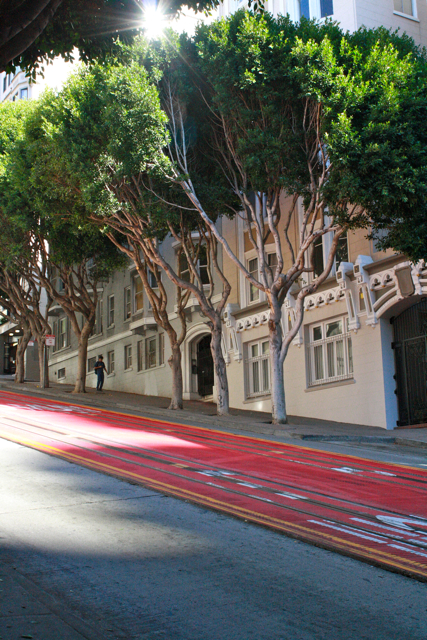
steep streets
steep streets
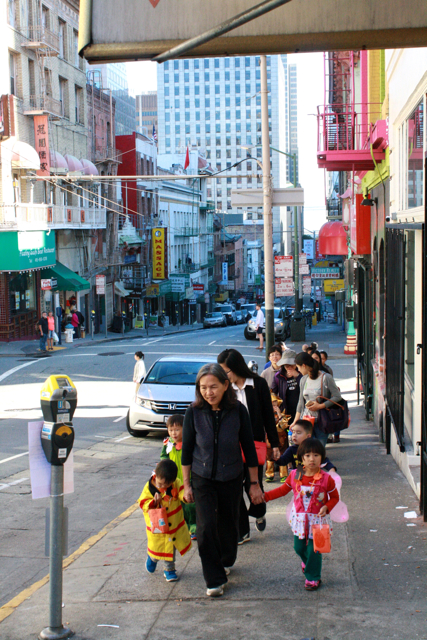
halloween in chinatown
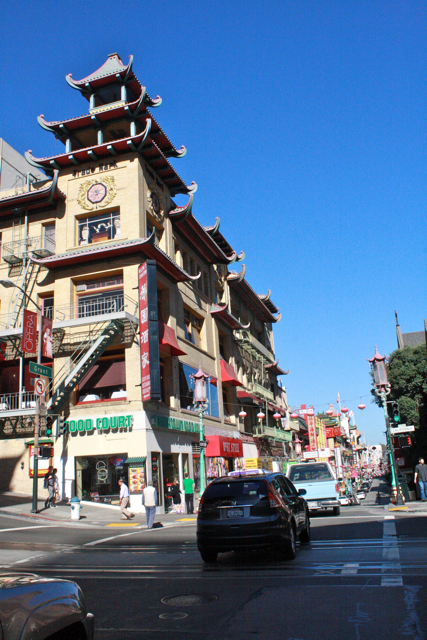
SF's chinatown
SF’s chinatown
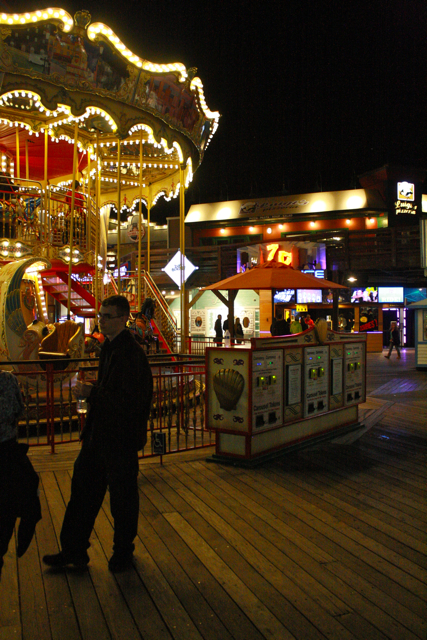
pier 39
pier 39
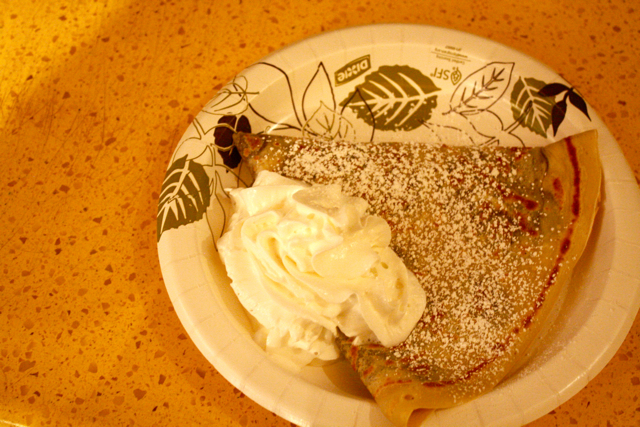
crepe with ghirardelli chocolate filling
MLK memorial
MLK memorial
MLK memorial, yerba buena gardens
SF MOMA
SF MOMA
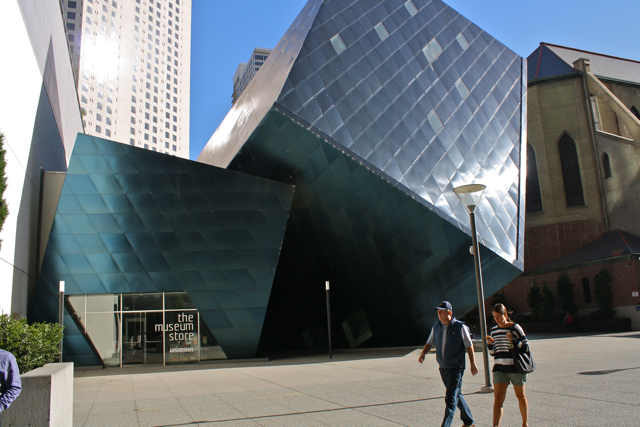
contemporary jewish museum
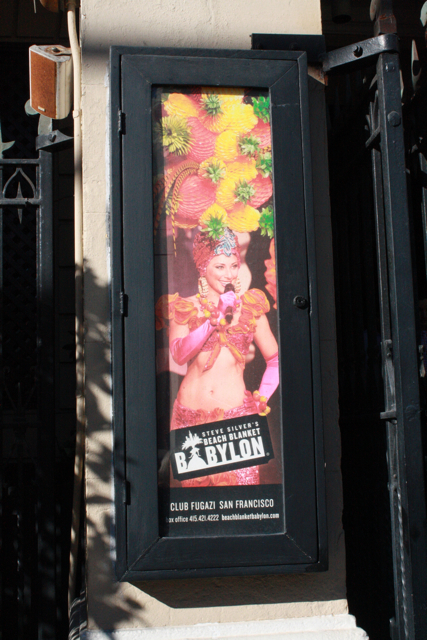
beach blanket babylon
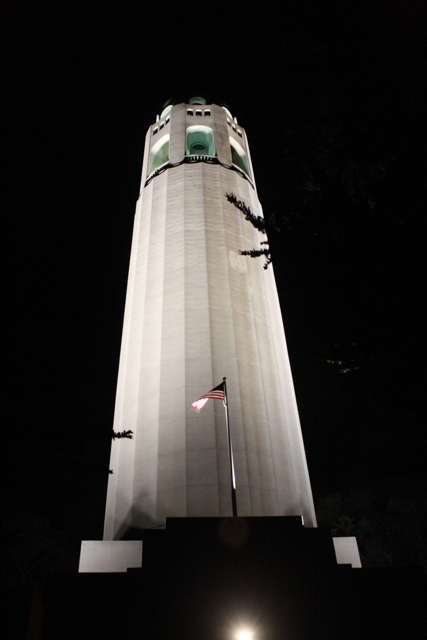
coit tower
coit tower
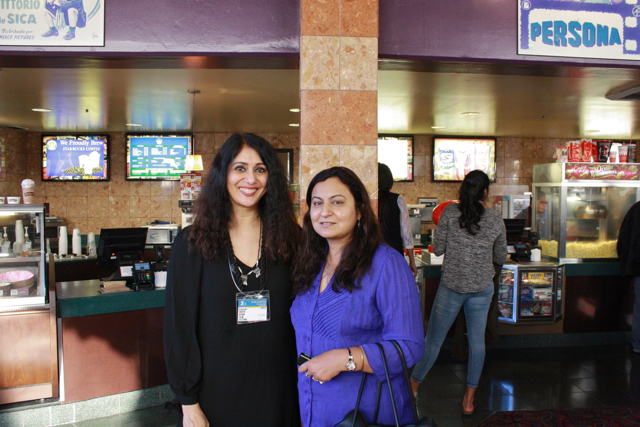
with a reporter for india abroad
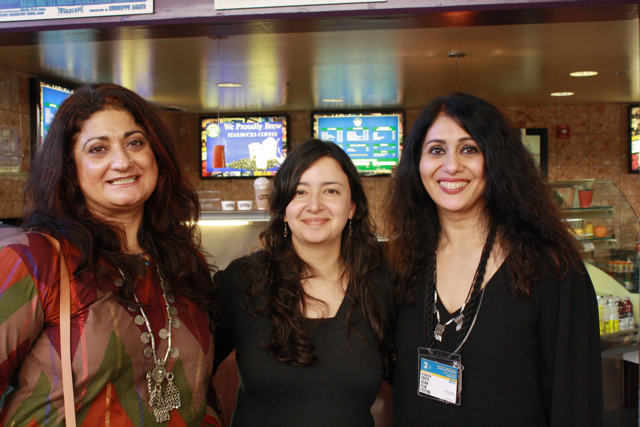
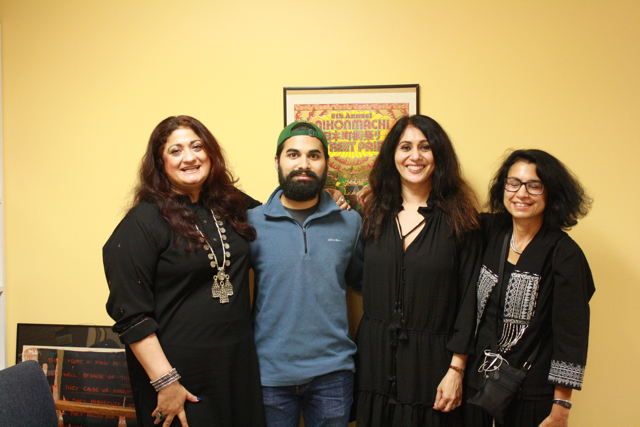
huma dar, guneeta bhalla, mara ahmed
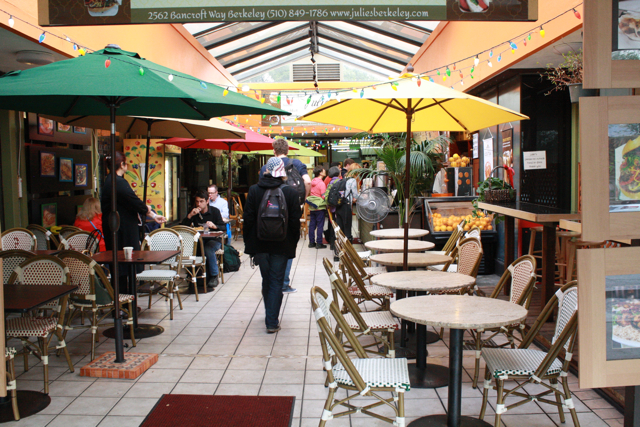
lunch at berkeley
lunch at berkeley
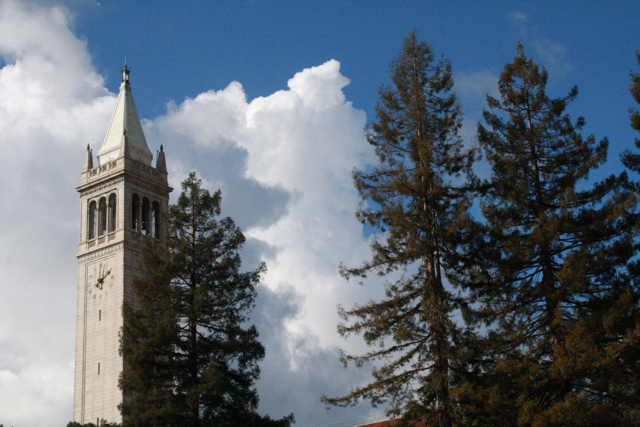
berkeley campus
berkeley campus
huma, abdullah, mara and paola

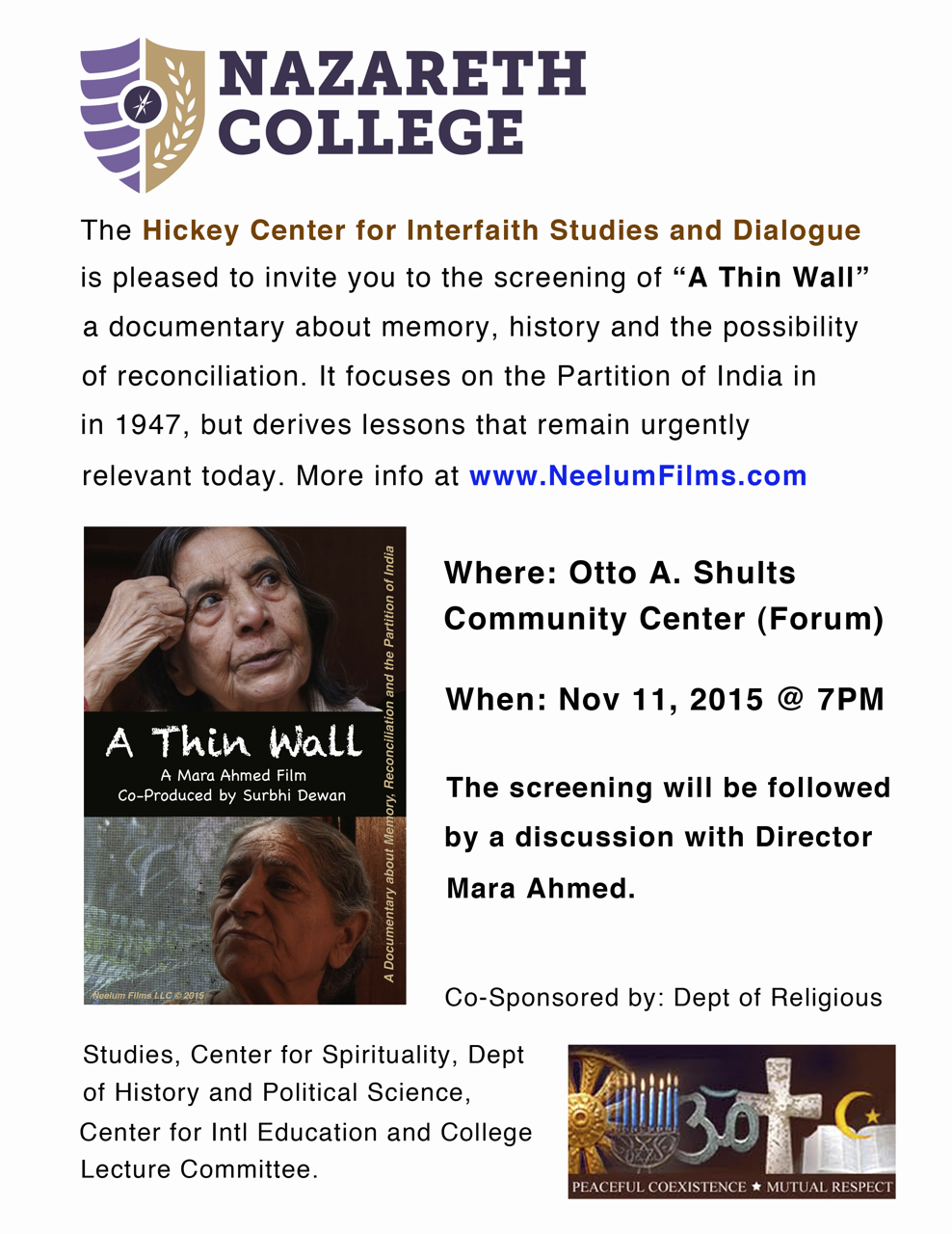
“a thin wall” screened at nazareth college

wonderful screening of A Thin Wall at nazareth college yesterday, under the auspices of the hickey center for interfaith studies and dialogue. a lot of dear friends and supporters, a large number of students, and new audience members who were introduced to the film.

during Q&A, a friend, who along with his family has made the journey from iraq to jordan to the US, asked about home, what is the meaning of home for immigrants and refugees? it’s such a broad, such a poetic question. i came across this today – it could be one answer:

My house says to me, “do not leave me, for here dwells your past.” And the road says to me, “Come and follow me, for I am your future.” And I say to both my house and the road, “I have no past, nor have I a future. If I stay here, there is a going in my staying; and if I go there is a staying in my going. Only love and death change all things.” (Khalil Gibran)

a thin wall at nazareth college

Vancouver!

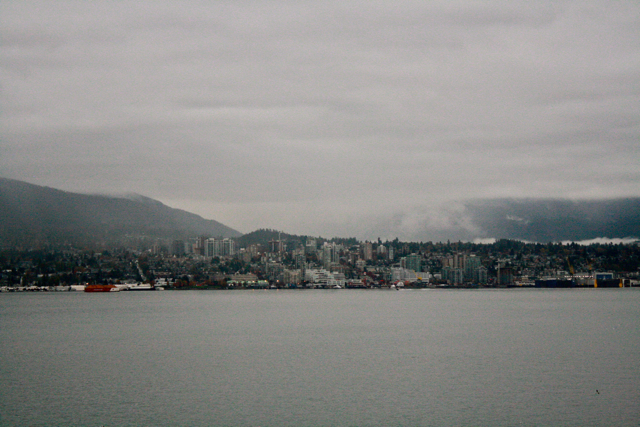
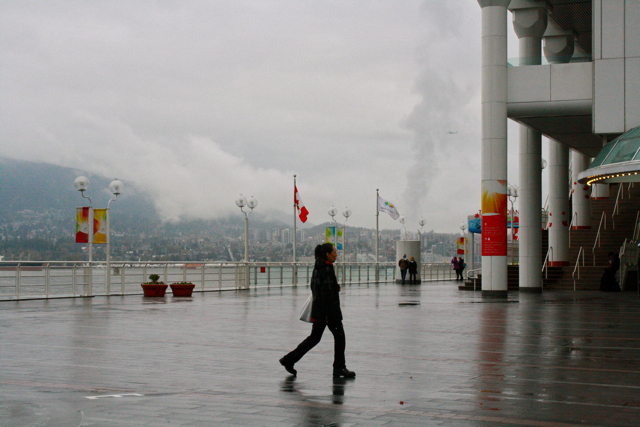
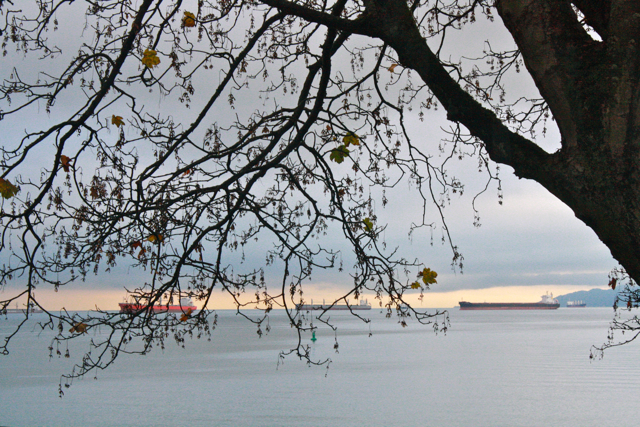
Oct 28: Yesterday we had a lovely screening at Langara College in Vancouver. It was organized by Indira Prahst, department of Sociology and Anthropology at Langara College, and Imtiaz Popat. Today, I started the day off by meeting the lovely Ajay Bhardwaj and discussing our work and films. I felt like I had known him forever. In the afternoon, I got on the Hop on Hop off bus and went around the city. Vancouver is caught between the North Shore Mountains and the Salish Sea. The views from Canada Place and Stanley Park are to die for. The weather was overcast all day. It was magical to see mist rising up from the sea, the smooth glassy water, and the variegated canvas of the sky where light kept painting an ever shifting seascape. I don’t like doing touristy things but I decided to try the FlyOver Canada flight simulation simply because I’ve flown so many times in my dreams. It was surprising. Not only can one feel the rush of fresh air as one flies over mountains and prairies but one can also smell pines and get soaked by the spray from Niagara Falls. I couldn’t help but think of the First Nations people of Canada whose lives and destinies have always been so intricately intertwined with this majestic land. As we drove thru Stanley Park marveling at 700 year old trees and gorgeous views of the Lions Gate bridge, the sun had just begun to set. It created glittering skyscrapers and a warm glow on the surface of the water, which seemed to hold ships and barges alike in its luminous fold. I took a million pictures. It was another day well spent.

indira prahst and mara ahmed
mara ahmed and ajay bhardwaj
view of vancouver on a rainy day
canada place
canada place
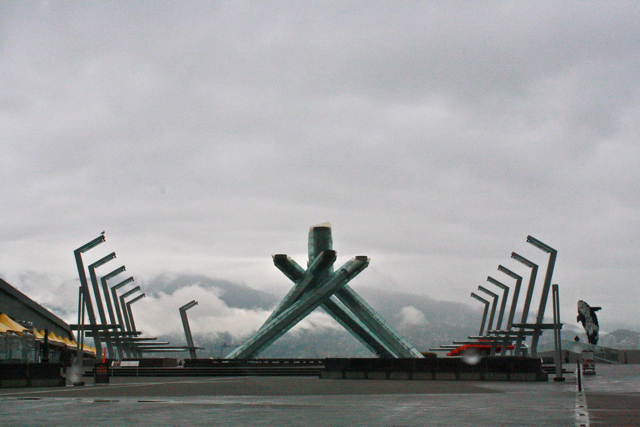
the olympic cauldron
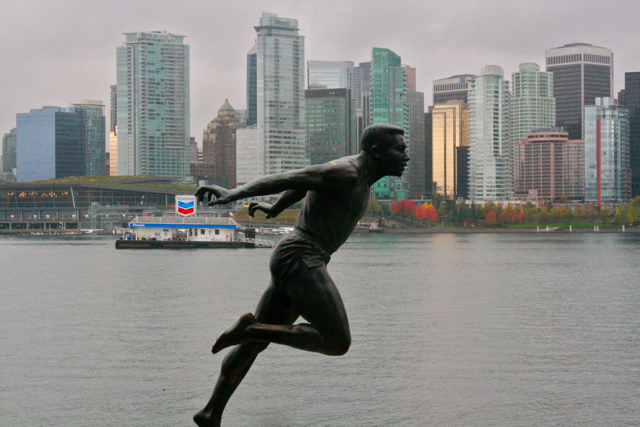
harry winston jerome's sculpture along stanley park's seawall
harry winston jerome’s sculpture along stanley park’s seawall
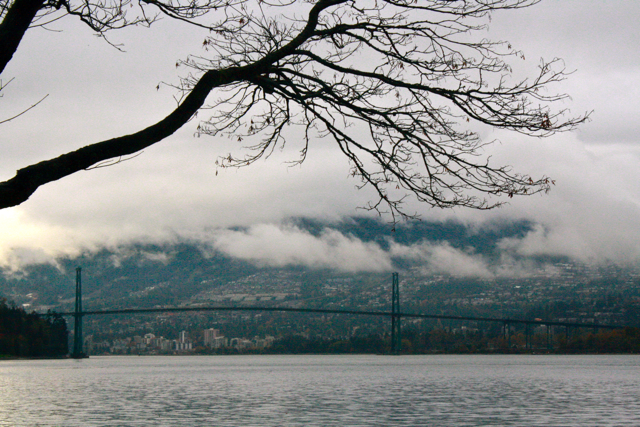
lions gate bridge
lions gate bridge
sun setting on vancouver

Exploring Seattle

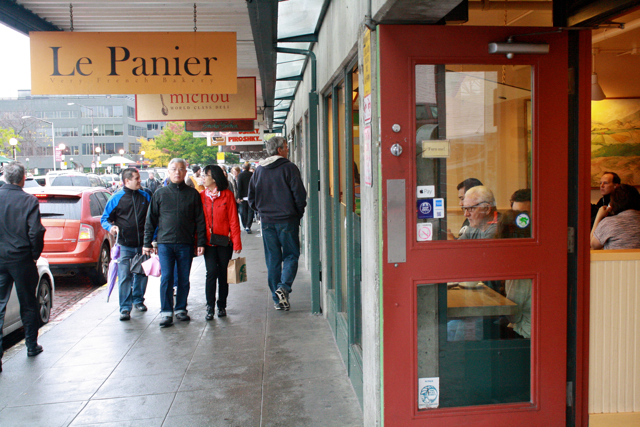
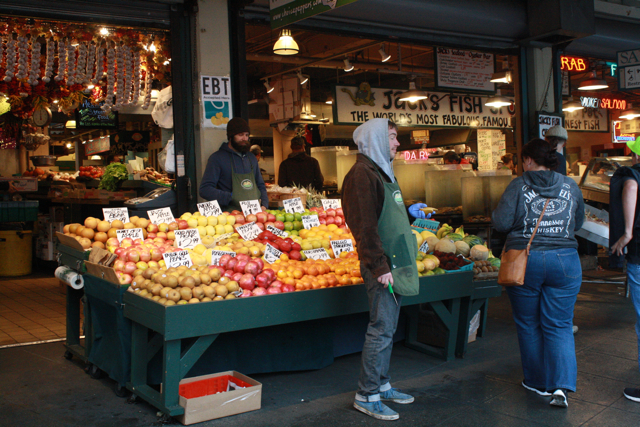
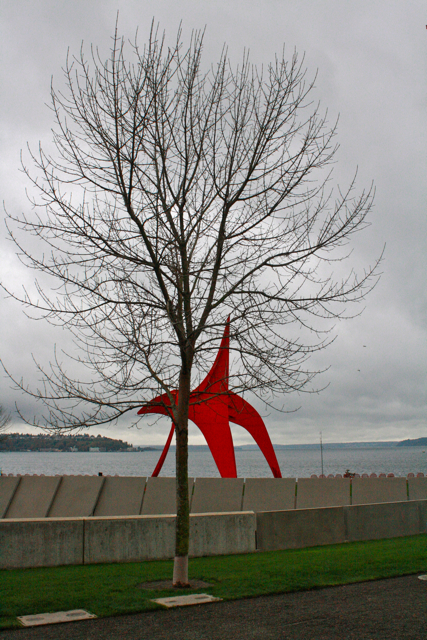
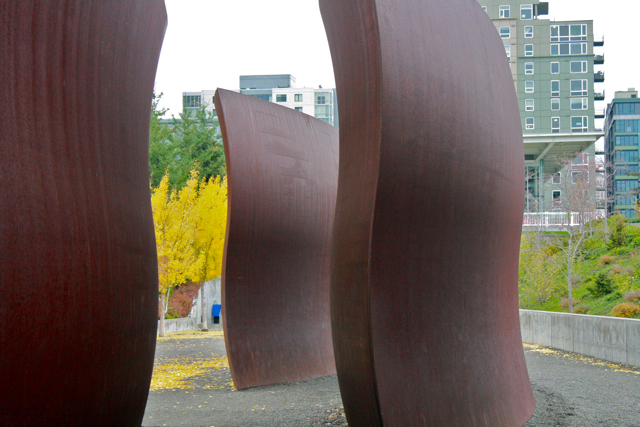
Oct 26: Spent lots of time at Pike Place Market this morning. Fresh fruits and vegetables, florists, chocolate shops, soaps and incense, pashminas, Bavarian meats, a Middle Eastern souk, tiny little restaurants, and of course, lots of coffee places, including the first Starbucks (dating back to 1971). I had a chocolate croissant (with the largest bits of sumptuous chocolate ever) and a tarte aux marions at Le Panier. After roaming around a lot more, I had some oeufs en meurette at Cafe Campagne – delish. Visited the Lisa Harris gallery and left with an original etching by intaglio printmaker Thomas Wood. Took the monorail to the Space Needle and walked along Broad street all the way to the waterfront. Loved the Olympic Sculpture Park, which is right by the water. There weren’t that many people there. A man was reading a book whilst enjoying a view of the waterfront. There were a few more people walking their dogs or running. The air was crisp and it was beginning to get dark. I could see lights coming on inside buildings opposite the waterfront. There are ships and warehouses and traffic lights and then the park, which is lovely. It replicates several ecosystems found in the Northwest. Not only that, it is filled with sculptures that mesh with the park’s natural beauty, sometimes in spectacular ways, other times much more subtly. We are talking about Louise Bourgeois, Alexander Calder and Richard Serra! This mix of sculpture, fall foliage, piers and ferries, ship terminals and skyscrapers, vast open public spaces in the midst of an urban landscape, create a wonderful sense of adventure. I was thrilled. I owe thanks to Smeeta for sharing her personal list of must-dos in Seattle, and to Nabeeha for teaching me how to navigate public transportation, for creating awesome dinners and for hosting me with such warmth and generosity. I am sold on Seattle 🙂
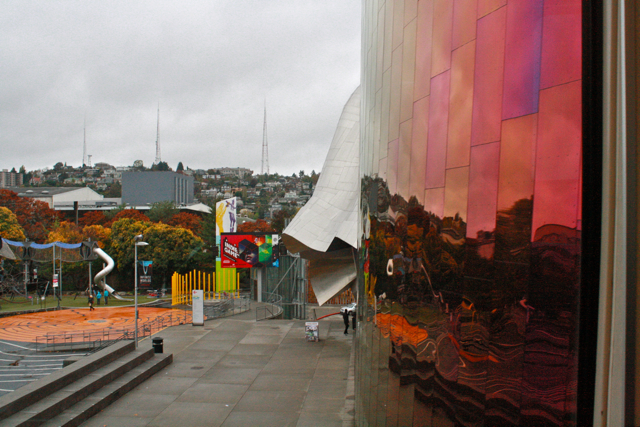
pike place market
pike place market
fruit at pike place market
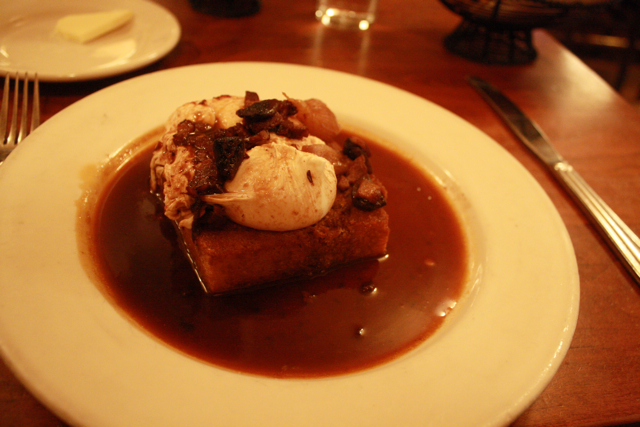
oeufs en meurette at cafe campagne
on the monorail
on the monorail
seattle center
seattle center
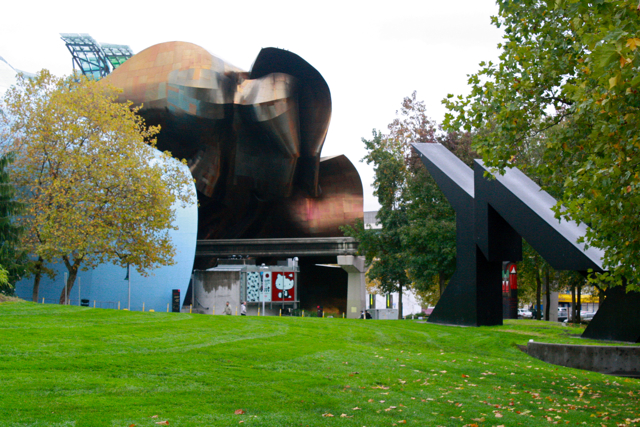
EMP museum
EMP museum
olympic sculpture park

First day in Seattle

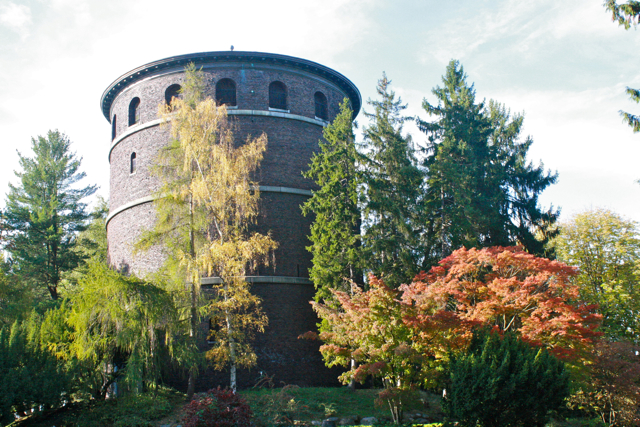
Oct 25: Went to Volunteer Park along with my wonderful hosts. It’s a beautiful park with a water tower, a conservatory, the Seattle Asian Art Museum and the “Doughnut.” It’s located in the Capitol Hill neighborhood. Lots of coffee houses, beards, flannel shirts, hoodies, and bikes. Very counterculture. No wonder this was the epicenter of the grunge scene. An ad for yogurt at the Westlake station, en route to the Transit Tunnel: “If your dad was this smooth, you’d have more siblings.”
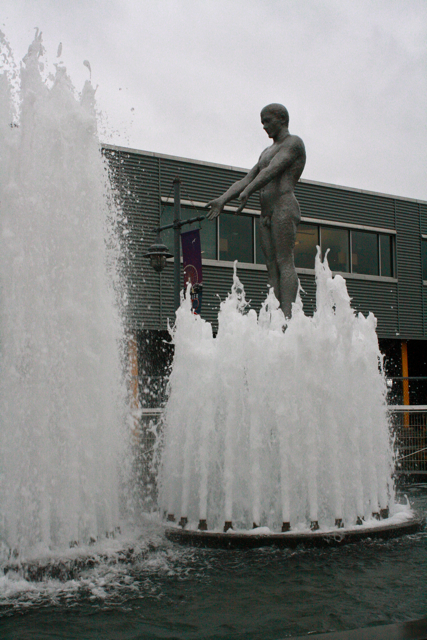
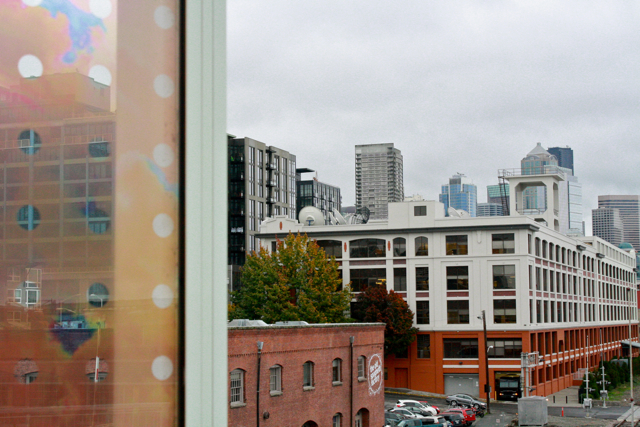
water tower, volunteer park
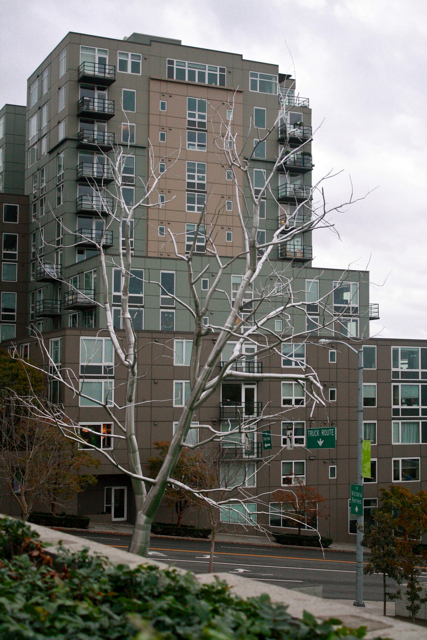
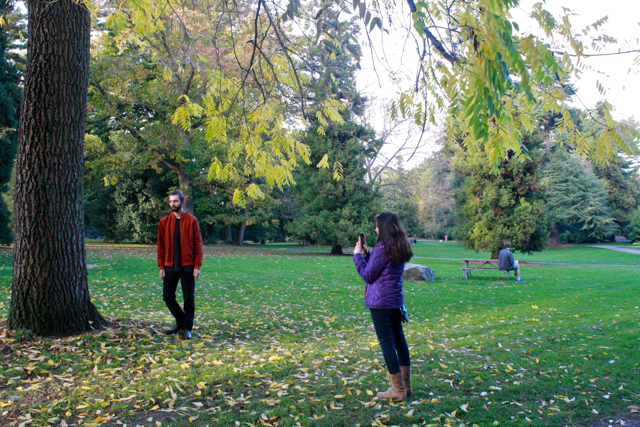
volunteer park, seattle
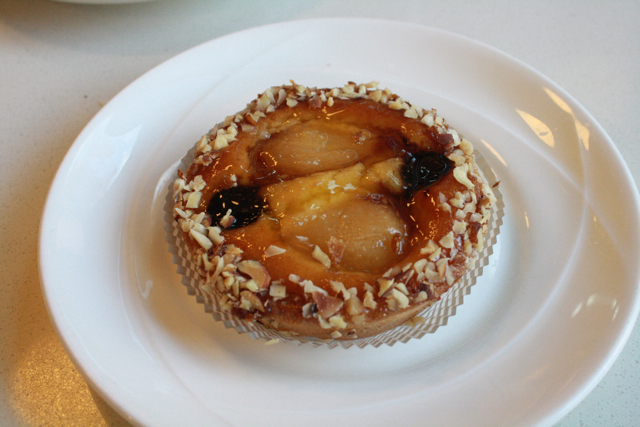
bakery nouveau, capitol hill

Najla Said in Rochester

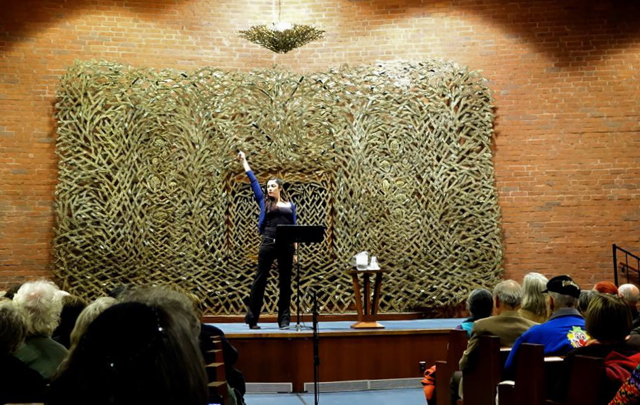
Oct 19, 2015: Saw Najla Said perform her one-woman show “Palestine” yesterday at Temple B’rith Kodesh in Rochester, NY. I was familiar with her play based on interviews and clips I had seen online. I was particularly taken by a short sequence I had found on YouTube in which she talks about Arab culture and how the language itself embodies this marvelous warmth and hospitality, this yearning to connect with immediacy. It’s a lovely piece that debunks stereotypes with immense passion and poetry. She sets it up with the caveat of not wanting to be an Orientalist. Obviously 🙂

We showed that clip at Celebrate Palestine last year, an event that launched the Witness Palestine Film Series 2014, where we celebrated Palestinian food, music and literature as a form of resistance to erasure. Najla’s dynamic description of the beautiful intricacies of Arab culture was a perfect fit for that evening.

As I settled down in the front row yesterday, I didn’t know what to expect from the entire play. I was instantly moved by how she greeted us and introduced herself in Arabic, rather than English, before she proceeded with the show. She was animated, poignant, funny, courageous, transparent. Her story is personal but because of the family she grew up in and the rich mix of geographic, cultural, linguistic, ethnic and political contradictions she had to navigate from a very young age, there is much that resonates with many. The show progresses with immense energy, energy that is translated into impressive physicality. There are ups and downs and some wonderfully reflective moments as well. The end is breathtaking. It has a quiet elegance, an emotive power that’s almost surprising. We learned later, during Q&A, that it was the first thing she ever wrote, when she began to write the show. And Edward Said endorsed it enthusiastically 🙂

najla said performing "palestine"
najla said performing “palestine”
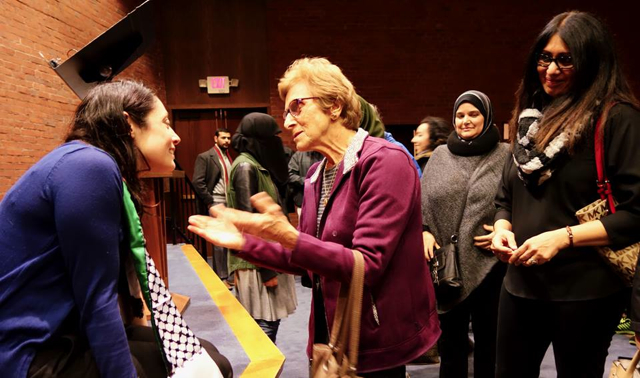
Q&A with najla said after the show

Catching up with life

Many things have happened over the last few weeks and I haven’t had time to articulate them, organize them, record them – basically write about them.

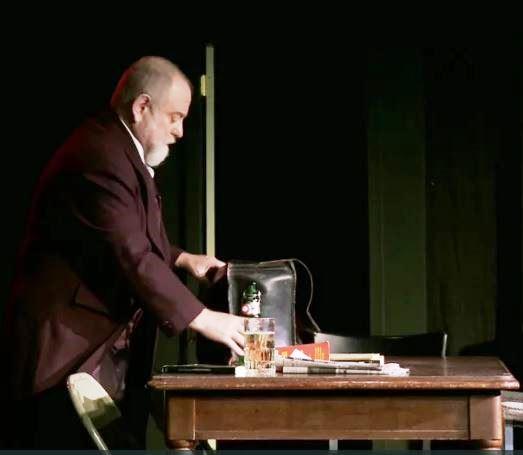
During the Fringe Festival, I saw “Marx in Soho” a play written by one of my heroes, historian Howard Zinn. It shows “Marx as few people knew him, as a family man, struggling to support his wife and children.” The idea of the play is that Marx comes back to life to defend the ideals of communism (and separate them from the dehumanized version practiced in the former Soviet Union) and to expose the cruel inequities of capitalism. I was particularly moved by Marx’s description of the Paris commune of 1871, a successful worker’s revolution that established progressive laws and inspired lofty political dreams. It reminded me of the model community that was built in Zuccotti Park. “The people of Paris formed not a government, but something more glorious, something governments everywhere fear, a commune, the collective energy of the people.” Zinn’s one-man play ends with these wonderful lines: “Do you resent my coming back and irritating you? Look at it this way. It is the second coming. Christ couldn’t make it, so Marx came…”

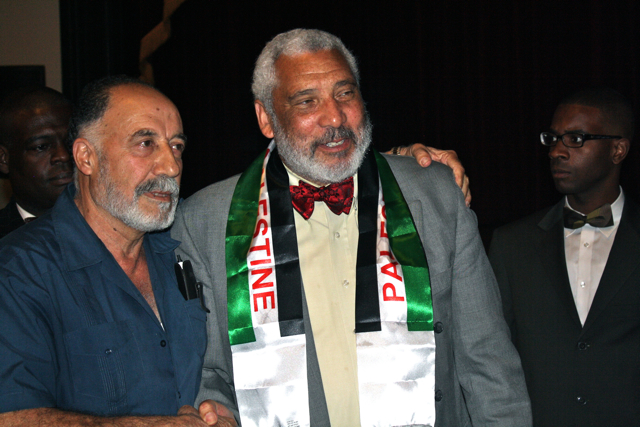
Two days earlier, on September 24th, I attended “Connecting the Dots: Ferguson to Palestine” a lecture by Rev Graylan Hagler, a veteran social and economic justice activist and outspoken supporter of Palestinian human rights, whose credentials include the fight against South African apartheid and now, deep involvement in the Black Lives Matter movement. After a mendacious campaign directed at Rev Hagler’s character and work, and topped off by death threats, he was disinvited from the venue where he was slated to speak. However, Christians Witnessing for Palestine and the local chapter of the Jewish Voice for Peace joined forces to make sure that the event was a huge success in Rochester. Not only did Rev Hagler speak at an alternative venue where activists of every stripe attended en masse, but he also spoke to students at the U of R. This was a heartening experience for me. Not only did it confirm that free speech (free political speech) actually means something in America, it also highlighted how the exercise of this constitutional right is not enforced by politicians (making grandiose statements or marching for the press in Paris) but by grassroots activist organizations that can come together with incredible power. It was one of the most diverse and vibrant events I’ve ever been to in Rochester and I was honored to partake of such inspiring solidarity.

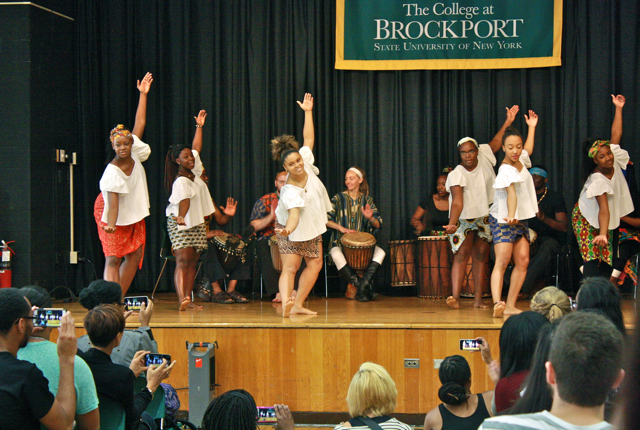
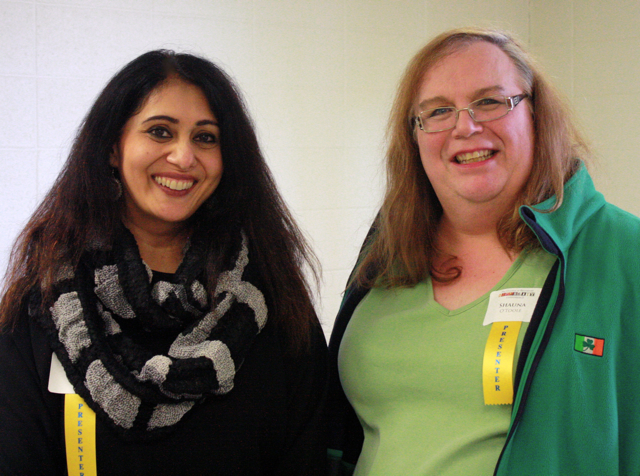
On October 8th I was invited to speak about cultural competence at the Diversity Conference at SUNY Brockport. This was my third year as a presenter and once again I loved the brilliant energy at this lively conference. The international food tasting was great as usual: my favorites were Kenyan matoke (a delicious plantain stew), Namibian kapana (beef grilled on an open fire) and Spanish orange-flavored flan. The food tasting was accompanied by terrific dance and music, all performed by students. The panel discussion was extremely well-attended. When one of my co-panelists, Shauna O’Toole, found out that I am Muslim, her immediate reaction was to apologize for everything that’s said about Islam and is done to Muslims in America and in the world. I was taken aback. We had just met. I thanked her profusely. This is the kind of astonishing and heartwarming support I have always received from LGBTQ compadres. It means the world to me. It gives me hope.

This last weekend, I attended a beautiful memorial service for my friend’s husband. It was filled with music (Scottish bagpipes but also gospel and blues music by the Campbell Brothers) as well as reminiscences and endless love and admiration. It wasn’t just how many people came to the service but also their wonderful diversity. There was something solemn and deeply moving about the impact that one person can have on so many. It reminded me of Steinbeck’s East of Eden. I read it when I was quite young and one of the things that stayed with me was how he assessed the measure of a person’s life:

Humans are caught in a “net of good and evil.” There is no other real story in the entire world, and there never will be. It is how we live our simple lives while caught in that trap of good and evil that determines our success as individuals and our impact on the world. A person’s life can be measured by the feelings of those left behind.

marx in soho
marx in soho
rev hagler on ferguson to palestine
diversity conference at SUNY brockport
mara ahmed and shauna o'toole
mara ahmed and shauna o’toole

cornell vs army

cornell vs army on oct 3, 2015: we didn’t win but it was a good game. it was cold and rainy so hot soup with bread was most welcome during halftime – thx to the football parents’ tailgate party. first loss for cornell this season but we’re expecting great things for their upcoming games.

cornell vs army
cornell vs army

across the universe

April 1, 2010

Ryan
This was my favorite, favorite song when I was 10-12 years old or so… Played it 100’s of times… It may sound strange, but it helped me a lot as a child. I learned from it!

Mara
what did u learn from it? it’s a beautifully written song. to me it’s about the vastness, the thrill, the possibility of the unknown – the limitlessness of time and space captured in a paper cup, a letterbox. the divine and mundane are one and the same…

Ryan
I think, basically, just a deep sense that the universe might not simply be an endlessly vast, empty, uncaring, unfeeling, expanse of Cartesian space, but could instead be seen as something that’s alive, something that we are connected to, involved in, and participate in. Ultimately, personally, this sort of perspective eventually led me to Zen Buddhism; but back then, it was enough of a start for me simply to feel that I wasn’t utterly alone, as I often felt in school back then…

Mara
yes, that’s what i meant by the divine and mundane being the same. it makes the universe, the future, less intimidating. we can make it our own, capture it, connect to it, thrill to it. it’s amazing that u could understand that, even abstractly, at such a young age smile emoticon

Ryan
Well, I probably couldn’t have put it into words very well back then–it was more of a feeling, and it was something I was looking for (needing), and not finding anywhere else around me… Good old mainstream U.S. Midwest culture… smile emoticon

miss u ryan. good luck on meeting the vastness of the universe. u were too fine for this world. may u find peace in the comforting arms of galaxies, in the generosity of infinite time and space.