
feb 6, 2014: met and talked about my art and film work with students and faculty from the world of inquiry high school, in the city of rochester. what wonderful kids and teachers!
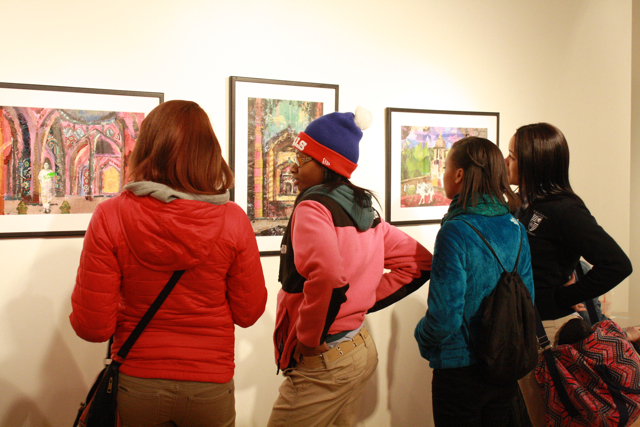
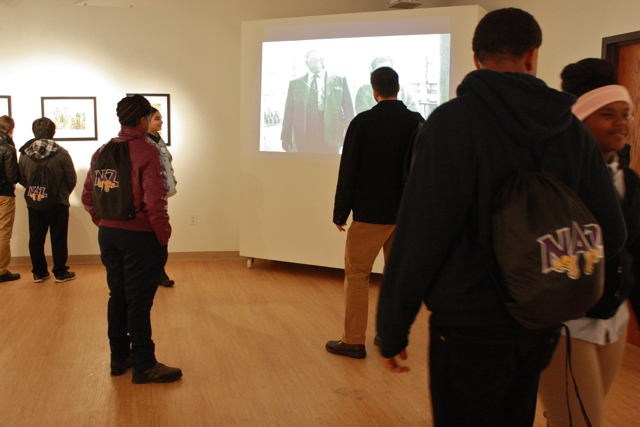
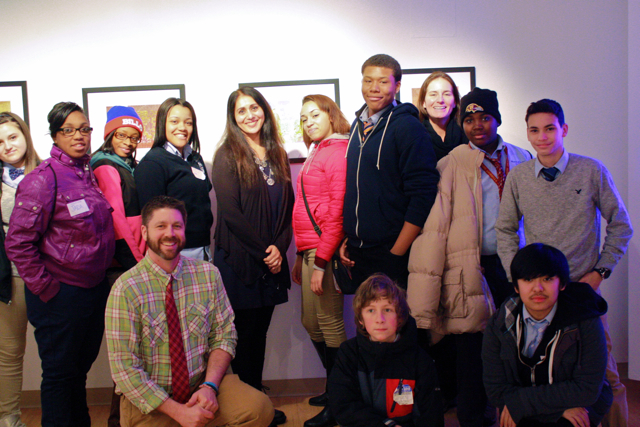
feb 6, 2014: met and talked about my art and film work with students and faculty from the world of inquiry high school, in the city of rochester. what wonderful kids and teachers!
a couple of weeks ago, i mentioned my talk at a local church about islamophobia and racism. someone objected to (mostly black and brown) muslims co-opting the term “racism” when islam isn’t really a race but a religion. i promised to post my lecture in order to clarify the connections between islamophobia and racism. it was just published by rochester indymedia. here it is.
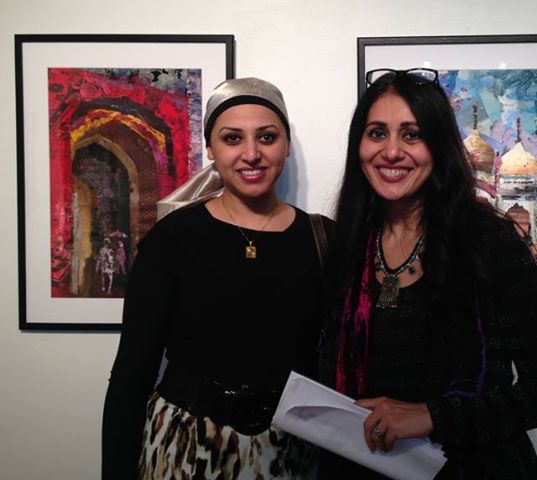
with my gorgeous friend maysaa, at the opening reception of “this heirloom,” jan 24, 2013.
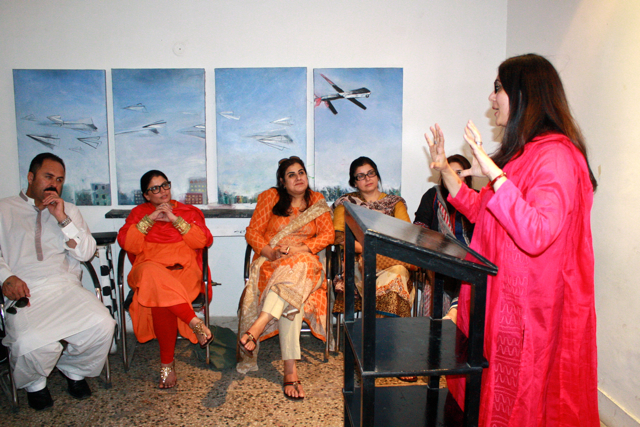
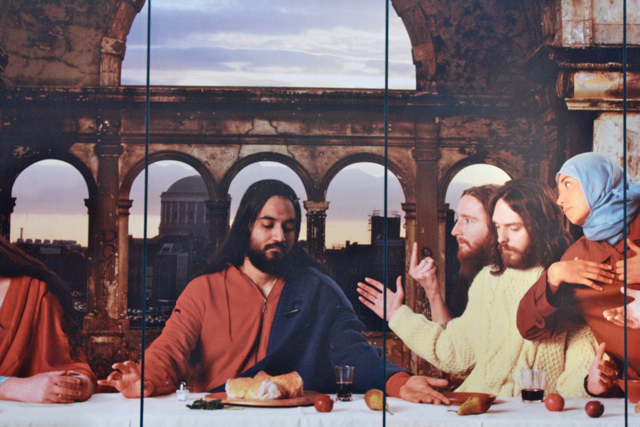
my talk at the colacino gallery for the opening of my art exhibition “this heirloom” on january 24, 2014. check it out!
last week i wrote a short paper on “islomophobia: the new racism” in which i tried to break down islamophobia in order to highlight overlaps with racism and antisemitism. i presented it this past sunday at a church where it was well-received and triggered a lively discussion. the only dissenter was an older man: tall, immaculately dressed, he started with his bio (including an ivy league education) and then proceeded to describe “this so-called” islamophobia (if, in fact, it existed) as part of a routine pattern of demonization in american history. nothing to worry about. we are sure to move on to something else pretty soon. he also defended the media, which i had gone after quite aggressively, by saying that the NYT, the washington post and the wall street journal were “equal atrocity reporters” (whether the atrocity happened here or in the middle east). finally, he described how all the doctors and engineers he knew seemed to be muslims and therefore the muslim community had hardly anything to complain about. hmm. there is a certain mindset which i find immoveable, ponderous, arrogant and self-satisfied. the kind of mindset which can convince itself that we live in a post-racial world. it’s v establishment, privileged, out of touch. and perhaps an ivy league education is the problem.
january 9, 2014: installed!!! thank u to the brilliant jim quinn for helping me get it just right. opening reception on jan 24th with artist’s talk at 6.30pm, colacino gallery, naz. so happy!
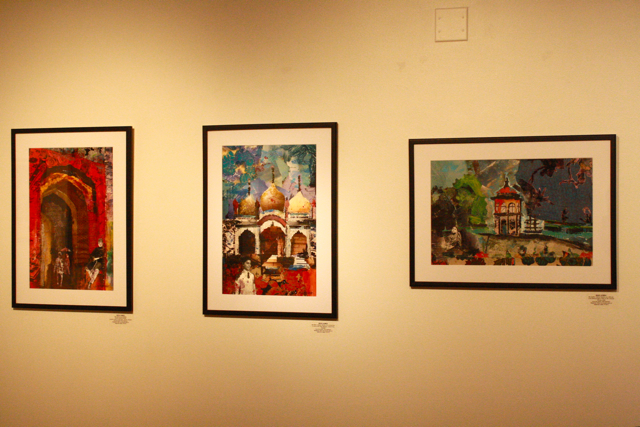
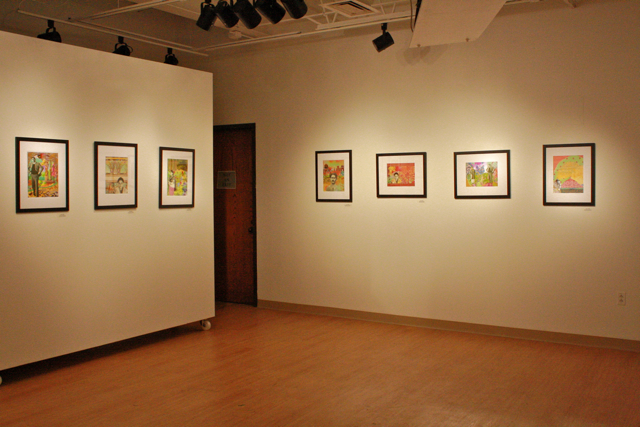
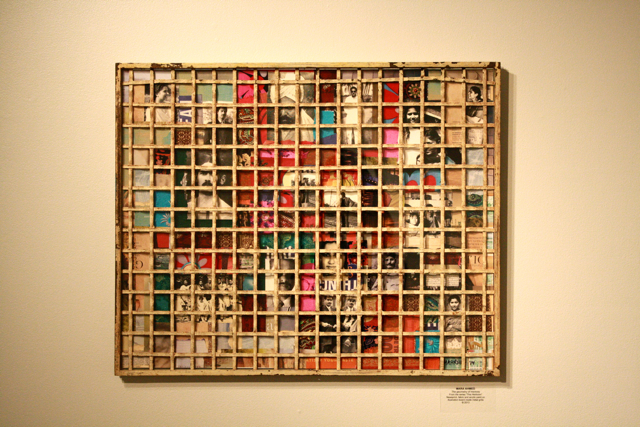
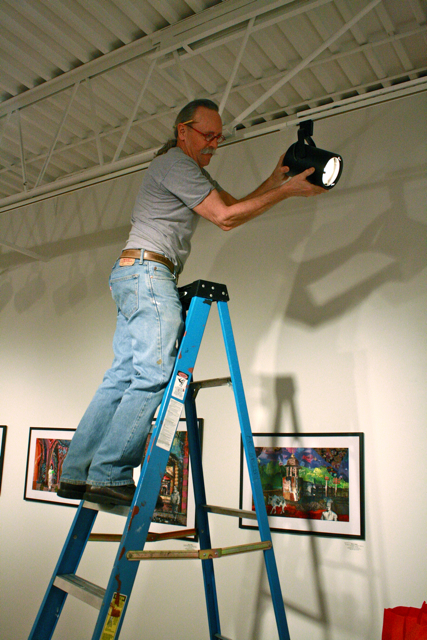
opening reception and artist’s talk on jan 24th. hope to see u there!
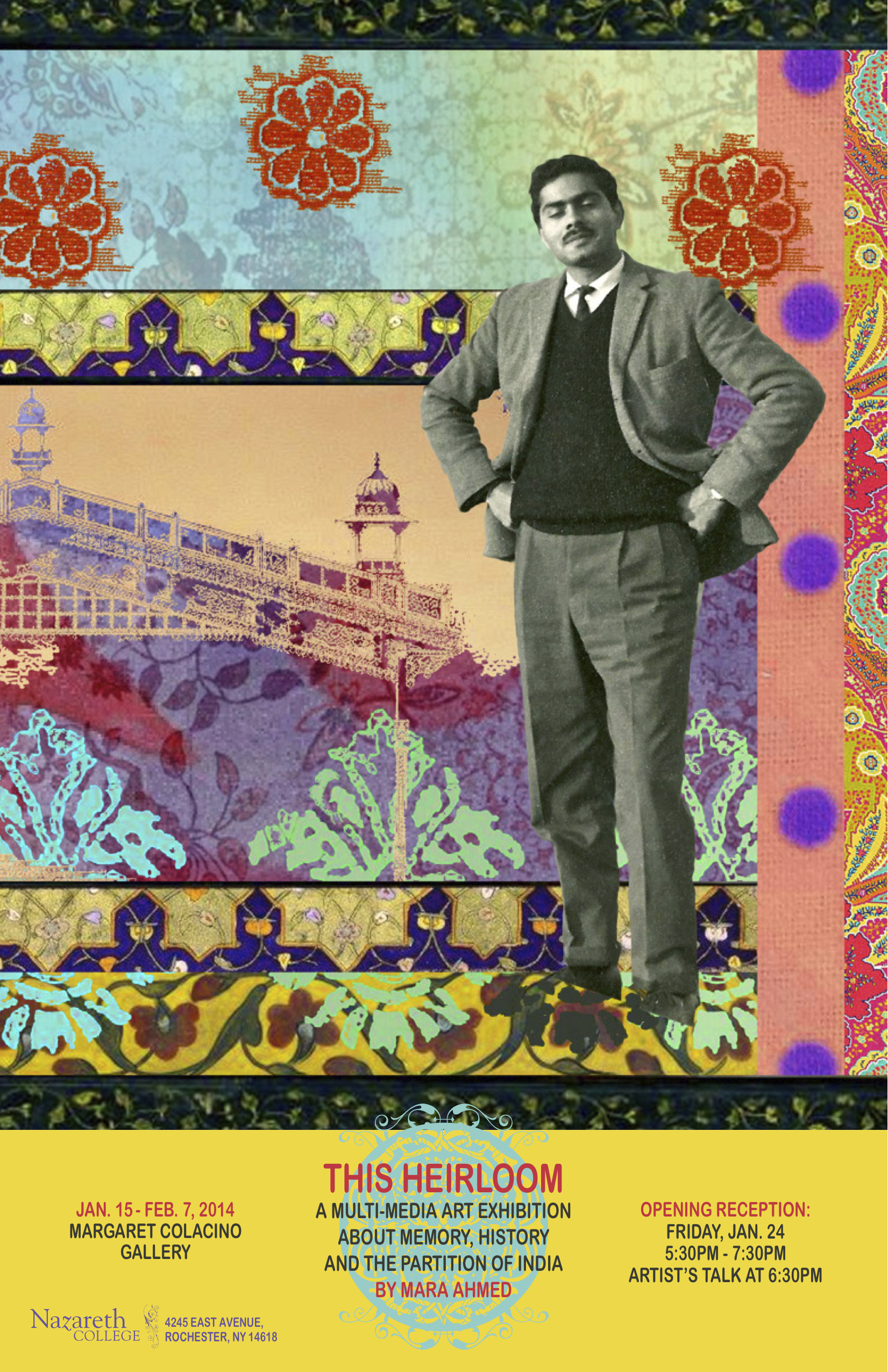
check out the press release for my upcoming multi-media art exhibition, jan 15 to feb 7, with an opening reception and artist’s talk on jan 24th. hope u can make it! more details here.
finished framing all the digital artwork last night. am ready for my vacation now.
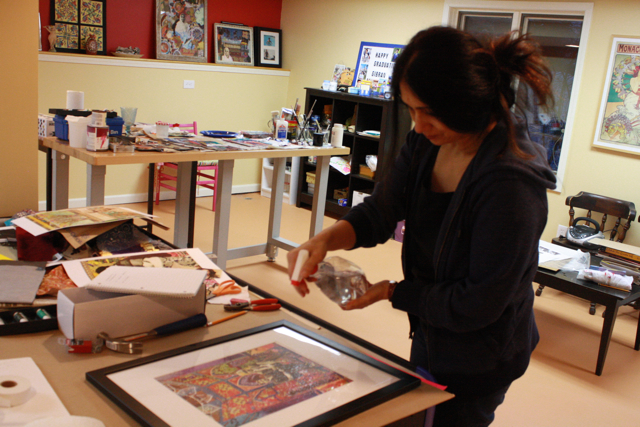
finished editing the video for my multi-media art exhibition which opens at the colacino gallery, nazareth college, jan 10, 2014. this is one of the pieces of music i’ve used in the video collage. it was played by ruth peck and recorded by dave sluberski. also used “ghost” and “salmon song” by the brilliant sunny zaman. can’t wait to see everything come together next year!
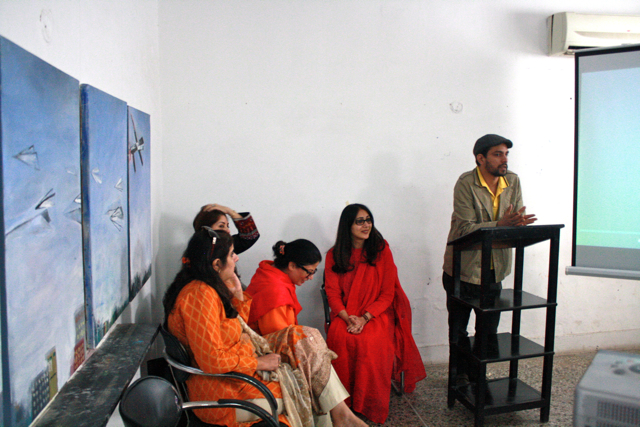
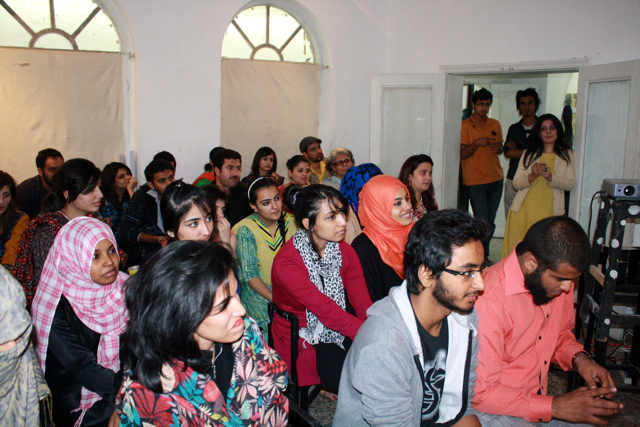
my documentary “pakistan one on one” was screened at hunerkada college of visual & performing arts in islamabad, pakistan, on oct 30, 2013. here are some pictures from that screening and trip.

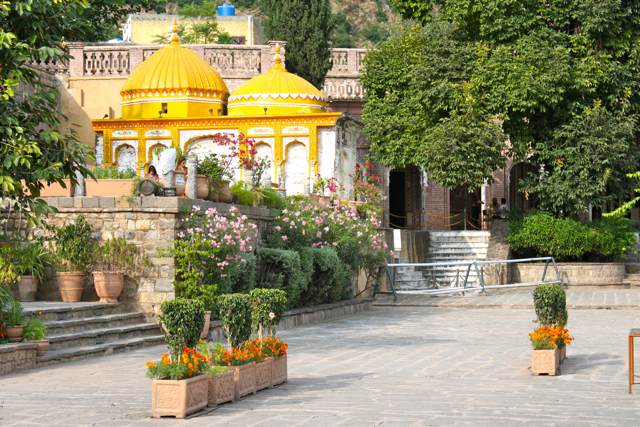
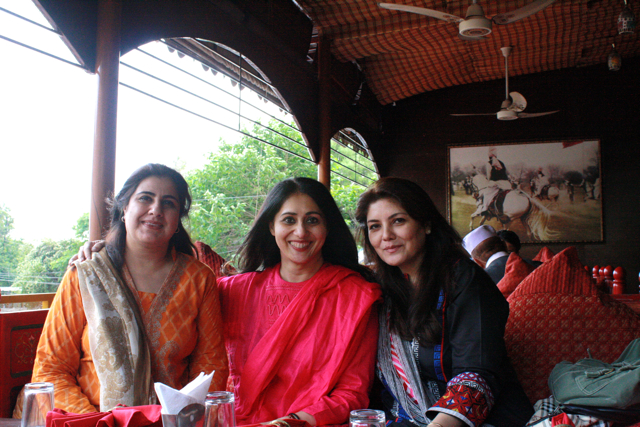
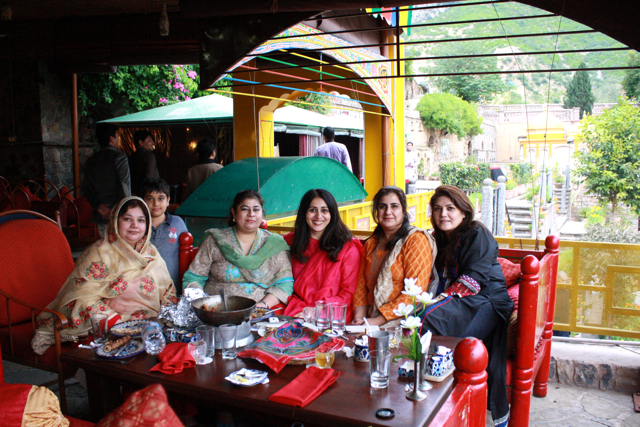
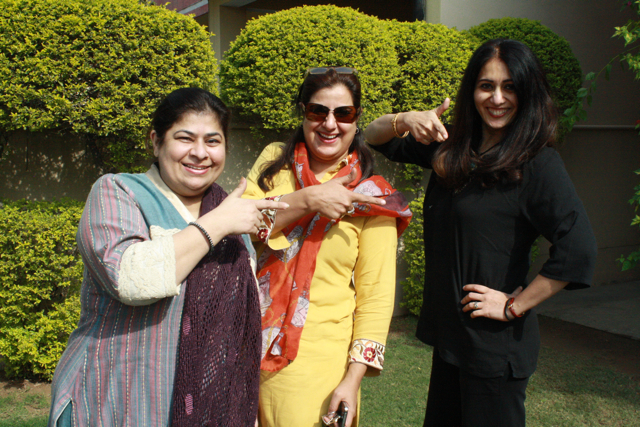

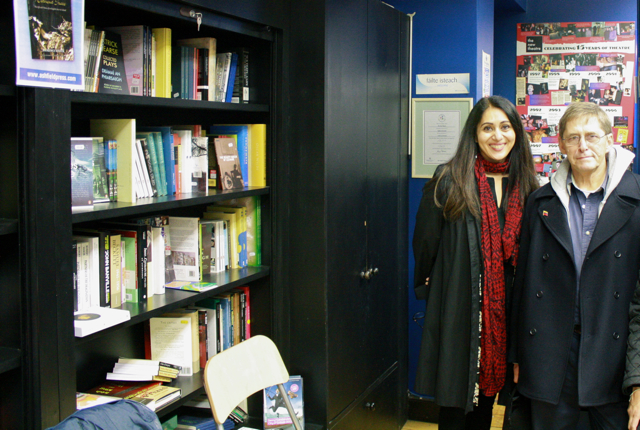
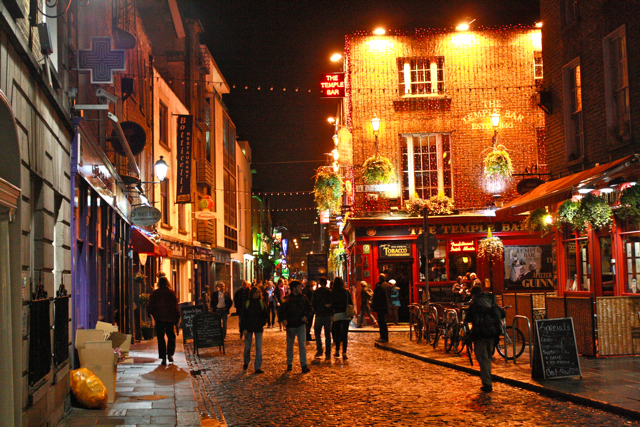

oct 19, 2013: presented a paper with my friend Rachel McGuire at the new creation conference at roberts wesleyan college today. the topic of our presentation was “eschatology and hospitality: an interfaith conversation.” we talked about hospitality as an equalizer of power – a way to restructure society. rachel spoke about prophets such as jesus and malcolm x who shake up oppressive power imbalances and decolonize our minds. i talked about amartya sen’s book “identity and violence: the illusion of destiny” and discussed complex, multi-faceted identities within each individual as opposed to cardboard stereotypes which pit unchanging, incompatible “cultures” against one another. we quoted jacques derrida, the letter to the hebrews, jesus, muhammad asad, and the andalusian sufi and poet ibn arabi. ours was the only interfaith presentation, presented by two people instead of one. it was academic but forcefully connected to our present reality. the response was brilliant. instead of one tentative question we got an array of questions and comments which ended up becoming a discussion. yay!!!
my co-presenter rachel is on my left and my friend eileen who was there to cheer us on, is on my right.

Sydney Pollock: Is starting hard?
Frank Gehry: You know it is. I don’t know what you do when you start, but I clean my desk. I make a lot of stupid appointments that I make sound important. Avoidance. Delay. Denial. I’m always scared that I’m not going to know what to do. It’s a terrifying moment. And then, when I start, I’m always amazed. ‘Oh, that wasn’t so bad.’
Ella Shohat: It was precisely the policing of cultural borders in Israel that led some of us to escape into the metropolises of syncretic identities. Yet, in an American context, we face again a hegemony that allows us to narrate a single Jewish memory, i.e., a European one. For those of us who don’t hide our Middle Easternness under one Jewish “we,” it becomes tougher and tougher to exist in an American context hostile to the very notion of Easterness. As an Arab Jew, I am often obliged to explain the “mysteries” of this oxymoronic entity. That we have spoken Arabic, not Yiddish; that for millennia our cultural creativity, secular and religious, had been largely articulated in Arabic (Maimonides being one of the few intellectuals to “make it” into the consciousness of the West); and that even the most religious of our communities in the Middle East and North Africa never expressed themselves in Yiddish-accented Hebrew prayers, nor did they practice liturgical-gestural norms and sartorial codes favoring the dark colors of centuries-ago Poland. Middle Eastern women similarly never wore wigs; their hair covers, if worn, consisted of different variations on regional clothing (and in the wake of British and French imperialism, many wore Western-style clothes). If you go to our synagogues, even in New York, Montreal, Paris or London, you’ll be amazed to hear the winding quarter tones of our music which the uninitiated might imagine to be coming from a mosque. More here.
…
talking about the notion of easternness, i am reading an excellent book called “good muslim, bad muslim” by mahmood mamdani. in the first chapter he discusses the idea of what we call the “west” and how it’s changed over time to become a racial identity rather than a geographical one. whatever exists on the periphery of the west is then called “east” or the orient. he talks v poignantly about this “blank darkness” (africa, pre-columbus america, etc) which cannot be categorized as either east or west. that’s a pretty large part of the world. the otherization of the east, esp islam, goes all the way back to the crusades.
i analyze this misguided need to partition identities into neat little boxes in a paper i’m writing which discusses “fractured identities.” i use al-andalus as an illustration of what that means.
Maria Rosa Menocal: One of the least appreciated features of Islamic culture, that vital part of it that comes directly from the poetry-loving and word-worshipping desert culture of the pre-Islamic Arabs, is the way that from the beginning it embraced the possibility of contradiction–as, I believe, poetry-centric cultures are bound to do. F. Scott Fitzgerald once famously said that the test of a first-rate mind was the ability to hold two contrary ideas at the same time. By that measure, which I think is essential for there to be true religious tolerance and the sort of cultural vitality that can come from that, Andalusian culture, and by extension much medieval European culture, was first-rate indeed. There are dozens and dozens of wonderful examples of this, little-known because we tell the story as if they, like us, were striving to be unified creatures: ergo, Arabs spoke Arabic, religious people were pious and would not have cultivated erotic poetry, and Christians spent all their time crusading against the enemy. more here.