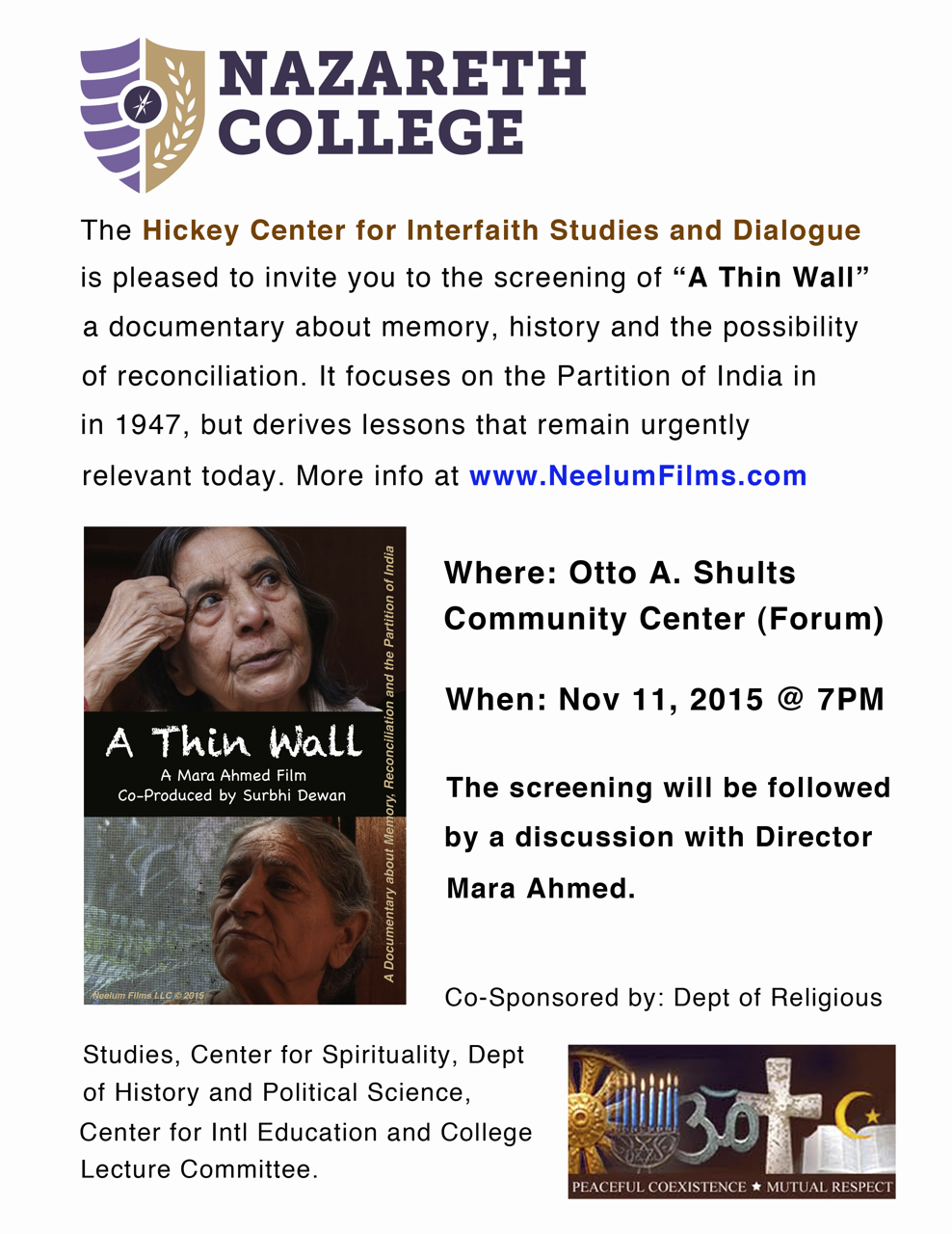
wonderful screening of A Thin Wall at nazareth college yesterday, under the auspices of the hickey center for interfaith studies and dialogue. a lot of dear friends and supporters, a large number of students, and new audience members who were introduced to the film.
during Q&A, a friend, who along with his family has made the journey from iraq to jordan to the US, asked about home, what is the meaning of home for immigrants and refugees? it’s such a broad, such a poetic question. i came across this today – it could be one answer:
My house says to me, “do not leave me, for here dwells your past.” And the road says to me, “Come and follow me, for I am your future.” And I say to both my house and the road, “I have no past, nor have I a future. If I stay here, there is a going in my staying; and if I go there is a staying in my going. Only love and death change all things.” (Khalil Gibran)
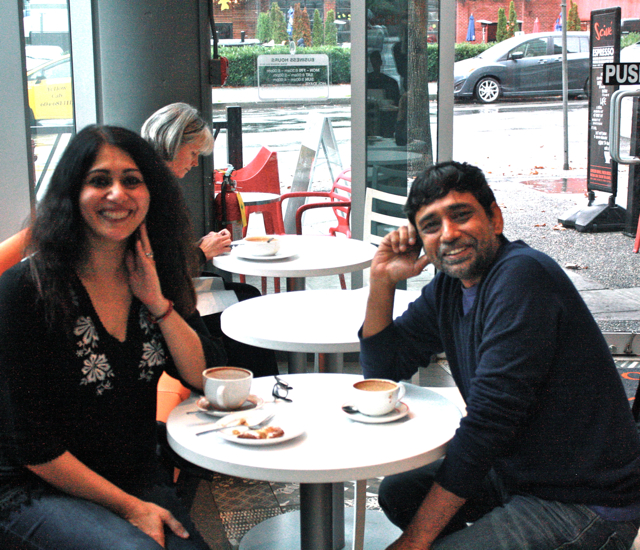
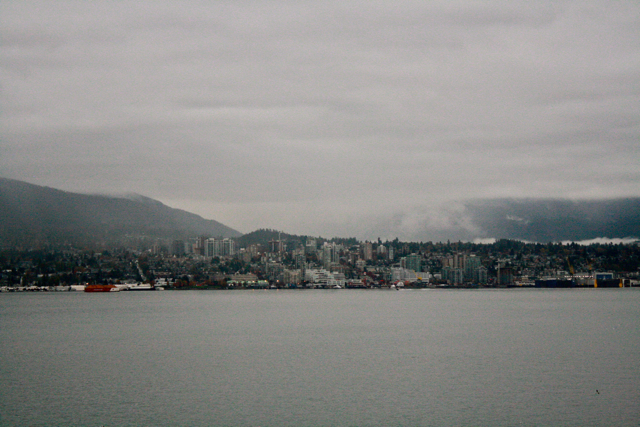
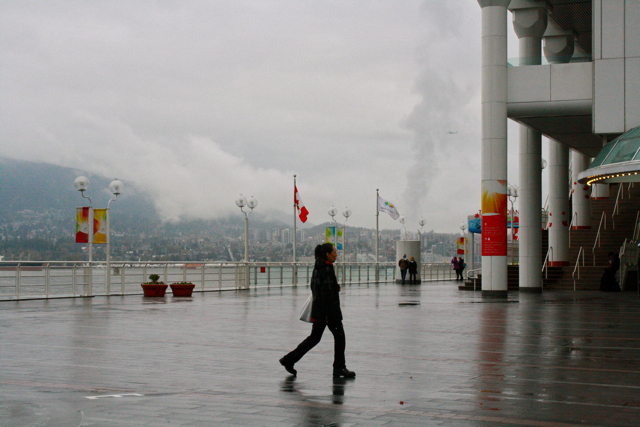
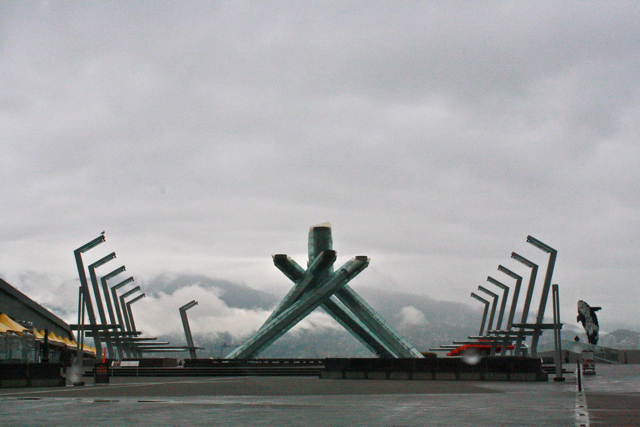
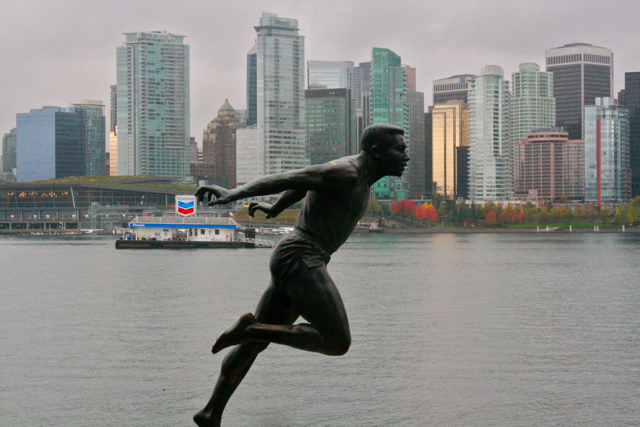
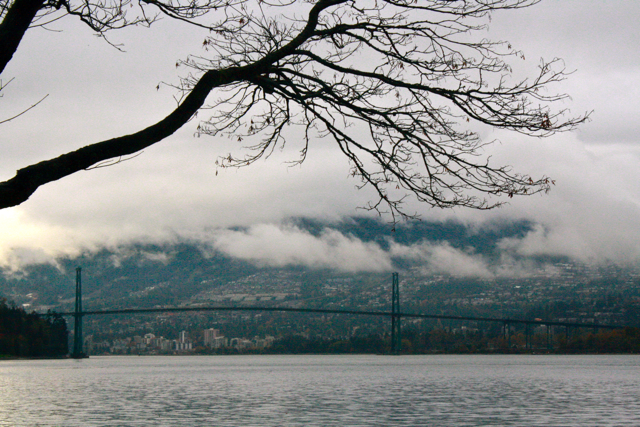
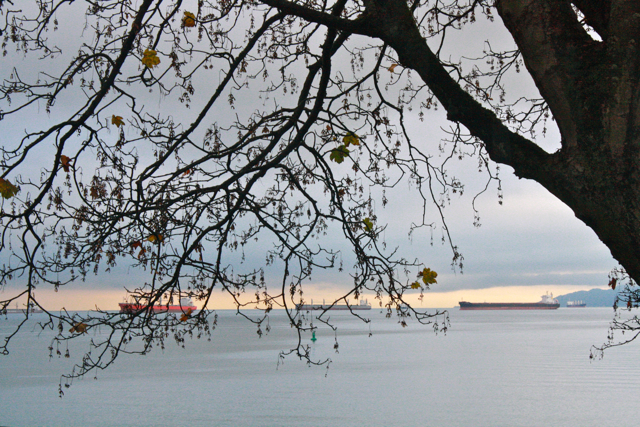
Oct 28: Yesterday we had a lovely screening at Langara College in Vancouver. It was organized by Indira Prahst, department of Sociology and Anthropology at Langara College, and Imtiaz Popat. Today, I started the day off by meeting the lovely Ajay Bhardwaj and discussing our work and films. I felt like I had known him forever. In the afternoon, I got on the Hop on Hop off bus and went around the city. Vancouver is caught between the North Shore Mountains and the Salish Sea. The views from Canada Place and Stanley Park are to die for. The weather was overcast all day. It was magical to see mist rising up from the sea, the smooth glassy water, and the variegated canvas of the sky where light kept painting an ever shifting seascape. I don’t like doing touristy things but I decided to try the FlyOver Canada flight simulation simply because I’ve flown so many times in my dreams. It was surprising. Not only can one feel the rush of fresh air as one flies over mountains and prairies but one can also smell pines and get soaked by the spray from Niagara Falls. I couldn’t help but think of the First Nations people of Canada whose lives and destinies have always been so intricately intertwined with this majestic land. As we drove thru Stanley Park marveling at 700 year old trees and gorgeous views of the Lions Gate bridge, the sun had just begun to set. It created glittering skyscrapers and a warm glow on the surface of the water, which seemed to hold ships and barges alike in its luminous fold. I took a million pictures. It was another day well spent.
indira prahst and mara ahmedmara ahmed and ajay bhardwajview of vancouver on a rainy daycanada placethe olympic cauldronharry winston jerome’s sculpture along stanley park’s seawalllions gate bridgesun setting on vancouver
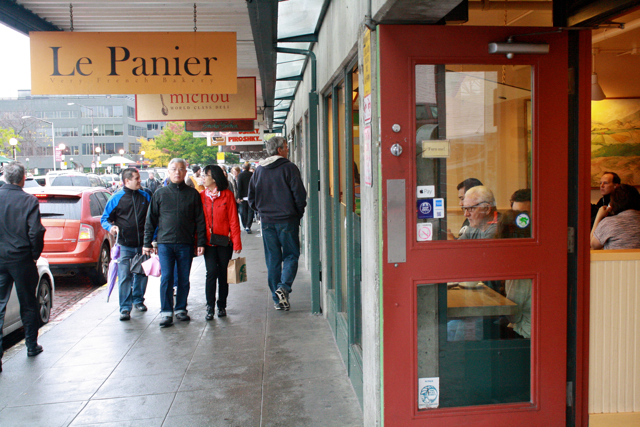
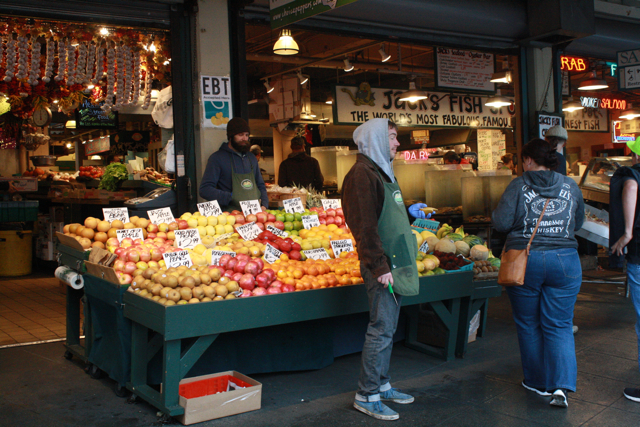
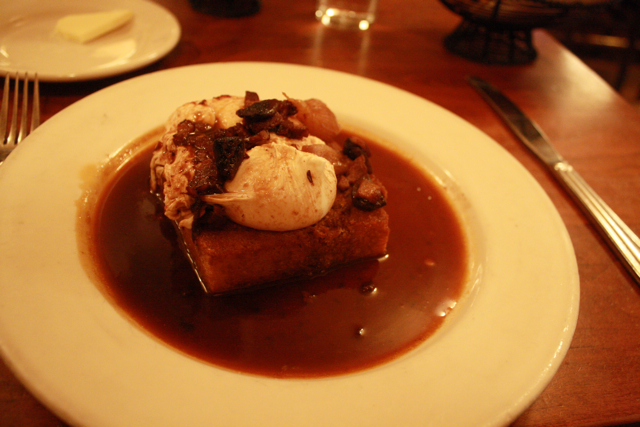
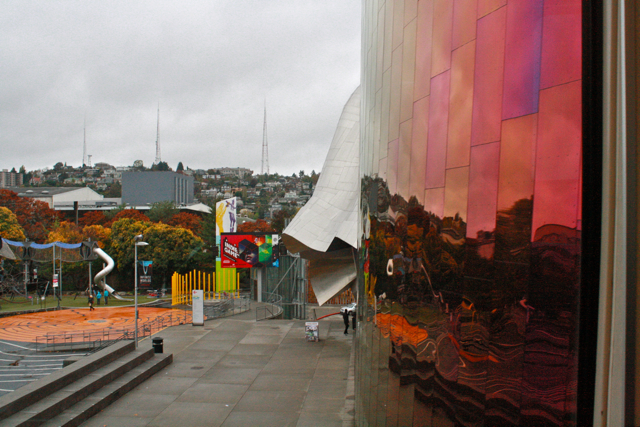
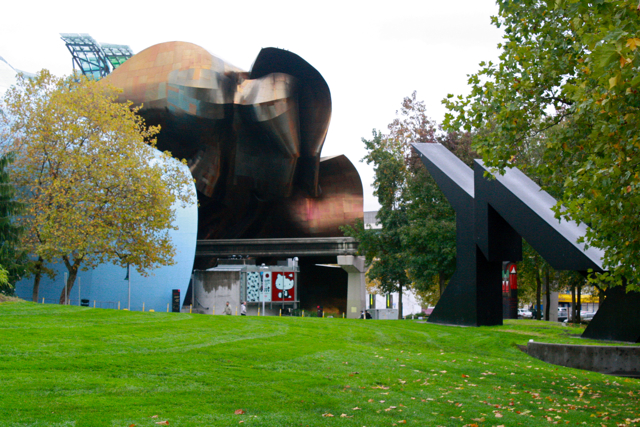
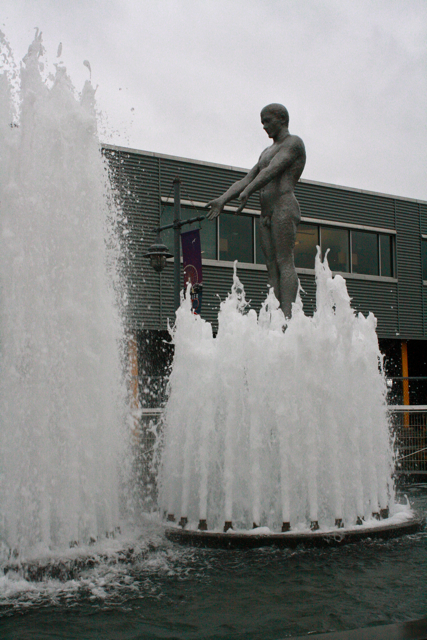
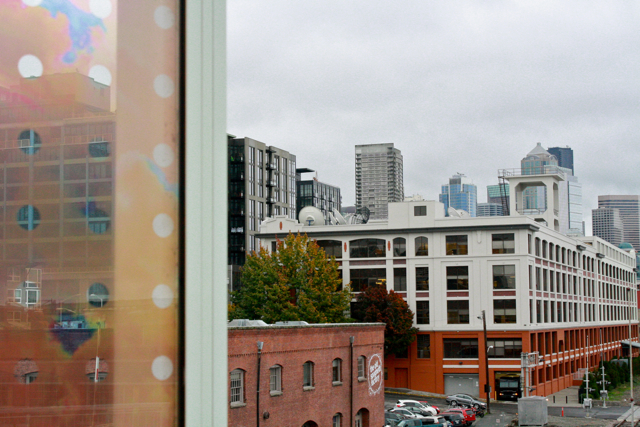
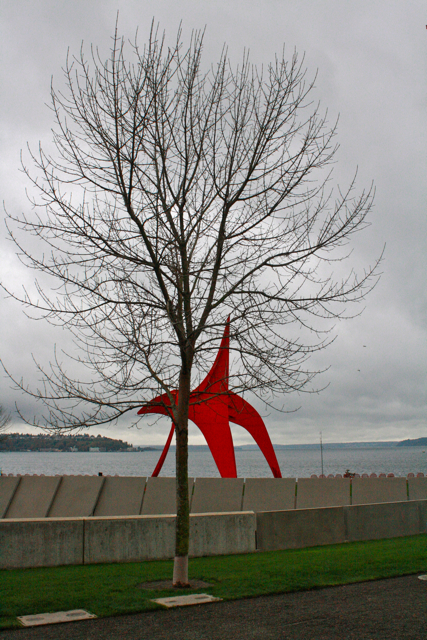
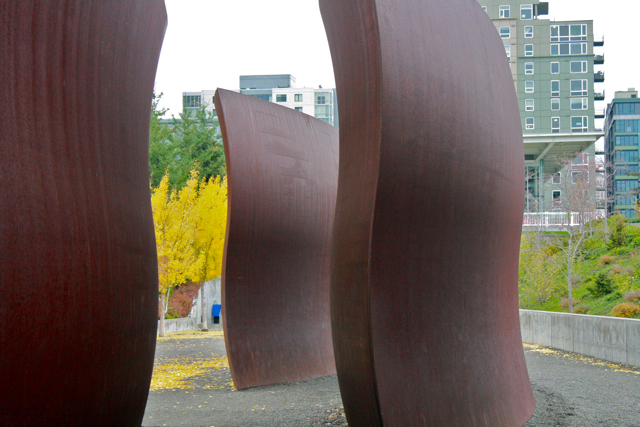
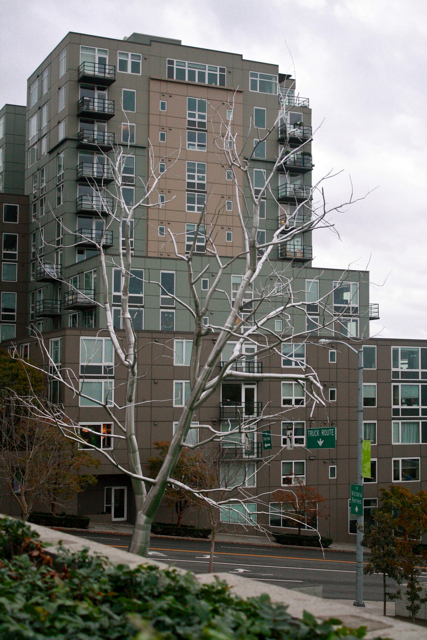
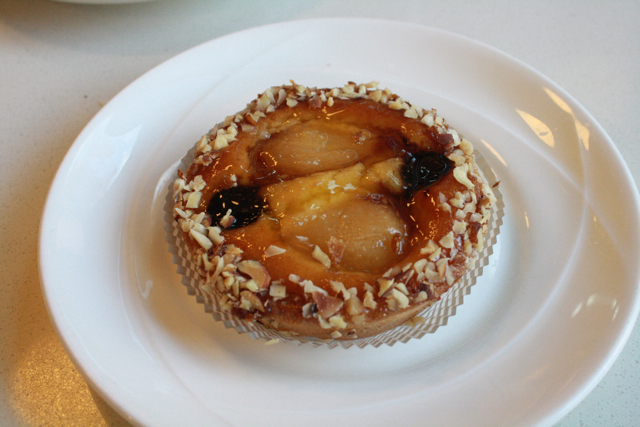
Oct 26: Spent lots of time at Pike Place Market this morning. Fresh fruits and vegetables, florists, chocolate shops, soaps and incense, pashminas, Bavarian meats, a Middle Eastern souk, tiny little restaurants, and of course, lots of coffee places, including the first Starbucks (dating back to 1971). I had a chocolate croissant (with the largest bits of sumptuous chocolate ever) and a tarte aux marions at Le Panier. After roaming around a lot more, I had some oeufs en meurette at Cafe Campagne – delish. Visited the Lisa Harris gallery and left with an original etching by intaglio printmaker Thomas Wood. Took the monorail to the Space Needle and walked along Broad street all the way to the waterfront. Loved the Olympic Sculpture Park, which is right by the water. There weren’t that many people there. A man was reading a book whilst enjoying a view of the waterfront. There were a few more people walking their dogs or running. The air was crisp and it was beginning to get dark. I could see lights coming on inside buildings opposite the waterfront. There are ships and warehouses and traffic lights and then the park, which is lovely. It replicates several ecosystems found in the Northwest. Not only that, it is filled with sculptures that mesh with the park’s natural beauty, sometimes in spectacular ways, other times much more subtly. We are talking about Louise Bourgeois, Alexander Calder and Richard Serra! This mix of sculpture, fall foliage, piers and ferries, ship terminals and skyscrapers, vast open public spaces in the midst of an urban landscape, create a wonderful sense of adventure. I was thrilled. I owe thanks to Smeeta for sharing her personal list of must-dos in Seattle, and to Nabeeha for teaching me how to navigate public transportation, for creating awesome dinners and for hosting me with such warmth and generosity. I am sold on Seattle 🙂
pike place marketfruit at pike place marketoeufs en meurette at cafe campagneon the monorailseattle centerEMP museumolympic sculpture parkolympic sculpture parkolympic sculpture parkolympic sculpture parkolympic sculpture park
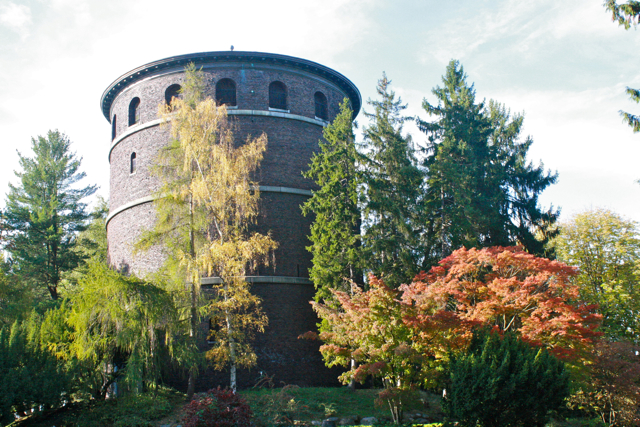
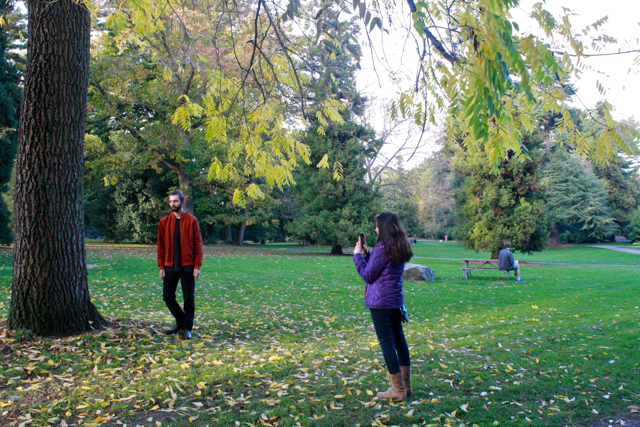
Oct 25: Went to Volunteer Park along with my wonderful hosts. It’s a beautiful park with a water tower, a conservatory, the Seattle Asian Art Museum and the “Doughnut.” It’s located in the Capitol Hill neighborhood. Lots of coffee houses, beards, flannel shirts, hoodies, and bikes. Very counterculture. No wonder this was the epicenter of the grunge scene. An ad for yogurt at the Westlake station, en route to the Transit Tunnel: “If your dad was this smooth, you’d have more siblings.”
water tower, volunteer parkvolunteer park, seattlebakery nouveau, capitol hill
v early tomorrow morning off to seattle, vancouver, san francisco, palo alto and berkeley. 10 days, 5 cities, 3 flights, 3 hotels, one train ride across the border to canada, 4 screenings of A Thin Wall, and lots of friends to connect with. yay!
A Thin Wall will be screened in Palo Alto on Nov 1st: The 1947 Partition stands as the largest human displacement in history: over 2 million people lost their lives, while 14 million were displaced. The 1947 Partition Archive preserves eyewitness accounts from all communities affected by Partition. To date, over 2000 unique life stories have been recorded in 10 countries. Presented in collaboration with The Archive, the Voices of Partition program features Mara Ahmed’s A Thin Wall (2015, Pakistan/India, 65 mins). More here.
Wonderful review of A THIN WALL by Nabeeha Chaudhary in the Seattle Globalist: Thanks to the Seattle South Asian Film Festival, Seattleites have the chance to watch and meet the filmmaker of “A Thin Wall,” a documentary that captures a range of memories from both sides of the border. From the recollection of a then 26-year-old man imprisoned for non-violent political activism with the Muslim League, to a then 5-year-old girl’s reminiscence of what life was like on “the other side” in India, memories of the partition are deeply alive in the minds of the multiple generations shaped by it. More here.
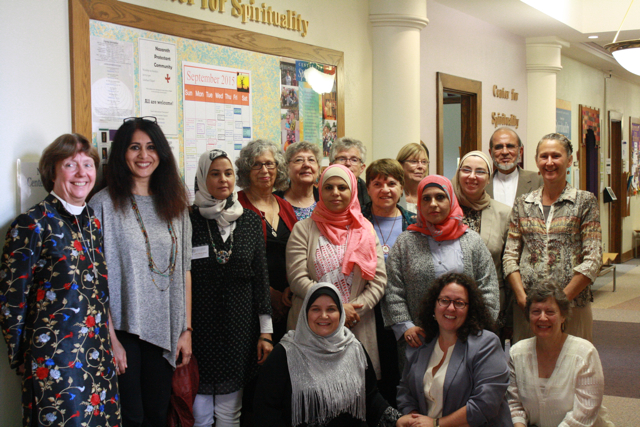
met women activists from jordan, iraq, egypt, saudi arabia and palestine to talk about “how dialogue, education and community building contribute to harmonious living in a pluralistic world and the role of faith based organizations in responding to social change.” altho these topics are interesting, i felt that we were not able to mesh them with the realities lived by these incredible women, in the short time that we had. i would have liked to hear from them and then perhaps tried to explore some overlaps or some opportunities for partnering. but explaining to them how interfaith dialogue works in the US, when we are not at war, or under occupation, or oppressed by a military or dictatorial regime, seemed out of touch. yes, education is important and so is interfaith work, but what about the ongoing wars which are ravaging the countries these women call home? as americans, we have something to do with that. if interfaith dialogue is about respecting the other, if it’s about listening and then talking things thru, if it’s about negotiation and transformation rather than confrontation and attack, then why can we not apply these princliples to macro-level decisions that would transform both domestic and foreign politics? it’s an astounding disconnect. one of the women, a project manager from ramallah, called us out by pointing to the politics of zionism and how interfaith coexistence was disrupted in palestine after 1948. she asked: “how can we have interfaith dialogue when our holiest religious sites are being attacked and we are not allowed to pray there?” legitimate questions which were addressed by how, as interfaith practioners in america, the word zionism was painful for us to hear because it didn’t account for the pain of israeli jews and arabs. unfortunately, it’s this complete unplugging from reality which comes across as overly arrogant and hopeless. the women activists were amazing though – wish i could have had hours and hours of honest, one on one conversations with each and everyone of them.
A v small portion of our interview with StoryCorps. Later we delved into racism, privilege, and the similarities between Pakistan and the US. Much more thought-provoking stuff. Anyway, even though my picture is atrocious, here it is.
a couple of days ago, i presented two awards at the rochester teen film festival. one for “best social justice message” – it was awarded to east high school kids who made a film about volunteering by focusing on the homeless in rochester. they interviewed sister grace and shot the homeless tent city which was later bulldozed by the city of rochester, in the middle of a harsh winter (in dec last year). it’s always riveting to see young people take ownership of their community. i was truly moved by these kids, many of whom come from tough neighborhoods, and their desire to improve the world around them.
i also presented the award for “best animation”. i talked about how my first reaction to the piece was that it looked more like video art produced by an artist rather than straightforward animation. set to verdi’s requiem, it’s full of symbolism, movement, panache, and color – color which like the music that accompanies it, swells into a stunningly grand and expressive register. verdi’s requiem is often called an opera in disguise or a requiem on steroids. to be able to visually conceptualize verdi’s larger-than-life, dynamic music, what better medium than animation and what better language than the abstract language of dreams and symbolic imagery. river melcher’s “a dream of evolution” brought all these elements together with incredible artistry. check it out.
July 30-31, 2015: attended a symposium at nazareth college. it was about the interaction between cultural identity and religious belief. papers were presented by academics from saudi arabia, many of them women. the discussion was harmless enough as it supported dialogue and co-existence, all theoretically though, with very little analysis of the political realities on the ground. what was not said, not critiqued, not challenged was, in a way, more telling.