tomorrow another screening of A Thin Wall and a discussion about the partition of india, in seattle, by Tasveer and the Bellevue Arts Museum. the director will be skyping in after the screening. the event is free to the public. more here.
Category: projects
Multiple screenings of The Muslims I Know
This week multiple screenings of The Muslims I Know, at Asbury First United Methodist Church, 1050 East Avenue, Rochester, NY 14607.
The schedule is as follows:
Monday, January 18, 6:30 pm, Dining Room
Wednesday, January 20, 10:30 am, Red Room
Wednesday, January 20, 6:30 pm, Red Room
Saturday, January 23, 10:30 am, Dining Room
Sunday, January 24, 9:45 am, Fellowship Hall (lower floor)
Discussion: Sunday, January 24, 1:00 pm, Sanctuary
talk at women’s council of RIT meeting
jan 20, 2016: gave a talk at the women’s council of RIT meeting, followed by a screening of the first 20 minutes of A Thin Wall. in my talk i was able to question the “exotic” nature of the indian partition by bringing up a question i was asked by Carol White Llewellyn during an interview at RCTV. she had asked me how people seemed to be living in relative peace prior to partition, but once partition was announced everything descended into chaos and horror. how could such a “switch” happen? i was still thinking about that when i came across rose hamid, the woman who was ejected from a trump rally where she stood in silence, wearing a t-shirt that said: “salam, i come in peace.” in an interview with CNN she said that it was her sincere belief that if people get to know each other, one on one, they will stop being afraid, and will be able to get rid of all the ongoing hate in the world. she explained how people around her were quite lovely initially – they were sharing their popcorn with her and she had great conversations with them. but when trump began to speak, the crowd’s mentality changed. it was a vivid example of how hateful rhetoric can incite a crowd and (pretty quickly) create a dangerous mob. that’s how the switch happens.
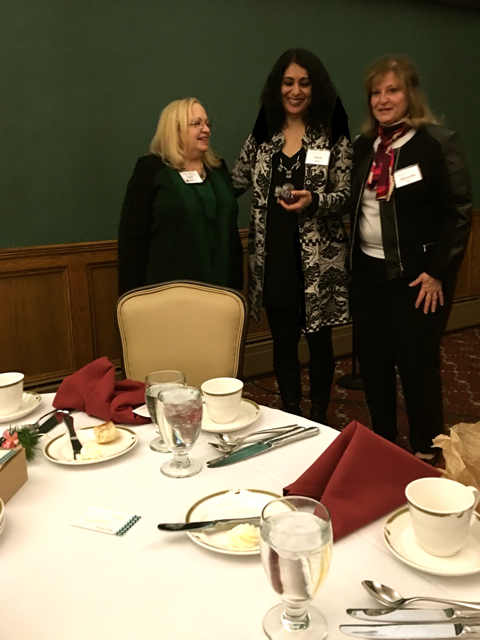
three year ago
this was three years ago, when i joined a u of r class called “theatre in england”: 25 plays in london (mostly) and its environs in 3 weeks, which i got to spend in the center of the city. here i am standing with the legendary dr russell peck, who designed this brilliant course decades earlier, and his beautiful wife ruth peck, a superb pianist who played all the classical music for the film “A Thin Wall.” two of my favorite human beings on the planet.
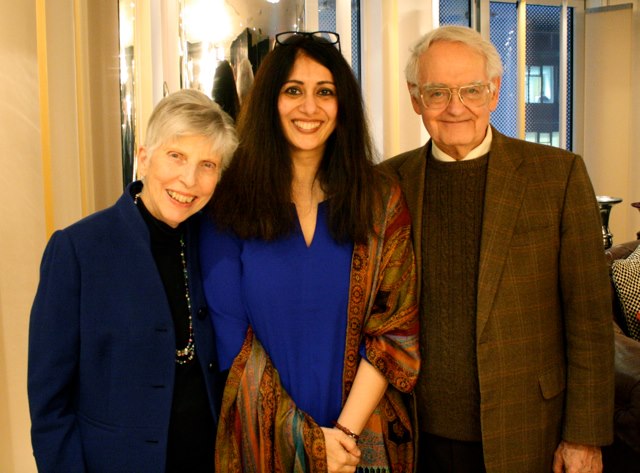
Mara Ahmed, the Filmmaker Behind A THIN WALL
Carol White Llewellyn: Mara tells of how, when she met co-filmmaker Surbhi Dewan at Rochester Institute of Technology, they discovered they had a shared “mirror” experience. Mara was born in Pakistan, but her family’s roots were in India. Surbhi grew up in India, but had Pakistani ancestry. Their disenfranchisement from their family heritage was the result of the forced 1947 partition that split the two countries along lines of religion. Mara is a passionate and eloquent storyteller. She focuses her film on the people and lives changed forever as a result of the poorly-executed political chess game. A Thin Wall is a richly textured living collage. The universal themes of love and patriotism, as well as both the dark and bright sides of humanity flow through the film. They are carried on poignant interviews, captivating animations, gorgeous visuals, and a story vividly told. ?More here.
Excerpt: Mara Ahmed, the Filmmaker Behind A Thin Wall . from CAROL WHITE LLEWELLYN on Vimeo.
Mara Ahmed, the Filmmaker Behind A Thin Wall from CAROL WHITE LLEWELLYN on Vimeo.
Terror Hub or Empire of Fear by Mara Ahmed
my new piece published in countercurrents today.
…
A wonderful housewarming party the day after New Year’s, in a Rochester suburb covered with bright, powdery snow. A diverse group of guests – musicians, poets and academics, but also physicians and lawyers, neighbors, grandmothers, Indian, Iranian, Russian, Belgian, and of course, everyone soundly American. The hors d’oeuvres are splendid, I assume that the wine is good, the conversation flows.
In the midst of preliminary introductions and stories about work, the subject of terrorism comes up. It’s to be expected. Rochester has just experienced the latest terror plot in which a socially marginalized Muslim man with a history of mental illness was bulldozed by the FBI into planning an attack, and then quickly arrested. New Year’s fireworks were cancelled and Rochester joined the ranks of global metropolises like Paris and New York City. The excitement didn’t last long though, as the sad details of a local panhandler’s entrapment became known.
“Why has Belgium become a terror hub?” someone asks. There is some discomfort, some evasion, but the question is repeated several times. The Belgian guest explains how things have changed over time. We talk about Molenbeek, a municipality of some 95,000 people in the Belgian capital, an area inhabited by Muslims and North Africans, the alleged suburb “at the heart” of the Paris attacks. I express my displeasure at stereotyping entire neighborhoods for the actions of a few. I remember some of my Moroccan and Algerian friends at the Lycée Emile Jacqmain in Brussels. They might have been from Molenbeek. It wasn’t on the radar in those days, not newsworthy enough.
We discuss the social inequities that exist in many European cities, the impossibility for second and third generation, non-white immigrants to be absorbed by the mainstream, the high rates of unemployment and crime, the clustering of poverty, and the geography of racist segregation whereby central Paris becomes a foreign country to those relegated to the banlieues. Disaffection does not need to be imported from abroad, it’s borne of systemic, multigenerational discrimination.
Someone marvels at Europe’s difficulties with immigrants in light of the relative success we’ve had here in the United States. I mention Black Lives Matter and the ongoing war on American black men. But they’re not immigrants, I’m told. Indeed, they’ve been here forever and they’ve built this country, yet the projects look incredibly similar to the banlieues. Could racism be a point of intersection?
In an interview with Bill Moyers, in November 1988, Derek Walcott spoke about the appalling ghettoes of America, about the “colony” which exists within the empire. He said it might have something to do with denying the responsibility of being an empire, not just a global empire but also a domestic one.
This denial of empire creates endless confusion in American political discourse and lends itself to dangerous manipulation. It’s astonishing that the American public, protected by the mightiest military juggernaut in human history, is constantly afraid.
Al Qaeda, and now ISIS, can strike fear into the American heart in a way that is completely out of whack with reality. After all, it’s our military power that continues to flatten countries and kill innumerable people in the Global South, in invisible, largely privatized, open-ended wars, not the other way around.
The discussion at this lively party, organized by a dear friend, leaves me unsettled. I come home to find an article about Molenbeek in the Socialist Worker. It sounds all too familiar. In the piece, dated November 2015, Belgian activist Farida Aarrass describes heavy police presence in the area. There are frequent house raids, blatant profiling and use of racist language. These problematic dynamics with law enforcement remind me of inner city Rochester.
Aarrass explains how every terrorist incident or so-called plot is used to escalate repression. The media join in cheerfully by beating the drum of “jihad” and in the world outside of Molenbeek, there’s steady harassment and Islamophobia. People are frightened. Their fears are legitimate, grounded in a threatening reality, in which their homes and physical sense of security are routinely violated.
Americans, on the other hand, are 353 times more likely to die from a fall, while cleaning their gutters or putting up Christmas lights, than from a terror intrigue. But even those odds are not satisfactory. The policing of thought, preemptive arrests, the profiling of minorities, even the targeting of the mentally ill, are all permissible in the quest for perfect security. The rest of the world knows that such a quest is bound to fail and that fear is a miserable way to live. Let’s hope we catch on soon.
More here.
My interview on Conversations with Creatives
I will be on “Conversations with Creatives” talking to hosts Carol White Llewellyn and Rajesh Barnabas, on Channel 15 in Rochester, tonight at 6:30pm, on Saturday at 2pm, next Monday at 6:30pm, and the following Saturday at 2pm. Hope u can catch the show 🙂
Who’s More Islamophobic, Donald Trump or the Democrats?
Max Ajl: The political philosopher Sayres Rudy lists the steps through which the advocates of the War on Terror craft this new post-Orientalism brand of racism. The updated variety, first, “rejects crude racist caricatures,” second, “emphasizes intra-cultural diversity,” third, “deploys social-anthropological research methods,” fourth, “avoids ahistorical and acontextual abstractions,” fifth, “foregrounds political and economic grievances,” sixth, “lets the Other speak,” and finally, “expresses a reluctant, confused, and evolving sense of the ‘Orient.’”
Politicians and pundits now justify U.S. policy with a new racial logic. The first step is recognizing, as Rudy continues, that “political, economic, and social suffering is ubiquitous and constant.” The second is noting that “Muslims are disproportionately involved in terrorism.” The inescapable “conclusion is that some aspect of Islam turns common grievances into the uniquely anti-humanist ideologies (“apocalyptic nihilism”) and actions (suicidal terrorism) of a deluded and irremediable minority.” Because they are irredeemable, the only possible way of dealing with them is war. Hence the Islamic State group provides a perfect enemy.
The Clash of Civilizations is now passé – at least to talk about. To speak of a singular Muslim civilization is crude. But there is a shared perspective that Muslims have a recurring tendency – no matter its infrequency – to radicalize and birth extremism. In spite of that, broad brush strokes and blatant talk of shutting the doors on Muslims cuts against the grain of current liberal sympathies, which want to absorb Muslims into our nationalist consensus, while continuing to destroy their worlds. The issue is not racism itself, but that Trump makes explicit the racism which is hidden and structural within U.S. policy. More here.
native informant asra nomani in the washington post
native informant asra nomani, whose hero is new atheist/dedicated shill for empire bill maher, writes an article in the washington post warning good americans not to stand in solidarity with muslim women who wear the hijab. after all, muslim women who choose to be visibly muslim and can be coded as such, don’t deserve solidarity but rather the verbal and physical violence that they’ve been subjected to in an increasingly hysterical west. muslims constitute 1% of the american population, muslim women a whopping 0.5% and those who wear the hijab an even smaller fraction of that 0.5% – let’s not let things get out of hand. she begs decent westerners not to translate the word hijab as “headscarf” (even articles of clothing worn by muslims must embody some sort of nefarious intention) and urges them not to encourage islamist ideology. what courage it must take for ms nomani to address 99% of the american public, already in the throes of islamophobic anxiety, and enjoin them to view a microscopic and vulnerable contingent of mostly non-white women as some kind of ominous threat to pro-women western values. what next ms nomani, forced unveilings like those practiced by the french in colonized algeria? whether nomani believes in the hijab or not and whatever sinister significance she wants to attribute to it, women have the right to dress whichever way they want. what women choose to do with their bodies is a personal choice, whether it be their uterus or their face or the top of their head. live with it.
Cafe DC: Filmmaker Mara Ahmed
My interview with Voice of America – VOA in DC about A Thin Wall, the partition of India and much more.
…
Meet Mara Ahmed, a filmmaker born in Lahore, now living in the US. She discusses her film “A Thin Wall” about the Partition of India and the personal impact on her family. More here.
the west coast is the best coast
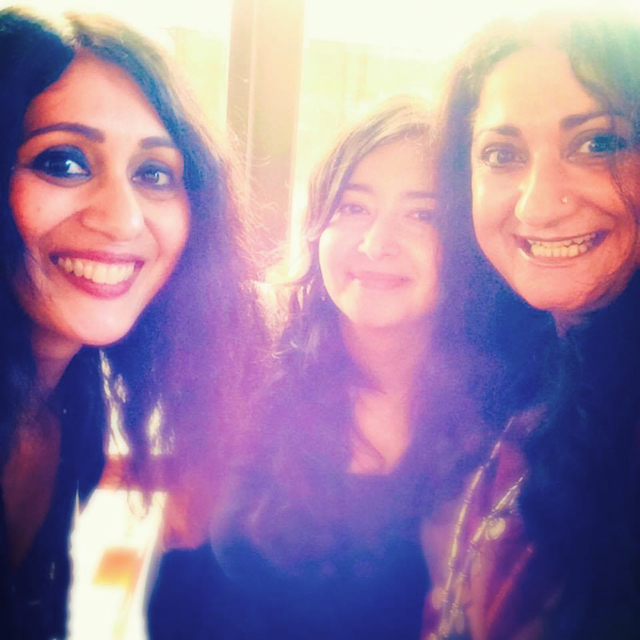
some more pictures from the film festival in palo alto/san francisco and the wonderful time i had with my girlfriend huma!
interview at VOA in DC
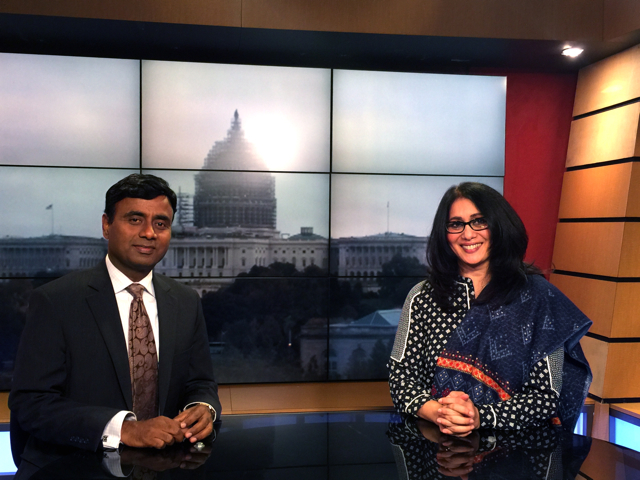
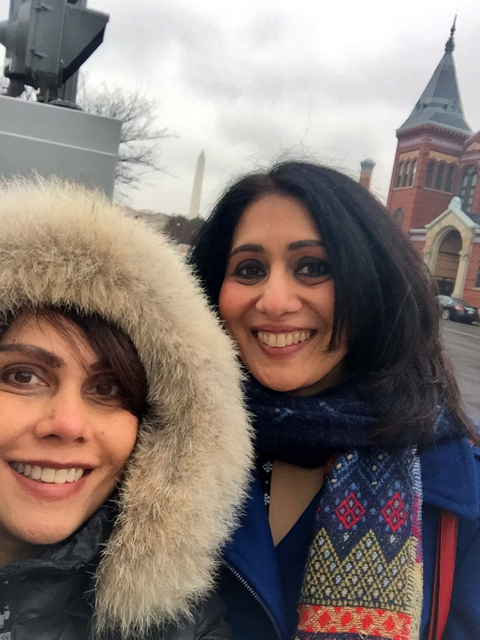
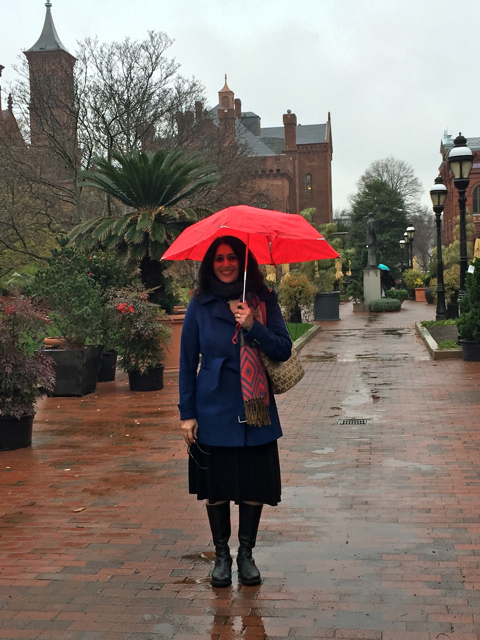
this year thxgiving was followed by an interview about “a thin wall” with broadcast journalist faiz rehman, at voice of america, in DC, followed by a wonderful visit to the Hirshhorn Museum and Sculpture Garden along with my gorgeous sister.
it was raining but we took the metro and had a great time in the city. finished the day off with dinner at Earls Kitchen and Bar. the people in DC are lovely. at one point we forgot to change metro lines and were looking at a subway map when a woman walked up to us and offered to help, just like that. it’s incredible when people can find the time to connect in this way, in today’s hectic world.
have some interesting thoughts about one of the exhibits at the hirshhorn museum. it was called “marvelous objects: surrealist sculpture from paris to new york.” will write more about that later.

“The Paris attacks: should France rain flowers?” by Mara Ahmed
my reaction to the paris attacks – the piece was published in its entirety by city newspaper today.
…
Mara Ahmed: “Once again we’ve seen an outrageous attempt to terrorize innocent civilians. This is an attack not just on Paris, it’s an attack not just on the people of France, but this is an attack on all of humanity and the universal values that we share.” -President Obama, November 13.
I love Paris. I was there last Christmas. The weather was mild spring weather for us Rochesterians. The city was all lit up, festive, alive. On our first day in Paris, my husband and I attended Sunday Mass at Notre Dame de Paris, then joined our kids for dinner at a Lebanese restaurant, owned by an Iranian, where we had delicious makanek and manouche.
Every day, the Eiffel Tower would begin to shimmer at dusk, and we’d head to the Christmas market along the Champs-Elysées. There’s nothing like churros and a hot drink on a cold winter night. Children would be ice-skating in a small, makeshift rink with plenty of cheerful music to induce a camel spin or two.
Our kids wanted to take a look at the elusive Mona Lisa, so we did that, as well as partake of the ostentatious gold at the Chateau de Versailles. But my favorite place continues to be Montmartre. The Sacré-Coeur is always magical and the views from the hill stunning. We met some friends at a restaurant and felt perfectly happy and at home.
Yet after the Paris attacks on November 13 and the facile discourse in mainstream media, I have to ask myself: Why is Paris the city of love and lights rather than the capital of the brutal French Empire? Why do Parisians represent humanity more than the Lebanese whose lives were extinguished in suicide attacks the day before?
Why are French values better than Turkish values? An equally horrible bombing in Ankara, just a month earlier, targeted Turkish lives and values, after all.
I am reminded of Rachid Ouaissa’s perspicuous essay “Frantz Fanon: The Empowerment of the Periphery,” in which he talks about how “the so-called globalization, with its new forms of domination and exploitation under the auspices of the IMF and World Bank as well as the speculative economy, drives masses towards a kind of chronic marginality, promoting the emergence of violent peripheries.”
In the same way, and even more dramatically, war transfers chaos and violence from the center, the fortified First World, to Third World hinterlands. It’s nothing new. The Bush doctrine aimed for this kind of transference in clear, concise words: the need to fight them over there, so we don’t have to face them here.
Before adopting the mind-numbing language of “us vs. them,” it’s essential to go back to Fanon and his apt analysis that “Europe is literally the creation of the Third World.” Indeed, let’s try and imagine France without Algeria, or the British Empire without India, or Belgium without the Congo, or the United States without genocide and slavery. The Global North exists as it is now because of the Global South and what it is now. Their histories, psychologies, and present-day realities are deeply imbricated and cannot be so easily untangled.
Unfortunately, rather than acknowledge, unknot, and begin to resolve some of the complexities of these centuries-old power hierarchies and the damage they continue to inflict, we prefer to bury our heads deeper in the sand and talk in childish binaries of good and evil or the clash of civilizations.
Whenever systemic violence, which created and sustains the current world order, spills into the First World, it is received with incredible shock and outrage. Why are we not cognizant of similar atrocities happening on a daily basis in Afghanistan, Iraq, Syria, Yemen, or Somalia – places that we invade, occupy, drone, and decimate without a second thought?
Why is the solution to any act of aggression, the reflexive bombing of civilians on the periphery, usually described in the aggregate as a “war zone” or “ISIS headquarters”? And why is this kind of generic revenge accepted, if not embraced, by all – this mind-blowing logic of bombing Syria as a solution to every problem and then refusing to shelter Syrian refugees fleeing the war?
I am Pakistani-American, and I am unceasingly stunned by the reactions I see on social media, where well-meaning Pakistani citizens ask questions like “What do you expect France to do? Rain flowers?” This detachment of France from its past and present imperial exertions, this divorcement of violence from power and empire, this split between the center and the periphery, is all the more problematic when it’s parroted by the Global South.
Yet in a way it makes perfect sense. The Third World too has its centers and peripheries. When a small group of Taliban forced their way into a school and massacred children in the Pakistani city of Peshawar in 2014, the process of mourning this incomprehensible horror became laced with bloodthirsty vengeance.
My social media newsfeed was flooded with images of lynched men. “Terror suspects must be hanged within 24 hours,” perfectly nice people declared. A Pakistani woman, holding a toddler in her profile picture, urged the Pakistani army to “kill them all, kill their neighbors, kill their friends, kill anyone who gives them bread, kill anyone who offers them shelter….” She went on for an entire paragraph. In Pakistan, too, it is okay to sacrifice the indigent, voiceless, faceless people on the periphery, in North Waziristan, in order to ensure safety for the privileged center.
And so it is with the killing of young black men in America, whom a militarized police force must “contain” to make life safer/whiter on the right side of the tracks.
I recently completed a documentary film about the partition of India in 1947. A few days ago, right after the Paris attacks, I was thinking about the parallels between the partition and what happened in Palestine in 1947-48. One overwhelming similarity was that both events are unquestionably embedded in colonialism.
I was reading about the Arab uprising against the Ottoman Empire in 1916, how it was strongly encouraged by the British, but after the war was won, the Arab people were not granted independence. On the contrary, the Sykes-Picot agreement was signed secretly, and the Middle East was divided into British and French spheres of influence. I couldn’t help but think of another, much more recent Arab uprising which was crushed by harsher dictatorships, military interventions, perpetual civil strife, and proxy wars.
As Michel Foucault would say, the past is never dead. It continues to haunt us, control us, define us. We must use it to understand our present but most importantly, most urgently, to come up with a better world.
Mara Ahmed has lived and been educated in Belgium, Pakistan and the US. An artist and filmmaker, her third documentary “A Thin Wall,” about the Partition of India in 1947, premiered at the Little Theatre in April 2015 and was subsequently screened in Bradford (UK), Seattle, Vancouver, Palo Alto, and Berkeley. She lives in Pittsford with her two children and husband.
More here.
The article was republished by the Love and Rage Media Collective. See here.
San Francisco, Palo Alto and Berkeley
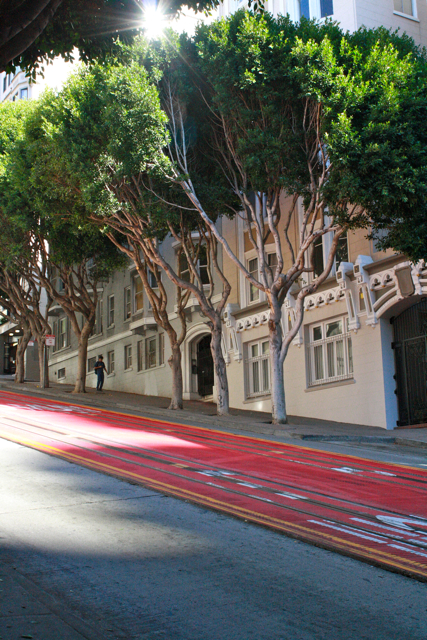
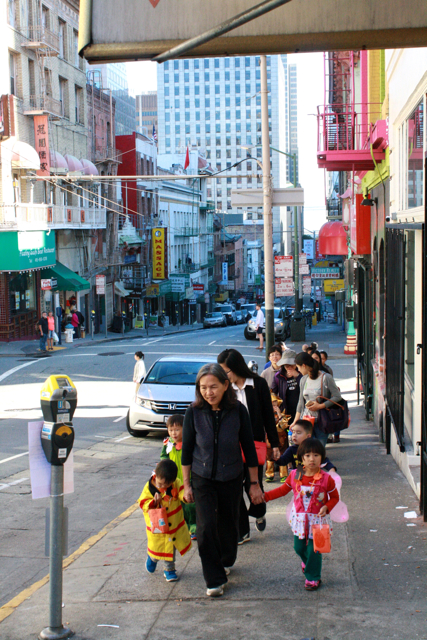
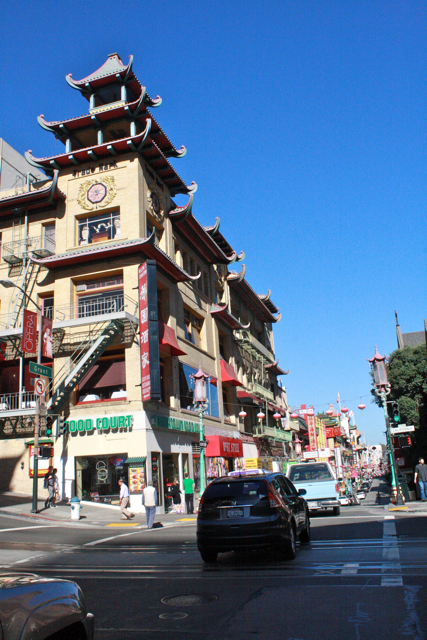
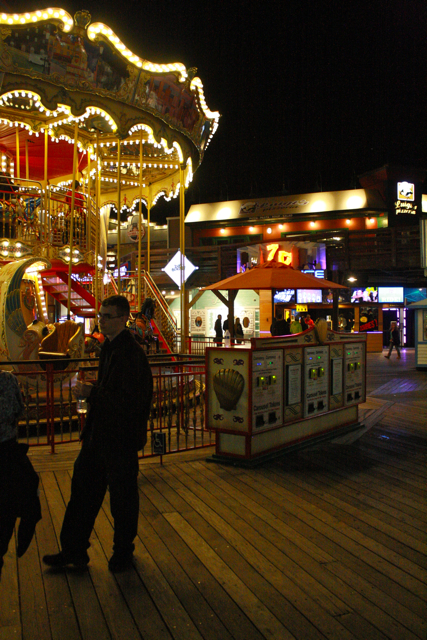
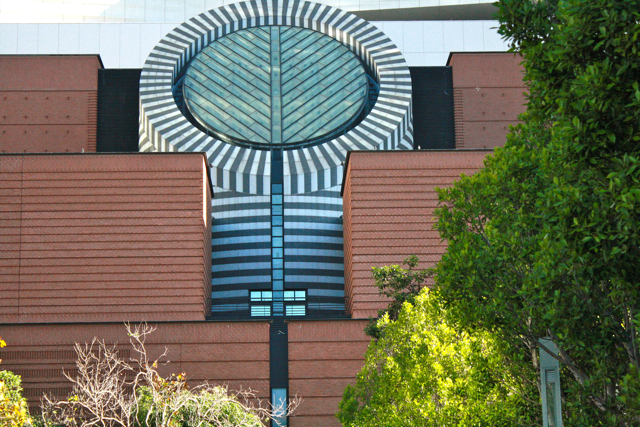
October 30, 2015: Just got back from Fisherman’s Wharf, Pier 39. It was v lively and all lit up. The famous carousel was there of course. Had some seafood for dinner. I took the muni metro even tho I have an awful sense of direction – I made it back to the hotel. I came to SF for the first time when my daughter was a tiny little baby and my son was 5 or 6. I remember going to the SF MoMA and falling in love with Mark Rothko. I bought a poster of his work. It still hangs in our house. I wanted to visit the museum again but it’s closed until May 2016. Oh well, next time inshallah.
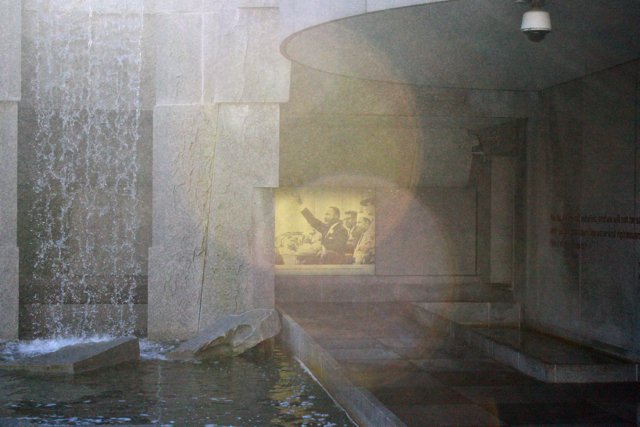
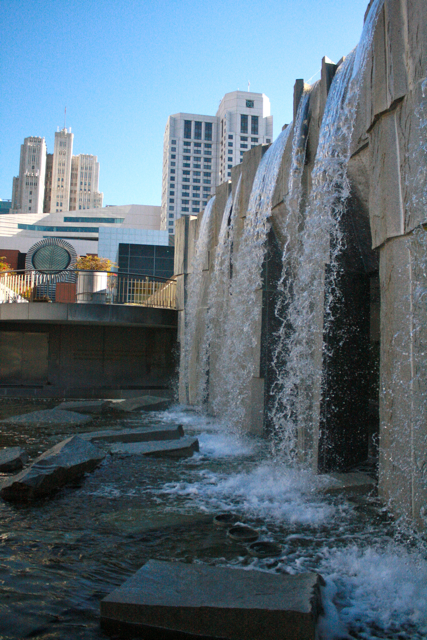
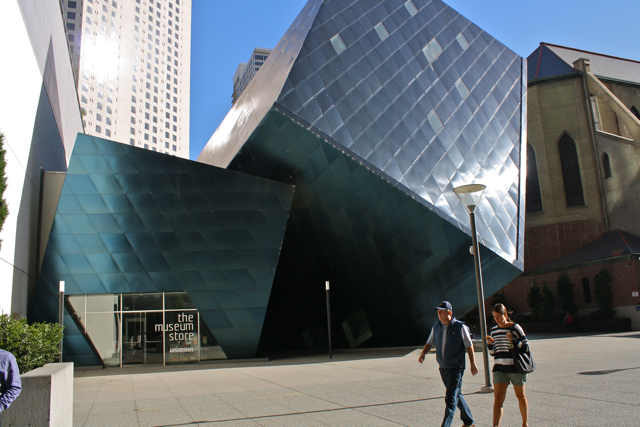
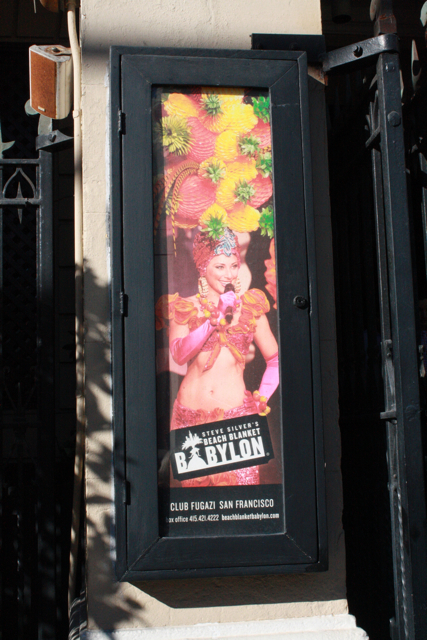
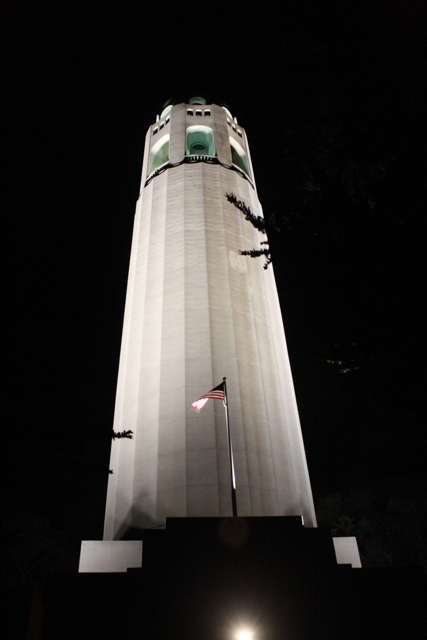
October 31: One of my favorite things in SF – the Yerba Buena Gardens. I was blown away by them the first time I came to SF – we just happened upon them while looking for the SF MOMA. The Yerba Buena Center was considered an urban blight and scheduled for demolition in the 1970s, however, locals including some retired labor activists stopped the demolition, and plans for building a sports arena had to be shelved. The Gardens’ focal point is the Martin Luther King Jr Memorial. It’s a 20 feet high, 50 feet wide majestic waterfall, furnished with glass panels inscribed with Dr King’s powerful words. Reading “We will not be satisfied until justice rolls down like water and righteousness like a mighty stream” as one is surrounded by a thundering waterfall can be an emotional experience. The memorial speaks to Dr King’s remarkable energy, courage and vision. The strength and simplicity of the granite, the unquestionable force of the waterfall, the elegance of MLK’s words, their translation into the languages of San Francisco’s thirteen international sister cities, as well as in Arabic and African dialects, photographic images etched in glass of Dr King’s “I Have a Dream” speech, and of course the overwhelming roar of the water, all combine to transport one to another world. It’s one of the most fitting memorials I’ve ever visited. Later that evening, I went to see “Beach Blanket Babylon” at Club Fugazi. It’s SF’s famous pop-culture musical revue, with spectacular costumes, gigantic hats, and a surprising dose of liberal politics. My friend Huma picked me up later that evening. We had an excellent Italian dinner at Original Joe’s in North Beach, walked around Coit Tower and then headed to her house in Menlo Park.
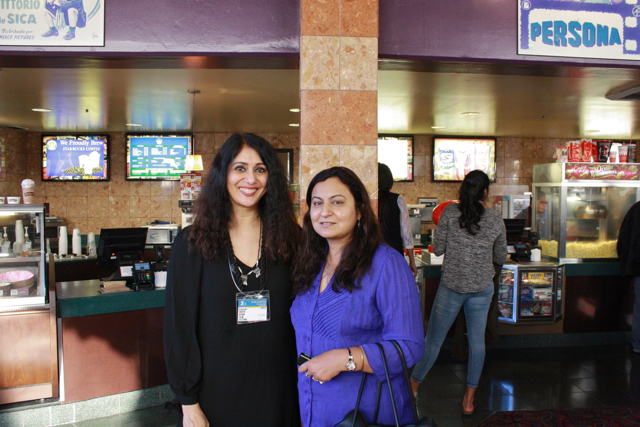
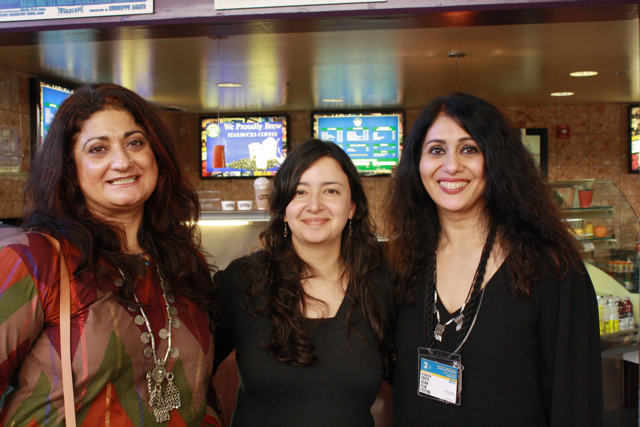
November 1: Wonderful screening of A Thin Wall at CineArts in Palo Alto. The film looked and sounded beautiful. That’s so important to me! It was shown in a huge theatre. A large number of people attended the screening and Q&A, which was followed by a panel discussion organized by The 1947 Partition Archive, out of Berkeley. One of the best parts was being able to connect with so many incredible women – filmmakers, academics, archivists, reporters, activists, women with their own histories of partition. Thank u Anuj Vaidya for organizing everything with such ease and brilliance and thank u Huma Dar for being such an amazing host, friend and inspiration. I’m loving the West coast!
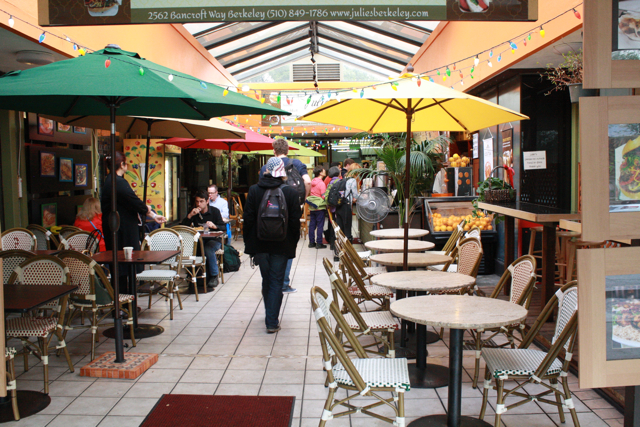
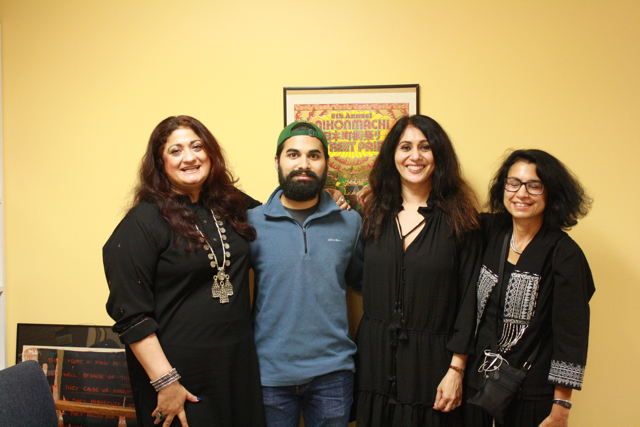
November 2: Small but lovely screening at Berkeley today. Thx Huma and Paola for making it happen and thx Abdullah, my dear friends Umar and Arjumand’s son, who attended in spite of exams and a busy student life, and made me a v happy auntie 🙂


Interview at RCTV
Wonderful interview about A Thin Wall with Carol White Llewellyn and Rajesh Barnabas at RCTV today. Will post as soon as it’s out 🙂