Gesturing Refugees May 2017

Gesturing Refugees (2017 work in progress): The performance intends to archive latent stories of refugeehood using the bodies of refugee artists and the audience as the main archive, while playing with other archive material, testimonies and imagination. The archives will include present, past and even future stories of refugeehood to try and interrogate collective responsibility and find bridges between the past and present of the West. The re-enactment, transformation and deformation of the alternative and personal memories of refugees by refugee artists will allow the re-appropriation of the narrative of refugeehood and develop a collective gestural identity that might challenge that of passive victimhood to which refugees are often subjected. The performance already faced many obstacles related to visa denial to artists and the impossibility of their physical encounter, which added up another formal layer to the performance.

Gesturing Refugees May 2017 from Farah Saleh on Vimeo.

Making (and Seeing) Dance in the Politicized World

Siobhan Burke: Dance didn’t suddenly become political in the span of one tumultuous year. It always has been, and it can’t not be: Being rooted in the body, dance is never abstract, try though it might to elude meaning. A body’s race and gender (or perceived race and gender), for instance, are layers of content in themselves.

Ambiguous by nature, often without the clarity imparted by words, dance lends itself to political readings even when it might not intend to. And how it reads depends on who is reading, on each viewer’s lenses of identity and experience. You may not see what I see; I may just be noticing what you’ve seen all along.

Yet the political dimensions of dance seem especially pointed right now, at a time of heightened discussion about the privileges afforded some bodies and the risks that burden others. However overt or subliminal, intended or accidental, these dimensions rise to the surface, whereas at another time they may have rested beneath it. More here.

home!

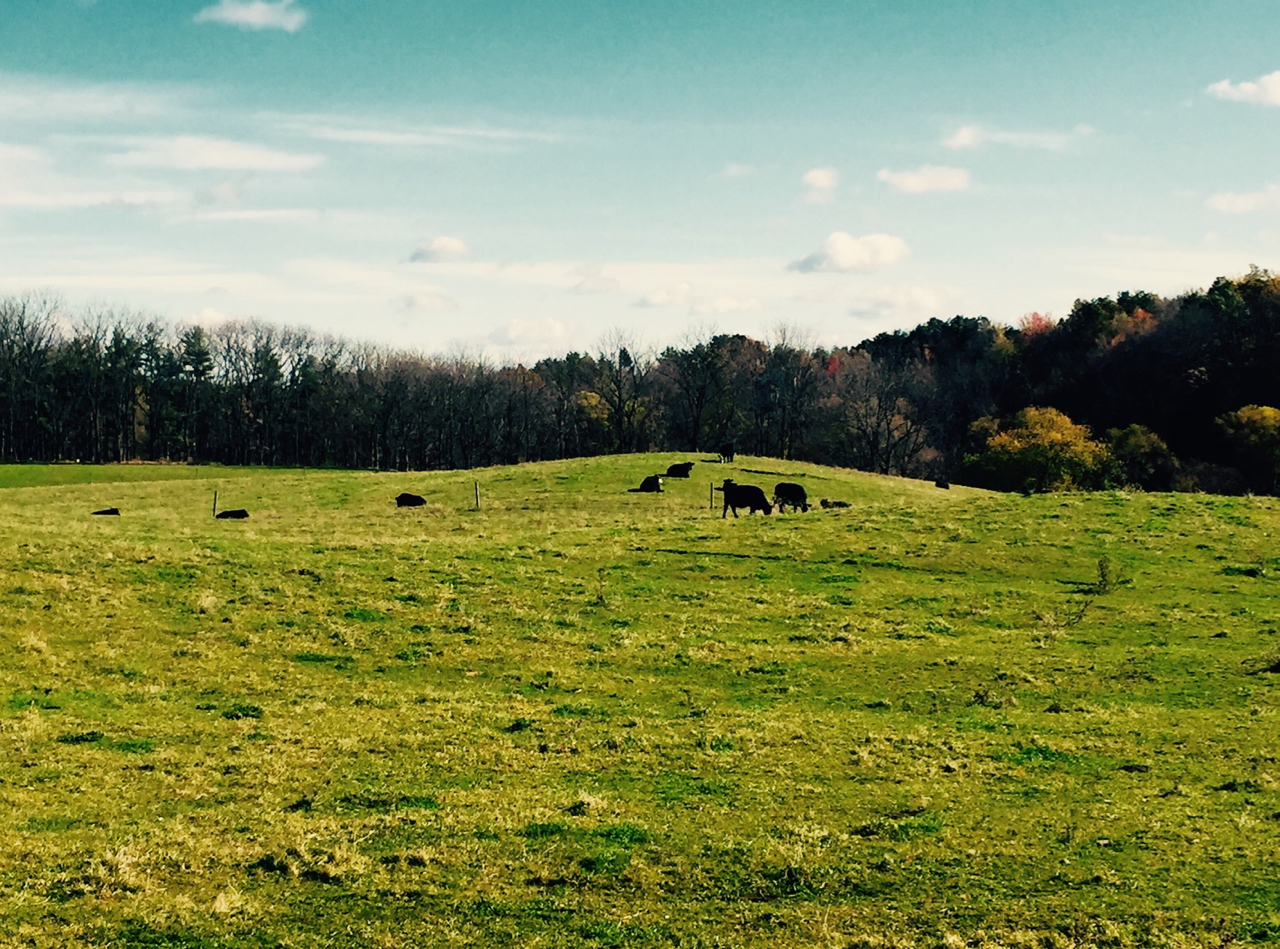
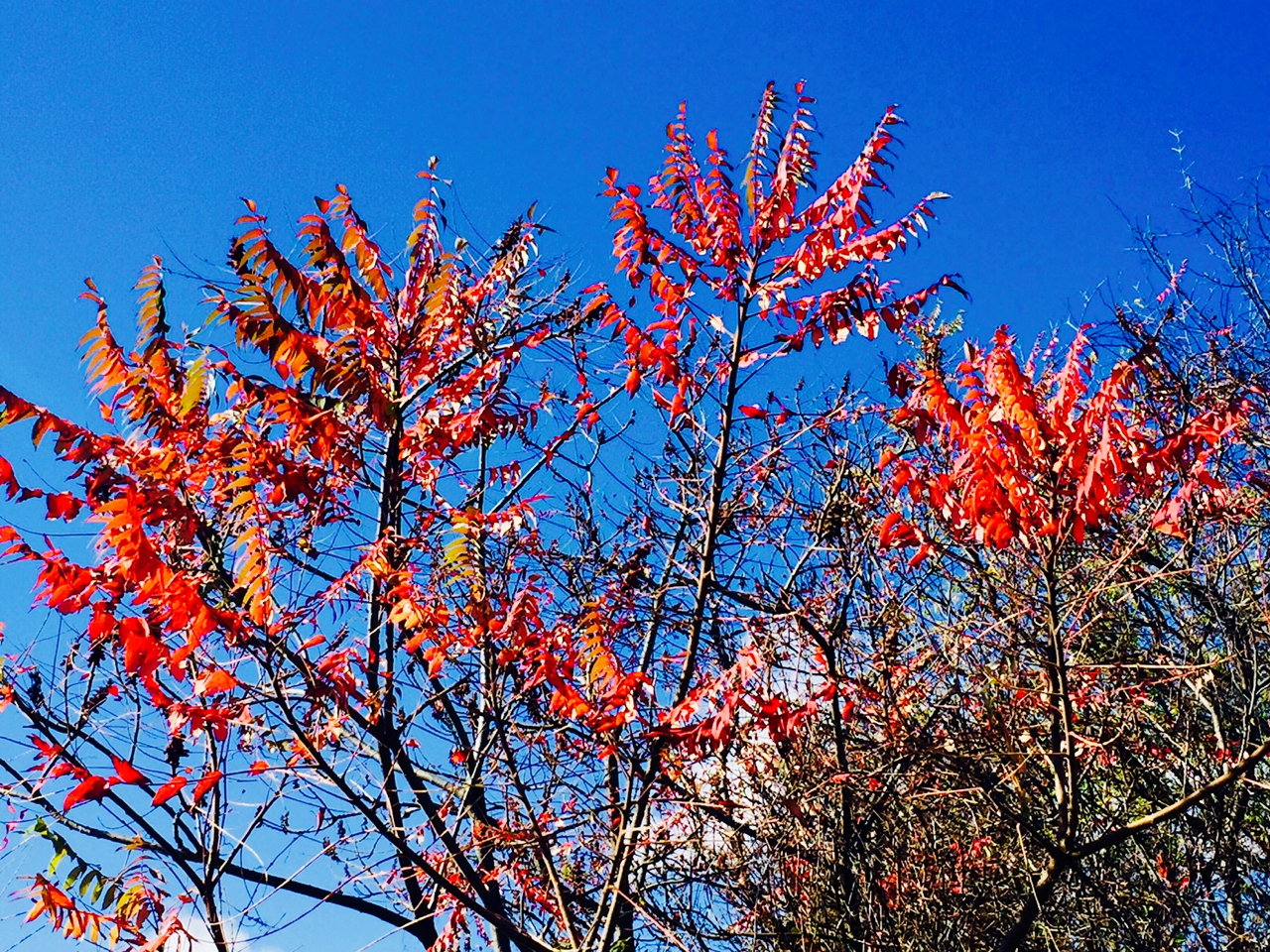
back home in rochester! on my way to easton, PA, i saw such gorgeous trees. at this time of year, they have lost most of their leaves so their sculptural elegance becomes more striking. what leaves are left dot their branches with such delicate sparseness and resolution that i couldn’t quite find the words to describe their overall effect. paintings by raoul dufy come closest to expressing what i want to say.

Lecture and Screening at Lafayette College

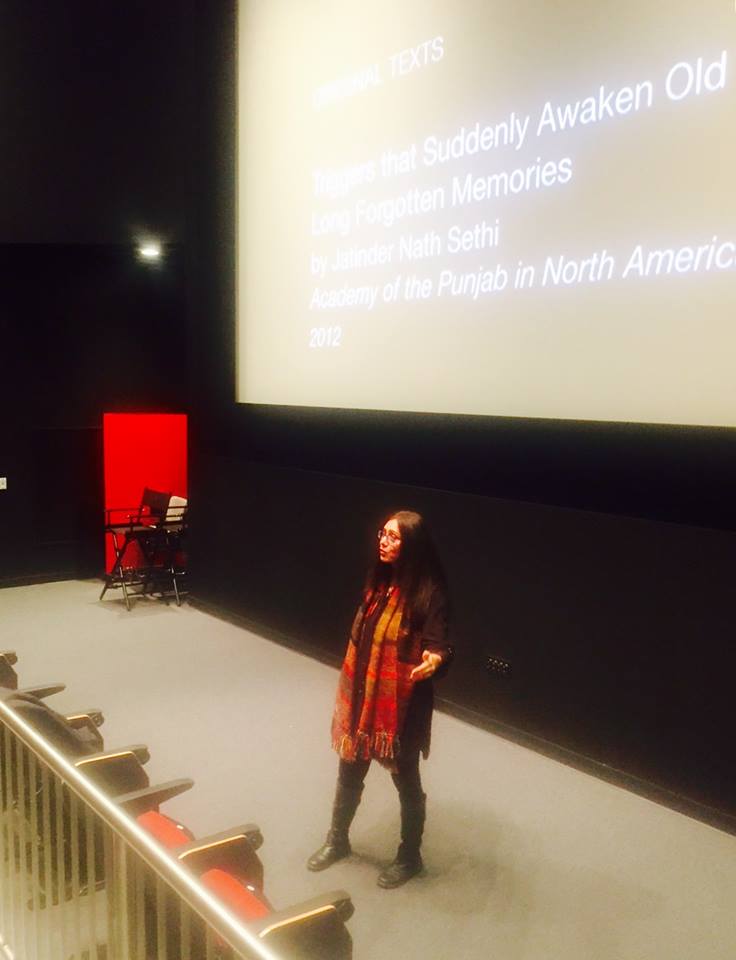
Such a busy day today. Breakfast at Lafayette Inn, followed by a presentation about my work to a class studying the Partition of the Indian Subcontinent at Lafayette College. Lunch with Lafayette profs Hafsa Kanjwal and Nandini Sikand. Later at 5pm, dinner with Hafsa, Rebekah Pite, and their v lively, v bright students at El Chasqui Peruvian and Colombian Restaurant. Finally, a screening of A Thin Wall at Landis Cinema, Buck Hall, at 7pm, and then an engaging conversation with the audience. My stay in Easton, PA, has been beautifully organized, fun, and productive. Thank u for all of it Hafsa Kanjwal!

mara ahmed at lafayette college

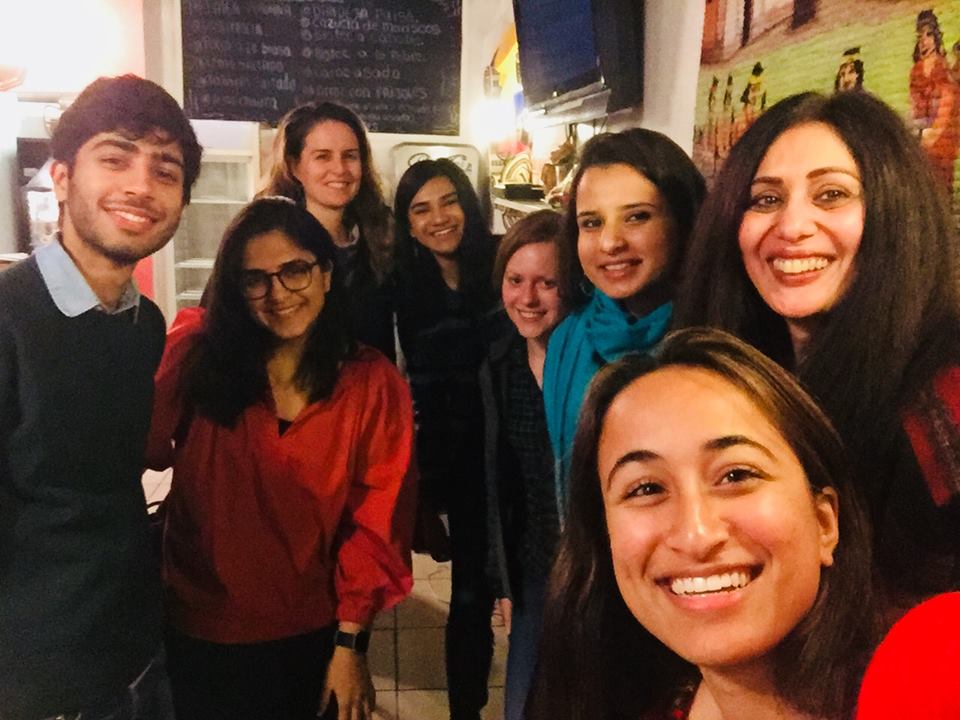
mara ahmed with lafayette students

dinner with lafayette students

mara ahmed at landis cinema

Tapestries – Voices Within Contemporary Muslim Cultures

Leaving for PA tomorrow morning. A Thin Wall is going to be part of TAPESTRIES – Voices Within Contemporary Muslim Cultures on November 13, 2017.

Tapestries is made possible in part by a grant from the Association of Performing Arts Professionals, Building Bridges: Arts, Culture, and Identity, a component of the Doris Duke Charitable Foundation and Doris Duke Foundation for Islamic Art.

Art and film at UConn

Yesterday after a lecture about my art, activism and filmmaking, I had a rousing discussion with Kathryn’s art class. A Pakistani American student in particular asked tons of questions and made brilliant remarks, especially about her identity as a Muslim American and what it’s like to occupy the “spaces in between” – something I touched upon in my talk on borders and the polarity they produce.

Today I got to spend time with Shadia Heenan in her light-filled studio. She showed me her multimedia work which explores identity, her experience of Islam, and multiculturalism. She made us some real chai (with cardamom and evaporated milk) and we sat outside in the sun and chatted at length. I expect great things from her.

Finally, we screened A Thin Wall at 4pm. It was part of the ART+HUMAN RIGHTS film series at UConn and was followed by an interview with Kathryn who, as an artist and filmmaker herself, asked extremely nuanced and thoughtful questions. They are so insightful that I’ll post them on the film’s website. What a lovely time I’ve had in Connecticut 🙂


mara ahmed and shadia nilforoush

mara ahmed and kathryn myers

Lecture and Screening at UConn

Leaving for Connecticut early tomorrow morning. Will be giving a lecture about my entire body of work (art, activism, and filmmaking) on November 7th at UConn and then will be screening A Thin Wall on Nov 8th (4-6pm) at the Dodd Center, University of Connecticut, Storrs. The screening will be part of the Human Rights Film Series and will be followed by an interview with Art Professor Kathryn Myers. Pls join us if u’re in the area! Here’s more info.

The Agitators at Geva

Last Thursday I went to see “The Agitators” at Geva Theatre Center. It’s a play about the “enduring but tempestuous friendship of Susan B. Anthony and Frederick Douglass.”

Two actors, minimal/slick set design, and some good music. It was a full house, as expected, but I have to be honest and say I was disappointed. I found the script, by Mat Smart, to be too facile, too flat, too “glib” as one of my friends said.

The play was a crowd pleaser to be sure – it had humor and some good dialogue, especially when Anthony and Douglass slugged it out – first on the subject of the 15th amendment which was passed in 1870 (why should Black men get the vote before women?) and then on the issue of segregation within the Suffrage Movement (Black women were excluded from conventions in Southern cities such as Atlanta as well as from the 1913 parade in Washington, DC). The 19th amendment, which guaranteed all American women the right to vote, was finally passed in 1920.

During the first act, I felt like Frederick Douglass played a supporting role to the formidable Susan B. Anthony. She was the one who challenged and chided and got most of the laughs. To me Douglass has always been a towering figure, physically, intellectually, and in terms of presence and charisma. It’s incomprehensible to me that he was born into the savagery of slavery, that he not only managed to escape but was able to build from scratch immense moral and mental capital. Sadly I didn’t feel this power in the way Douglass is written. Perhaps if the script had been populated by other characters, not just two icons, there could have been a frame of reference, something to anchor but also project these historical giants in all their vivid peculiarities and complexity.

Complexity is what was missing from the play. It needed more research, more meat, a better sense of how Anthony and Douglass spoke back in the day, how they interacted with friends, how they moved and gestured, and created discomfort around them.
Although this is a great celebration of Rochester’s history, what about the inconvenient reality of what Rochester is today? Number 1 in poverty and number 4 in childhood poverty in America. What would Douglass and Anthony say about that? This could have been an interesting frame for us to explore our past. And perhaps this is why the smooth, lightweight easiness of the play sticks out like a sore thumb.

My friends and I looked around the audience. There were hardly any people of color present. One could count them on the fingers of one hand. There were no young people. It might have had something to do with the fact that tickets were, for the most part, in the $50 to $70 range and that Rochester is painfully segregated, along racial/economic lines. What an irony to produce a play about Frederick Douglass, in the city where he did some of his most important work, and exclude the vast majority of those he fought for, those who know him best?

During the Fringe Festival I was lucky to attend “Anatomy of a Black Man” by Anderson Allen and Shaquille Payne. It was anything but slick or even, it was down to earth and abrasive and real. It had substance, it had heart. This is the kind of material I’d like to see Geva pick up and Logan Vaughn direct. Let’s say it like it is. We owe it to Douglass and Anthony’s legacy.