
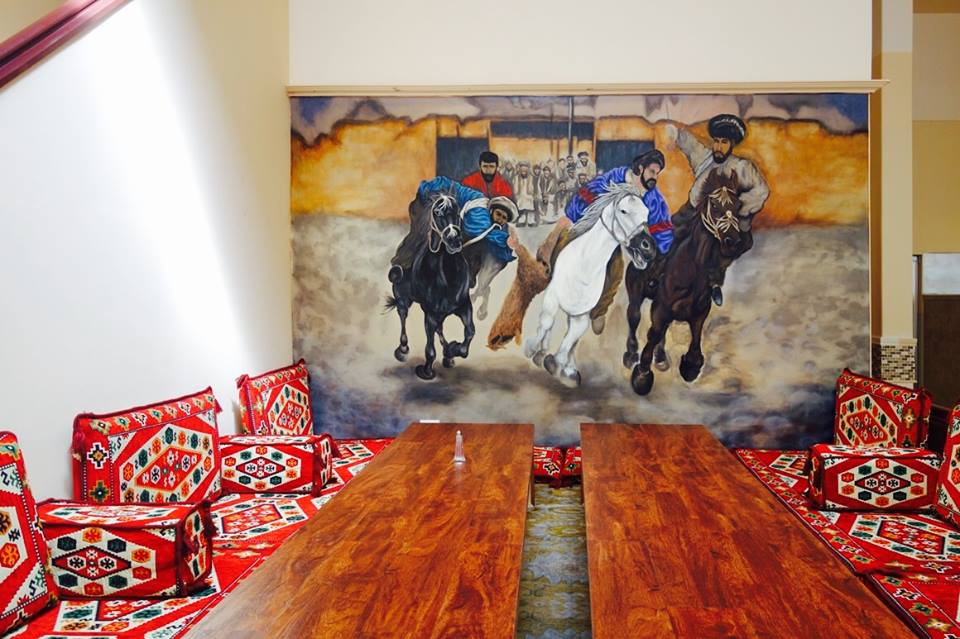
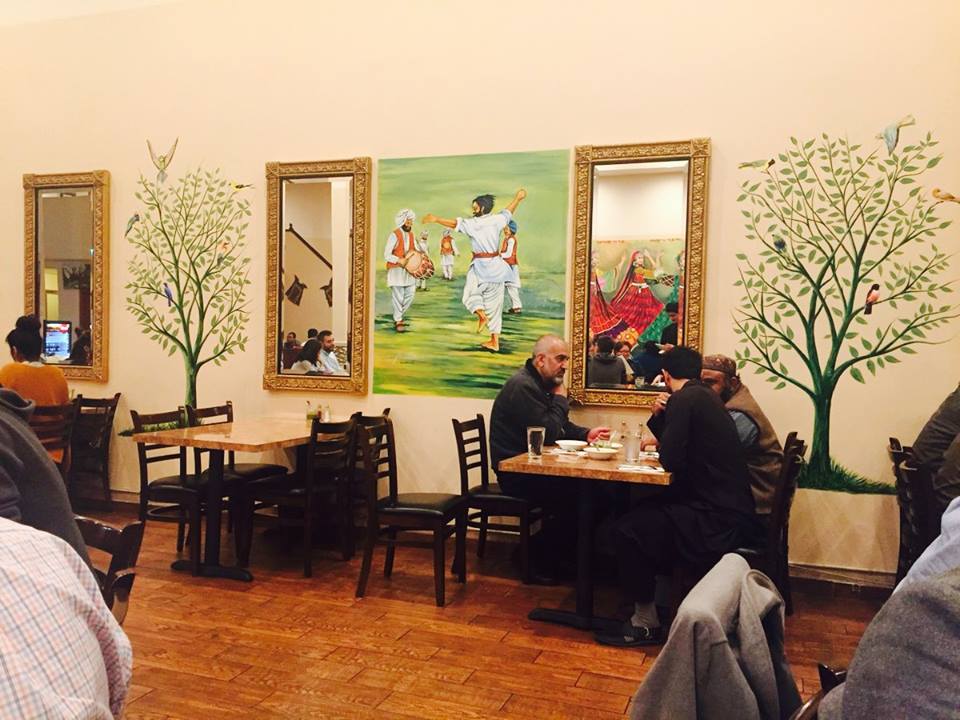
In Oakland! Got here yesterday and spent a lovely evening with the beautiful Donna K. Khorsheed. She took me to dinner at Kamdesh Afghan Cuisine, a family owned restaurant nearby. We had chapli kebab, eggplant borani (my favorite way to cook eggplant) and mantoo, described as dumplings filled with beef and onions that taste a lot like Turkish manti (ravioli with ground beef, garlic and yogurt, sprinkled with dried mint and sumac). Takes me back to my childhood in Belgium, where our Turkish friends used to make manti – once at our house where we spent the entire day cooking, talking and eating together. One of my fondest memories. Donna tells me there is a Palestnian version of manti/mantoo as well. We are hanging the art show today with the big opening tomorrow, followed by a screening of A Thin Wall. It’s all very exciting!
Category: projects
My work is coming to Oakland
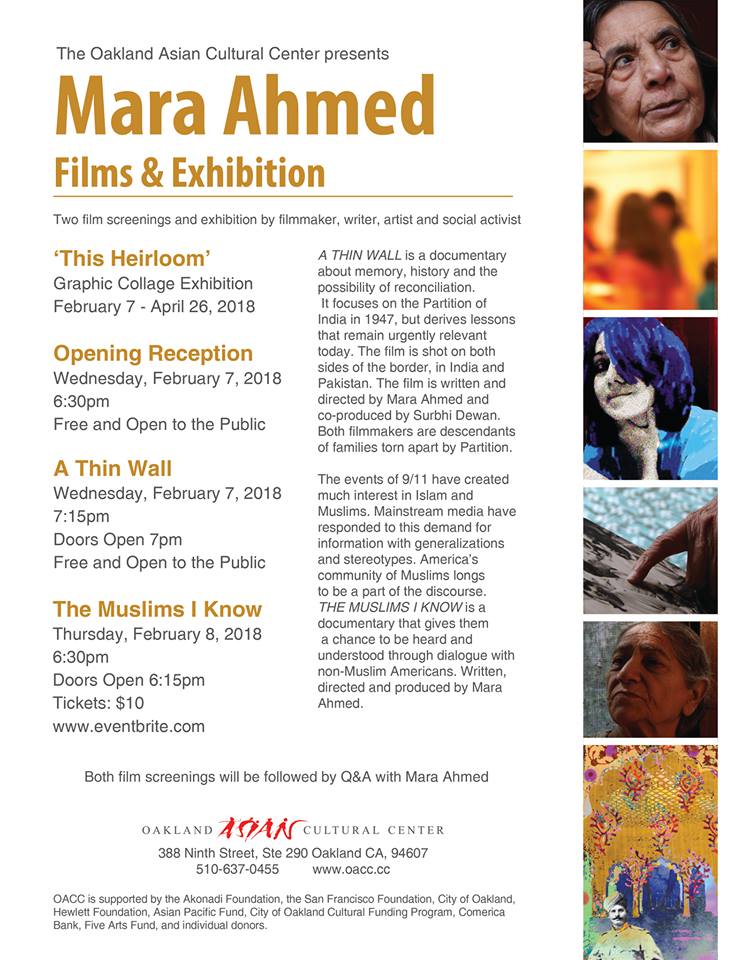
Dear friends, I will be in Oakland, California, all of next week to open an exhibit of my artwork and screen my films The Muslims I Know and A Thin Wall at the Oakland Asian Cultural Center. Thx Donna K. Khorsheed for making this happen. Hope to see you there!
Review of A Thin Wall by Rashna Batliwala Singh
Beautiful commentary and analysis by Rashna Batliwala Singh who saw A Thin Wall at Colorado College:
Most films about the partitioning of the Indian subcontinent are dramatic and inevitably show the horrific violence that ensued. In Deepa Mehta’s feature film, “Earth,” a little girl asks her mother “Can you break a country?” and demonstrates what that may look like by flinging down a china plate and breaking it into pieces. The answer to her question is yes, yes you can break a country if you are the colonial power. You can send an aristocrat with little knowledge and no experience of the subcontinent to do so, using but a map, census data, and the flow of a river.
Although the partitioning was conducted on the basis of religion, Cyril John Radcliffe, 1st Viscount Radcliffe GBE, PC, QC, FBA, was able to make arbitrary decisions and award a Muslim majority sector to India and a Hindu majority sector to Pakistan. His decision would be irrevocable and would decide the fate of millions: the one million who perished and the at least twenty million who were displaced in both Bengal and Punjab. This was the largest forced migration in human history. At the age of 48, Sir Cyril was sent to New Delhi in the monsoon season of 1947, barely 37 days before India would be partitioned into two independent nations. Apparently, he was soon struck by Delhi belly, which could hardly have facilitated judicious decisions. He was appointed Chairman of the Boundary Commission whose sole job was to submit a report that would contain “the partition map.” Now that’s imperial arrogance. [See https://enblog.mukto-mona.com/author/jaffor/ for further information.]
Pakistani American filmmaker Mara Ahmed’s documentary, “A Thin Wall,” produced in collaboration with an Indian filmmaker, Surbhi Dewan, was shot on both sides of Sir Cyril’s border line. What the imperial powers shattered, the film attempts to restore and recuperate through the power of personal memory. Clearly, the subcontinent can never be whole again and, in fact, seems to be fragmenting further and further. But in this film reconciliation becomes possible through the simple force of good faith. None of this is sentimental or simply nostalgic. There are so many stories about Pakistani taxi drivers refusing fares for Indians who return to visit their ancestral homes in Pakistan, and Pakistani children who come to India for medical treatment overwhelmed with cards and toys. The film is a poem to the power of people, not people as a mass, but person to person, in the creation of goodwill and resolution of conflict.
The stories that the people in the film tell are, intentionally, family stories, and family stories are what we grew up hearing. Urvashi Butalia’s ground breaking book “The Other Side of Silence: Voices from the Partition of India” uses testimonio, a powerful and potent mode for recording history. Ahmed’s film, which she screened on the Colorado College campus on Tuesday, January 30, 2018, uses the oral history rendered by family members. As someone who belongs to the first generation of Indians born after independence, Ahmed’s family members, and Dewan’s, sounded familiar to me. They could have been my relatives and family friends. My Aunty Sulochana came from a Tamil Brahmin family that was domiciled in Lahore, and all her stories were about the unrivalled culture of Lahore. Her cultural sensibility had much more to do with Lahore Muslim than Tamil Brahmin. Other “aunts” and “uncles” (in the subcontinent all your parents’ friends are aunts and uncles) told us stories of the homes they left behind in West Punjab and East Bengal.
As a Parsi family domiciled in Madras (now Chennai) at the time, Partition did not affect my parents directly. Parsis mostly stayed put and were not seen as oppositional or threatening to any group. But Partition touched my extended family. My father’s sister (now deceased) remained in Karachi, and I never once met her, although I knew my father’s other siblings, all seven of my paternal aunts and uncles, very well. My Karachi aunt’s son visited us once as a young man, but I have never seen her daughter, my other first cousin, Farida, who still resides in Karachi. I want to visit, but getting a visa for Pakistan for an Indian citizen will be a huge hassle. My mother was planning to visit my aunt in 1961, and consult a famous gynaecologist in Bombay on the way to Karachi about some symptoms she was experiencing. But the 1961 war between India and China broke out, and India and Pakistan closed their borders, forcing her to cancel her trip. My beloved mother died of ovarian cancer in 1963. At the time we were living near Calcutta, and it was never properly diagnosed by the gynaecologist she consulted there instead. What would have happened if she had consulted the famous gynaecologist in Bombay? War has a way of intervening in people’s lives.
I thought about all this while watching “A Thin Wall,” because by using poetry, narrative and artwork this lyrical film, by its very modality, demonstrates the power of non-violent means. So much animosity has arisen between these two nations that were once one, so much hostility, so many trolls on both sides conducting wars in cyberspace. These are mostly younger people. Ahmed’s film reminds us that the very generation that suffered the most because of Partition can yet talk about their pasts with love and longing.
Screening at Colorado College
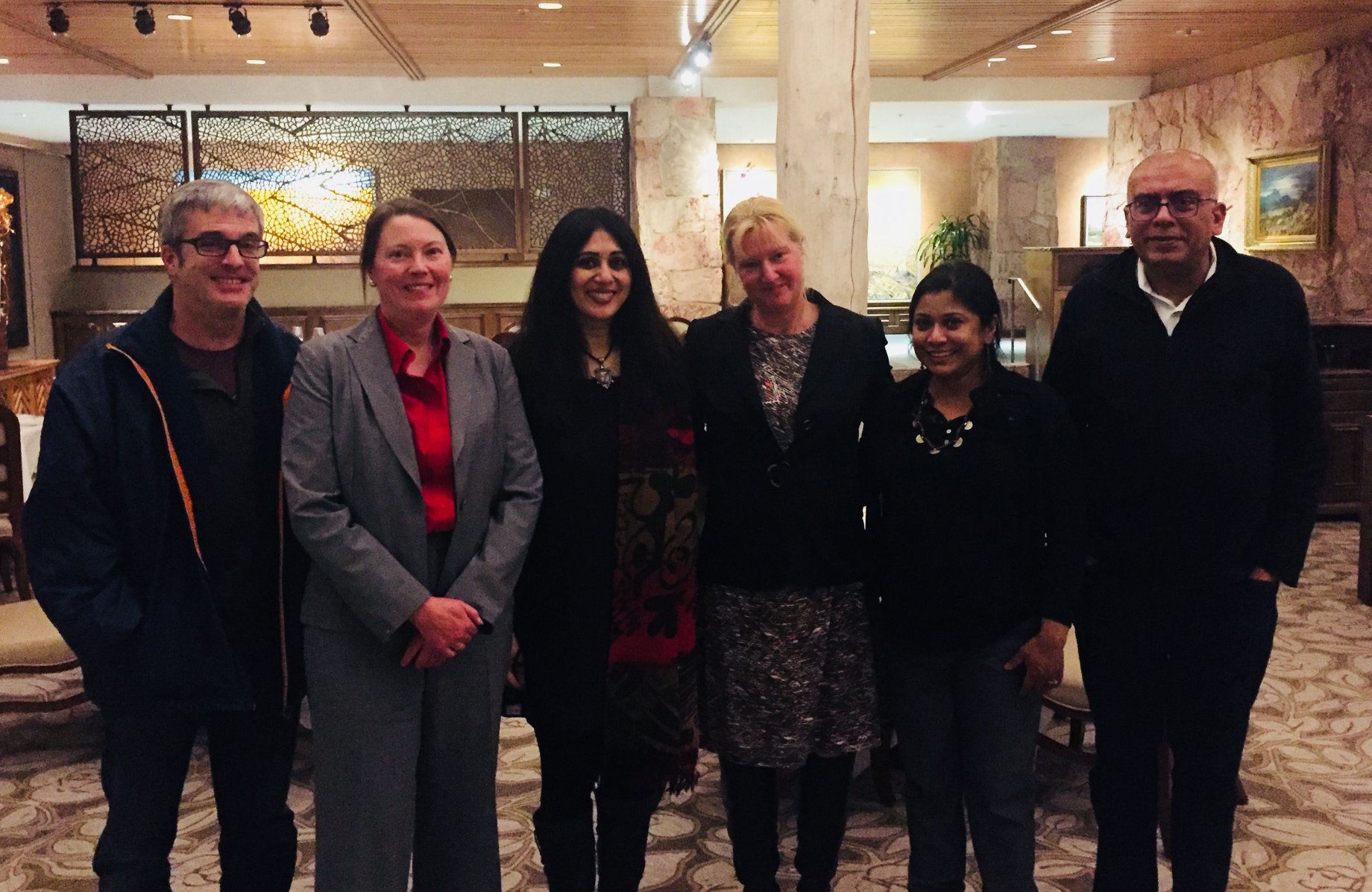
What a wonderful busy day! A hearty breakfast at the hotel, followed by a presentation about my work to Yogesh Chandrani’s class on Culture, Power and History in South Asia. Excellent questions from his students who have read Vazira Zamindar’s work very carefully. Had fun asking Yogesh what it was like to have been a student of both Eqbal Ahmed and Edward Said. Lunch with Tamara Bentley, the head of South Asian Studies, with whom I connected immediately, like she was a long lost friend. Screening of A Thin Wall at 4pm with great attendance and questions and then dinner at Garden of the Gods Club with Colorado College faculty. It’s such a treat to talk to brilliant people who do work in English and French but also in Chinese and Sanskrit, and who study art, religion and anthropology as well as Indian film. They analyzed A Thin Wall with such attentiveness and genius that I felt overwhelmed. I’m so incredibly lucky to do the work I do and to know the people I know.

In Colorado Springs
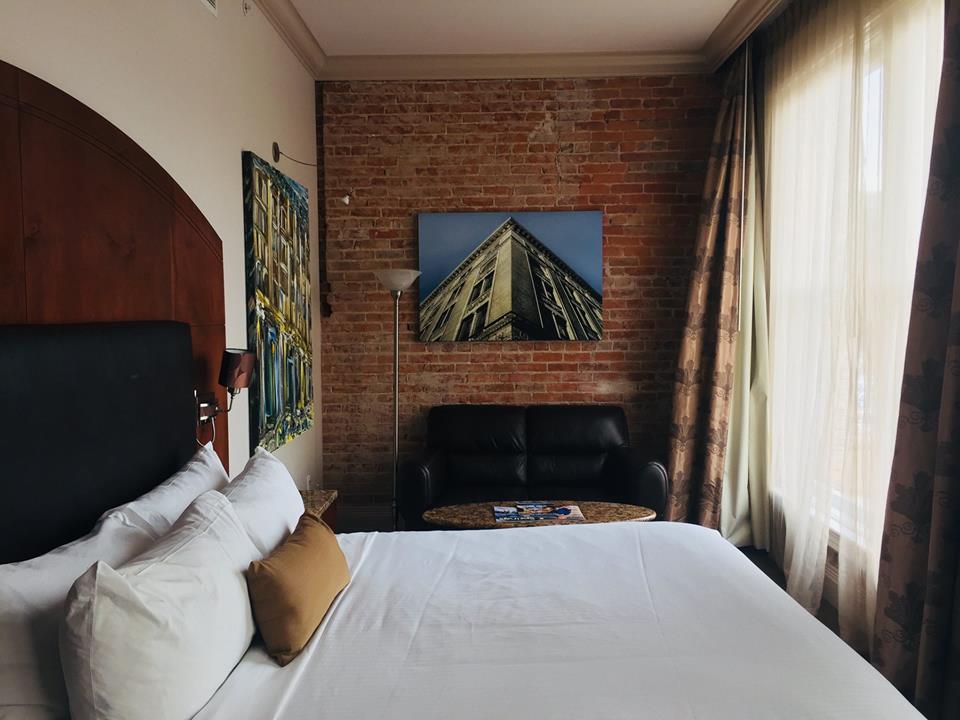
So they rerouted my trip and I had to take 3 flights from Rochester to Chicago to Dallas to Colorado Springs. Left my house at 10am this morning and landed here at 10pm NY time. But I’m here, 6000 feet above sea level, staying at the Mining Exchange in a beautiful high-ceilinged room that looks more like a stylish loft than anything else, looking forward to talking to students tomorrow morning, at Colorado College, and then screening my film later in the afternoon. Tired but happy.
A Thin Wall is coming to Delhi
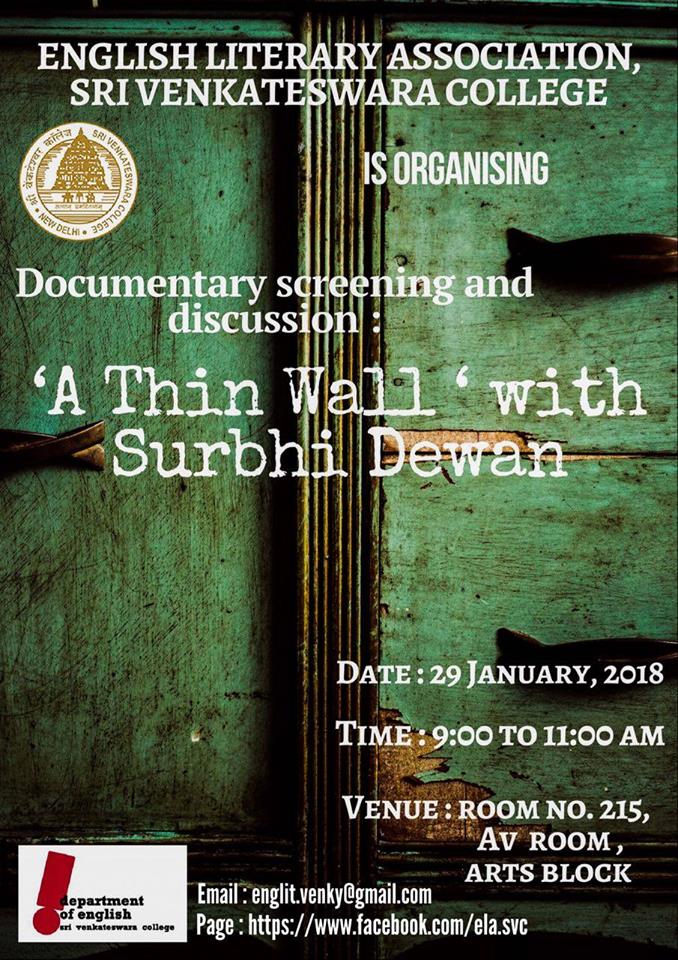
Screening of A Thin Wall coming up in #Delhi on Jan 29th, followed by discussion with co-producer Surbhi Dewan!
My work coming soon to Oakland Asian Cultural Center
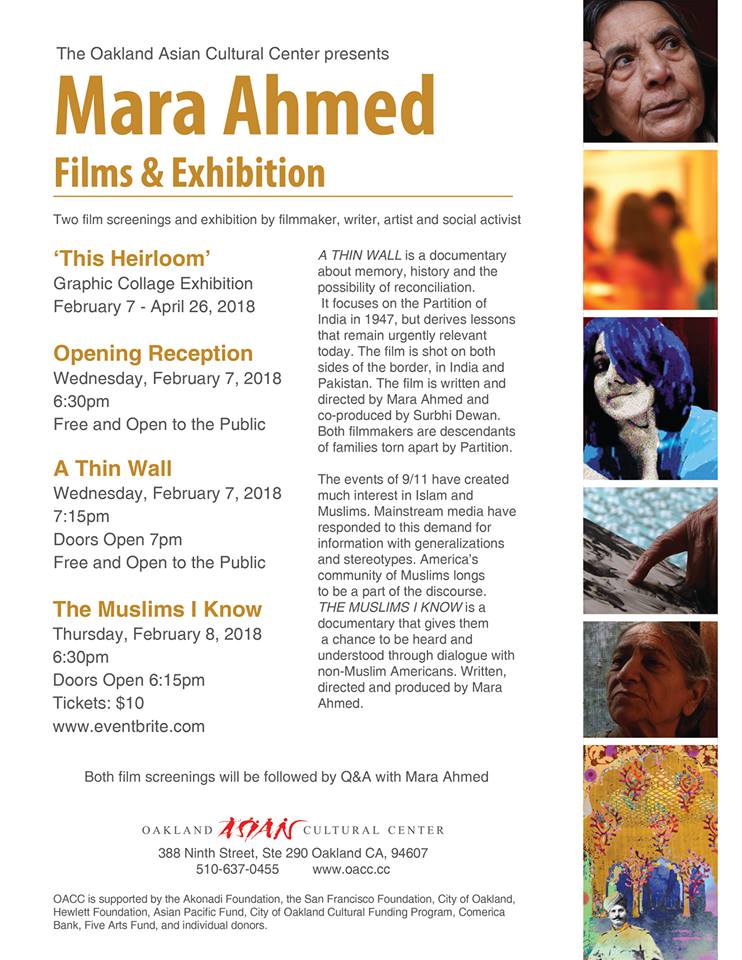
I will be at the Oakland Asian Cultural Center from Feb 6-8 in order to exhibit my artwork series “This Heirloom” and screen both The Muslims I Know and A Thin Wall. California friends, hope that you can make it!
SURJ presentation at out alliance: islamophobia is racism
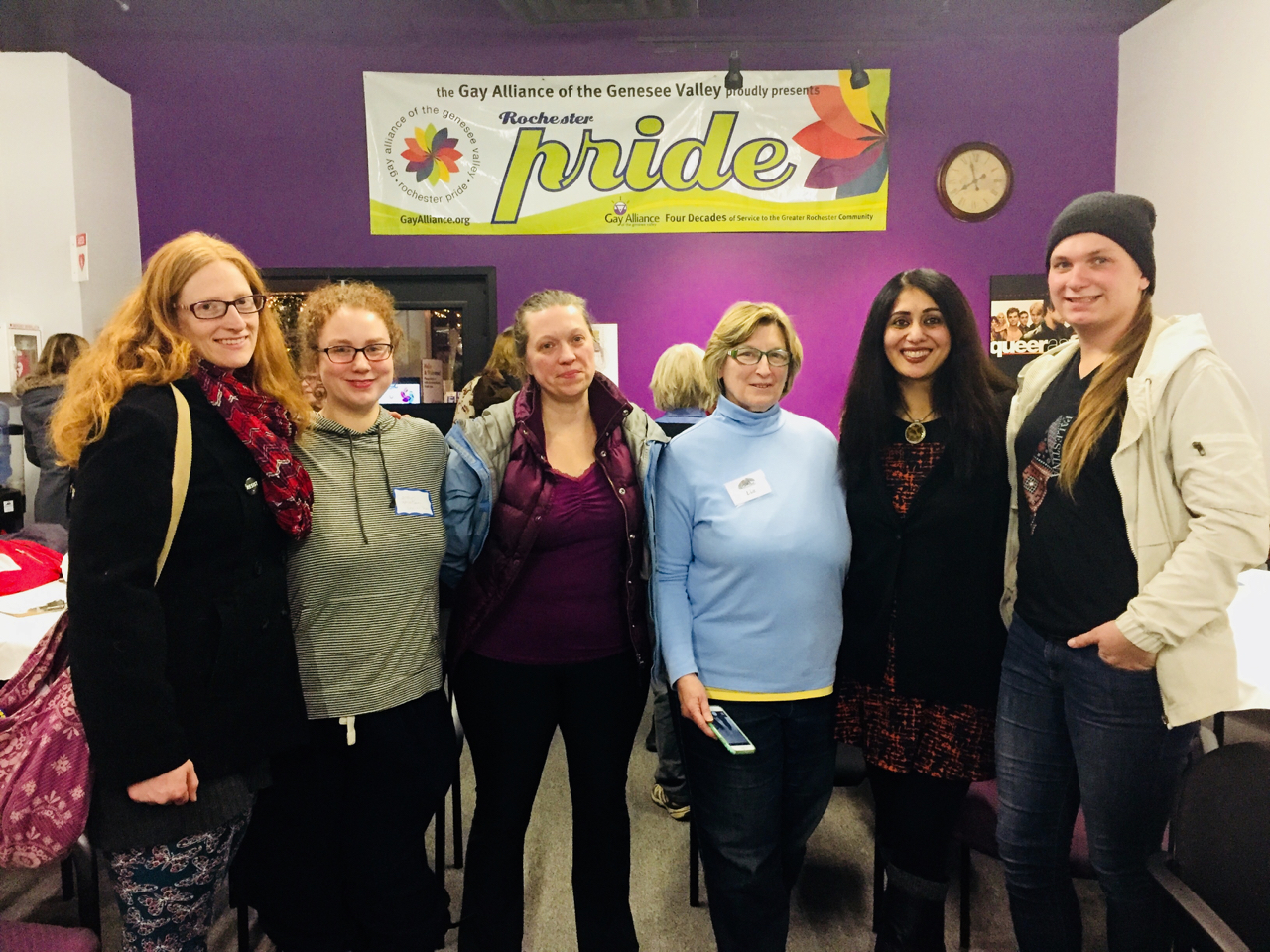
very lively discussion at the SURJ meeting today where i spoke about #islamophobia and #racism. the session was jam-packed. good connections made between racism, capitalism, and militarism.
typical question about the problem of misogyny in muslim communities and what we (the west) can do. my response: “have u heard of #metoo? women in america need ur allyship.” when the questioning continued about the need to help women in india, i asked if an indian or pakistani NGO should come to the u.s. to sort out harvey weinstein? will that help?
another question about a yemini girl not being able to go on a school field trip and how to explain that to her american classmates. my answer: the same way muslim families explain american culture and its brokenness to their kids.
i showed a video in which edward said talks about the richness (and multiplicities) of arab culture(s) and civilization(s), another about the meaning of orientalism, a third video in which khalid latif talks about being subjected to racial profiling and surveillance, and finally i showed “1700% project: mistaken for muslim” which truly brings home how islamophobia is racism. 1700% refers to the rate of increase in hate crimes committed against people *perceived* as muslim or arab after 9/11. the video is a collaboration b/w artist anida ali and filmmaker masahiro sugano. a great evening all in all.
thx to SURJ for inviting me to speak and thx to my sis Isabelle Bartter for always being at these things and having my back ♥
(Dis)placement, Memory and Colonial Partitions – Film Screenings
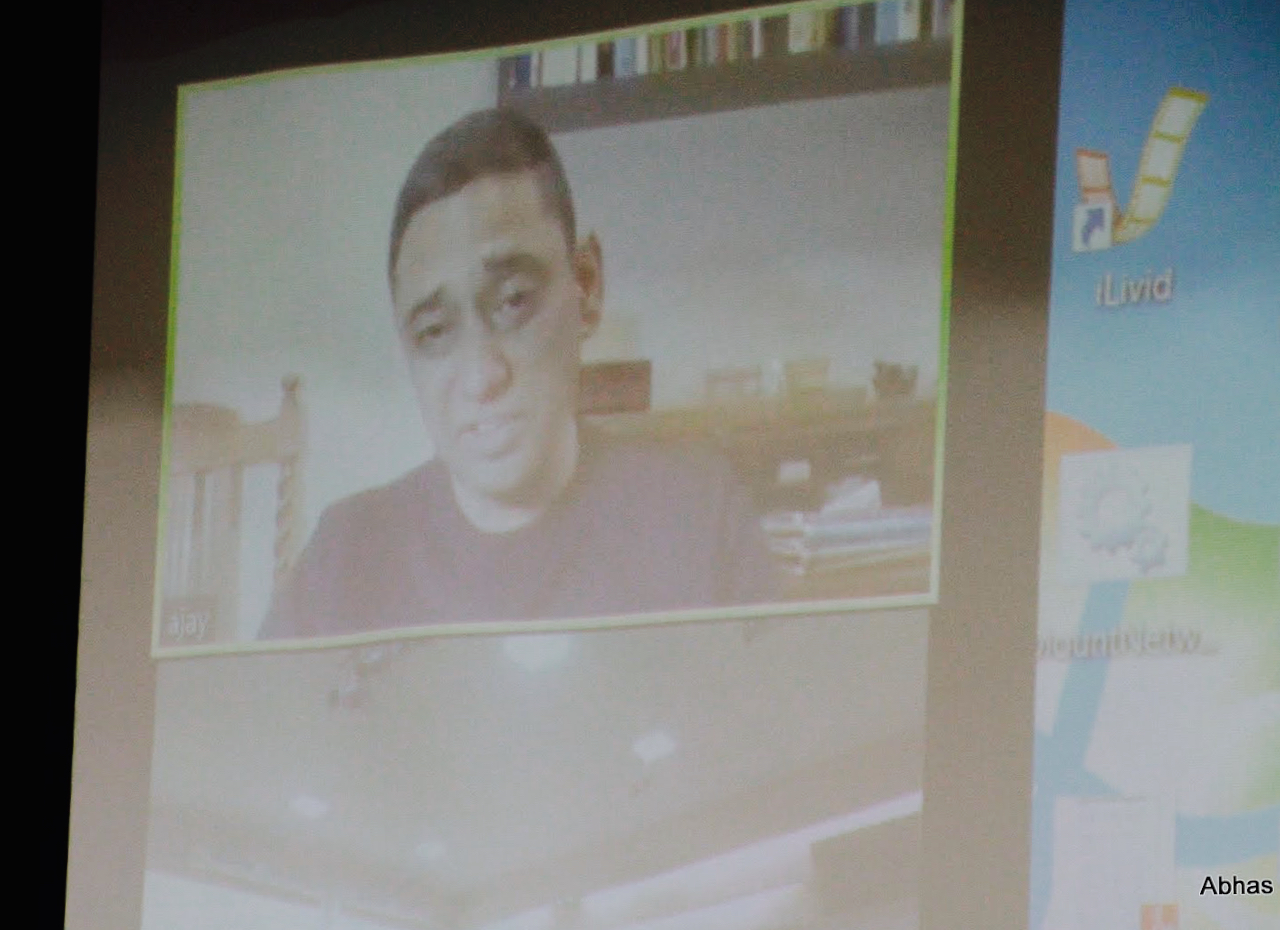
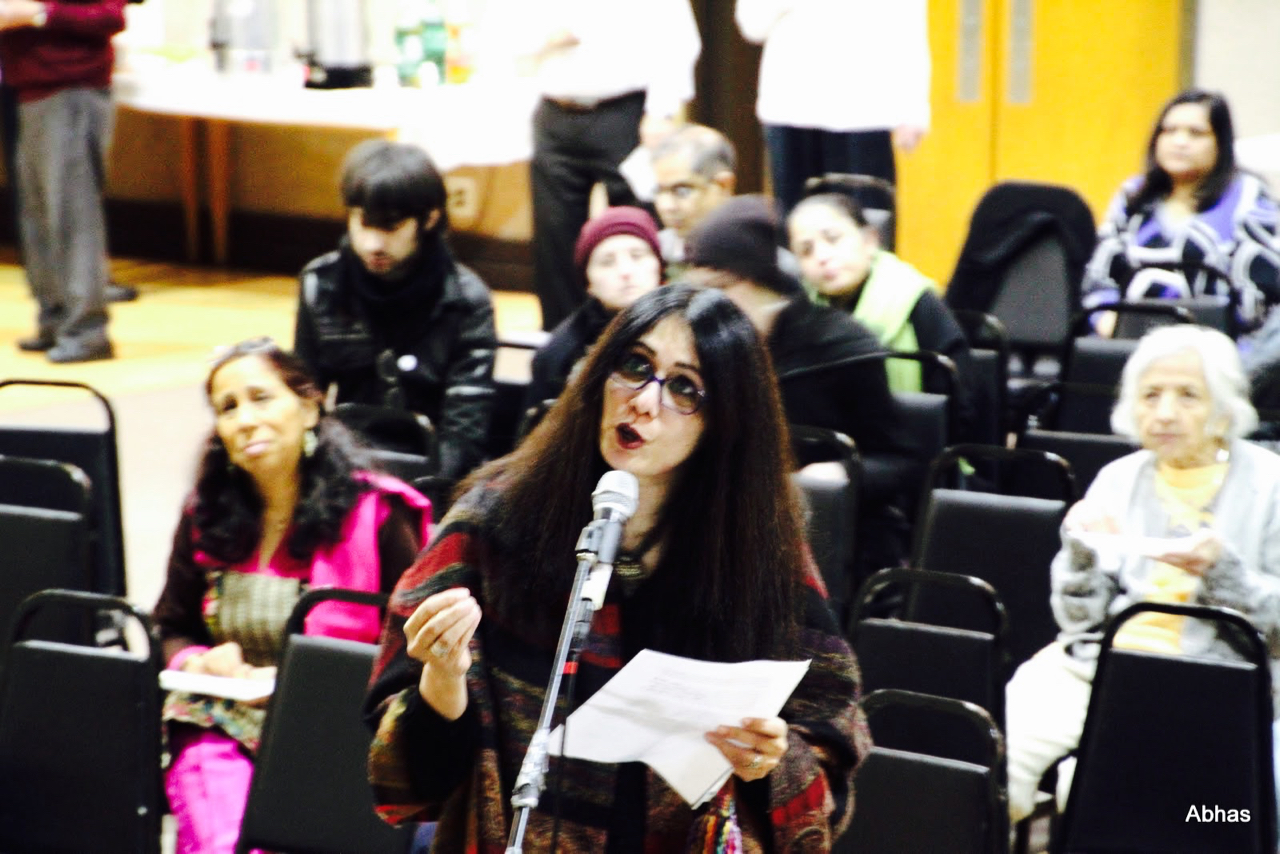
Talking about A Thin Wall at the India Community Center of Rochester, NY yesterday. Thank u Ajay Bhardwaj for ur beautiful film “Milange Babey Ratan De Mele Te” and for skyping with us. And thank u to everyone at ICC and in the Rochester community for supporting these film screenings.
(Dis)placement, Memory and Colonial Partitions – Readings
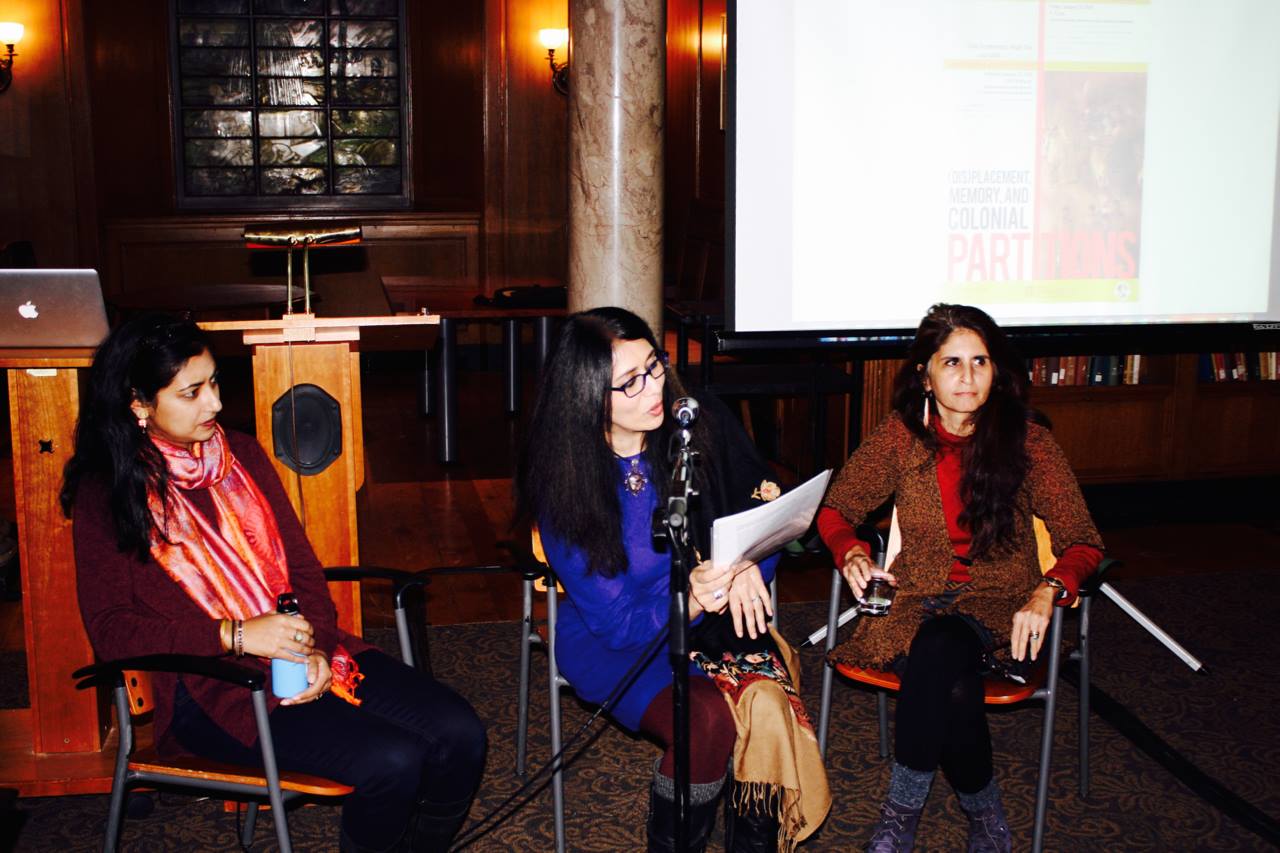
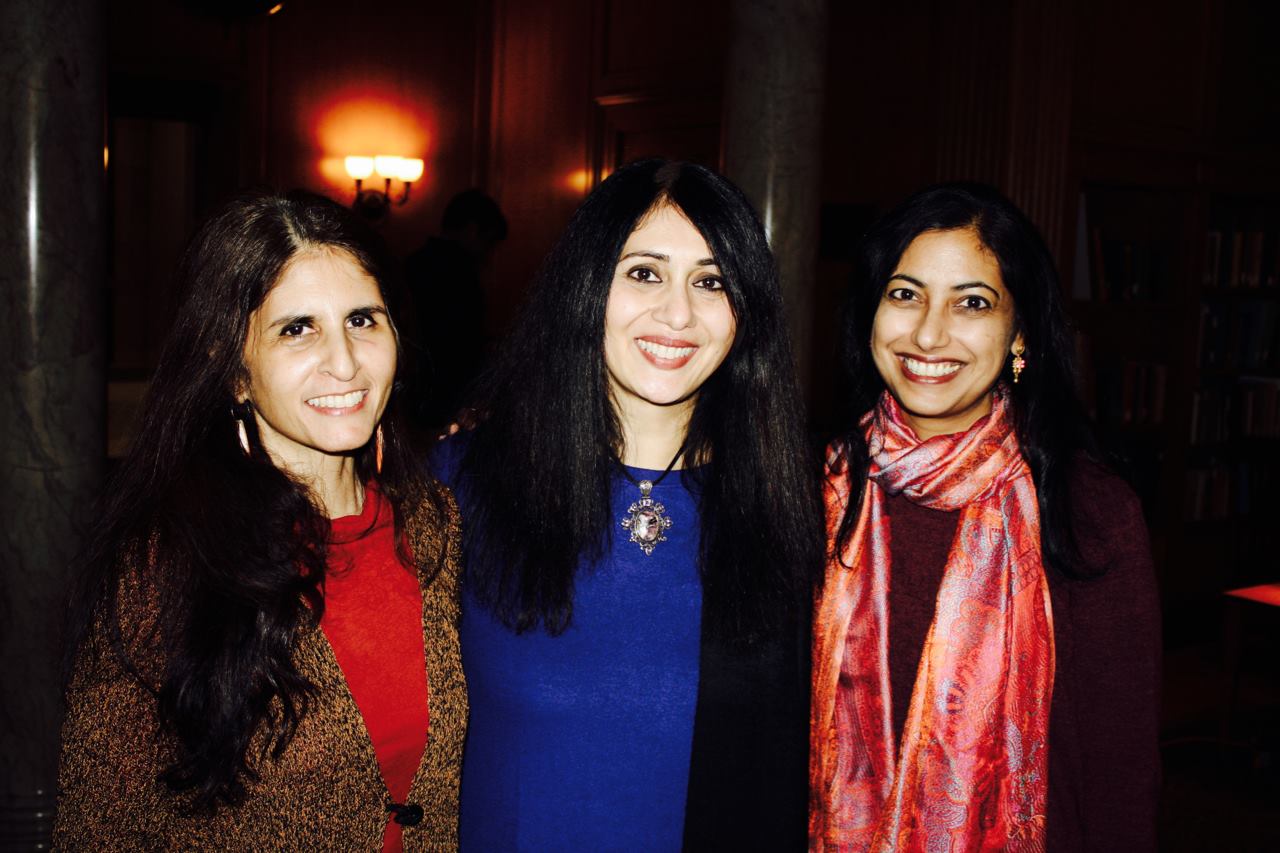
Jan 19: Readings at the University of Rochester on (Dis)placement, Memory and Colonial Partitions, with Uzma Aslam Khan and Sejal Shah. Wonderful turnout and excellent discussion! Thx to all my friends who came out on a Friday evening 🙂
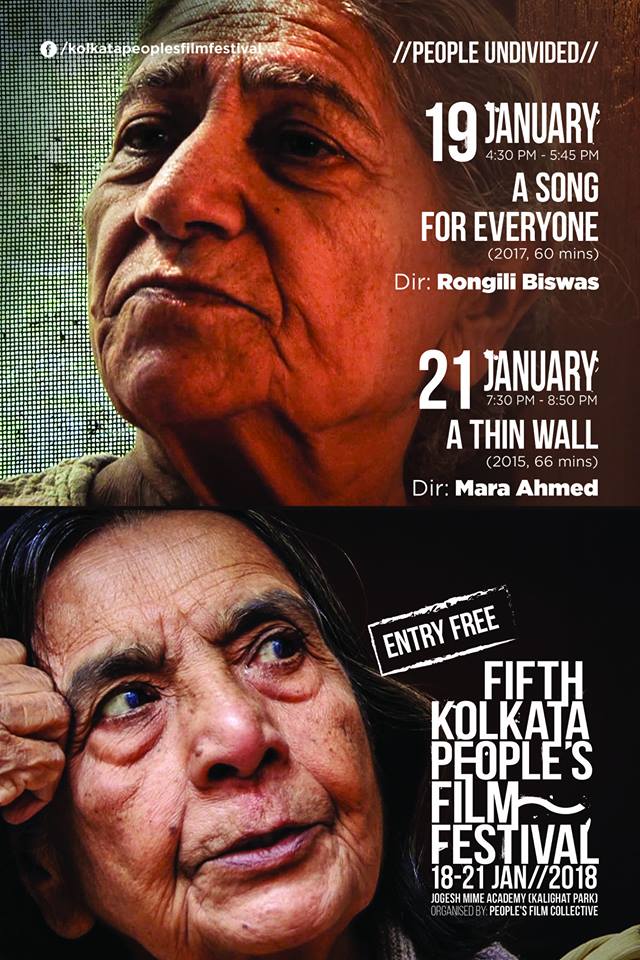
A Thin Wall is coming up at the 5th Kolkata People’s Film Festival!
a good weekend
what a productive weekend! grant application – submitted, proposal for NYLA conference – submitted, catching up on film collaborations – done, tax form 1099 – ready to go. and the weekend isn’t even over yet 🙂
A Thin Wall at the 5th Kolkata People’s Film Festival
A Thin Wall is going to be screened at the 5th Kolkata People’s Film Festival on Sunday, January 21 at 7.30pm, at Jogesh Mime Academy. Co-producer Surbhi Dewan and cinematographer Mithun Gomes will be there for a post screening Q&A. Hope you can make it!

Interview with Sady Fischer
Jan 9, 2018: Interviewing the brilliant Sady Fischer for the film on racism. A great start to 2018. Thanks Rajesh Barnabas for your work and for this wonderful candid photography!

Their silence about Ahed by Mara Ahmed
my piece, also published in the socialist worker. read here.