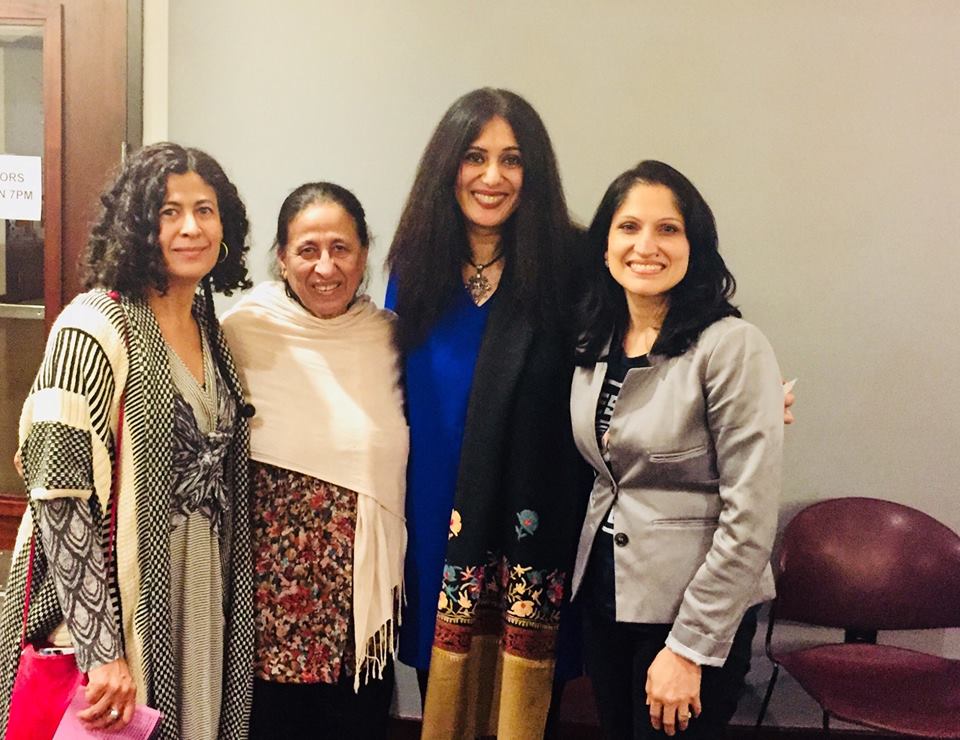
spoke at a women’s club today on the topic of “demystifying muslim women in america.” started by unpacking islamophobia, as american muslim women exist within that political context, along with muslim men, not in a state of non-mixité outside of it. it was a full house (maybe 100 or more) and people engaged assiduously with all the multimedia info i shared with them. the best part of the Q&A was when i reflected on my own journey to decolonial thinking, jump-started by reading aimé césaire, and dr walter cooper (who was in the audience) chimed in to tell me about the time he met césaire in martinique and had a 5 hour long conversation with him. it blew my mind. one degree of separation between aimé césaire and i! my life is now complete!

Category: projects
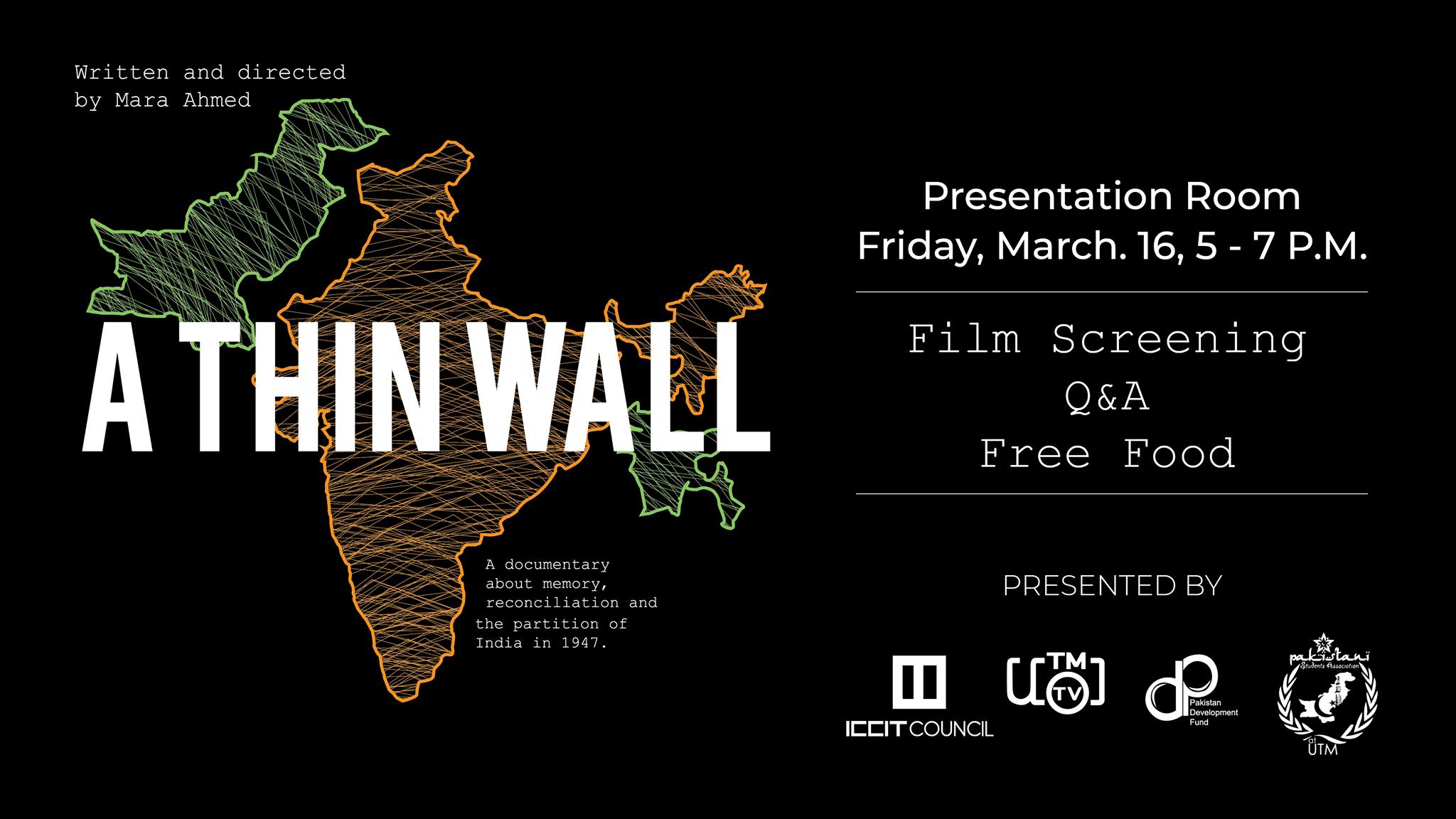
Screening at the University of Toronto
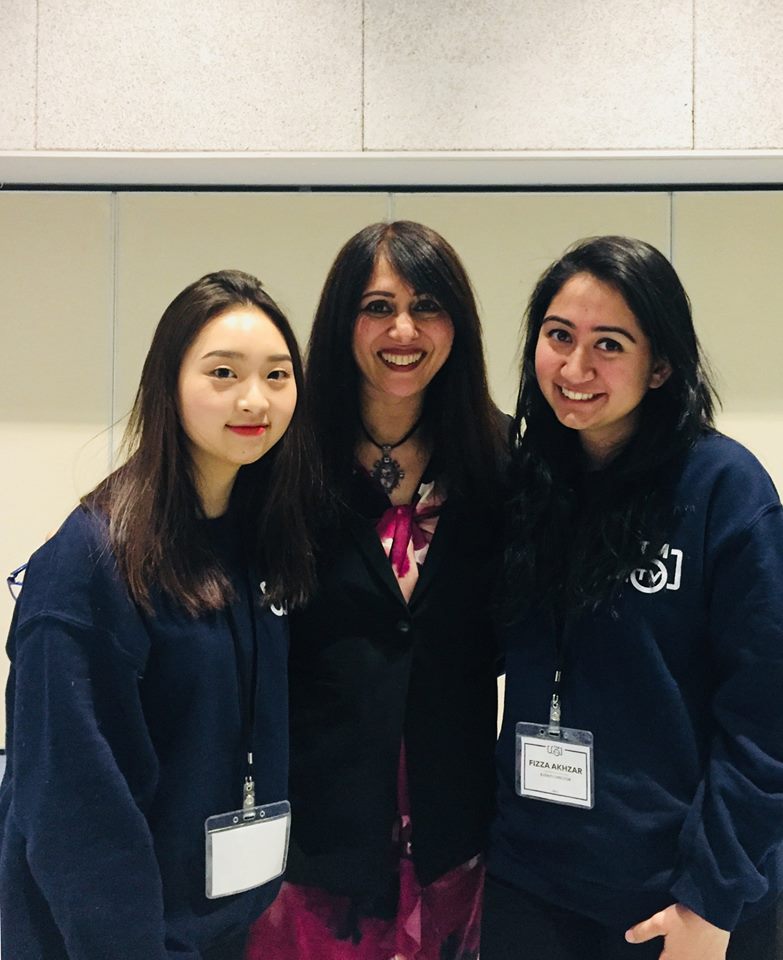
Wonderful screening at the University of Toronto Mississauga organized by UTM/TV, Pakistan Development Fund (PDF), Pakistani Students Association (PSA), and the ICCIT Council, with my brilliant niece Fizza Akhzar providing the impetus for the event. Great questions about filmmaking during the Q&A and a rich discussion about the partition and what it means for Indians and Pakistanis. I’m always moved by the generosity of students who find the time to experience something new and thought-provoking, in the midst of immensely busy schedules. Thank you to my cousin Akhzar Hassan and his beautiful family for getting me to the screening and attending it. So lucky to be surrounded by so much love ♥
Saba Mahmood (1962 – March 10, 2018)
On the morning of March 11, 2018, I woke up to the incredibly sad news that Saba Mahmood had passed away. Professor of anthropology at the University of California at Berkeley, a scholar of modern Egypt, and the author of stunning books like “Politics of Piety” and more recently “Religious Difference in a Secular Age,” she shifted paradigms by reframing Eurocentric discourse that’s become pat and uninspired.
I didn’t know her personally. I am not an academic. But as a Pakistani American activist who strives to unpack Islamophobia and imperial feminism, I’ve come to rely heavily on her work on secularism, religiosity, feminism, and ethics.
Saba Mahmood’s seminal book, “Politics of Piety: The Islamic Revival and the Feminist Subject,” was published in 2005. In her review of the book for Jadaliyya, Samah Selim writes:
The book is thus both an anthropology of the women’s mosque movement in Cairo in the mid-nineties and an elaborate philosophical critique of secular concepts of agency in a post-9/11 arena where “Islam” is increasingly manufactured by liberal western elites as the antithesis of “reason,” “enlightenment,” and human emancipation, and where “feminist politics runs the danger of being reduced to a rhetorical display of the placard of Islam’s abuses.” The ethnography is framed by a major political statement about the role of academic research in the world at large, and the meaning of resistance to regimes of oppression.
Mahmood’s startling answer to the feminist dilemma raised by the mosque movement is to sever the idea of women’s agency from “resistance to relations of domination, and the concomitant naturalization of freedom as a social ideal,” or more broadly speaking, from “the goals of progressive politics.” (In other words, there is no inherent reason why women must resist their oppression, since agency can be fully articulated in an embodied ethical practice that transcends western liberal distinctions of public and private). She does this by proposing the practice of da’wa in women’s circles in Cairo as an example of “lifeworlds” that altogether escape the antinomies of liberal thought, including feminist ones.
Studying the mosque movement turned out to be an eye-opening experience for Mahmood herself. In her essay, “Feminist Theory, Agency, and the Liberatory Subject: Some Reflections on the Islamic Revival in Egypt,” she reflects:
But what I have come to ask of myself, and would like to ask the reader, as well, is: Do my political visions ever run up against the responsibility that I incur for the destruction of life forms so that “unenlightened” women may be taught to live more freely? Do I even fully comprehend the forms of life that I want so passionately to remake? Would an intimate knowledge of lifeworlds that are distinct from mine ever question my own certainty about what I prescribe as a superior way of life for others?
[…] As someone who has come to believe, along with a number of other feminists, that the political project of feminism is not predetermined but needs to be continually negotiated within specific contexts, I have come to confront a number of questions: What do we mean when we as feminists say that gender equality is the central principle of our analysis and politics? How does my being enmeshed within the thick texture of my informants’ lives affect my openness to this question? Are we willing to countenance the sometimes violent task of remaking sensibilities, life worlds, and attachments so that women like those I worked with may be taught to value the principle of freedom? Furthermore, does a commitment to the ideal of equality in our own lives endow us with the capacity to know that this ideal captures what is or should be fulfilling for everyone else? If it does not, as is surely the case, then I think we need to rethink, with far more humility than we are accustomed to, what feminist politics really means. (Here I want to be clear that my comments are not directed at “Western feminists” alone, but also address “Third World” feminists and all those who are located somewhere within this polarized terrain, since these questions implicate all of us given the liberatory impetus of the feminist tradition.)
“Is Critique Secular? Blasphemy, Injury, and Free Speech” came out in 2009, in the aftermath of the Danish cartoons controversy. In conversation with Talal Asad, Wendy Brown and Judith Butler, Mahmood suggested that “struggles over religious difference cannot simply be settled by the heavy hand of the law.” She was “puzzled by the fact that the kind of injury expressed by ordinary pious Muslims did not find any voice in the polemical debates in either the Islamic or the European press” and wondered if this was because the “religiosity expressed by most Muslims in response to the Danish cartoons was incommensurable with the language of rights, litigation, and boycotts that came to dominate the debate.” After all, “the rights of minorities are actually framed by the norms of the larger community; it’s against those norms that minoritarian claims are judged and contested, and that is where the idea of religious liberty and freedom of expression as an individual right remains inadequate to grasping the situation.”
Saba Mahmood’s “Religious Difference in a Secular Age: A Minority Report” was published in 2015. Sophie Chamas reviewed the book for the Cairo Review of Global Affairs:
In Religious Difference in a Secular Age: A Minority Report, Mahmood argues that by solidifying religious divisions and emphasizing differences, modern secularism itself has heightened tensions in countries like Egypt. The modern state and the secular political rationality that animates it, she argues, has paradoxically made religion a more, rather than less, significant part of the lives and subjectivities of those who belong to both minority and majority communities.
In Mahmood’s view, while political secularism extricates religion from politics and relegates it to the private sphere, it positions religion as an essential aspect of individual and collective identity, thereby emphasizing rather than de-emphasizing religion, increasing rather than decreasing its importance. As it promises to free the state from religion and religion from the state, secularism, by defining and limiting religion’s appropriate place in society as private, personal belief, restricts and polices the practice of religion. Secularism thus reserves itself the right to adjudicate on what constitutes an integral aspect of a “belief system” and is therefore entitled to protection under the state’s commitment to religious freedom and equality.
[…] Religious Difference in a Secular Age persuasively highlights the ways in which the modern secular state cultivates religious difference, reinscribes religious inequality, and prioritizes majoritarian values and sensibilities over those of its minorities while claiming to be a neutral arbiter between communities. The author acknowledges that secularism is not something that can be done away with, any more than modernity can be. Though Mahmood declines or fails to envision an alternative, she argues that depriving secularism of its “innocence and neutrality” can help craft a different future.
As I mourn the loss of a major thinker, a rigorous scholar and public intellectual, a woman of color from the Global South who influenced the work of countless academics all over the world and provided Muslim activists like myself the language to challenge the “civilizational stand-off between Islam and the West,” I have delved deeply into her work and discovered more gems.
For example, before turning to anthropology, Saba Mahmood was an architect who worked in dense urban neighborhoods, designing housing for the poor and homeless. Also, when still a student at Stanford University, in a piece entitled “Cultural Studies and Ethnic Absolutism: Comments on Stuart Hall’s ‘Culture, Community, Nation’,” Mahmood questioned Hall, the legendary cultural theorist and academic, about “how is it that arguments made with a progressive agenda converge epistemologically and argumentatively with those of the political right, perhaps unintentionally, in their failure to decenter normative assumptions derived from the entelechy of Western European history about the political aspirations of ethnic, nationalist and/or politico-religious social movements?”
She was indomitable. She was only 56. Her work will continue to improve us.
Inna lillahi wa inna ilayhi raji’un.
More at Round Table India.
Indian, Pakistani: Why Two Women Felt Compelled To Make This Partition Documentary
Many people have asked me over the years how Surbhi Dewan and I came together to make A Thin Wall, an intensely personal film about the partition of India. Here is our story, recounted beautifully in Surbhi’s words.
…
No matter how similar we were, or how well we understood each other and how close our friendship was, the world would see us, first and foremost, through the lens of our nationalities – and how our nationalities had always been, and still were, at loggerheads with each other. But that is why it was important for us to be heard – an Indian and a Pakistani living a different reality, choosing to remember a time before the two nations were born, and to imagine a new narrative for the future. Our voice, no matter how feeble in comparison to the jingoistic media frenzy, had the right to be heard. So we trudged along – thinking, talking, listening, shooting, writing and sharing. More here.
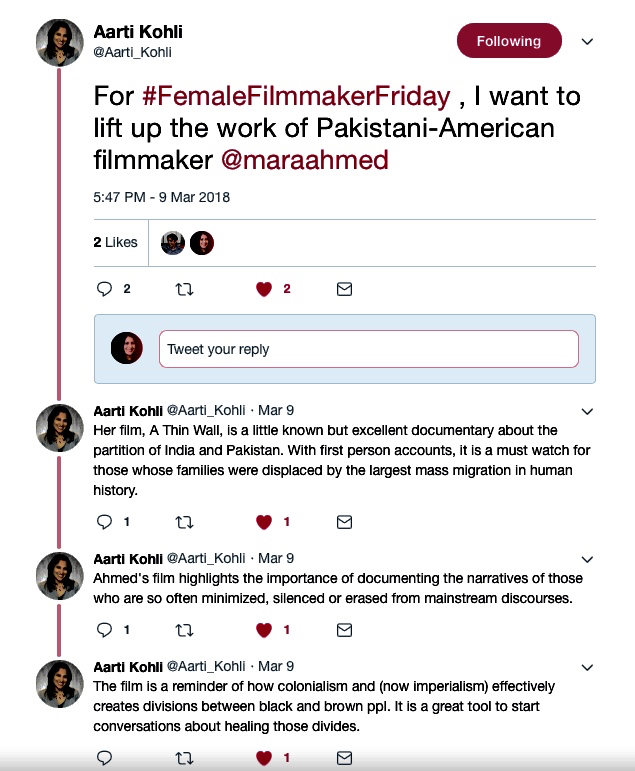
Aarti Kohli on A Thin Wall
Beautiful commentary/thread about A Thin Wall by the brilliant Aarti Kohli whom i had the pleasure of meeting at the Oakland Asian Cultural Center where she moderated the post-screening discussion about #colonial #partitions, #borders and #nationalism. Aarti is the Executive Director of Advancing Justice – Asian Law Caucus.
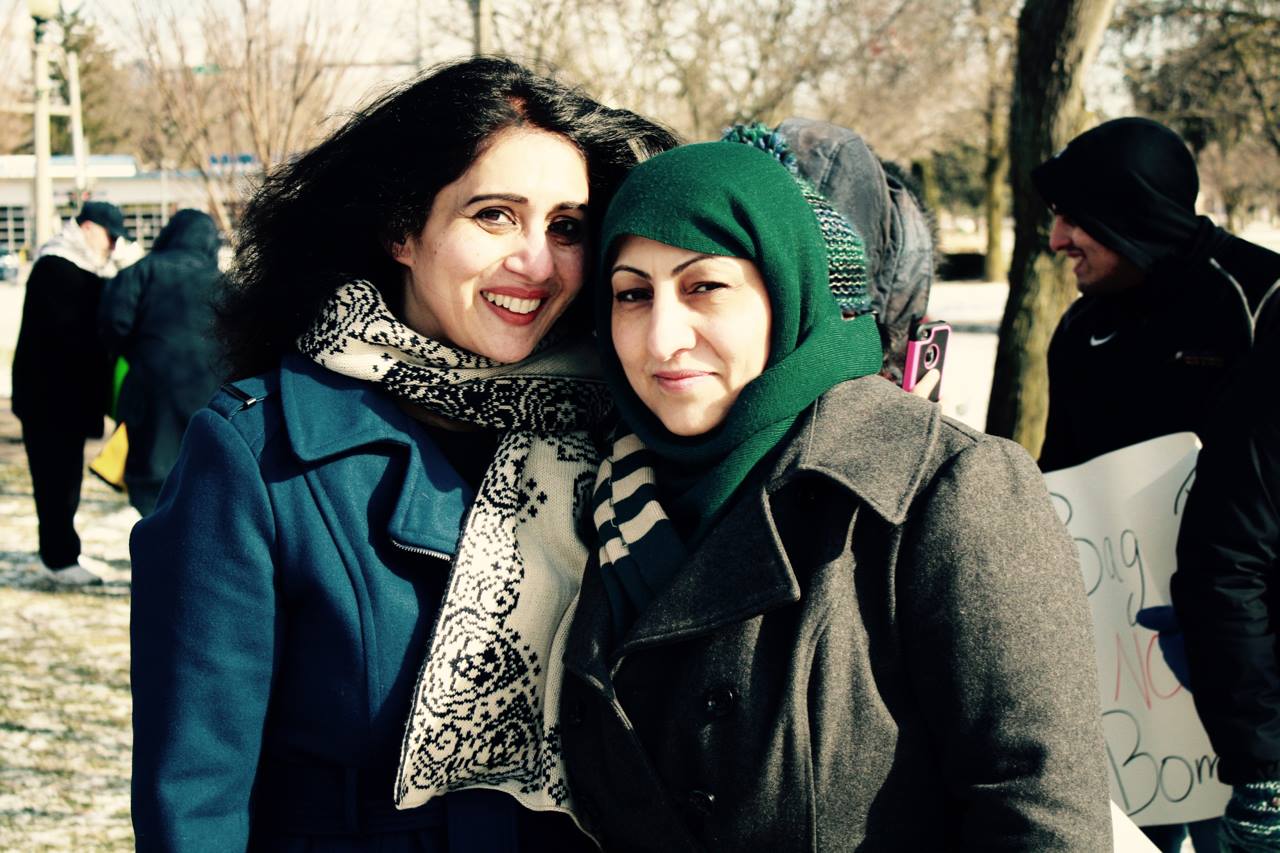
at the rally against anti-semitism last year
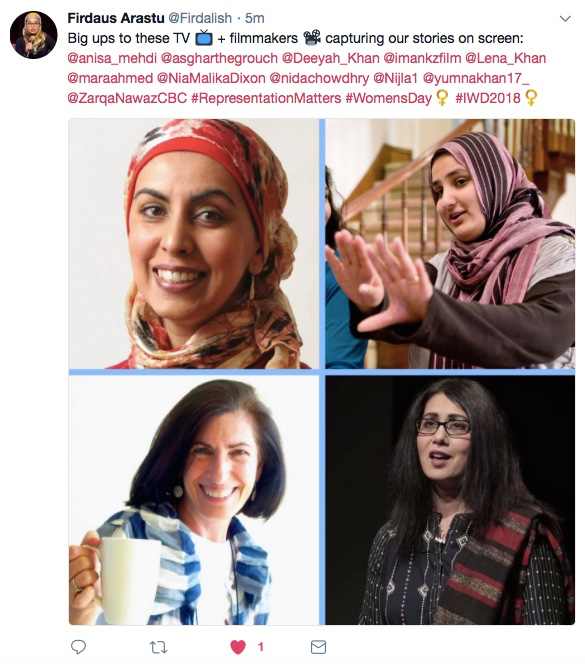
capturing our stories on screen
absolutely thrilled (and grateful) to find this mention on twitter today!
International Women’s Day: Immigration’s impact on us
look forward to being a panelist at this event celebrating international women’s day and immigration, today at 5pm. will be joining caridad sosa-blackwell, freelance consultant and research associate, and princesse nabintu-kabaya, care manager at catholic charities USA. pls join us, it’s free – all u need to do is register. more info here.
Screening coming up in Toronto
A Thin Wall will be screened at the University of Toronto Mississauga [3359 Mississauga Road] on March 16 at 5pm. I will be there for Q&A. And there will be food 🙂 Would love to see u if u are in the area. Hope u can make it and thx for orgaizing Fizza ♥
Our third interview for the new film
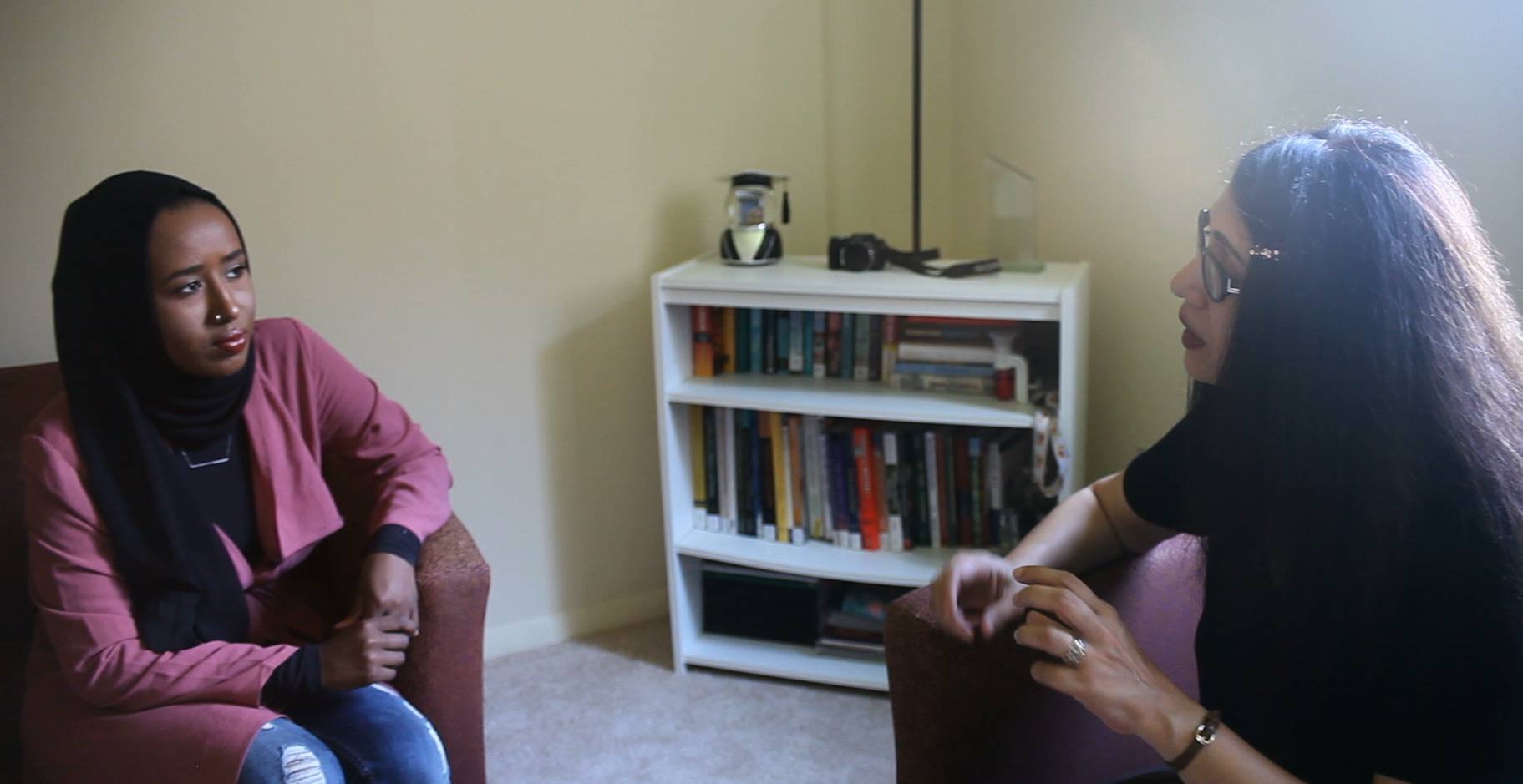
Our third interview for the new #film on #racism in #America was with Greta Aiyu Niu – Planned Parenthood & academia, activist & teacher.


First interview for the new film
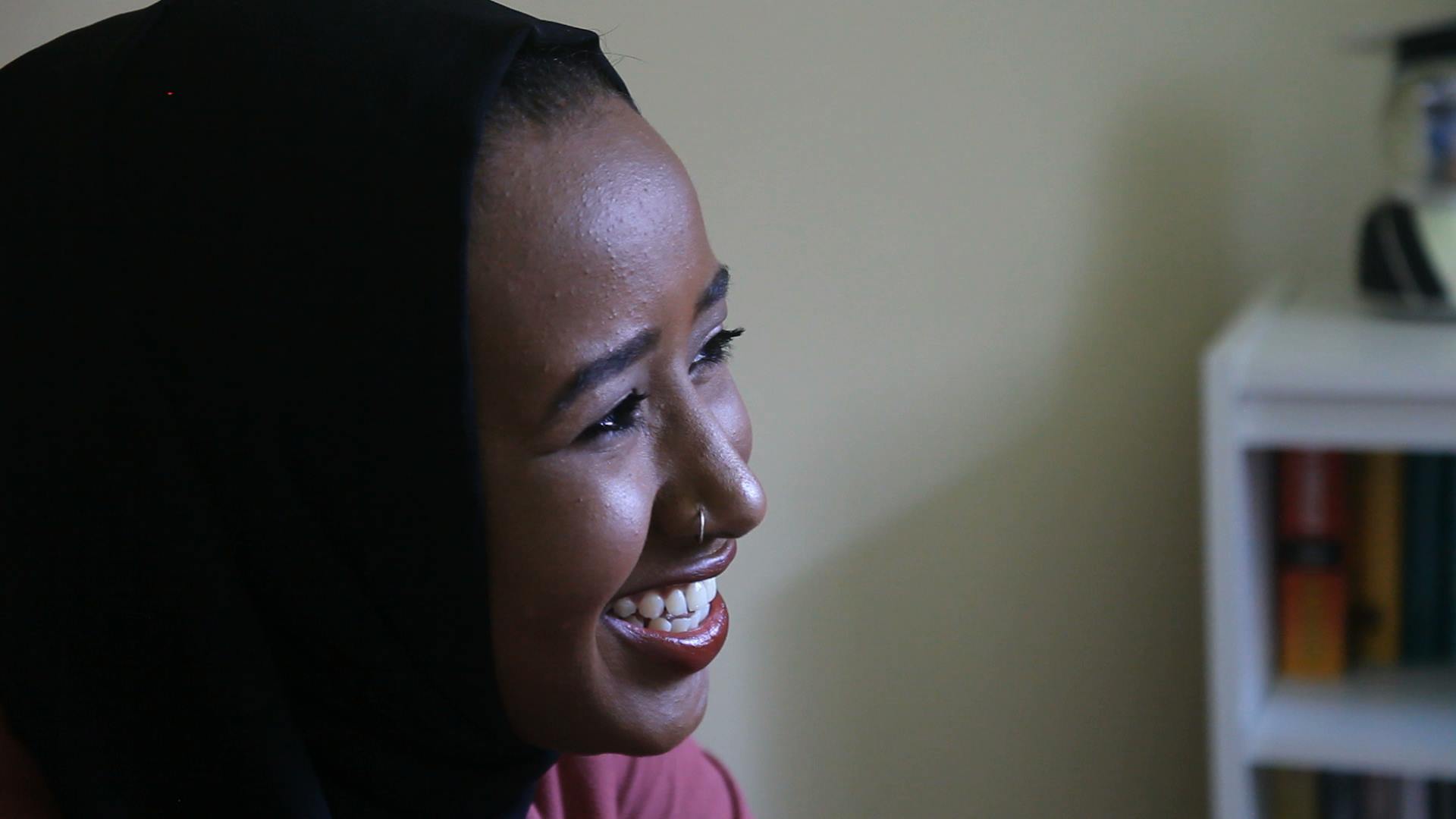
Our first interview, for the new film on racism in America, was with Ayni Ali – full time student, activist, advocate for refugee rights. Thanks for these beautiful stills Rajesh!
Connections: Filmmaker Mara Ahmed on Borders and Nationalism
A poll conducted in the aftermath of the Charlottesville rallies found that while few Americans will outwardly express support for white nationalism or racially-charged ideas, more than 30 percent say they think the country needs to “protect and preserve its White European heritage.”
A local filmmaker is hoping to spark engaging conversations about multiculturalism and how homogenizing groups can lead to violence. Mara Ahmed has been outspoken about borders and nationalism, and about Islamophobia in America. We discuss her work, and her reactions to the Trump administration’s policies on immigration and more.
Berkeley
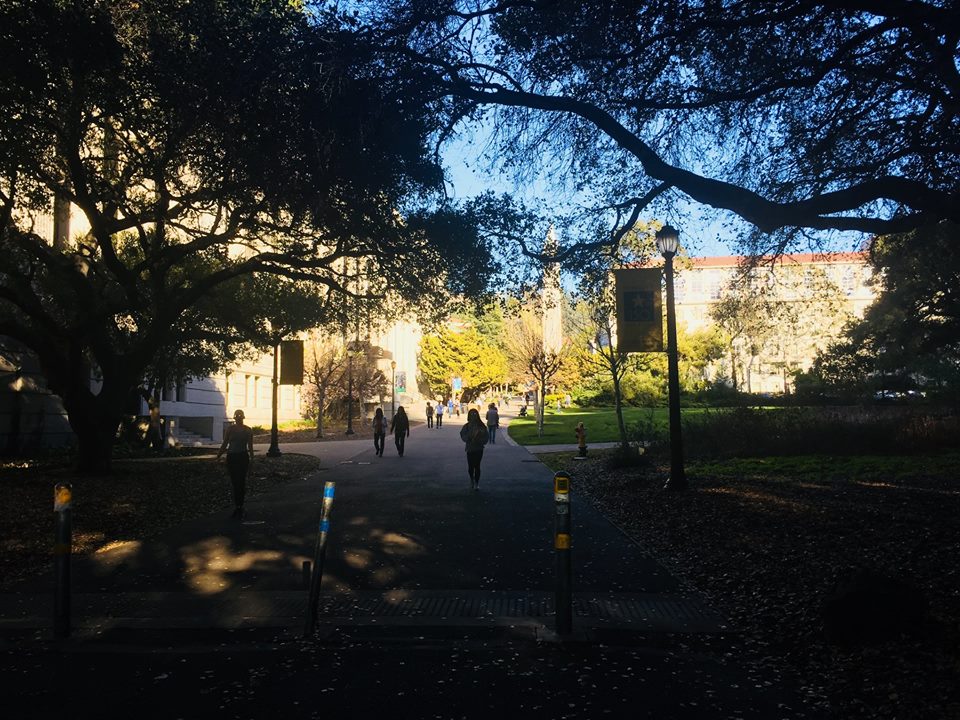
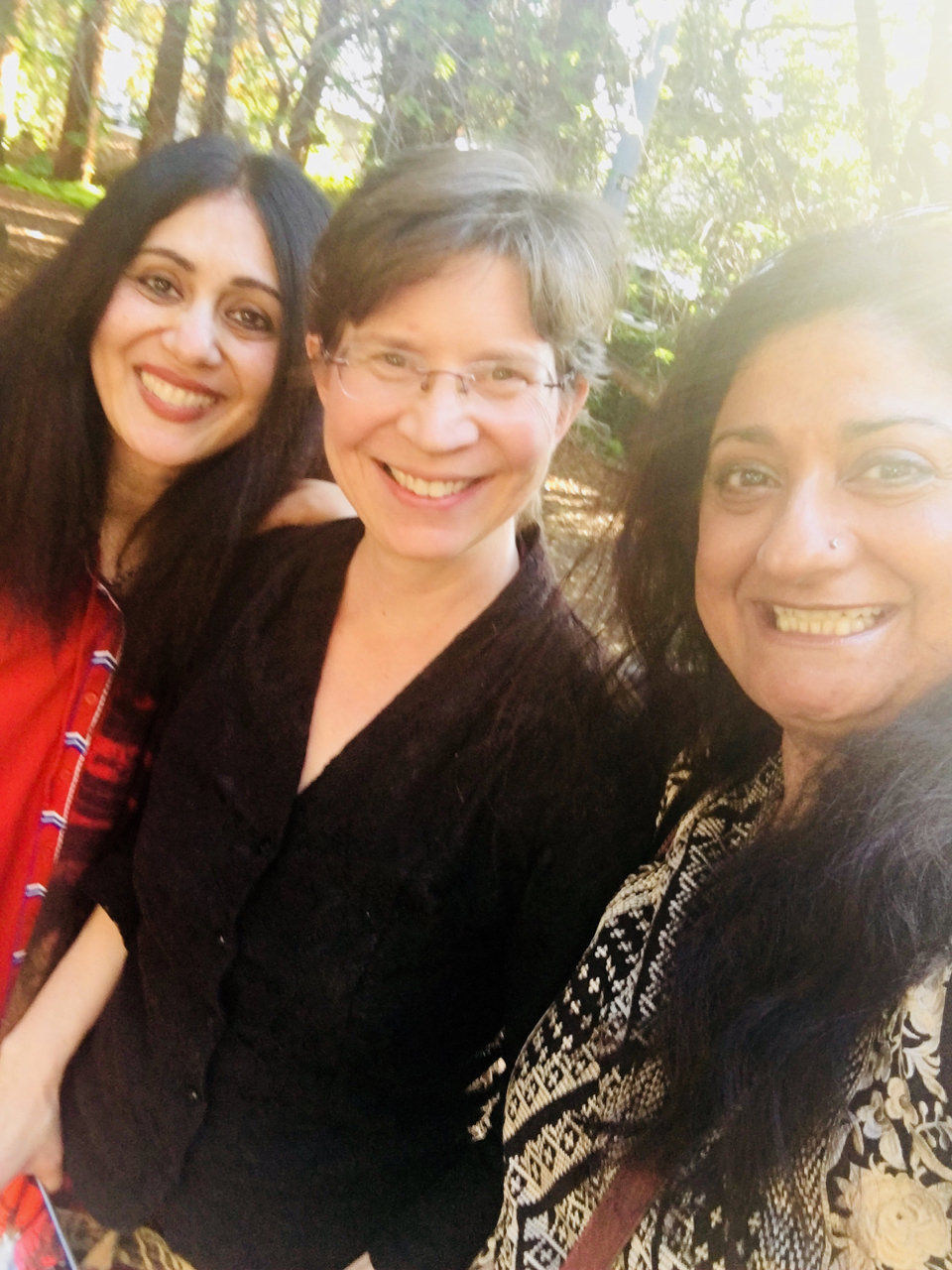
Busy day today. Started with hot chocolate from Modern Coffee, followed by a trip to Azadi Manzil in Berkeley Hills to meet my dearest friend Huma. A delicious home-cooked lunch followed by apple pie and chai, and then a visit to Huma’s class (on Gender, Sexuality & Race in Global Political Issues) with 150 students, at Berkeley, where I got to speak about my activism and film work. Drive back to Oakland with Huma – got to catch up and view my art exhibition together – and then the screening of The Muslims I Know. Smaller audience but excellent Q&A with a wonderfully engaged group. A young woman wearing the hijab confirmed my observation that although Islamophobia is on the rise, many young American Muslims are proudly reclaiming their religious identity. The day ended with dinner at Chop Bar with my habibti Donna, who pulled all of this together with such love and grace. Tomorrow back to Rochester, where I look forward to reading Deema’s poetry.
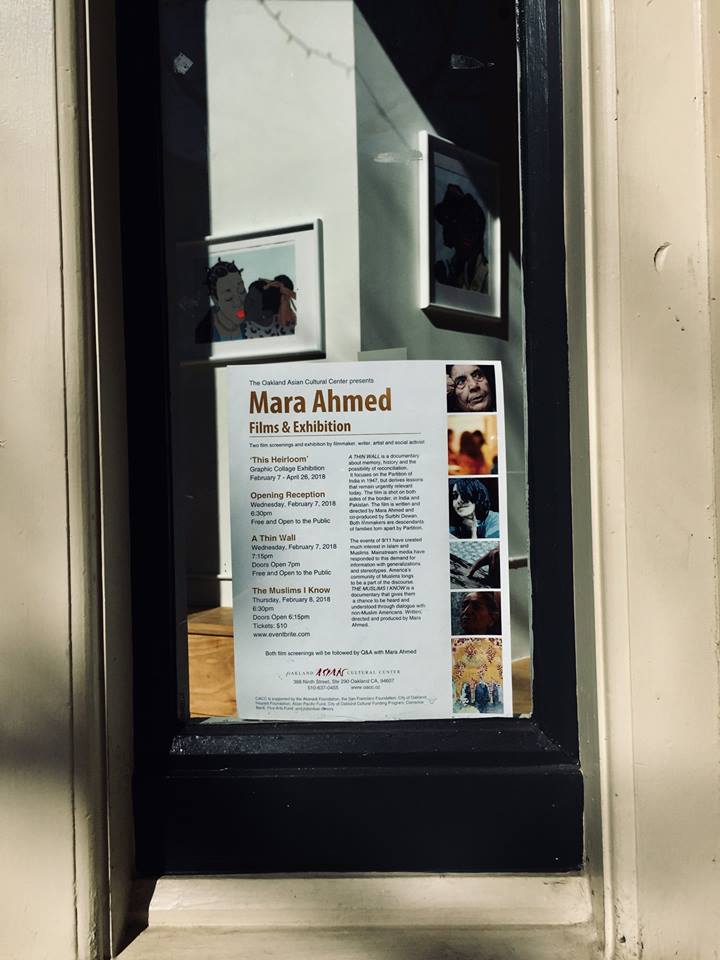
Opening of art show at OACC
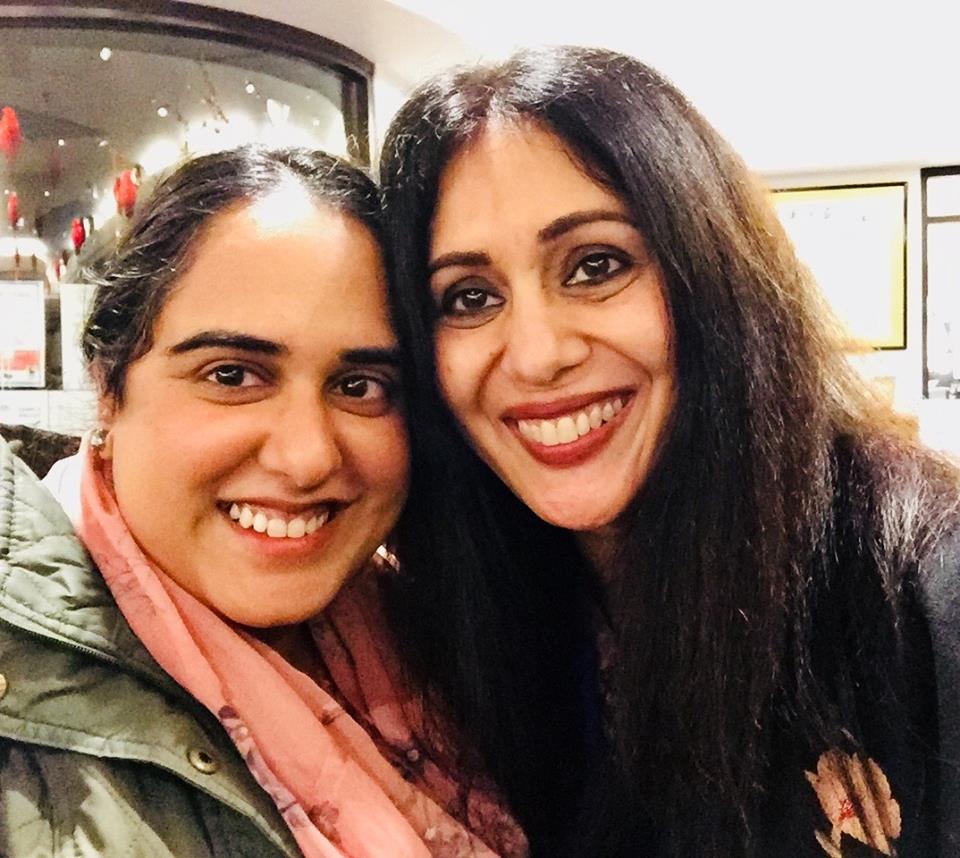
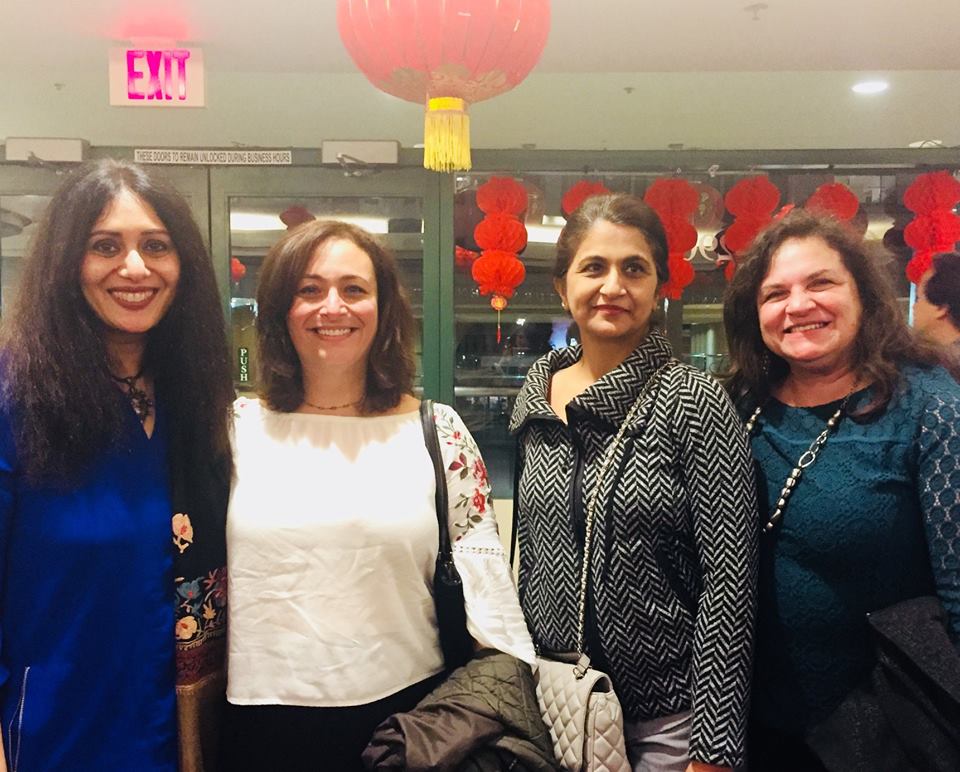
Beautiful opening and screening! Thank u Donna K. Khorsheed for ur genius in weaving multi-sensorial aspects of an art show into something so gorgeous and compelling. Thank u Sabah Munawar for bringing Rochester to Oakland! Thank u Aarti Kohli, executive director of Asian Americans Advancing Justice, for moderating the discussion. Thank u Deema Shehabi for bringing ur friends along and being such a lovely friend yourself. Thank u to everyone who attended the opening and screening, especially all the fabulous, creative young women I met today – may u tell ur stories in your own voices and on your own terms. And thank u Oakland Asian Cultural Center for making all of this possible ♥
Hanging the artwork
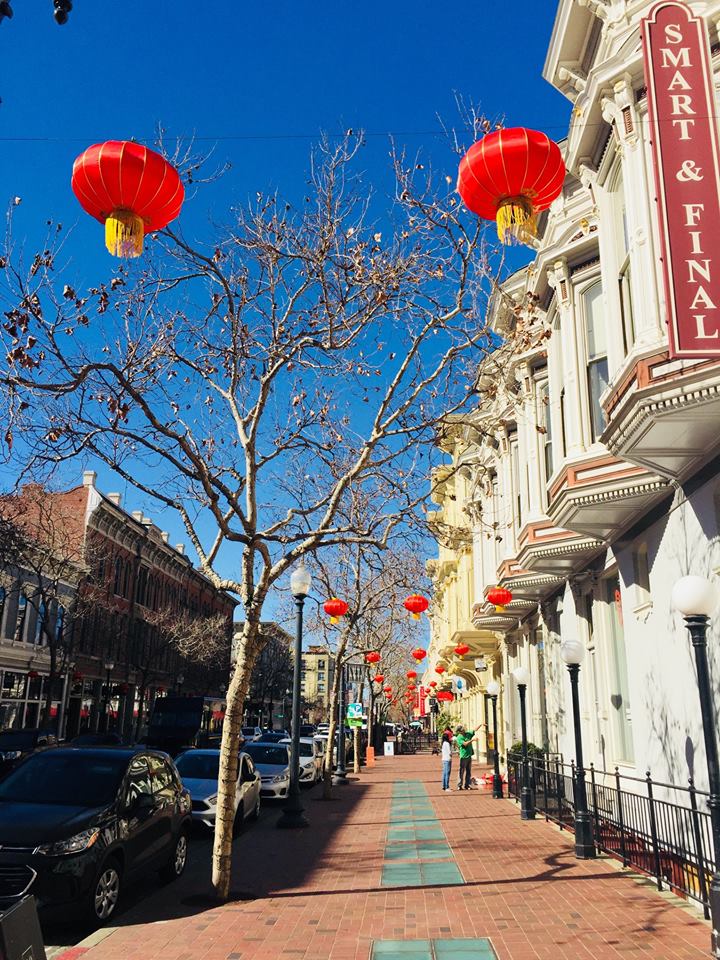
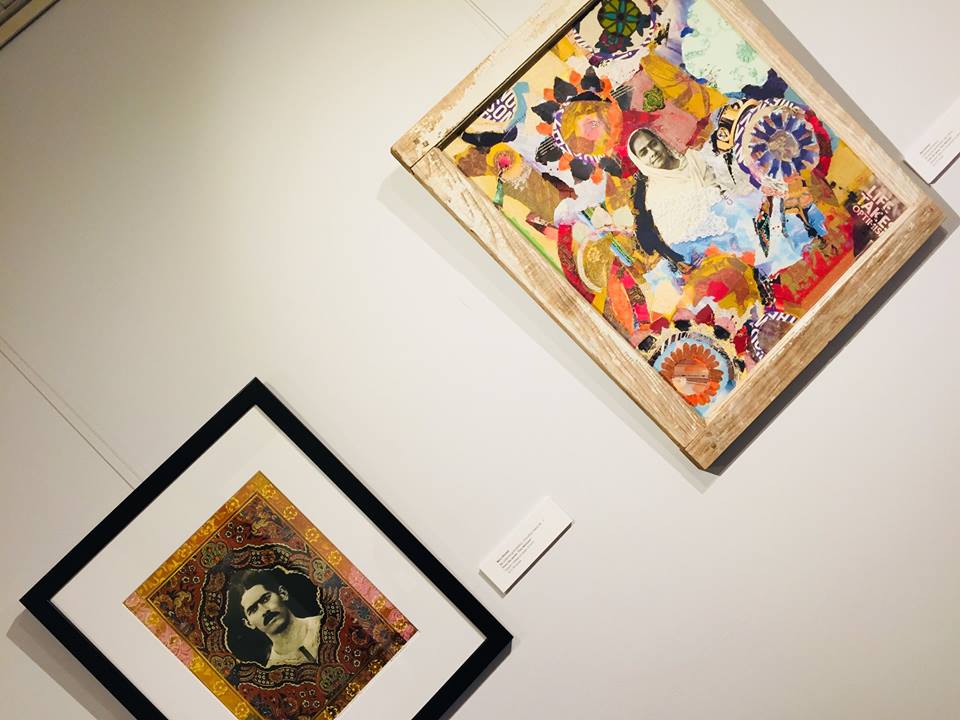
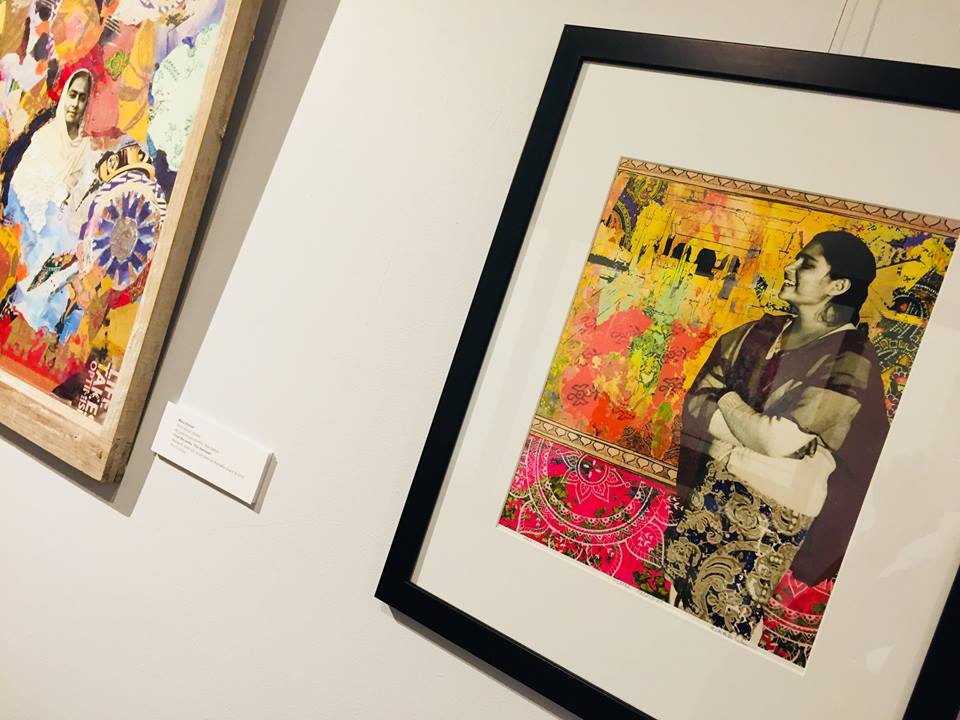
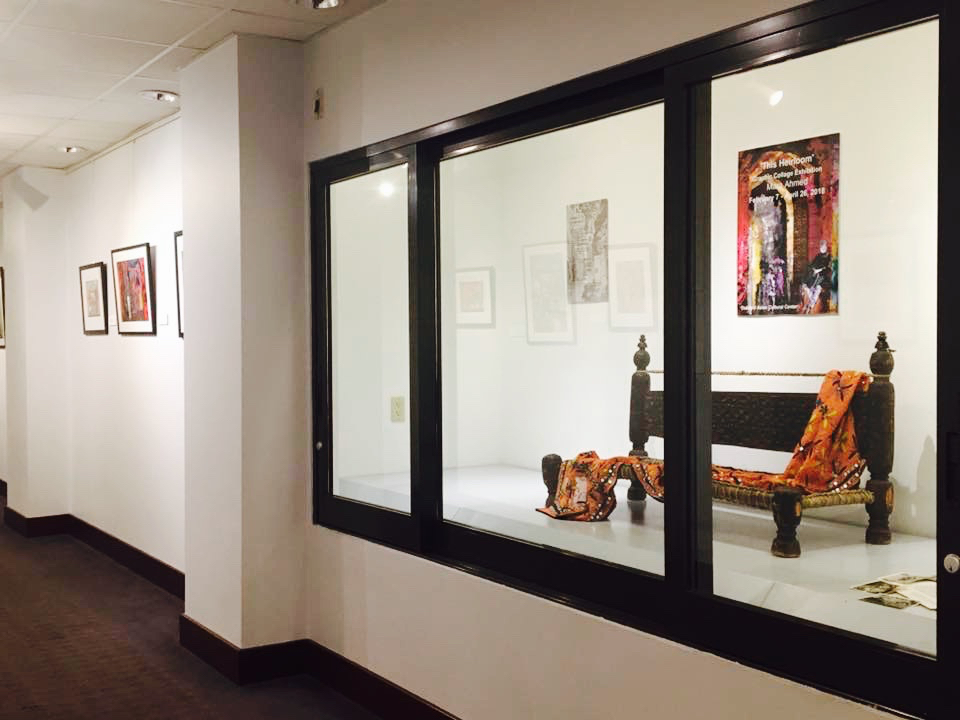
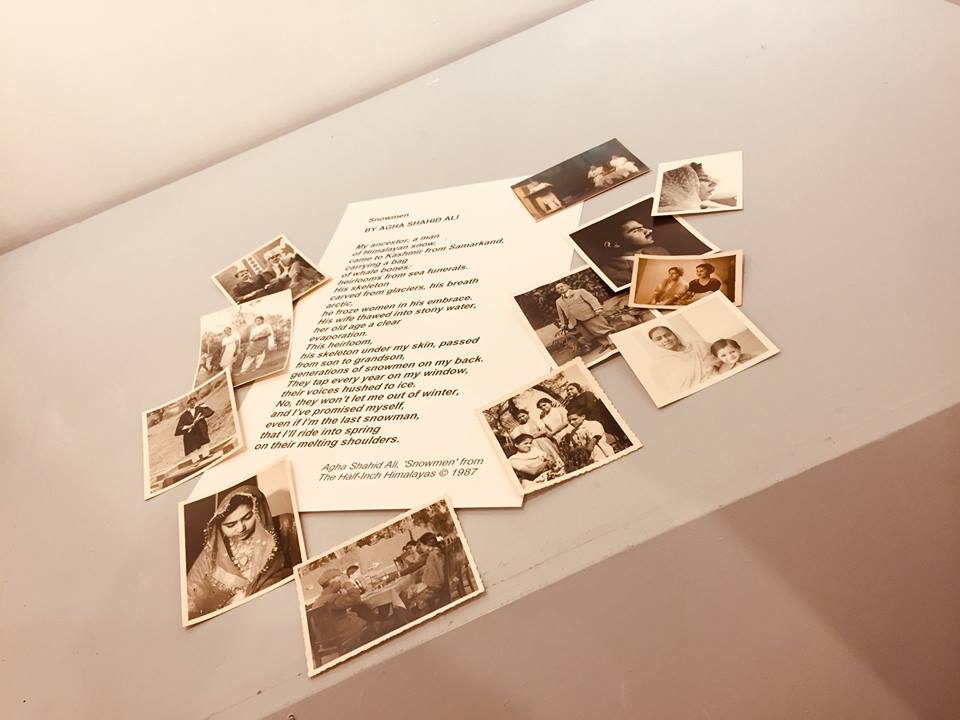
Such gorgeous weather here in Oakland! Spent the entire day hanging the art show with Donna but went out for lunch. Had salmon, green beans, tsukemono and miso soup at B-Dama. Was happy to see posters promoting my work at several stores. Worked non-stop until 7:30pm but then had a sumptuous dinner at Mockingbird. I had trout and Donna had some Moroccan chicken. So good! For dessert we had citrus almond cake, topped with chocolate ganache and candied almonds. A well-deserved treat after a long day of work. The show looks beautiful! It opens tomorrow at 6:30pm and will be followed by a screening of A Thin Wall. There will be Afghan food, ghoraybe cookies made by Reem’s Bakery, Ghalib’s poetry sung by Jagjit Singh, art, photography, film and so much more. Can’t wait.