INSTRUMENTS OF MEMORY IG TAKEOVER – 5

Repost from @instrumentsofmemory:

As I end my Instruments of Memory IG takeover, I would like to thank my team. Filmmaking is all about teamwork and I am lucky to have collaborated with some exceptionally gifted artists and human beings on ‘The Injured Body.’

I will continue to edit and transcribe interviews and I will be posting images and thoughts on my IG. Please follow me @mara__ahmed to stay in touch and learn more about the film. At this historic moment in our country (and around the world), let’s vow to eradicate racism in our families and communities, but also within ourselves. A better world is possible.

Thank you once again to Instruments of Memory and Claudia Pretelin for this wonderful opportunity.

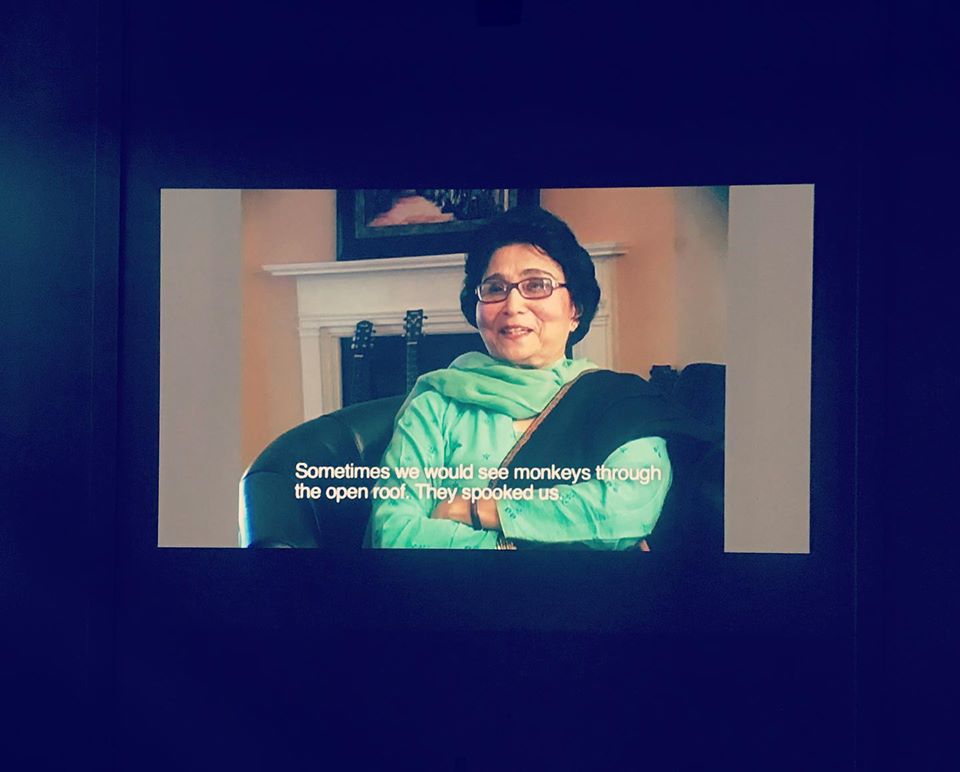
Photographs of Rajesh Barnabas [Cinematography], Mariko Yamada [Dance Choreography], Erica Jae [Photography], Tom Davis [Musical Score], Imani Sewell [Soprano], Darien Lamen [Sound Design, Photo by Aaron Winters] and Jesus Duprey [Additional Camera]
(see more photos on IG)
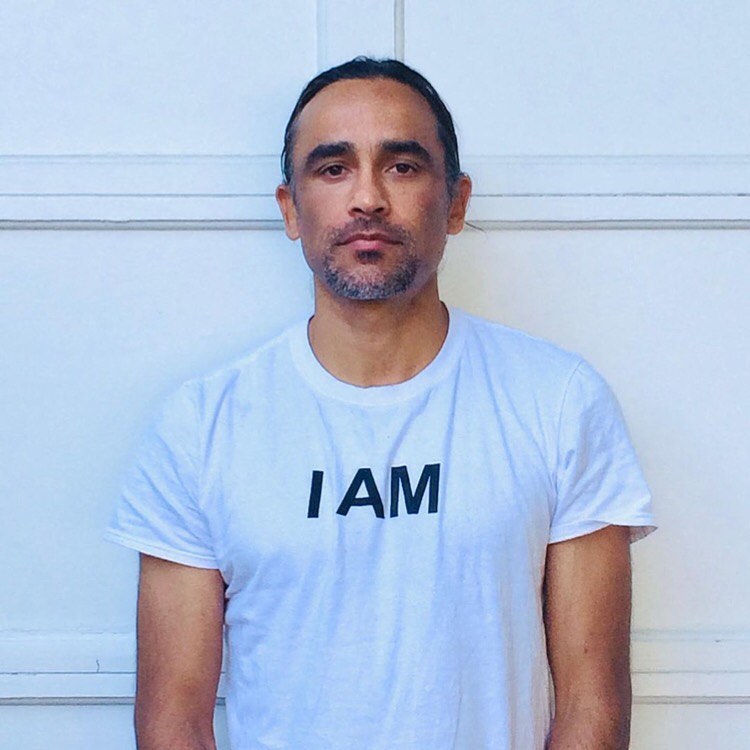
Rajesh Barnabas

INSTRUMENTS OF MEMORY IG TAKEOVER – 4

Repost from @instrumentsofmemory:

From Claudia Rankine’s Citizen: An American Lyric:

‘Perhaps each sigh is drawn into existence to pull in, pull under, who knows; truth be told, you could no more control those sighs than that which brings the sighs about.
//
The sigh is the pathway to breath; it allows breathing. That’s just self-preservation. No one fabricates that. You sit down, you sigh. You stand up, you sigh. The sighing is a worrying exhale of an ache. You wouldn’t call it an illness; still it is not the iteration of a free being.’

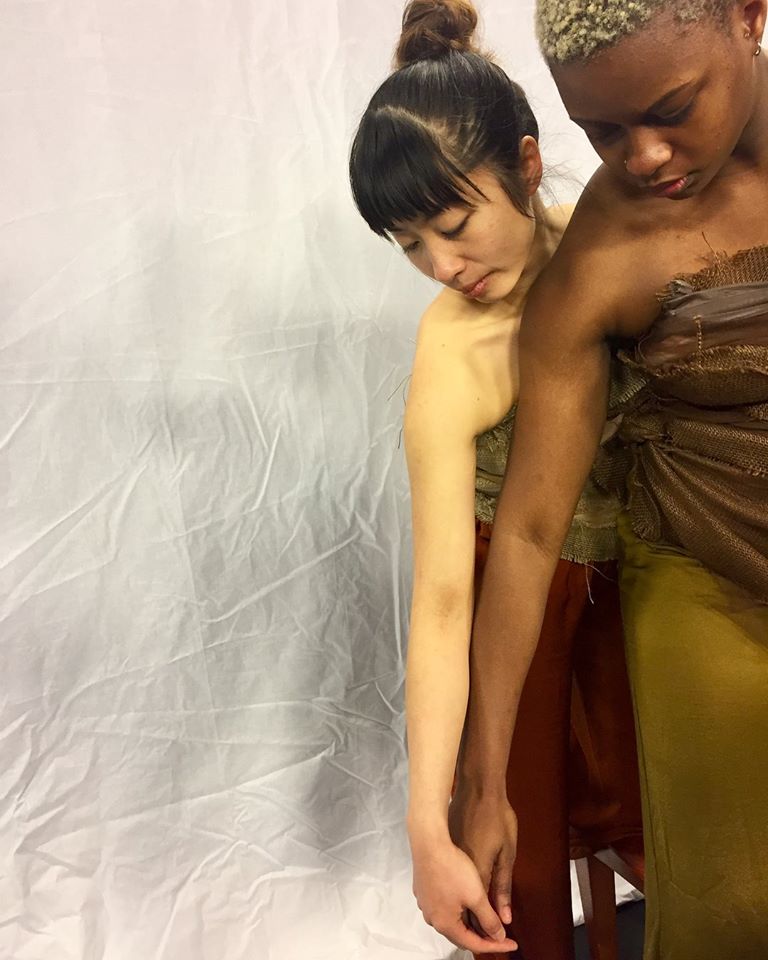
‘The Injured Body’ weaves together an alternative narrative strand told through dance and movement, mostly choreographed by Mariko Yamada. Since prejudice is largely a matter of reading bodies in particular ways and racism is received by and carried in the body, dance is the perfect medium to underline and explore the personal stories shared in the film.

Film stills with Mariko Yamada, Joyce Edwards, Nanako Horikawa, Andrea Vazquez-Aguirre Kaufmann, Cloria Iampretty, Sraddha Prativadi, Sejal Shah, María José Rodríguez-Torrado, Alaina Olivieri, Rosalie M. Jones, and Andrew David
Photography by Mara Ahmed @mara__ahmed

Mariko Yamada and Joyce Edwards. Photo by Mara Ahmed

INSTRUMENTS OF MEMORY IG TAKEOVER – 3

Repost from @instrumentsofmemory:

Claudia Rankine in ‘Citizen: An American Lyric’:
‘Yes, and the body has memory. The physical carriage hauls more than its weight. The body is a threshold across which each objectionable call passes into consciousness—all the unintimidated, unblinking, and unflappable resilience does not erase the moments lived through…’

The women interviewed for ‘The Injured Body’ share stories of micro-aggressions and parse their cumulative effect on the mind and body, but they also describe their visions for a world without racism or violence. This is a crucial part of the film, as imagining a better world is an important step towards achieving it.

In order to include a diversity of voices, we interviewed women one-on-one but also in groups, where the conversation was more fluid and informal. Here are some of our panelists.

Luticha A Doucette, Marcella Davis, Khadija Mehter, Muna Lisa, Yogi Indrani, Pamela Kim, Tianna Mañón, Mercedes Phelan, and Erica Bryant
All photography by Erica Jae (see all photos on IG)

Luticha Doucette. Photo by Erica Jae

INSTRUMENTS OF MEMORY IG TAKEOVER – 2

Repost from @instrumentsofmemory:

My new documentary, The Injured Body, examines racism though the lens of micro-aggressions: slights, slips of the tongue, or intentional offenses that accumulate over a lifetime and impede a person’s ability to function and thrive in the world.

I chose to approach racism by focusing on micro-aggressions because of two reasons. Firstly, as Claudia Rankine explains, we seem to understand structural racism somewhat, but are baffled by racism coming from friends. It is disorienting because it is unmarked. ‘The Injured Body’ hopes to home in on the language needed to ‘mark the unmarked.’ Secondly, personal stories lend themselves to filmmaking because they can help create intimacy and trust, and lay the groundwork for a paradigm shift.

The film spotlights the voices of women of color not only because their stories are misrepresented and frequently ignored by mainstream media, but also because they operate at the intersection of multiple forms of oppression and can articulate the complexity of those experiences. Their testimony and analysis can help broaden traditional understandings of feminism as well as anti-racism work.

Film stills/photographs of Ayni Ali, Amanda Chestnut , Sady Fischer, Lu LutonyaRachel Highsmith, Lauren Jemison, Elizabeth Nicolas, Greta Aiyu Niu, and Tonya Noel

Ayni Ali’s photograph by Arleen Thaler, all other photography by Erica Jae (pls see on IG)

Ayni Ali. Photo by Arleen Thaler

instruments of memory IG takeover – 1

Repost from @instrumentsofmemory:

Hey you all. My name is Mara Ahmed. I am an activist filmmaker and multimedia artist based in Long Island, New York. I’ve lived and gone to school on three different continents. I am many places and cultures but I identify with and am interested in those who end up on the ‘wrong’ side of borders. And history.

I’m working on my fourth film (getting ready to edit) and will be posting mostly about that project – ideas that coalesced into the film and stills from our shoots. Thanks to @instrumentsofmemory and @claudia_pretelin for letting me take over this IG.

My new documentary is called ‘The Injured Body: A Film about Racism in America.’ It’s inspired by Claudia Rankine’s book ‘Citizen: An American Lyric.’ ‘Rankine says that American life is made of moments when race gets us “by the throat.” Only some are nationally noted tragedies.’ Most others are minimized as ‘microaggressions,’ yet they damage deeply.

My favorite lines from the book:

You are not sick, you are injured—
you ache for the rest of life.
How to care for the injured body,
the kind of body that can’t hold
the content it is living?
And where is the safest place when that place
must be someplace other than in the body?

maraahmed #instumentsofmemory #instrumentsofmemorytakeover
activism #art #film #documentary #racism #america #claudiarankine #citizen #microaggressions #theinjuredbody #neelumfilms

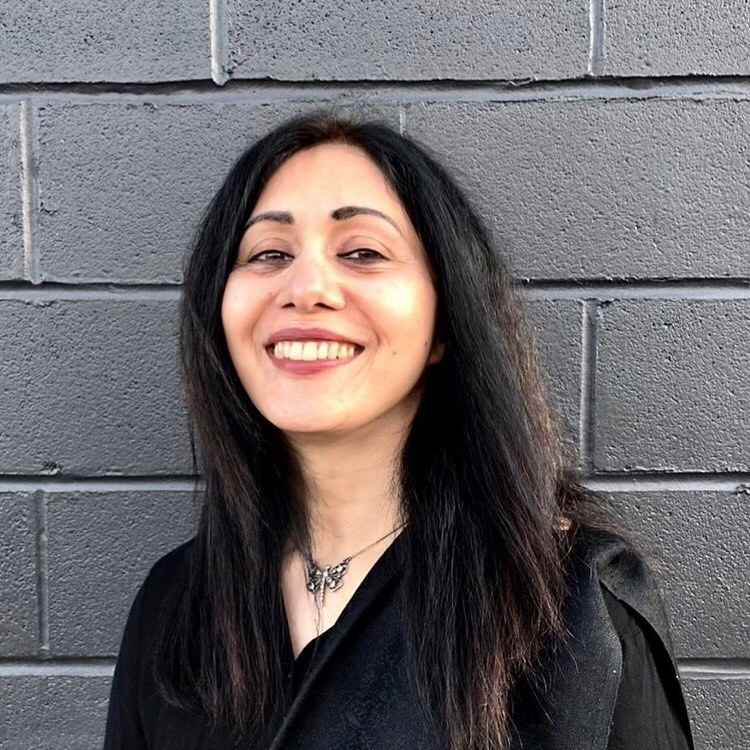
Mara Ahmed. Photo by Aitezaz Ahmed

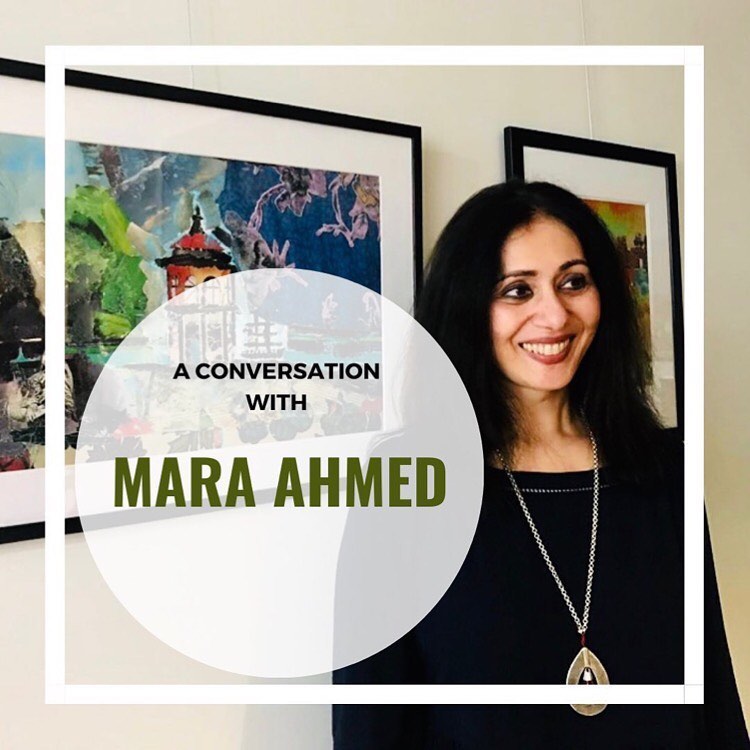
Borderless: A conversation with mara ahmed

The first part of my interview with the brilliant Claudia Pretelin for Instruments of Memory is here. Repost from @instrumentsofmemory

“Mara Ahmed is a Pakistani-American activist, artist, and independent filmmaker. She was born in Lahore, Pakistan, about seventeen miles from the Indian border. Her deeply formative migration pathway has informed her practice and has helped her develop a body of work that addresses notions of history, heritage, and tradition. Deeply connected with her roots and in constant dialogue with her contemporaneity and the political moment, Ahmed’s work creates art that subverts boundaries and connects different cultures with the universality of her topics.”

You can read interview here.

My interview with instruments of memory coming up in june

#Repost @instrumentsofmemory: In June, don’t miss a two-part interview with Long Island-based activist, artist, and filmmaker Mara Ahmed | @mara__ahmed .
.
In conjunction with her production company Neelum Films, Mara has written and directed three documentaries The Muslims I Know, Pakistan One on One, and A Thin Wall. She is currently working on The Injured Body, a documentary about racism in America, focusing exclusively on the voices of women of color. Mara’s artwork is described by the artist as a multimedia fusion of collage work, photography, graphic art, and film. .
.
instrumentsofmemory #womeninthearts #conversationswithwomeninthearts #artist #filmmakers #activist #filmmaker #MaraAhmed #artstories #ClaudiaPretelin #womenofcolor #documentary #comingsoon

A conversation with Mara Ahmed

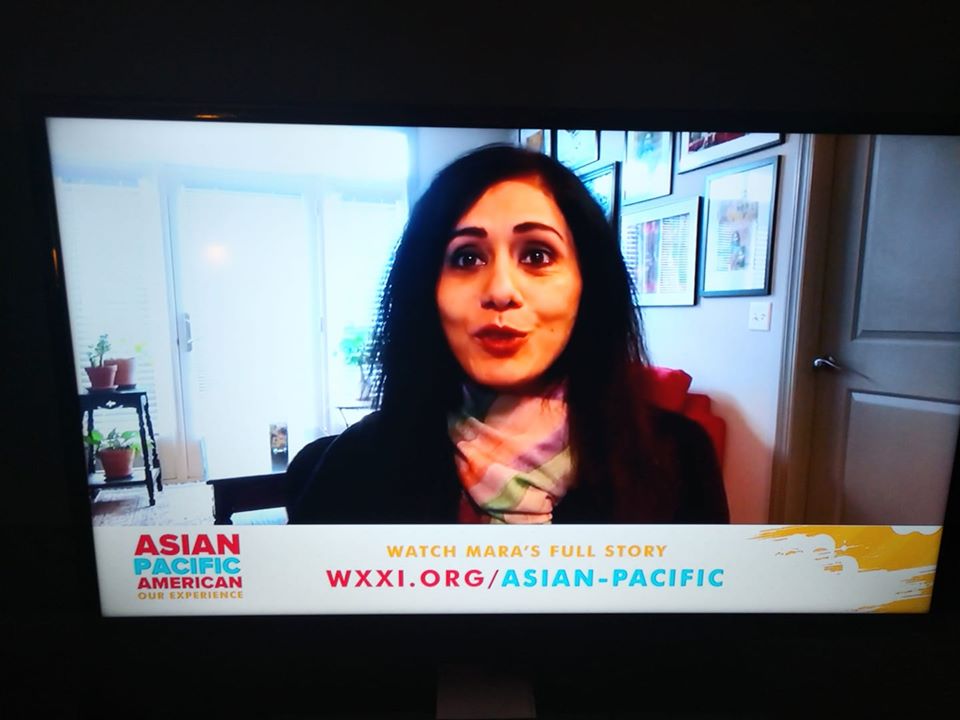
Asian Pacific American Our Experience: Local Stories

Asian Americans is a sweeping 5-part historical series chronicling two centuries of evolving contributions and challenges experienced by Asian Americans in the United States. The series explores bold, new perspectives that recalibrate the way we look at those experiences, and reveals the vital role of Asian Americans in shaping American history and identity.’ [from Vivek Maddala who composed the music score for this series]

Episodes 1 & 2 premiered yesterday on PBS (broadcast and streaming), and Episodes 3, 4, & 5 premiere tonight (May 12) at 8 PM.

I was honored to be one of the local Asian Americans asked to share their stories and perspectives, as part of the collaboration between APAA (Asian/Pacific Islander/American Association of Greater Rochester) and WXXI. Thank you Mimi and Lily Lee for your continuing work in our community.

You can watch the spots, including my own, below. My only gripe is that, in my intro, I mentioned how I come from the Global South/colonized world and how that impacts my identity and work, which was edited out. But the rest is still here:)

Watch at this link.

The Changemakers: Rochester Women Who Changed the World

Dear friends, I’m thrilled to share that I will be one of the women featured in a new exhibition, ‘The Changemakers: Rochester Women Who Changed the World,’ inspired by the centennial of the Nineteenth Amendment and commemoration of the women’s suffrage movement.

The Changemakers will open on October 9, 2020 in the Riedman Gallery at the Rochester Museum & Science Center.

It will be a community-curated exhibition that hopes to celebrate historical and contemporary women visionaries, trailblazers, inventors, social innovators, and entrepreneurs in western New York, through compelling, untold narratives. It will use Immersive, collections-rich spaces and hands-on experiences to give visitors new access to insights from the past, encourage gender equity in the present, and inspire a better future.

I will be there on Oct 8th! What a treat! #ChangemakersRoc

doing a tv spot for asian pacific american heritage month

working with #APAA (asian pacific islander american association of rochester) and #WXXI to celebrate asian pacific american heritage month. 

The ‘Sultana’s Dream’ Project by Chitra Ganesh and the Importance of Muslim Feminisms

i wrote this in the middle of our move, because it means that much to me.
a new exhibit based on the work of radical bengali feminist rokeya hossain is now at the Memorial Art Gallery of the University of Rochester (until june of this year). that’s something to rejoice, except that hossain’s muslim identity is completely erased in the discourse about the project both on MAG’s website as well as in artist chitra ganesh’s description of the work on her own website.

this erasure is particularly jarring at a time of anti-muslim progroms in india as well as the weaponization of the pandemic (it’s being called covid jihad) to stoke islamophobia.

here’s more.

Film Discussion to Explore Legacy of 1947 Partition, As Anti-Muslim Violence Surges In India

so a screening of ‘a thin wall’ followed by a community discussion at Douglass Auditorium at 36 King St. was cancelled on march 14th, in accordance with NYS coronavirus guidelines. we hope to reschedule some time in the future.

in the meantime, Darien Lamen spoke to Hibah Arshad, Thomas Gibson and i, and put together this excellent intro to the community conversation we hope to have. pls read/listen here.