in this world

recently, i made my students watch michael winterbottom’s ‘in this world’ a hands-on, many times unscripted, documentary-style film that follows the arduous (and ultimately tragic) journey of two young men (jamal is only 15) who risk everything and travel from a refugee camp in pakistan to iran, to turkey, to trieste in italy to london. some parts of their journey are more harrowing than others, but one that’s particularly unforgettable is the long voyage on board a ship (from turkey to italy) during which they are locked along with others in a dark, suffocating, metallic container. most don’t make it out alive. 

we discussed the film in class and some of my students made such brilliant comments i have to share.

they were surprised by the corruption of the bureaucracy (officials had to be bribed at every checkpoint), the cultural and linguistic mosaic they didn’t expect (sometimes w/i the same country), and the rationing of food in refugee camps (they said they felt nauseated by comparing it to how much food is wasted here in the US). they couldn’t believe that jamal had such a good head on his shoulders at such a young age, yet they laughed at his jokes and his desire for the largest scoop of ice-cream – reminders that he was just a child after all. they talked about how billions are spent on war against some of the most vulnerable people and they also connected the fate of the two boys they got to know in the film to 9/11 and america’s response to it.

they made some out-of-the box connections, e.g. to the underground railroad – how people have always taken risks, journeyed, and secretly crossed borders to escape oppression and make better, safer lives for themselves and their families. they noticed how jamal and enayat were welcomed by kurdish villagers who helped them get to turkey, and thought about the generosity of a people who don’t have sovereignty themselves, but will do everything they can to get someone else ‘home.’ 

finally, they shared how refugees and immigrants (‘migrants’) are mostly invisibilized and how seeing them up close thru the film moved them in unexpected ways. we also read warsan shire’s poem ‘home’ and fady joudah’s ‘mimesis.’ rather than ask them to write an analytical essay on the film, which is what we usually do, i asked them to write about one leg of jamal’s journey in the first person, to tell me his thoughts and feelings but also details related to the situation he is caught in. i just read some of their responses and i’m blown away. i feel like we’ve hooked into something here. something profound.

have your mother make you kibbeh

today in my #class ‘through another lens’ we read from the catalog for ‘clear-hold-build’ a powerful #art #exhibit i saw at Twelve Gates Arts#gallery in #philly a couple of weeks ago. 

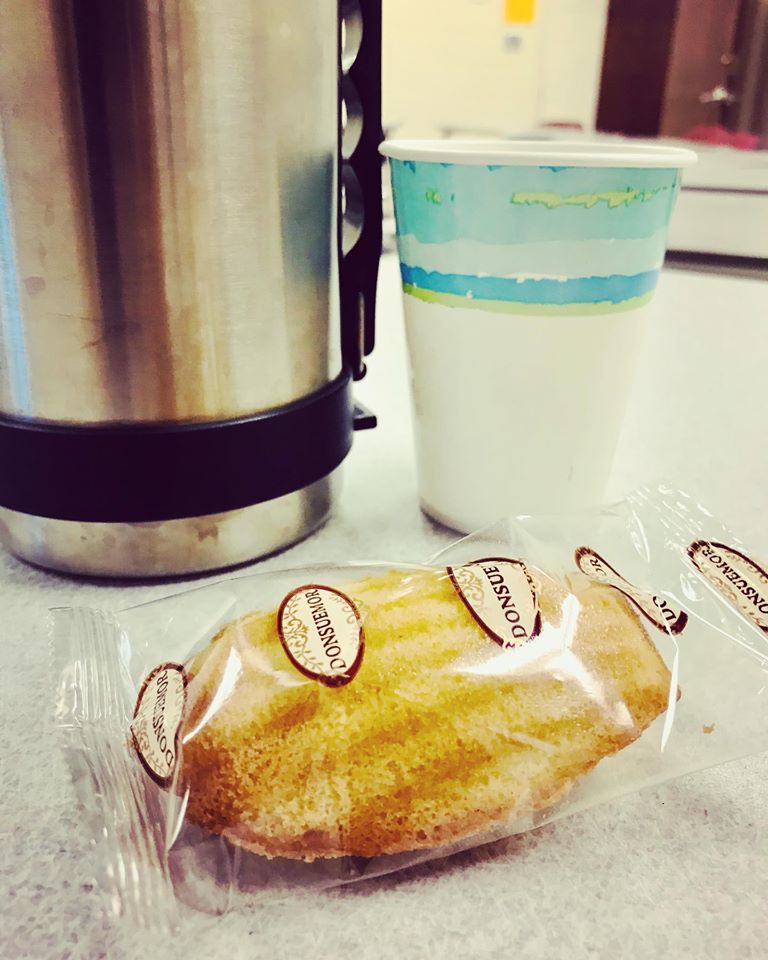
we focused on #iraqi #artist dena al-adeeb’s work, particularly ‘have your mother make you kibbeh’ which re-enacts dena’s ongoing participatory #performance ‘the #taste of #displacement.’ 

i made kibbeh for my students and we enjoyed eating them with hummus, chips and lemonade as we watched a clip from the video installation.

Kamila Shamsie stripped of German literary prize over support for BDS

Raymond Deane: Some day a German president will be forced to kneel down and crave forgiveness from the Palestinians, the way Willy Brandt did in Warsaw in another context – from which the German state has learned nothing.

‘Kamila Shamsie condemned the decision in a statement sent to MEE by email, and said she was saddened that the jury had bowed to pressure.

“In the just-concluded Israeli elections, Benjamin Netanyahu announced plans to annex up to one third of the West Bank, in contravention of international law, and his political opponent Benny Gantz’s objection to this was that Netanyahu had stolen his idea; this closely followed the killing of two Palestinian teenagers by Israeli forces – which was condemned as ‘appalling’ by the UN Special Coordinator for the Middle East Peace Process,” she said.

“In this political context, the jury of the Nelly Sachs prize has chosen to withdraw the award from me on the basis of my support for a non-violent campaign to bring pressure on the Israeli government.

“It is a matter of great sadness to me that a jury should bow to pressure and withdraw a prize from a writer who is exercising her freedom of conscience and freedom of expression; and it is a matter of outrage that the BDS movement (modelled on the South African boycott) that campaigns against the government of Israel for its acts of discrimination and brutality against Palestinians should be held up as something shameful and unjust.”

Shamsie told MEE that she asked Dortmund’s city council to include her statement in their official press release, but they refused.’ [Thus adding to their undying shame.] More here.

The Old Man in the Cottage

today we discussed ‘the old man in the cottage,’ a brilliant short story by feroz rather, situated in kashmir, in which the violence and tension between the colonizer and colonized become strikingly palpable. we also read ‘frantz fanon and the construction of the colonial subject’ and used it to analyze the story in greater depth. more here.

talking about kashmir in class

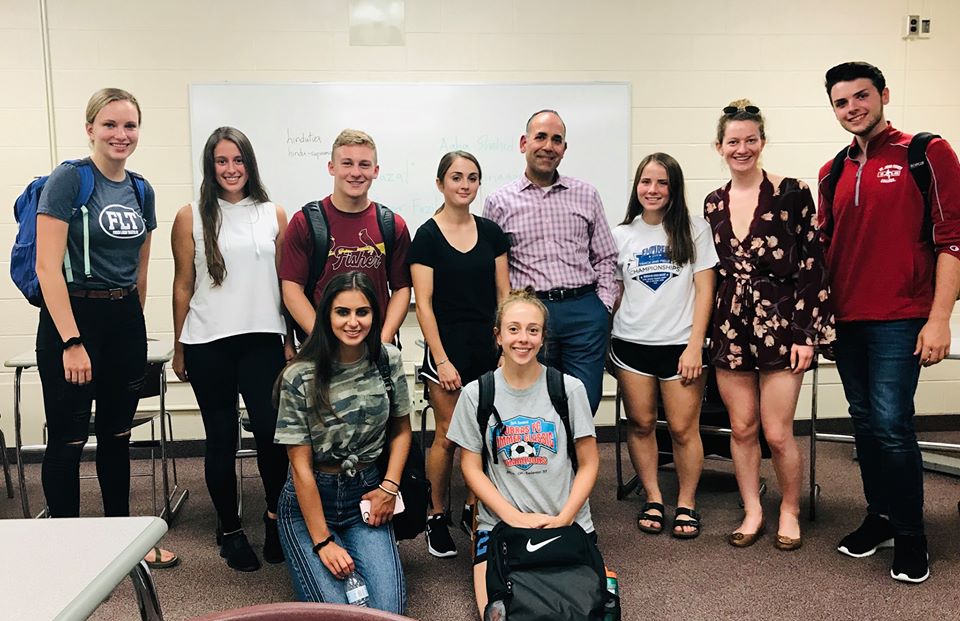
in our continuing discussions about borders, colonialism and the meaning of home, we’ve been learning about kashmir by reading the poetry of agha shahid ali and watching a short documentary by al jazeera. i explained to my students how any serious engagement with a struggle for justice necessitates the presence/inclusion of activist voices immersed in and representative of that struggle. so today we had our first guest speaker, kashmiri american activist, lawyer and friend Sareer A. Fazili. it was powerful for students to meet him and i’m sure that it will leave a profound impression on them about the human rights crisis in kashmir. thx sareer!

Art Exhibits in Downtown Rochester This Fall

CURRENT SEEN (the New Rochester Biennial) is coming soon to over 16 venues along East Ave and Main Street, October 4 – November 17, 2019 (opening reception is on Friday October 4, 6-9pm). My art series ‘This Heirloom’ is part of CURRENT SEEN and will be exhibited at the Douglass Auditorium at 36 King St. The image in this article is from that exhibition, which is co-curated by Amanda Chestnut. Pls join us!

More here.

first class at St john fisher college

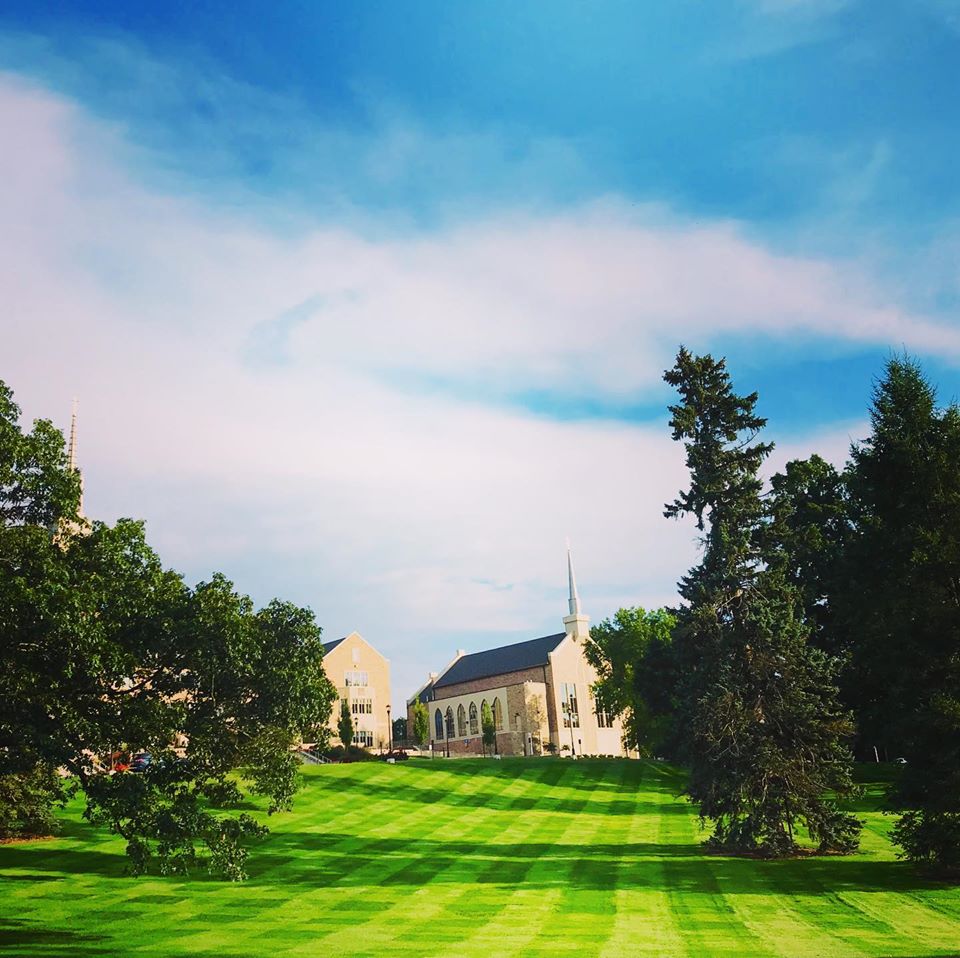
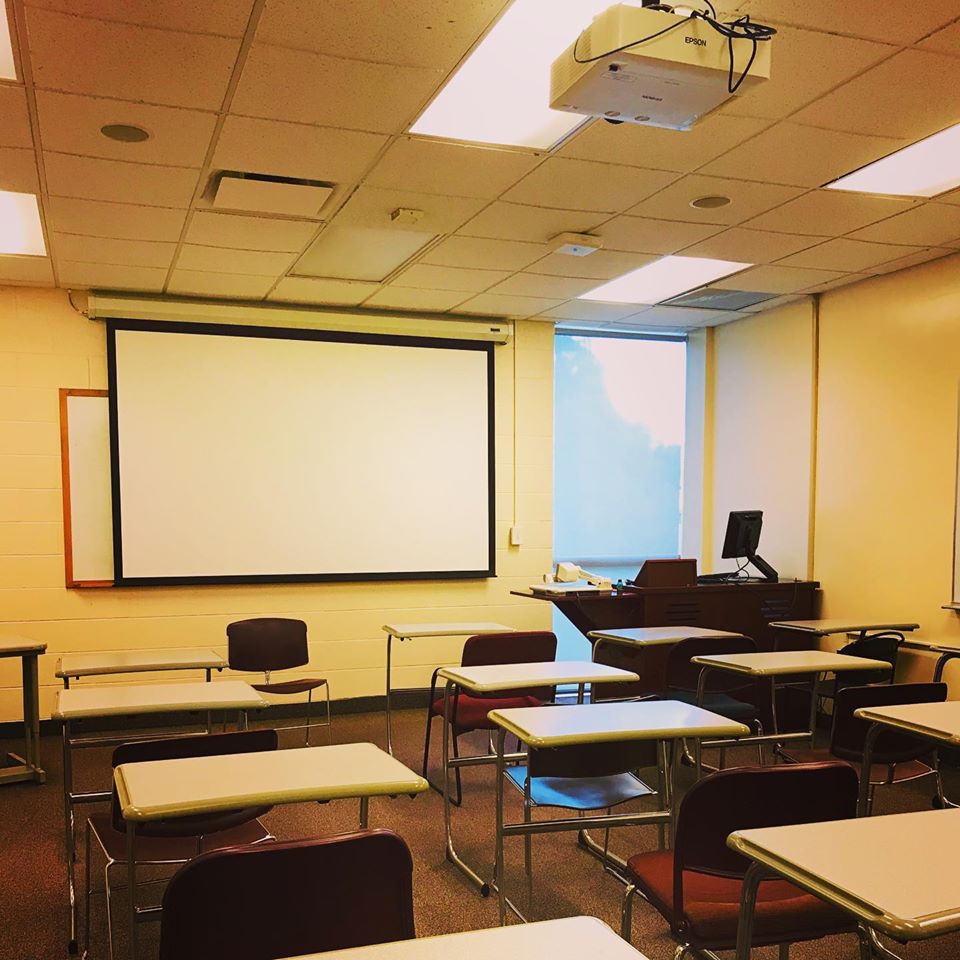
first class at st john fisher college today – done

talked about being comfortable with words like whiteness, colonialism and imperialism. talked about intersectionality, dismantling racist structures, and questioning the myth of objectivity as it relates to knowledge that’s mostly eurocentric and steeped in colonialism.
students responded to my questions and didn’t seem resistant to thinking about new ideas – a great sign 🙂

Why Is Everyone Always Stealing Black Music?

Wesley Morris: Without improvisation, a listener is seduced into the composition of the song itself and not the distorting or deviating elements that noise creates. Particular to black American music is the architecture to create a means by which singers and musicians can be completely free, free in the only way that would have been possible on a plantation: through art, through music — music no one “composed” (because enslaved people were denied literacy), music born of feeling, of play, of exhaustion, of hope.

What you’re hearing in black music is a miracle of sound, an experience that can really happen only once — not just melisma, glissandi, the rasp of a sax, breakbeats or sampling but the mood or inspiration from which those moments arise. The attempt to rerecord it seems, if you think about it, like a fool’s errand. You’re not capturing the arrangement of notes, per se. You’re catching the spirit. More here.

discussion with iraqi young leaders exchange program

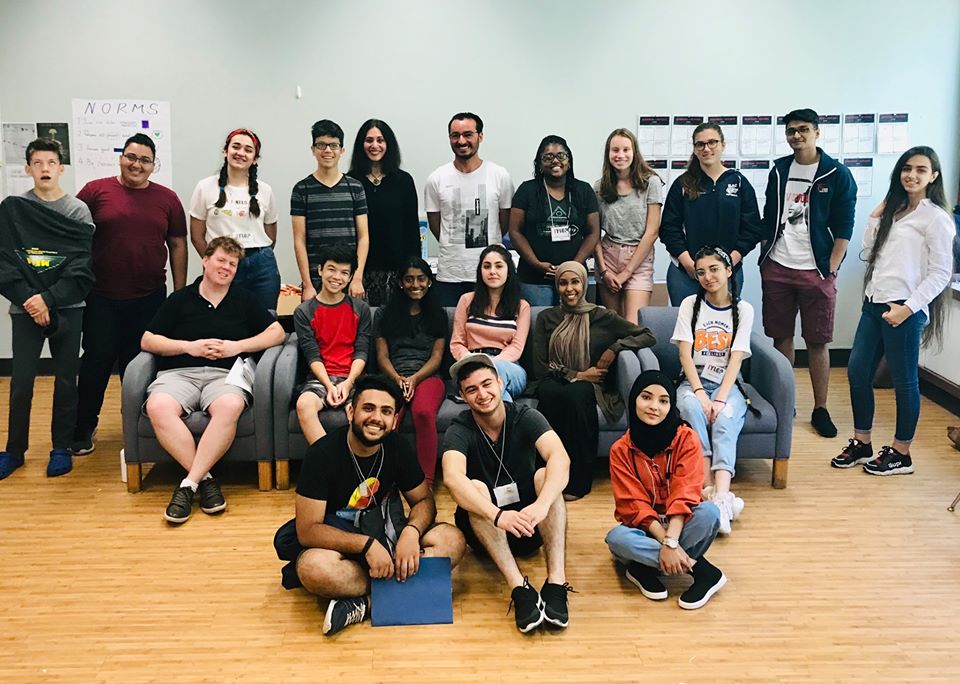
excellent discussion about racism, islamophobia and anti-semitism with iraqi students who are here as part of the iraqi young leaders exchange program. such a bright and engaging group of young people from all over iraq. thank u to the brilliant Halima Aweis and Nate Baldo for continuing this important conversation that started at the islamic center of rochester, and thank u Rochester Global Connections for facilitating this meeting.

Kashmir Under Siege: India Moves to Annex Territory, Heightening Tensions with Nuclear Rival Pakistan

SIDDHARTHA DEB: I think there is a great deal of distress within India in terms of agriculture, in terms of livelihood. There are no jobs. There is drought. India seesaws between drought in large parts of the country and these unpredictable monsoons and floods. And so, there is a great deal of poverty and migration. And I think, in part, in Kashmir, what Modi has tried to do is two things.

For the poor in India, there has always been this story, this fake news produced by the BJP, that Kashmiri Muslims get special privileges. And the very raw example of this would be a political street address that I heard in Kolkata in passing, many years ago, where the BJP speaker was saying that, Kashmiris get subsidized meat from the Indian government for a price that you won’t even be able to buy dog meat in Kolkata. This is clearly directed at the large masses of the Indian poor, that Kashmiris — and this is said of other groups as well, including Indian Muslims— that they get special privileges. It’s similar to the “welfare queen” comments that Americans make about black minorities, that they get special privileges. And it plays into the same kind of majoritarianism, the same kind of sectarian nationalism. So, that’s one part of it.

The other part of it is for India’s BJP support, which is more elite, the business crowd. Now you can go into Kashmir and buy land. Social media is filled with Hindu right-wing supporters of Modi saying, “We will now marry Kashmiri women.” And you can see the settler-colonial, racist, sexist rhetoric at the heart of it. The idea is that they can now purchase land in Kashmir and basically turn it into an investment destination. So, that’s what Modi is doing – we are going to let more Hindus move into Kashmir.

I will just say one thing, though. Kashmir is not alone in this kind of protection of land rights. This is common in many border parts of India where there are minorities or indigenous people. This is true in many parts of the northeast, including the state where I grew up, in Meghalaya, where similar protection is in place and you cannot buy land if you are not from the indigenous groups there, in order to protect them from being swamped by people with much more access to capital. More here.