
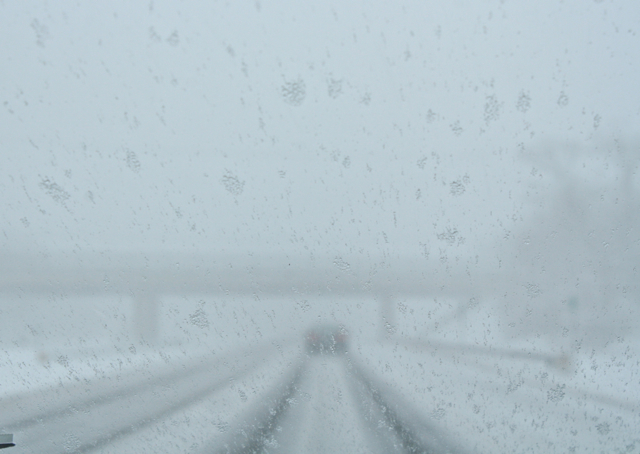
my drive from schenectady to rochester today. for real.
Category: misc/personal
Slow Thinking
Anna Badkhen: “In the face of ‘too much’ we gradually become dry, our hearts get tired, our energies become spare,” writes Clarissa Pinkola Estés, poet and trauma counselor. I had hoped to rarify input. On and off, for a year, I herded cattle with a family of Fulani cowboys, who spend their lives ambulating the semiarid grasslands between the Sahara and the tropics and inhabit a very modest pre-monetary and pre-modern culture. I was researching a book about transience, and I had thought that, perhaps, in the course of my work I could learn whether and how life in sparse environments helps us slow down.
Scientists say busy minds make us sad and less alert. This holds true for me. What causes my cognitive overload is probably what causes yours: deadlines, ambitions, chores, parenting worries, and how all of these often seem impossible to juggle. When my mind is crowded in this way I fail to notice the beauty that nurtures it. A cardinal’s enchanted scarlet flight on a monochrome winter run in Philadelphia. The hollow flutter of a moth wrestling out of a cage of agave. The unfathomable embrace of the universe that accommodates tigerfish teeth and the electromagnetic song of the comet 67P both. A friend’s kindness. I grow too hard-pressed to be astonished by the ineffable in the world, my well-being withers, and I become terribly blue, sometimes for days, for weeks.
[…] Part of the correlation between open space and slowing down is evolutionary: Humans were born in the savannah. Our feet are built to walk on hot, dry soil, our brains are built to endure in boundless expanses. The sheer volume of lucid air fills the mind, the distant skyline paces off a spirit level of calm. Research shows that people draw jagged, pointed shapes when asked to draw representations of anger, and horizontal lines to illustrate peacefulness. More here.
When Breath Becomes Air: A Young Neurosurgeon Examines the Meaning of Life as He Faces His Death
Paul Kalanithi: What makes human life meaningful? I still felt literature provided the best account of the life of the mind, while neuroscience laid down the most elegant rules of the brain. Meaning, while a slippery concept, seemed inextricable from human relationships and moral values… Literature not only illuminated another’s experience, it provided, I believed, the richest material for moral reflection. My brief forays into the formal ethics of analytic philosophy felt dry as a bone, missing the messiness and weight of real human life. […] I had come to see language as an almost supernatural force, existing between people, bringing our brains, shielded in centimeter-thick skulls, into communion. A word meant something only between people, and life’s meaning, its virtue, had something to do with the depth of the relationships we form. It was the relational aspect of humans — i.e., “human relationality” — that undergirded meaning.

three year ago
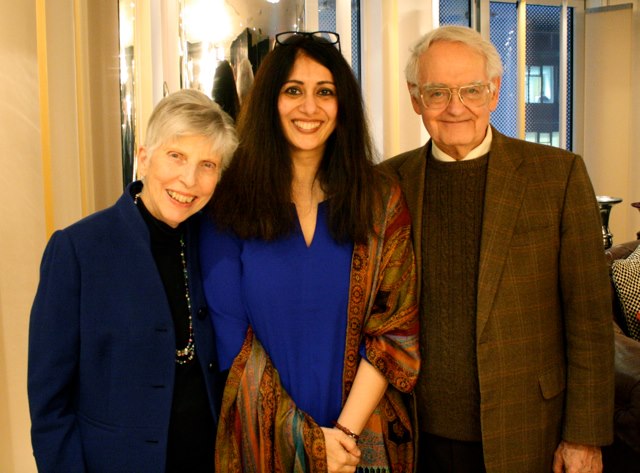
this was three years ago, when i joined a u of r class called “theatre in england”: 25 plays in london (mostly) and its environs in 3 weeks, which i got to spend in the center of the city. here i am standing with the legendary dr russell peck, who designed this brilliant course decades earlier, and his beautiful wife ruth peck, a superb pianist who played all the classical music for the film “A Thin Wall.” two of my favorite human beings on the planet.
Kamran on Bike
the amazing amazing story of how one man rode a bike from germany to pakistan. more here.
The limits of words
Things aren’t all so tangible and sayable as people would usually have us believe; most experiences are unsayable, they happen in a space that no word has ever entered, and more unsayable than all other things are works of art, those mysterious existences, whose life endures beside our own small, transitory life. (Rilke)
Welcome 2016
In my childhood, I was convinced that everything that went astray on earth ended up on the moon. But the astronauts found no sign of dangerous dreams or broken promises or hopes betrayed. If not on the moon, where might they be? Perhaps they were never misplaced. Perhaps they are in hiding here on earth. Waiting. (Eduardo Galeano)
To a better world – happy new year everyone!
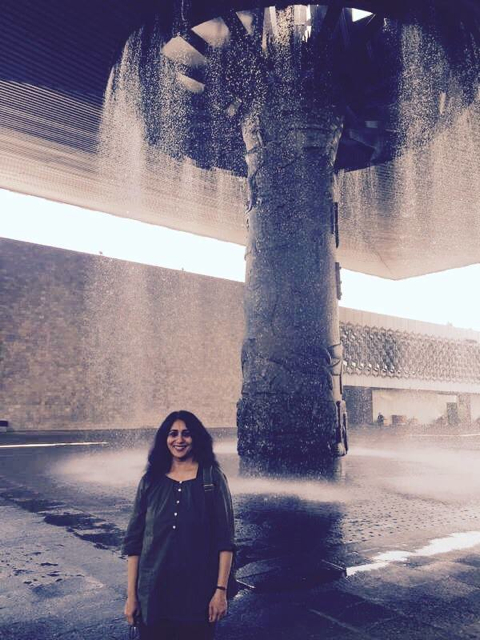
At the Museo Nacional de Antropología
merry christmas 2015
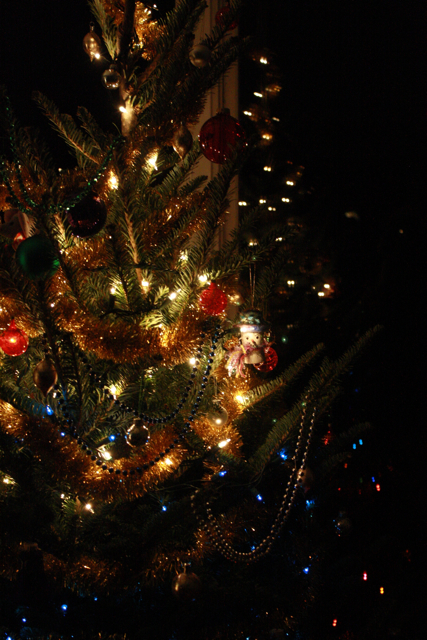
our tree this year. merry christmas everyone!
Jasiri Xtra on Sandra Bland
Jasiri Xtra: My thoughts and prayers are with Sandra Bland’s family this morning. As Black people in America we have 2 choices, either we dismantle this wicked system of injustice or become a victim of it.
xmas lunch 2015
xmas lunch with my dearest friend sarita! so lucky to have known u for so many years.
birthday lunch
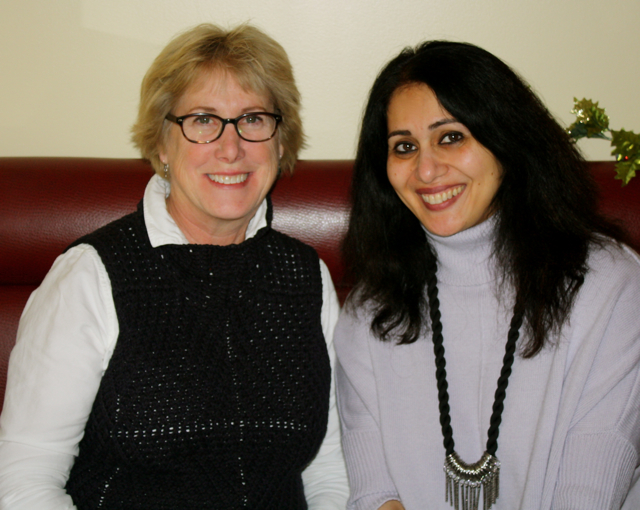
birthday lunch at branca’s with my girlfriend yesterday. yummy food and lovely company 🙂
the west coast is the best coast
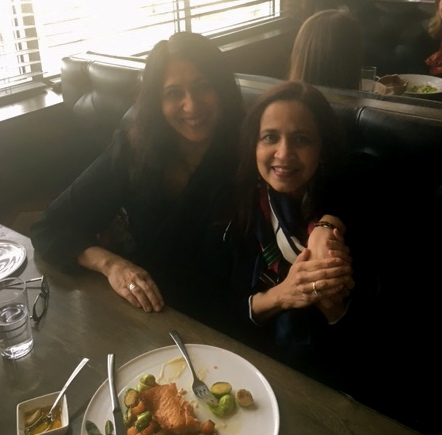
some more pictures from the film festival in palo alto/san francisco and the wonderful time i had with my girlfriend huma!
cajun food on my birthday
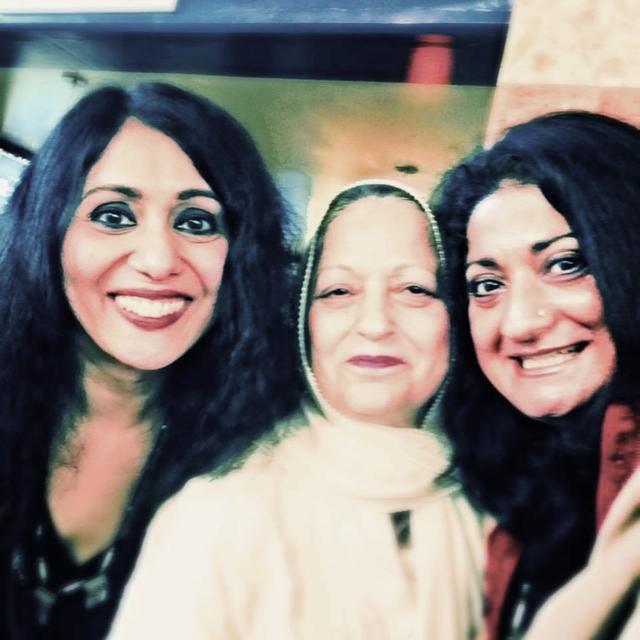
this is me at the french quarter cafe where i had a bayou plate (fried okra in shrimp etouffee, with dirty rice) for dinner and, for dessert, homemade peach cobbler and beignets. nothing better than an ordinary, relaxing night out with one’s fam.
Poetry by Pablo Neruda – Poema 20
usually on my birthday, i post the universal declaration of human rights which was also born on dec 10, many years earlier. this year, i want to post something beautiful, passionate and stirring. the sensuous sounds of the spanish language given form and sustenance by the words of pablo neruda. always a treat.