RIT’s 36th Annual Expressions of King’s Legacy

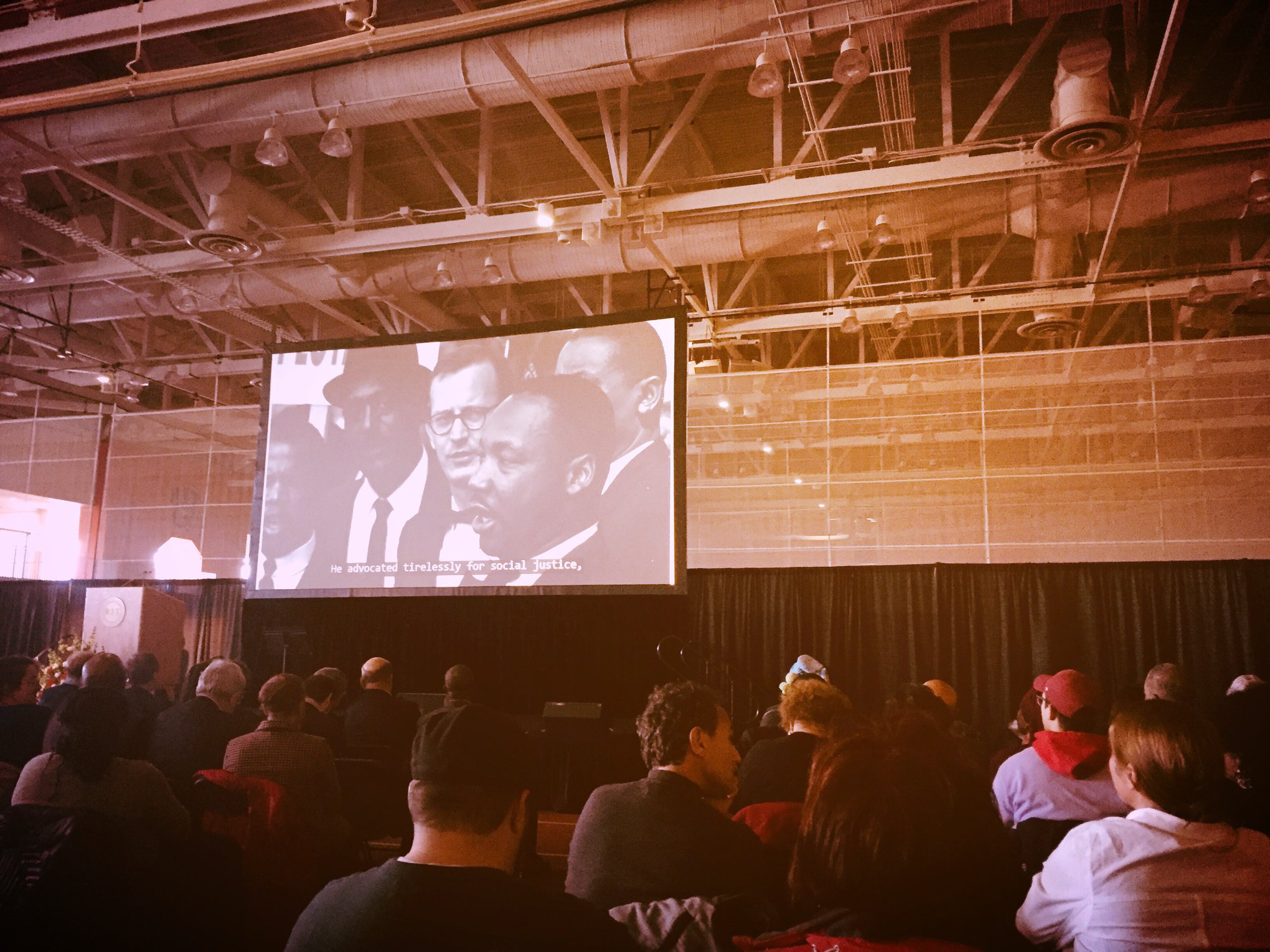
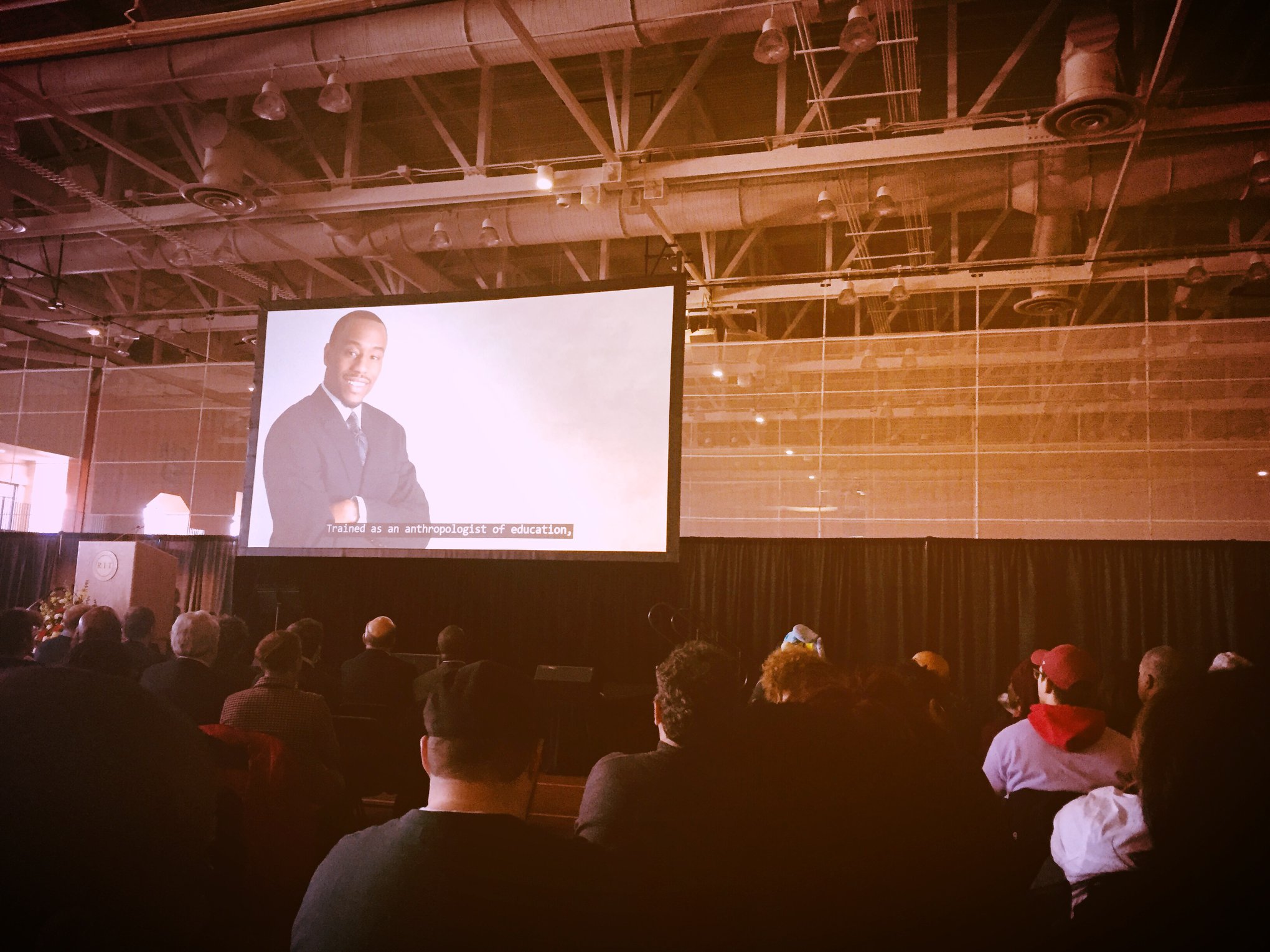
Yesterday I attended RIT’s 36th Annual Expressions of King’s Legacy, with keynote speaker Marc Lamont Hill. The event started with the beautiful Reenah Oshun Golden and Dee Ponder sharing their powerful words and music.

Dr Hill spoke about the neutering of MLK’s legacy, his reduction to the ornamental, to the insipid postage stamp. Yet when he was alive, he was an enemy of the state, deemed a bad influence for the younger generation, someone who had been to jail too many times. He would never have been invited to RIT to give a keynote lecture.

Dr Hill spoke about the radical imagination – how our goals and actions do not have to fit the limits of our present circumstance. He also talked about radical listening, by which he meant the ability to listen to every voice and connect social justice struggles all over the world. It was a wonderful (and much needed) reminder of the internationalism of Black power movements. For example, one cannot dismiss war because one is committed to the alleviation of poverty, one cannot talk about prison reform without talking about school reform. MLK saw the interconnectedness between the triple evils of racism, poverty and militarism – forms of violence that validate and reinforce one another in order to create a vicious circle.

Capitalism, of course, is the fountainhead of this systemic violence, for what is war but economically marginalized people in one country killing other poor people in another? What is environmental degradation but the placement of power plants and waste dumps in certain neighborhoods? In Flint, car companies had refused to use water that was causing car parts to rust, yet that same water was deemed potable for Black children.

Dr Hill wants MLK’s “I have a dream” speech to be retired because of how it has become a trope for American diversity. The speech is not about dreams, it’s about broken promises. It’s about capitalism’s inability to deliver any kind of equality.

Yes, it can be lonely to talk about racism, transphobia, and the Israeli occupation of Palestine. It can be unpopular to focus not just on Trump’s excesses but also on Obama’s drones and our ongoing wars. But make these links, we must, and link our radical imagination to radical action in order to fight and resist together, we must.

I found Dr Hill at the end of this event and shook his hand. As a woman of color from the global South, as a Muslim American, I thanked him for saying the word “Palestine” and for acknowledging Obama’s drones. It’s a challenge to get activists, let alone people in the larger community, to stand by these truths. It was incredibly important to hear these words spoken loud and clear in such a large forum.
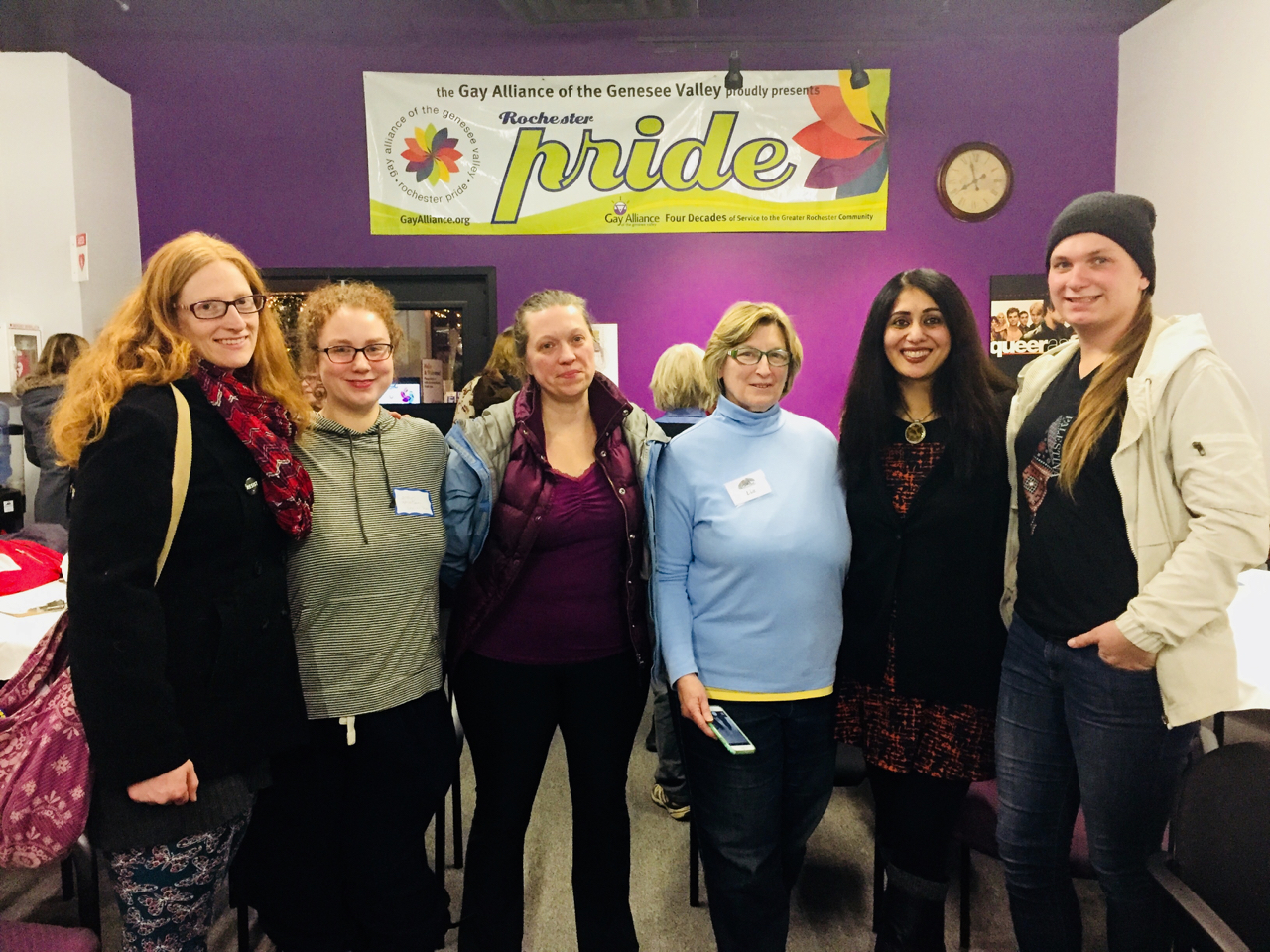
SURJ presentation at out alliance: islamophobia is racism

very lively discussion at the SURJ meeting today where i spoke about #islamophobia and #racism. the session was jam-packed. good connections made between racism, capitalism, and militarism.

typical question about the problem of misogyny in muslim communities and what we (the west) can do. my response: “have u heard of #metoo? women in america need ur allyship.” when the questioning continued about the need to help women in india, i asked if an indian or pakistani NGO should come to the u.s. to sort out harvey weinstein? will that help?

another question about a yemini girl not being able to go on a school field trip and how to explain that to her american classmates. my answer: the same way muslim families explain american culture and its brokenness to their kids.

i showed a video in which edward said talks about the richness (and multiplicities) of arab culture(s) and civilization(s), another about the meaning of orientalism, a third video in which khalid latif talks about being subjected to racial profiling and surveillance, and finally i showed “1700% project: mistaken for muslim” which truly brings home how islamophobia is racism. 1700% refers to the rate of increase in hate crimes committed against people *perceived* as muslim or arab after 9/11. the video is a collaboration b/w artist anida ali and filmmaker masahiro sugano. a great evening all in all.

thx to SURJ for inviting me to speak and thx to my sis Isabelle Bartter for always being at these things and having my back ♥

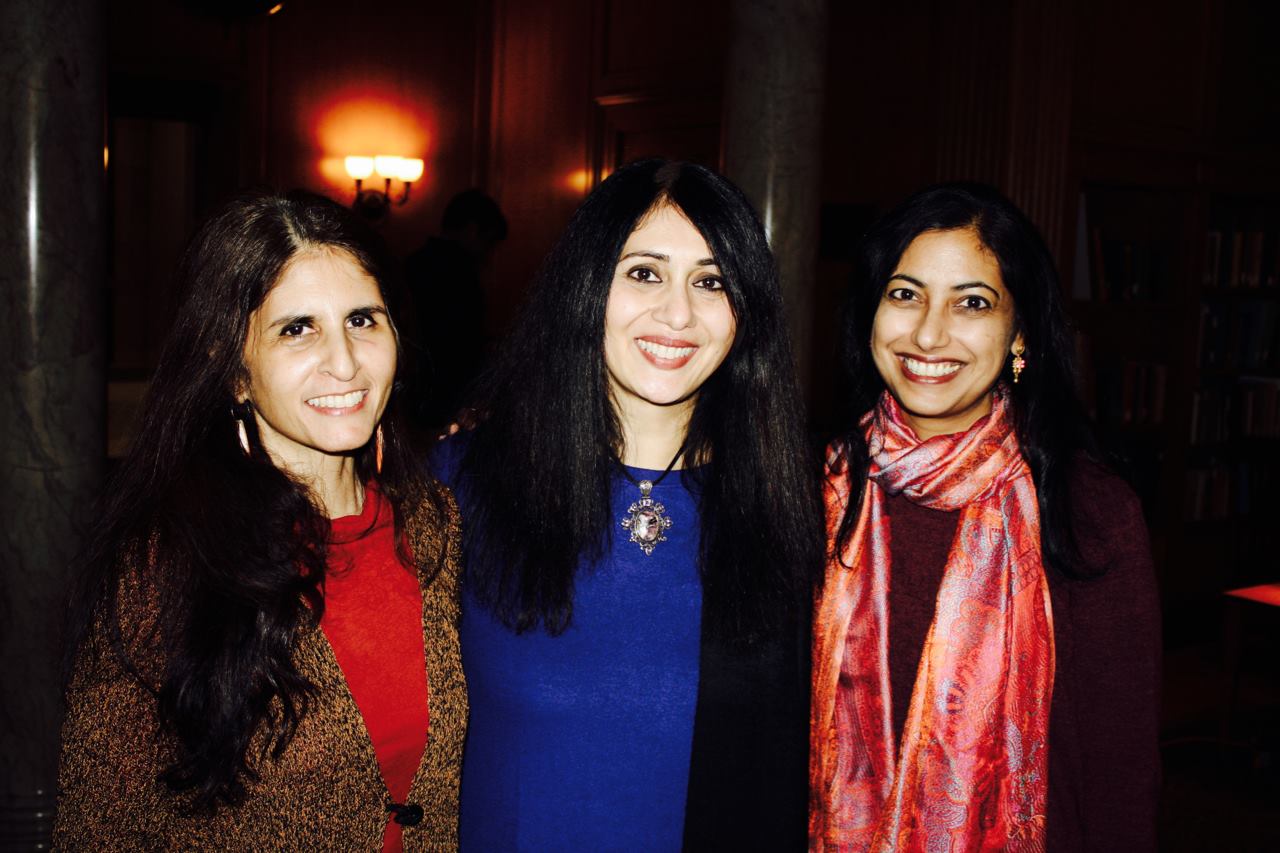
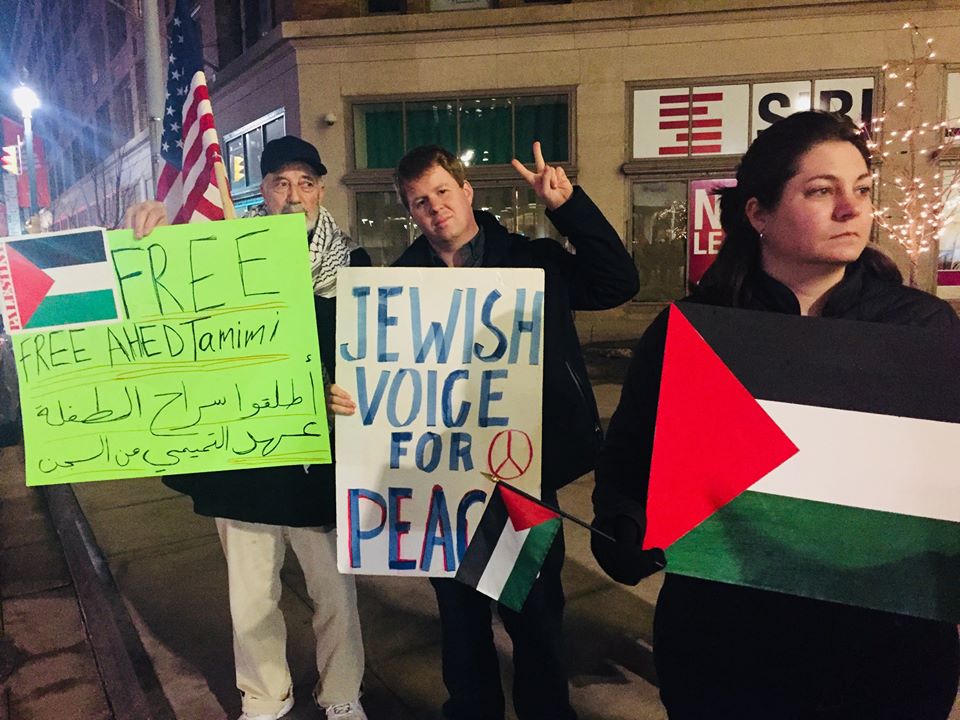
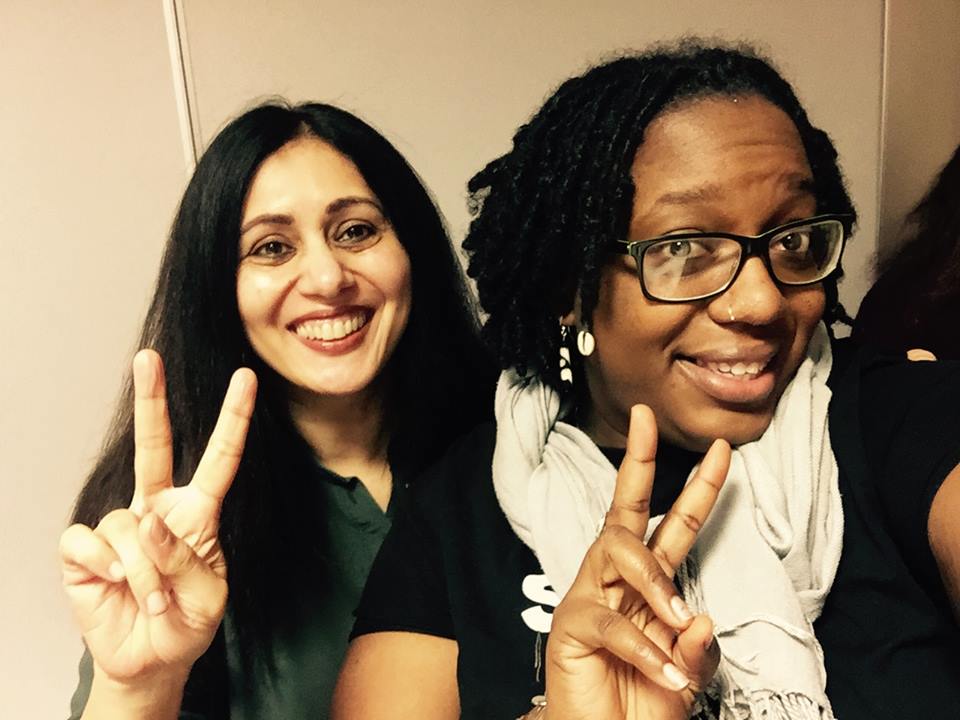
mara ahmed with activists

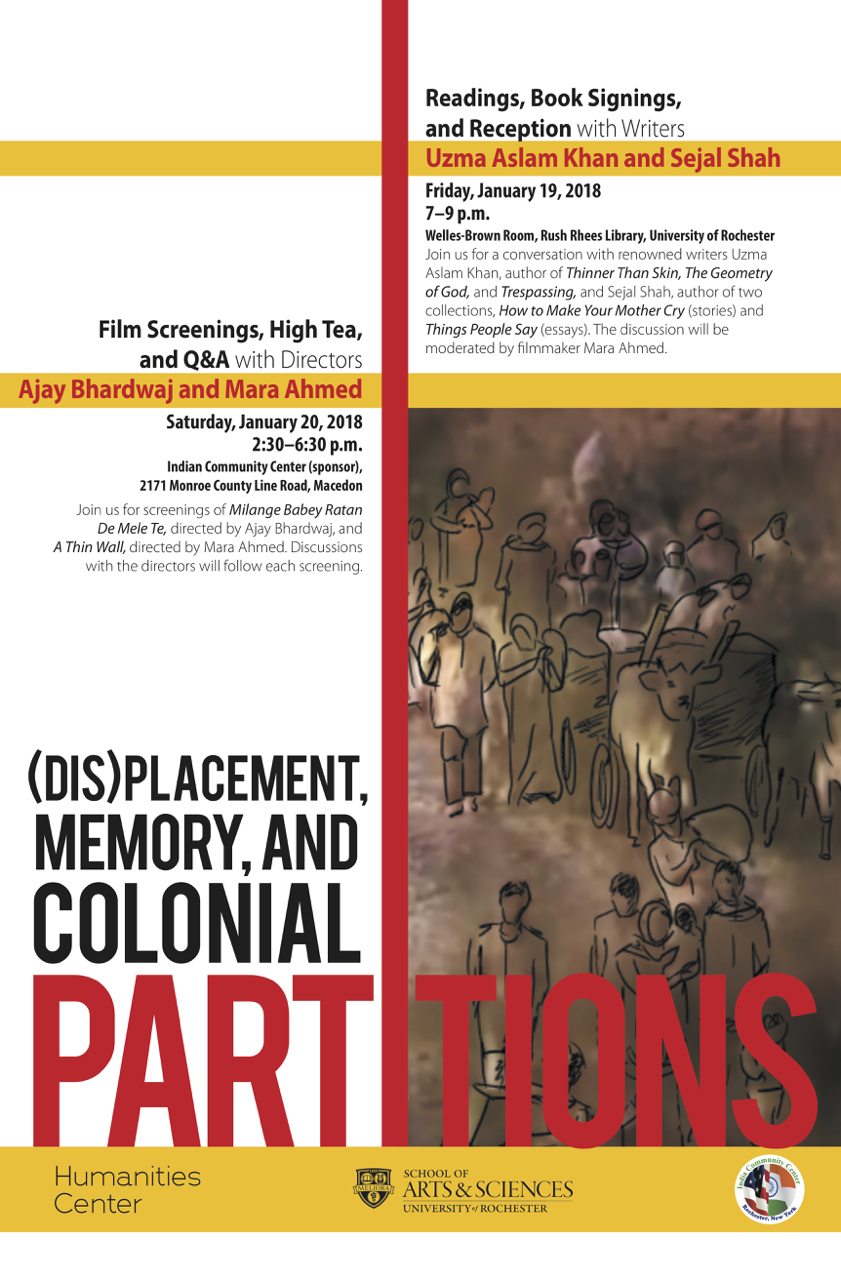
(Dis)placement, Memory and Colonial Partitions – Film Screenings

Talking about A Thin Wall at the India Community Center of Rochester, NY yesterday. Thank u Ajay Bhardwaj for ur beautiful film “Milange Babey Ratan De Mele Te” and for skyping with us. And thank u to everyone at ICC and in the Rochester community for supporting these film screenings.

skyping with ajay bhardwaj

mara ahmed

(Dis)placement, Memory and Colonial Partitions – Readings

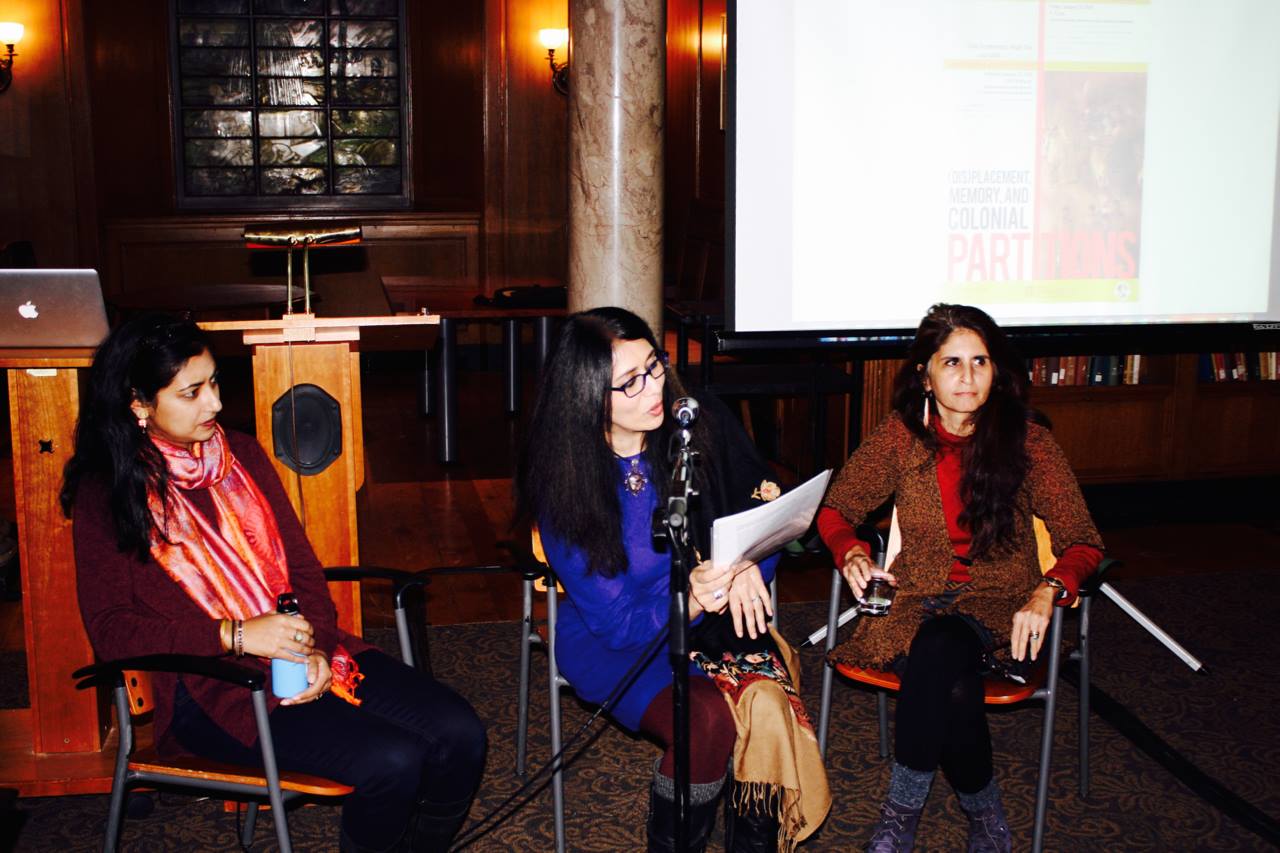
Jan 19: Readings at the University of Rochester on (Dis)placement, Memory and Colonial Partitions, with Uzma Aslam Khan and Sejal Shah. Wonderful turnout and excellent discussion! Thx to all my friends who came out on a Friday evening 🙂

sejal shah, mara ahmed, uzma aslam khan

uzma aslam khan, mara ahmed, sejal shah

Rochester organizations come together for Year of Douglass

Work on the “Re-Energizing the Legacy of Frederick Douglass” project got started last year, Eison says, when there was a flash celebration at Douglass’s grave site in Mt. Hope Cemetery for his 199th birthday [organized by ROC Douglass Consortium]. Eison and Bleu Cease, Rochester Contemporary’s executive director and another of the Douglass celebration organizers, had worked together in 2014 when RCTV and RoCo hosted the video project “Question Bridge” and decided to work together again to plan a commemoration of Douglass’s 200th birthday. More here.

Stop Trump from Legalizing Tip Theft!

A coalition of area labor leaders and restaurant workers held a press conference today at NYSUT to denounce the proposed federal regulation allowing employers to control workers’ tips, opening the door for legalized wage theft! Under the proposed rule, restaurant bosses could take workers’ tips and give just a small percentage back—or none at all—completely at their own discretion.

Such a policy is a collaboration between the Trump Administration and National Restaurant Association (NRA) to overturn over 40 years of regulation that protected workers’ rights to their hard-earned tips. Thus, this tip theft rule is yet another step by the Trump Administration and Labor Secretary Alexander Acosta to further corporate business interests by attacking the livelihood of working people. Furthermore, every one of us who eats out would not know whether the hard-earned money we leave for workers in tips is actually going to workers or managers and owners.

The regulation is currently in the comment period at the Department of Labor. We can only stop it by fighting back!


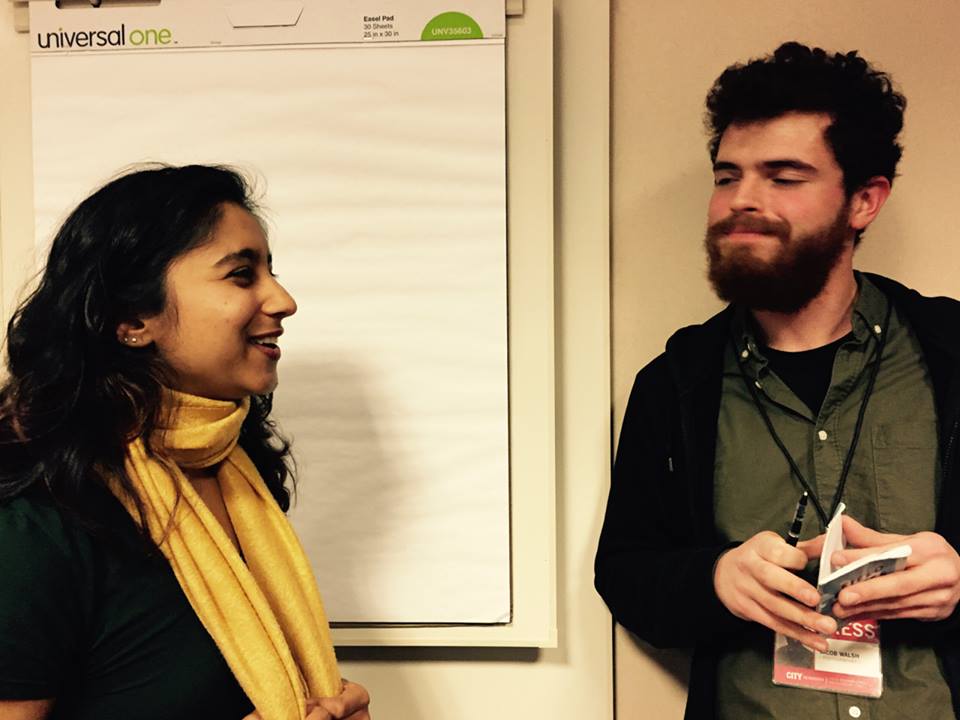
mara ahmed and ashley gantt

(Dis)placement, Memory and Colonial Partitions

Coming up in January 2018, on the 19th and 20th, readings by Pakistani novelist Uzma Aslam Khan and Indian American writer Sejal Shah, followed by screenings of films directed by Ajay Bhardwaj and Mara Ahmed. (Dis)placement, Memory and Colonial Partitions is being sponsored by the University of Rochester Humanities Center and the India Community Center of Rochester, NY. Pls add to your calendars!

(Dis)placement, Memory and Colonial Partitions

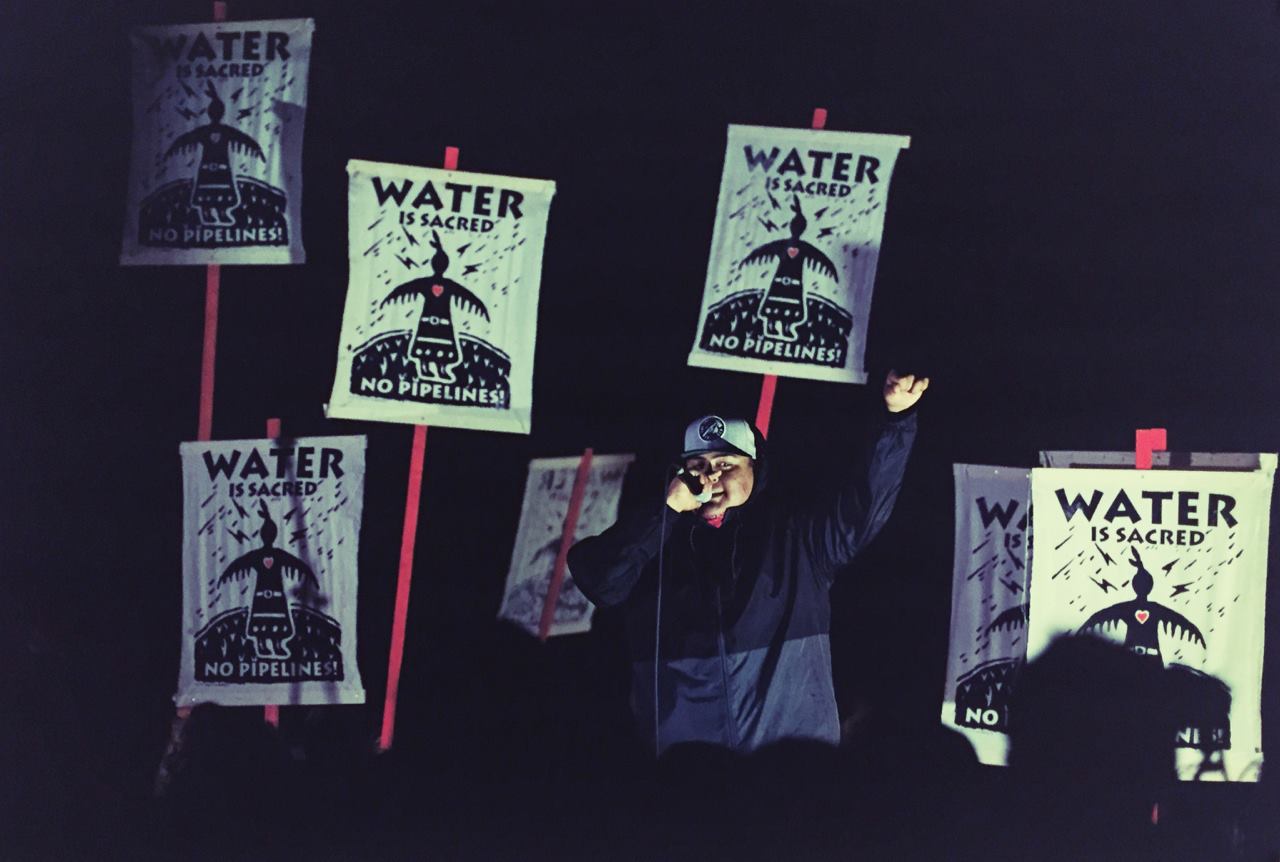
Indigenous Environmental Activism in Art

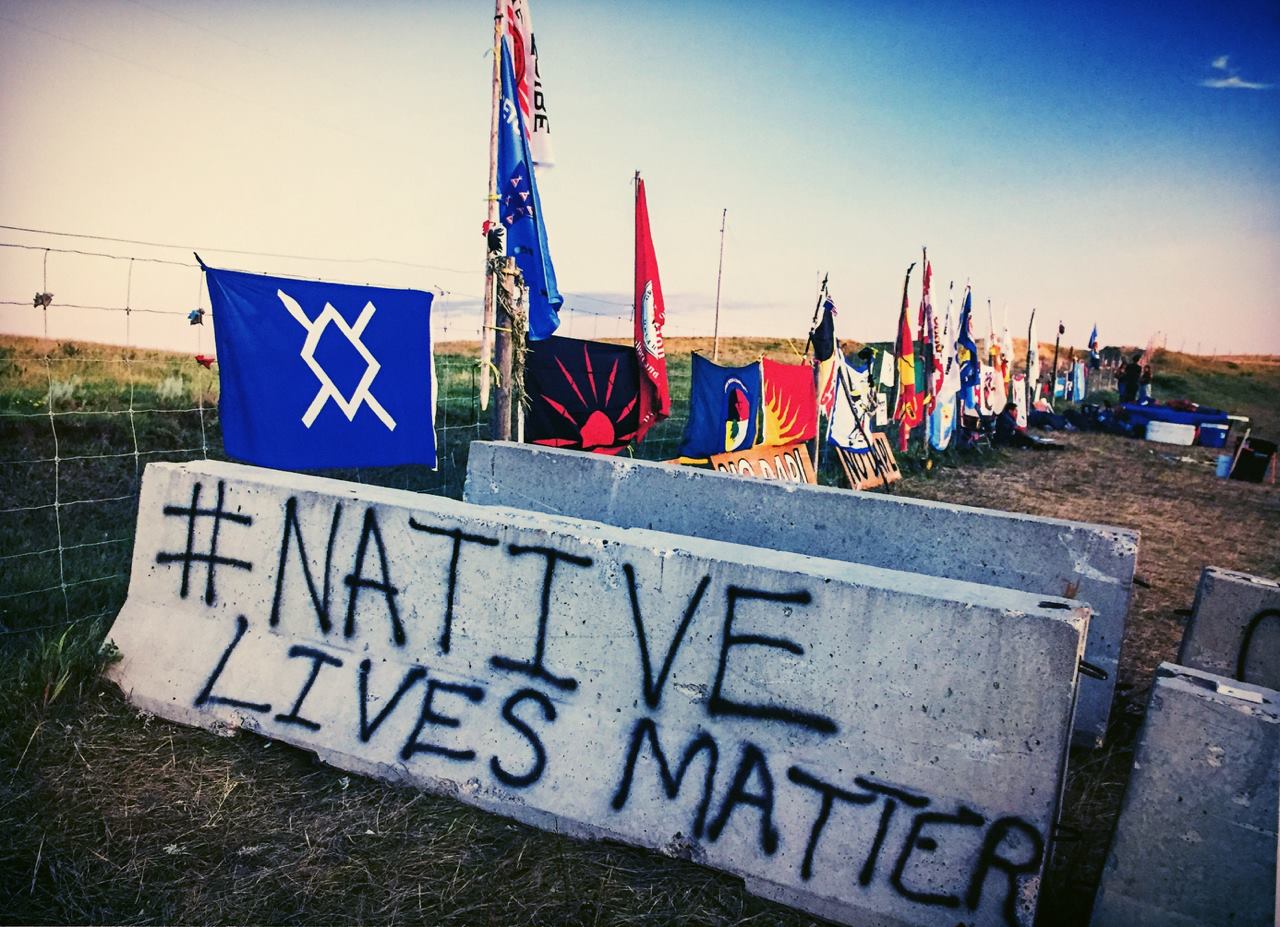
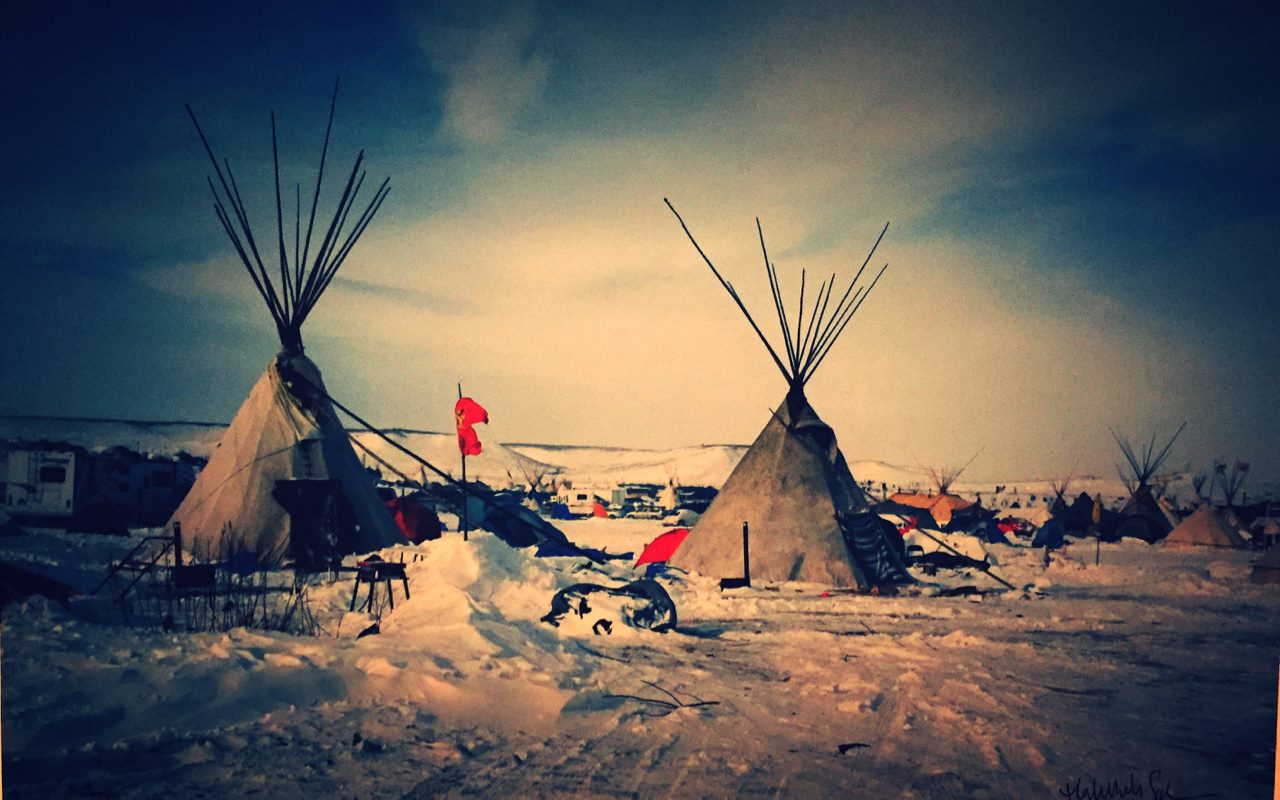
tomorrow is the last day to visit this one-of-a-kind exhibit. i contributed photographs i took on our way to and at standing rock last year. we traveled there right after a storm and the landscapes we encountered were astonishingly beautiful. hope u can make it.

Rebecca Rafferty: Jimerson wants the show to not only respond to the Standing Rock encampment, but also all of the different environmental issues going on around the nation. By way of example, she cites the Apache resistance to the Arizona Copper Mine in Oak Flat, and the resistance to the building of an observatory on Hawaii’s Mauna Kea volcano, which is sacred to Native Hawaiians. In 2015, there was a copper mine spill in Colorado’s Animus River that affected the Navajo people, Jimerson says.

“Standing Rock isn’t something that is brand new,” she says. “If you look at the history of the American Indian Movement, there’s always been this overarching resistance against things happening concerning the environment. It’s just that Standing Rock became this massive-scale resistance, and with social media involved, I think that’s something that made it even bigger and brought this higher awareness to it. But it’s something that’s been going on for a long time.” More here.

Some thoughts on women as nurturers

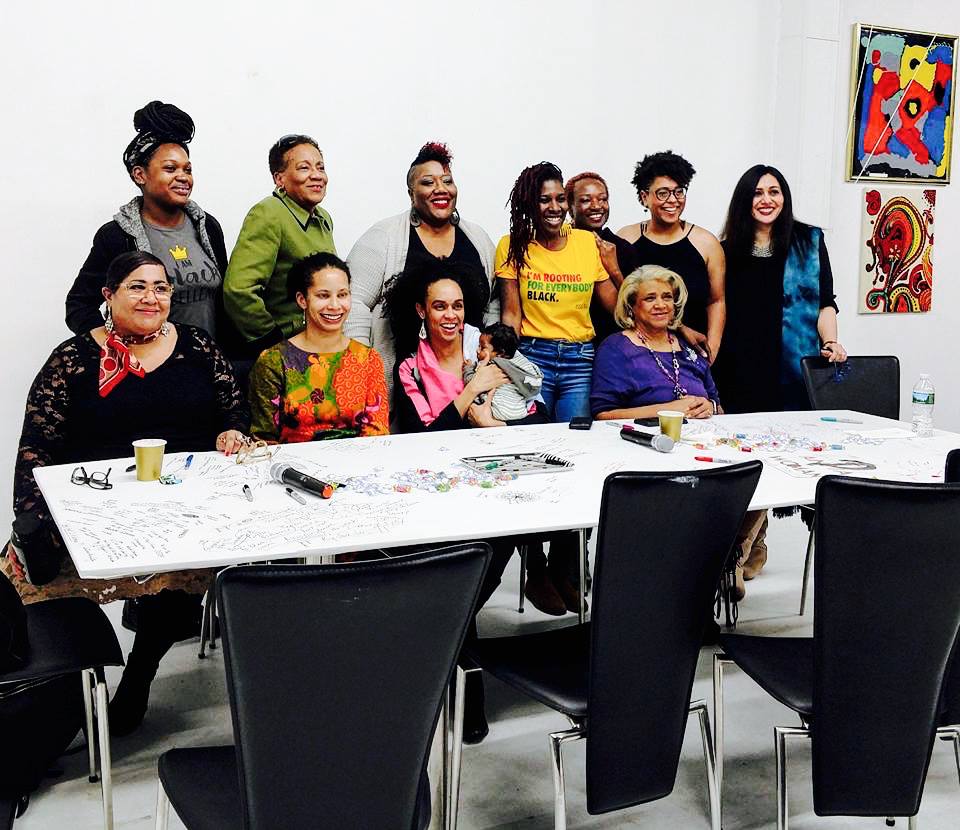
Last Saturday, I had the honor to be surrounded by brilliant women of color in a discussion on race, gender and intersectionality. The event, organized by Rachel Y. DeGuzman, was called And, Ain’t I a Woman: A Long Table Conversation/Installation.

In the course of the conversation, Annette Ramos made an important point about not devaluing motherhood, about the skills that a woman brings to society by virtue of being a mother. I wanted to build on that and mentioned Helene Cixous who wrote that women possess the gift of alterability. On account of being mothers, women have a natural ability to nourish, nurture, erase separation, and rewrite codes.

Later this premise was questioned by a queer white sister who asked why nurturing should be a feminine trait? Why shouldn’t men be nurturers? I couldn’t agree more. Hopefully, all human beings can be nurturers. However, I wanted to think more about this.

Saying that women have a propensity for nourishing and nurturing, doesn’t mean that all nurturers are exclusively women. In a gender-equitable world, perhaps all traits and experiences can become unmoored from gender but even then it would be a violence to erase gender history.

In our present world, there are irrevocable gender hierarchies that become further intensified and distorted by race, class, age, sexual orientation, and disability. The work of women is not only devalued but unpaid. It’s not a coincidence that it’s not economically quantified or part of a country’s GDP.

Most women who make it in our androcentric world, have to subscribe to a masculine ethos, a macho modus operandi. This is particularly true of women in politics. Look at Hillary Clinton’s push for war in Libya, Thatcher’s bashing of coal miners and unions and her ban on milk exports to Vietnam (after the American invasion), Madeleine Albright’s famous comment that the deaths of half a million Iraqi children were worth it as she continued to support harsh economic sanctions against Iraq, Condoleeza Rice’s role in an administration that launched a genocidal war and practiced torture, Indira Gandhi’s 1975 declaration of a state emergency and her forced-sterilization campaign. The list goes on.

In a world where masculinity is seen as universal and femininity considered a deviance, it makes sense to honor and name what women can bring to the table. After all, according to Cixous, language reflects masculine hegemony. Women are the colonized, men the imperialists. This apartheid is imbedded in language. One way to reclaim femininity from this subordinate assignation is to name what women have done beautifully since the beginning of time: given and nurtured life. It’s not the only thing women have done but isn’t it important to acknowledge it at a time when this role is regularly discounted, debased, and turned into an unwanted cost and liability?

Shooting a new film about racism

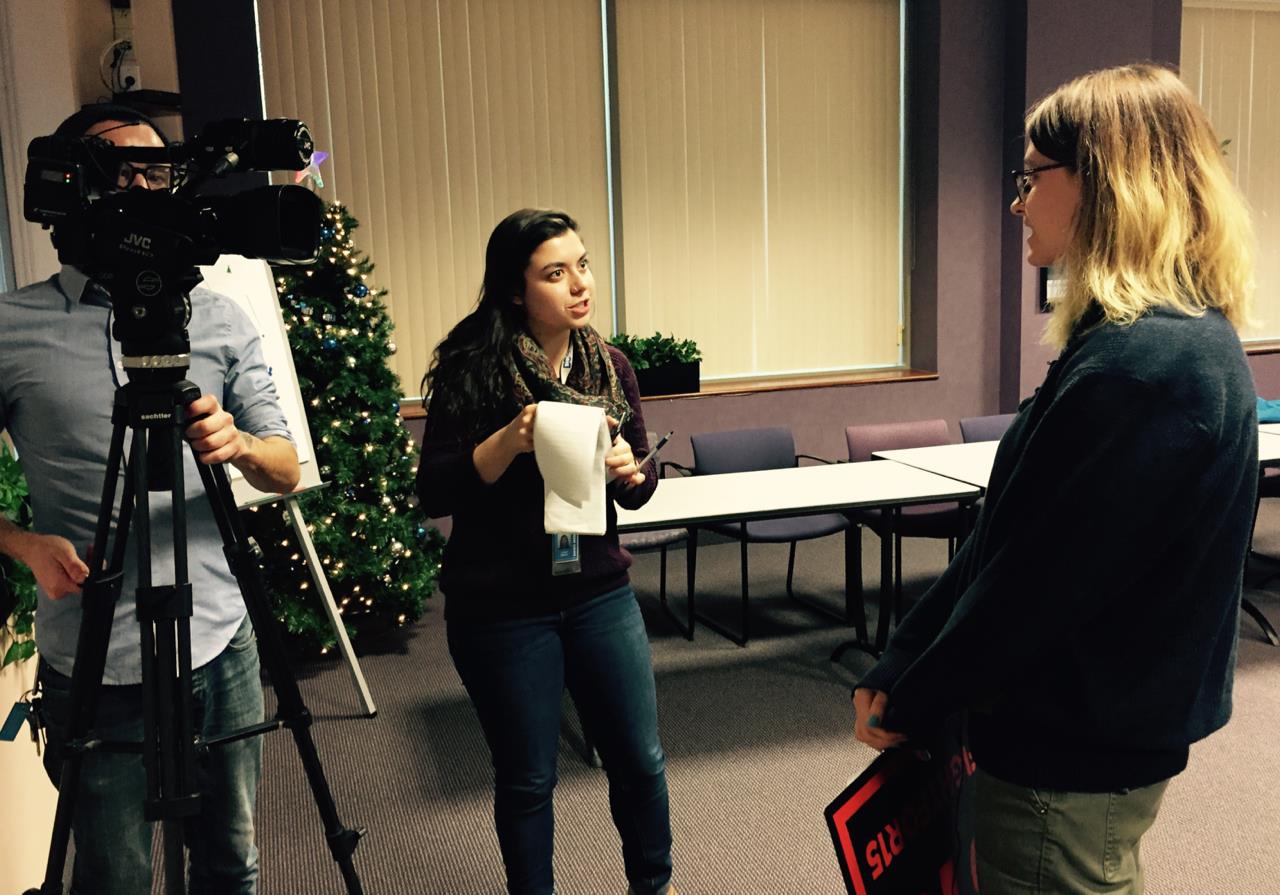
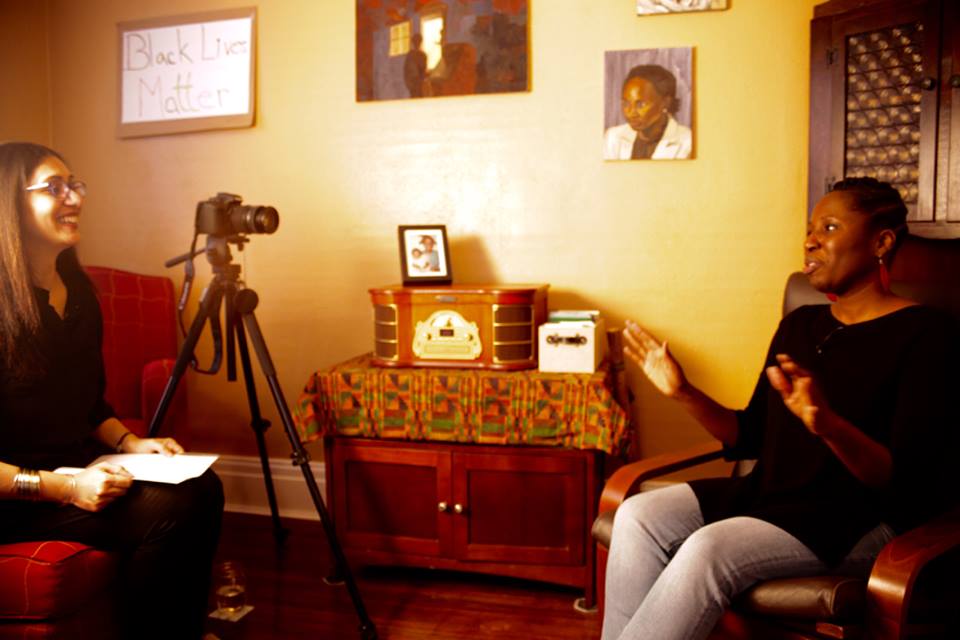
For the new film about racism in America, we’ve been interviewing these spectacular, vibrant, gorgeous women of color who have the most forward-looking, sophisticated ideas and should be leading our community. More pictures will be coming soon, but this is a shot from today’s interview with Liz Nicolas, taken by the amazing Rajesh Barnabas.

mara ahmed and liz nicolas

And, Ain’t I a Woman: A Long Table Conversation/Installation

honored to be engaged in a discussion about race, gender and intersectionality with some badass women of color yesterday at And, Ain’t I a Woman: A Long Table Conversation/Installation.

More than a century before Kimberlé Crenshaw introduced the concept of intersectionality to feminist theory in the 1980s, Sojourner Truth challenged sexist + racist notions with her extemporaneous “And, Ain’t I a Woman” speech in 1851 at the National Women’s Convention in Akron, Ohio.

This important interrogation is inspired by Truth and other bad ass women of color’s legacies; an art installation created by Amanda Chestnut; a spoken word performance by Reenah Golden and Tokeya Graham; and the interaction with fellow participants and other attendees.

The initial Long Table Conversation participants include Mara Ahmed, Jazzelle Bonilla, Erica Bryant, Amanda Chestnut, Rachel DeGuzman, N’Jelle Gage-Thorne, Reenah Golden, Tokeya Graham, Tianna Mañón, Deborah McDell-Hernandez, Annette Ramos, and Gaynelle Wethers.

mara ahmed with WOC activists and artists