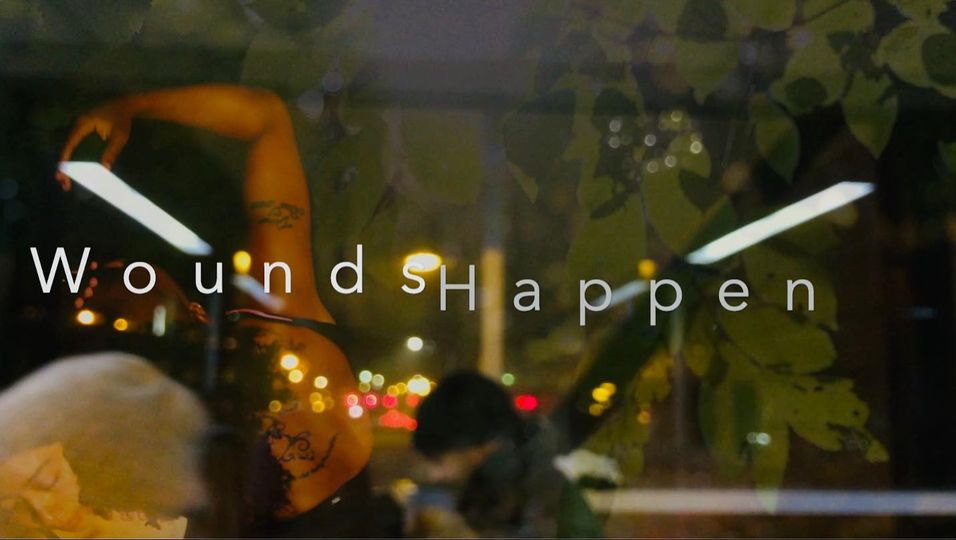
thrilled to share that my short film, the body has memory, has been selected for a juried exhibition at the huntington arts council here on long island.
i created what the brilliant rajesh barnabas calls a ‘video poem’ – a blend of images, dance, music, and poetry i wrote, inspired by work on ‘the injured body,’ my upcoming documentary film.
HAC’s exhibition focuses on the exploration of the human form and will run from november 18 – december 17, 2022. more soon.
an interview i did for graphic ear (WAYO 104.3 FM) back in july of this year, is now online. it was so much fun to talk to sabra wood and share some of the music i enjoy. what i love most about interviews is that i get to talk about the people who make my work possible. here i talk about june foster, thom marini, rajesh barnabas, darien lamen, bleu cease and also faiz ahmed faiz.
i got to share music by abida parveen, naseebo lal, arif lohar, meesha shafi, chrisstie hynde, julien clerc, ultravox, mashrou’ leila, and stromae.
back in nyc to see my lovely kids settling down in new apartments and a chance to see (be immersed in) anila quayyum agha’s ‘a moment to consider’ at the sundaram tagore gallery. the exhibition is on until oct 8th. see anila use patterns to break patterns, as the nyt said.
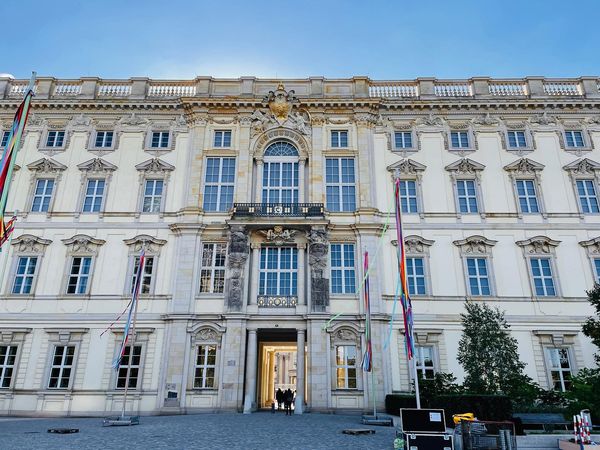
1) the humboldt forum was just completed last year. it’s a replica of the berliner schloss, the royal palace, built by the hohenzollern dynasty in 1443. the schloss was badly damaged by allied bombing in WWII and demolished in 1950 by the government of communist east germany. it was replaced by the palast der republik, the former east german parliament. but after german reunification (and to the outrage of many east germans), the parliament building was torn down to build the present forum. some see this decision as an attempt to erase germany’s turbulent 20th c history. the forum cost $800 million. it was burdened by construction problems and also by accusations from academics and activists that it hasn’t done enough to determine the provenance of its art objects (housed in museums) that were acquired during the colonial era and should be returned.
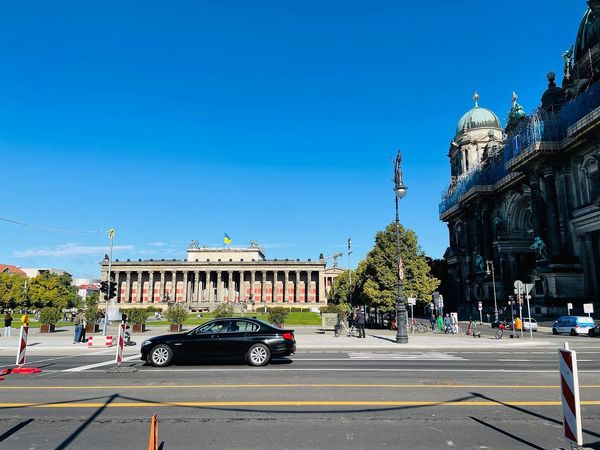
2) the altes museum, part of berlin’s museum island, designed by karl friedrich schinkel, a prussian architect whose work is ubiquitous in the city. he also designed schlossbrücke, the bridge to museum island. apparently, hitler liked to give impassioned speeches at the entrance of altes museum.
3) humbolt university, berlin’s oldest university, founded in 1810. marx and engels studied here. 29 nobel prize winners. it was also here that 20,000 books were burned by the nazis in 1933. a plaque with a quote from an 1820 text by heinrich heine: “that was only a prelude; where they burn books, they eventually burn people.”
4) the oldest opera house in berlin, the staatsoper unter den linden.
this morning took a ‘welcome berlin’ tour by walkative. it started in front of the rotes rathaus (the red city hall) at alexanderplatz (or alex for short) which is the cental square of the eastern city center. before the tour even started i took a lot of pictures of the neptune fountain and the beautiful prints from museo del prado (spain) that are installed around the fountain and in the shadow of the communist-era tv tower. the paintings represent work by all of the greats: el greco, velasquez, reubens, goya, and many more. as usual i reframed the work by looking at hands and fabric, but this time there was the added element of reflections on top of the glass protecting each print. quite something to look at this kind of revered classical art in the outdoors with plenty of light, shadows, mirrored reflections and uninhibited sun rays. a treat for me!
oh yeah, breakfast at la femme more than breakfast, a turkish place across the street from my apt. delish!
a word about the yummy food i had yesterday and our last outing for the night (no, it wasn’t a night club).
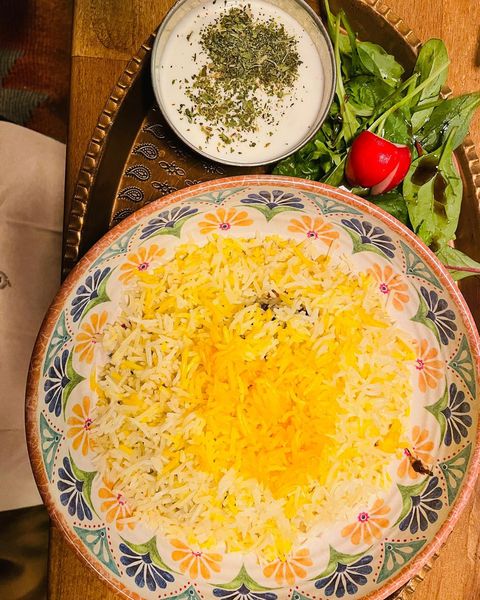
poached eggs and toast for breakfast at 19grams, just a couple of steps away from my apt in mitte (the butter tasted and smelled so full-bodied and real), hot chocolate and passion fruit cheese cake at atlas cafe in kreuzberg (passion fruit is called maracuja in german), and finally dinner with veronika at aftab station east (persian cuisine) where we had the most tender and delicious chicken i’ve ever had, cooked in a pomegranate and walnut sauce, served with fragrant saffron rice and mint yogurt. out of this world. also tried some lemonade made with berry juice, ginger and lavender – subtle sweetness, sourness, and spice all in one drink.
ended the day with a movie at lichtblick cinema berlin (looks like a store from the outside) where we saw ‘audre lorde – the berlin years 1984 to 1992’ (a doc from 2012). what a treat to see this beautiful face and hear this brilliant wise voice we love so much at home, here in berlin. perfection.
spent the day with the lovely veronika hykova, a curator at temporary space berlin and a lover of contemporary art <3
first stop somos where we met/had discussions with three brilliant artists/curators doing their art residencies:
Suu Myint Thein, is a sculptor, performance artist, educator, and curator from Myanmar. As the deteriorating political situation is affecting artists greatly, Suu currently participates in a special artist at-risk residency, supported by SomoS and the Goethe Institute Myanmar, developing new performance work and paintings.
Nicole Beck is a Hong Kong-raised, Sydney-based curator. She is developing Take Two, an exhibition connecting local artists to explore the potential of reenactment as a way to reflect the past.
Isabella Chydenius (b.1988), is an interdisciplinary Helsinki-based Finnish artist investigating societal structures, with a focus on femininity as applied to all genders, and its relation to safety and violence.
so inspiring to dive into their art practice and work.
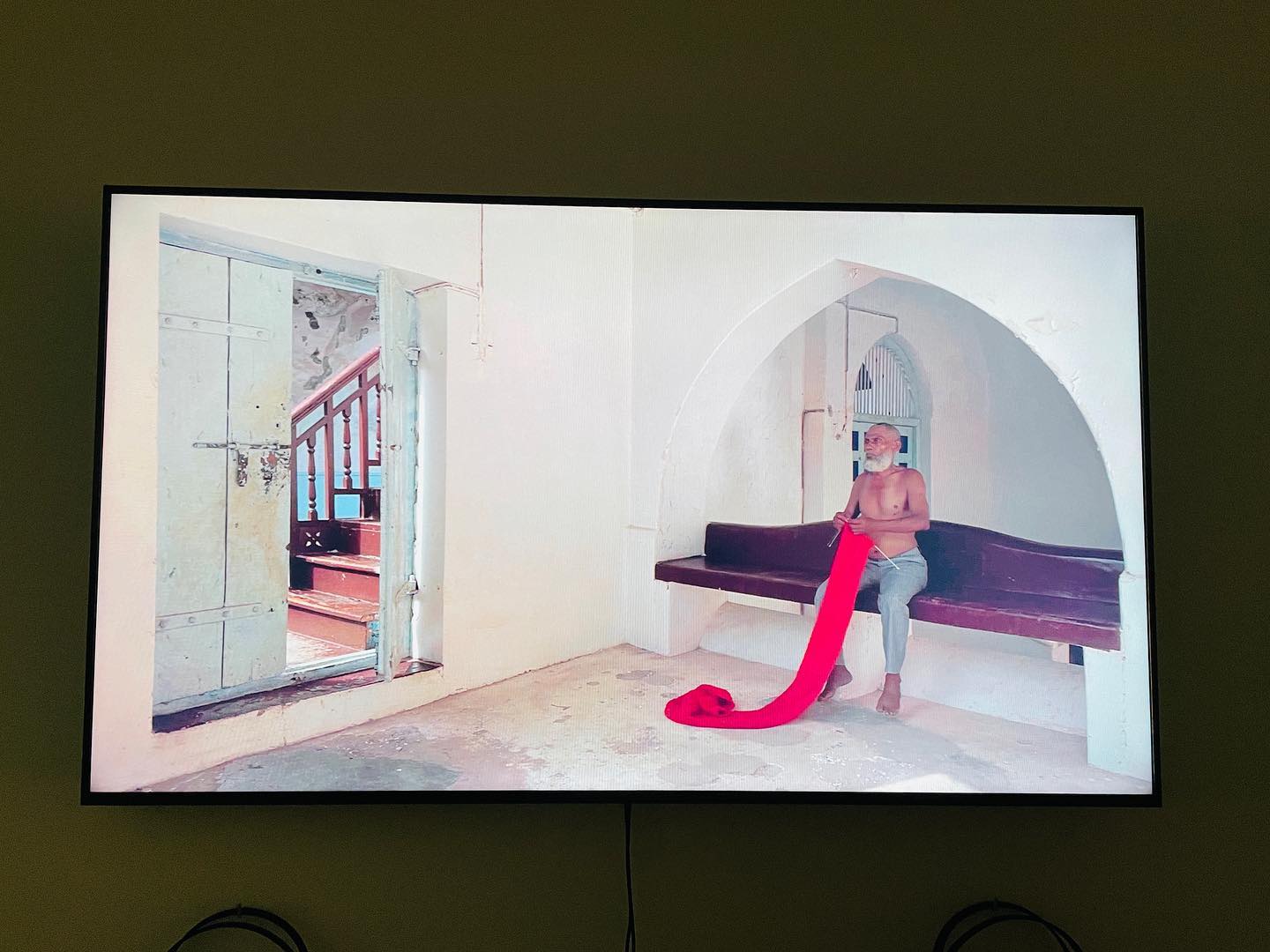
what stood out at the berlin biennale: exile is a hard job by nil yalter, maithu bùi’s mathuat – MMRBX, a video installation based on a virtual reality game, and asim abdulaziz’s 1941.
‘Asim Abdulaziz is a visual artist, photographer, and filmmaker. His emerging practice explores the psychoaffective implications of living in a country ravaged by ongoing war. The photographic series Homesick (2020), for example, depicts Yemeni women in destroyed interiors, the title suggesting both a yearning to return to a time before the war as well as the morbid estrangement of living among the ceaseless ruins that are product of the conflict.
The short experimental film 1941 (2021) explores the sense of disorientation and alienation experienced by Yemenis. After learning that knitting was a significant way for women in the United States to participate in the war effort during World War II, Abdulaziz was struck by how, in contemporary Yemen, knitting as an act of solidarity in a time of war would seem entirely absurd. The repetitive nature of the hand movement guiding the needles and stitching the wool thread distracts one from pondering the past and future, locking the knitter into a timeless present. By staging the practice in Yemen, Abdulaziz draws an embodied metaphor around the quotidian experience of war—captive to the logic of survival—that inhibits projecting oneself into a future of self-realization. Moreover, in a gender role reversal that further accentuates the strangeness of implementing this action in Yemen, the artist cast ten men of different generations and filmed them knitting with red wool inside one of Aden’s historical landmarks: a Hindu temple long abandoned to decay. He disrobed them—the men are shirtless, a provocative gesture in a prudish culture, which underlines the act’s absurdity. 1941 is an eloquent and compelling poetic meditation on war’s prohibition of claiming agency over time and self.’
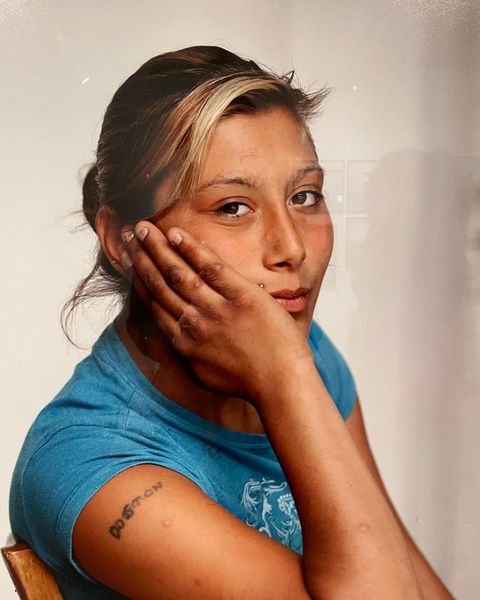
the venice biennale at the KW institute of contemporary art – photography and a long term relationship with a romani family, footage of the algerian liberation army from 1959-1962, music inspired by moroccan rug patterns, a performance by zuzanna hertzberg about the resistance of women during the shoah, african women, slavery, seeds and the need to plant/regenerate life, ‘vomit girl’ about the trauma of the vietnam war
Excited that my mixed media piece, ‘Memory Grid,’ has been selected for a juried exhibition at Westbury Arts! The theme is ‘Uncovered Treasures,’ a celebration of mixed-media art and assemblage.
Memory Grid is inspired by the idea of caching memories inside a data grid. It’s engineered to replicate computing architecture where vast amounts of data are sorted and stored using grid technology. But instead of binary data, the piece is meant to archive pictures, colors, and textures. Instead of neat partitions, the elements in each compartment overflow and overlap with adjacent cells, creating complex patterns and whimsical moods. The intent is to create an emotional landscape that beckons and moves on account of these transgressions.
Newsprint, fabric and acrylic paint on illustration board fitted inside an upcycled metal grille Dim: 27 ½ in x 22 in
The opening reception will be on Sunday, September 4th, 2022 from 7:00 to 9:00 PM at 255 Schrenck Ave, in Westbury. Tickets are free but pls register.
met the beautiful watercolor artist ambreen qureshi today, who also happens to be a dear friend’s cousin. thank u faiza for connecting us. can’t wait to learn more about each other’s work and life <3
this exquisite voice. this song (‘we were once beautiful’). this stream of consciousness poem by ahmed shamim. islamabad in the 1980s, sparsely populated, verdant, pristine. one ptv channel with a show that everyone watched at the same time, every week. a young sahira kazmi cast with her husband rahat kazmi in a series unwisely inspired by ‘the fountainhead.’ and there we were, recent transplants from brussels, finding our way in a different universe – in a city mostly inhabited by government officials and diplomats, in schools where we were learning urdu poetry, reading stories by saadi in farsi and memorizing quranic verses in arabic. the disorientation of it all, but also a challenge. we would study all day after school, spend time one by one with our mom, our translator, teacher, and emotional safe space. this song by nayyara noor always playing in the background. thank u for the steady beauty of ur voice and its presence in our lives. rest in peace.
Dear friends, I am thrilled to share this brilliant dance shot by Jesus Duprey at High Falls (Rochester, NY), choreographed and performed by Andrew Evans, title by Erica Jae, with original music composed by Tom Davis. This is a prelude to The Injured Body: A Film about Racism in America. I am back at work editing this documentary and listening to some pretty badass women of color. I created the trailer for the film back in 2020 but then life happened (we moved thrice in two years during the pandemic). I am excited to come back to this beautiful project. I will be sharing as I edit and hope for your support throughout this delicate process. My goal is to complete the film in 2022. But first, here is Emancipated Breath.
Friends, I’m happy to share a new Warp & Weft story today. It’s a unique retelling of the pandemic from the perspective of a funeral celebrant. Written and read beautifully by Terry Werth, pls listen to ‘The Way Forward’:
“I worked to control my outrage, fear, and ignorance by focusing on the skills I had to help people navigate their loss, grief and trauma in healthy and effective ways. I validated their despair (and my own) by stepping back to try and see the big picture: what can we learn from this experience? How can we heal ourselves and help others heal?”
The Ready to Wear online exhibition is now open! You can check out a virtual exhibition space, download the catalog, and read my essay under Explore Exhibiting Artists here.
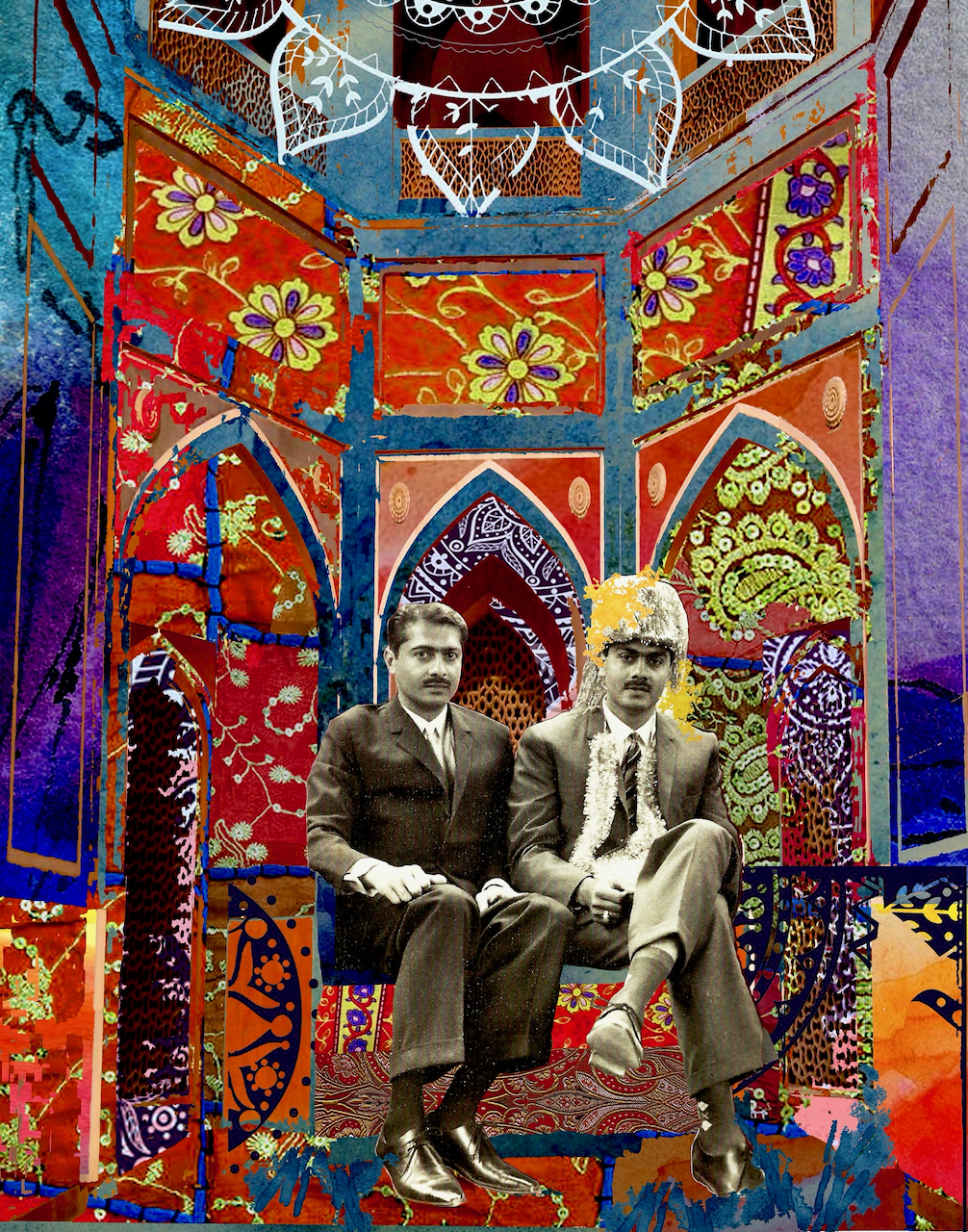
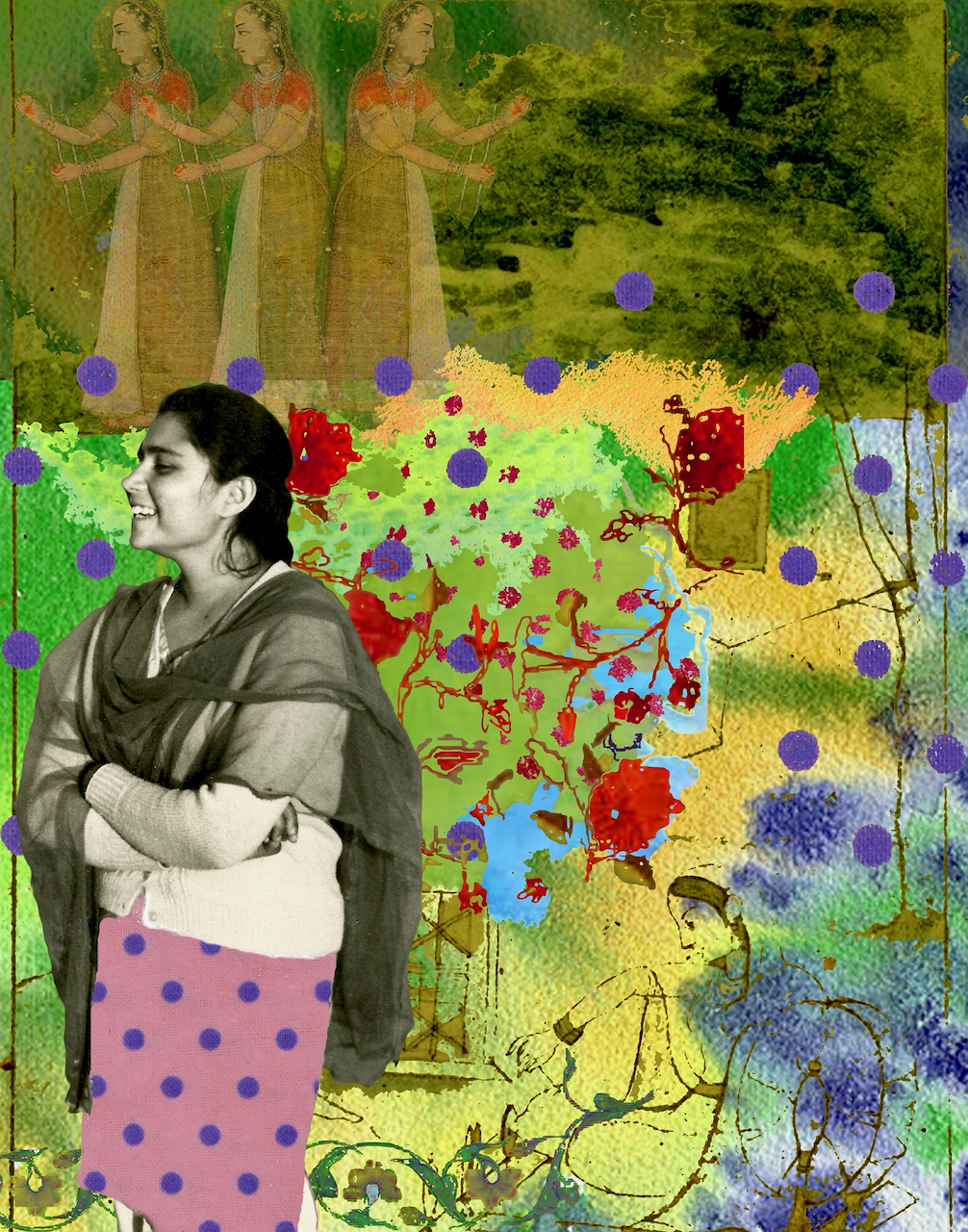
“In the 1960s, when my parents (Nilofar Rashid and Saleem Murtza) met in college, fell in love, and got married, Pakistan was still a relatively new country. My parents’ generation was the first to be solidly grounded in Pakistan. Having been recently introduced to the world at large, those who hailed from the bourgeoisie saw themselves as “progressive” and were influenced by western culture. Fashion became a way to express their newly minted national identity.
Young men adopted the Teddy Boy style of the Beatles, with boxy jackets and fitted trousers. Young women wore the traditional shalwar kameez but switched it up by making the kameez shorter and tighter, aligning it with the shift dresses they saw in fashion magazines. The bottom edge of the shalwar became narrower in keeping with men’s tapered pants. They wore head scarves and oversized shades like Audrey Hepburn and Bollywood’s Saira Banu and Mumtaz.
This hybrid sense of fashion seemed to cross borders and crack open binaries such as east and west. My mother wore a gauze dupatta over her short, dress-like kameez. She refused to give up the dainty sandals that went with her outfits but would wear socks when it got cold in Lahore. For his wedding, my father paired a gaudy sehra (headdress commonly worn by the groom) with a tailored suit. He sits proudly with his elder brother, Eitizaz Hussein.
Borders and partitions are recent aberrations. A broad span of history, that goes beyond the creation of nation states, can give us a better sense of our complex, intertwined realities, and allow us to imagine better futures.”
Eitizaz Hussein and Saleem MurtzaNilofar Rashid – 3Nilofar Rashid and Saleem Murtza – 1