getting ready to visit a friend in #rochester after many days of traveling
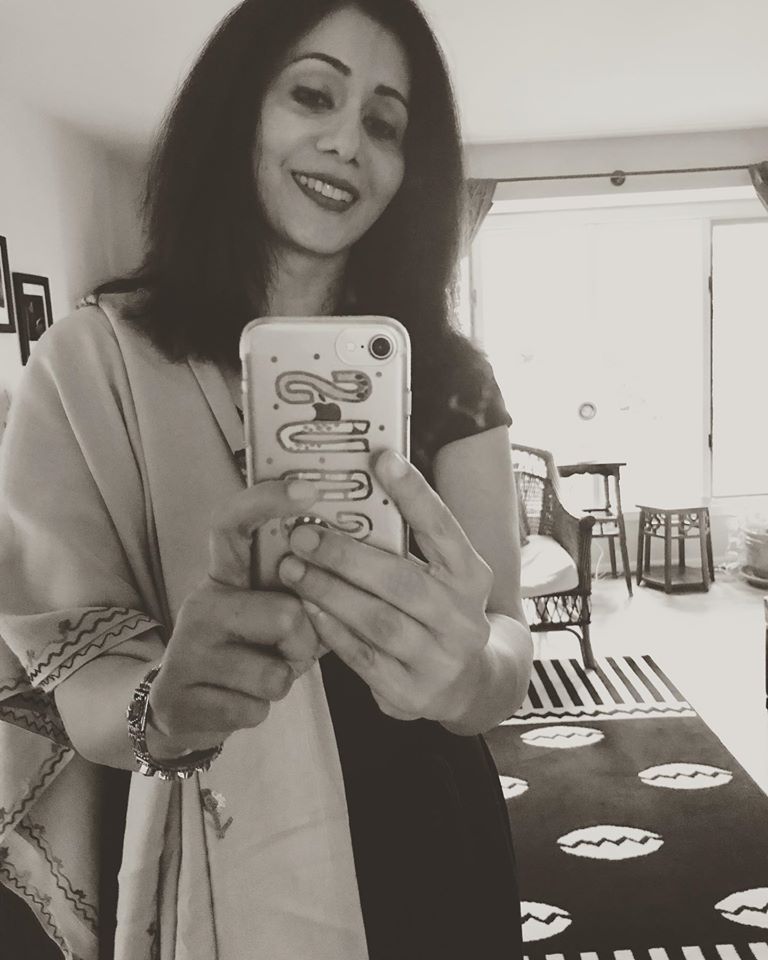
getting ready to visit a friend in #rochester after many days of traveling
Asim Rafiqui: There are many who are sceptical and critical of the current decolonial moment. There is now a widespread backlash against decolonial projects, aided and abetted by this current political moment of politically correct racism, popular authoritarianism and ethnic nationalism. Students who refuse Eurocentric histories, erasure of the Other’s suffering, colonial historical teleologies, concocted knowledge genealogies, the silencing of resistance historical and present, the elision of evidence of non-European scientific, cultural, social and artistic influences and more, are often accused of being ‘sensitive’ or ‘petty’ or ‘spoilt’ and unwilling to accept a ‘hard, tough education’. These critics assume a ‘correct’ set of knowledge, which is precisely what is being questioned. It is difficult to take this backlash seriously, emanating as it is from the pens and persons of the established, the privileged and the cock-sure–precisely the group and structures of thought that decolonial projects take direct aim at. If the first European /Western intellectual reaction to the Other speaking back was Postmodernism, the second European reaction seems to be nostalgia and racism. What these detractors reveal is a profound lack of understanding of the act of critique, which, to quote Foucault, is always “…a matter of pointing out what kinds of assumptions, what kinds of familiar, unchallenged, unconsidered modes of thought the practices that we accept rest upon.”
[…] But I want to return to this interview [with Ghassan Kanafani], a transcript of which follows. I drifted to this interview while thinking about decolonisation, because it is a vivid example of the Mignolo-ian demand that we always remain cognisant of “…the hidden complicity between the rhetoric of modernity and the logic of coloniality.” Here, in this interview, we see how a ‘modern’ discourse of ‘peace’ and a framing of a narrative that places parties into ‘good’ and ‘bad’ opponents, is undermined and taken apart. I have taken the trouble to add some editorial comments to the transcript to help us see and understand what Kanafani is actually doing as he confronts this journalists presumptions and violent words. More here.
Jóvenes en Acción (Youth in Action), is a ten-month civic education and leadership program, which begins with a four-week exchange experience in the US. Participants are between 15-18 years old and selected as project teams of four to five students from diverse communities throughout Mexico. This year, the two teams visiting the US are working on anti-discrimination projects. Some of the panelists who presented at ICR, spoke to Jóvenes en Acción today, at MCC. They included Will Barrett, Halima Aweis, Milo Ehrenberg and Nate Baldo. Here are some pictures.




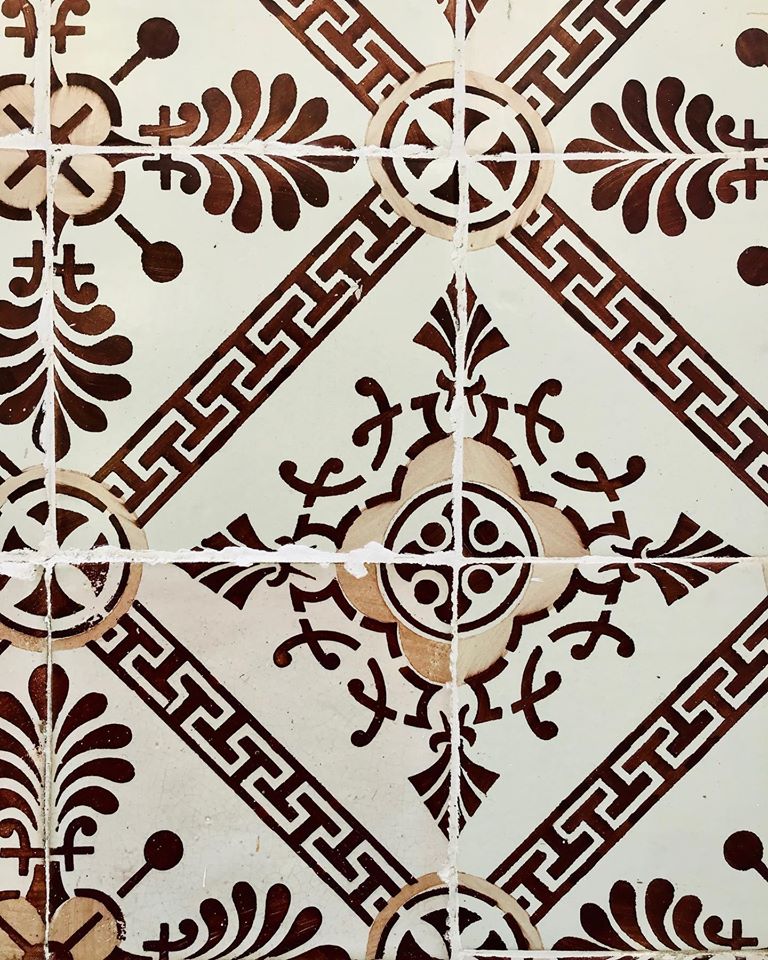
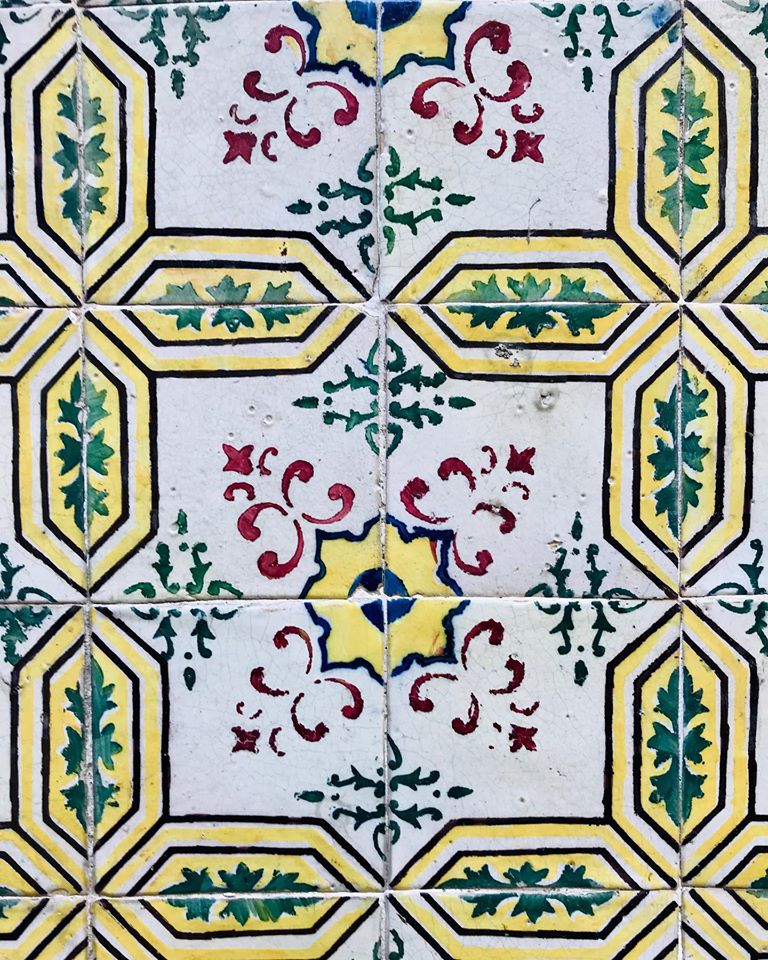
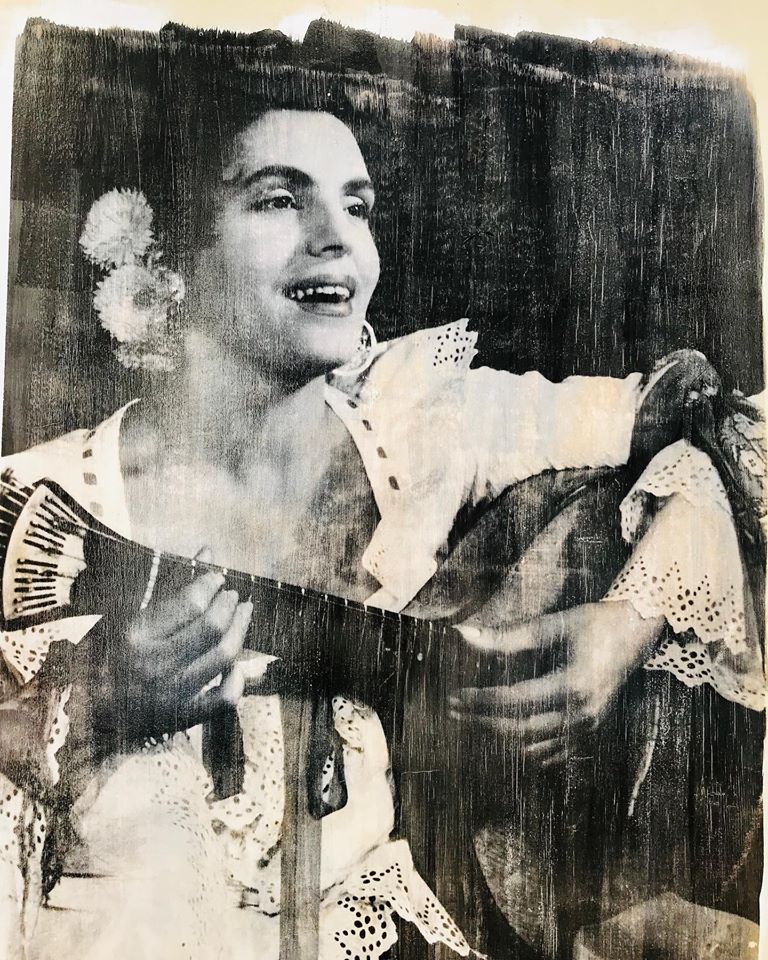
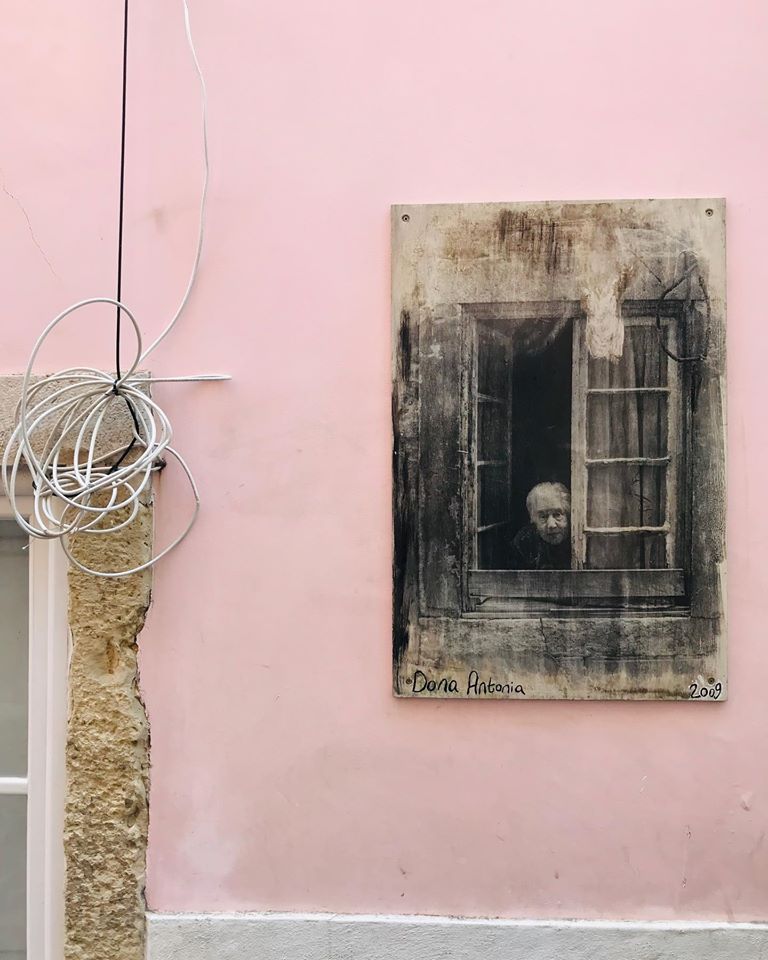
loved #camilla #watson’s work in #mouraria (the #moorish quarter in #lisbon) – #fado singers who lived or performed in the neighborhood and #tribute, a brilliant #project started in 2009: ‘A Tribute’ is my first #outdoor #exhibit in Lisbon. It was opened in 2009 and has been ongoing until today. It is a #collaborative #community project involving the #elderly in an area of Mouraria called São Cristovão. At least 25 #photographs of local residents are exhibited on the walls of a tiny alley called ‘the beco das farinhas’. Residents volunteer to have their photograph taken and choose the one on display. They have their name (in large letters at their request on the photograph!) Every year I add #images to the exhibit. It has been a success in every aspect – the elderly are proud and love the attention and it brings an immediate intimacy/welcome for visitors to the area. The photographs are printed either onto #wood or directly onto the #wall using a liquid silver emulsion.

today my favorite tour
lisbon’s #street #art is the best way to experience the #city
spent 3 hours with mafalda and walked thru #barrioalto (famous for its night life and #bohemian flair) #mouraria (the #moorish quarter, vibrant and full of #people of #color) and #graça (one of lisbon’s #coolest #neighborhoods) all the way to the end of the blue #metro line at #santa #apolonia
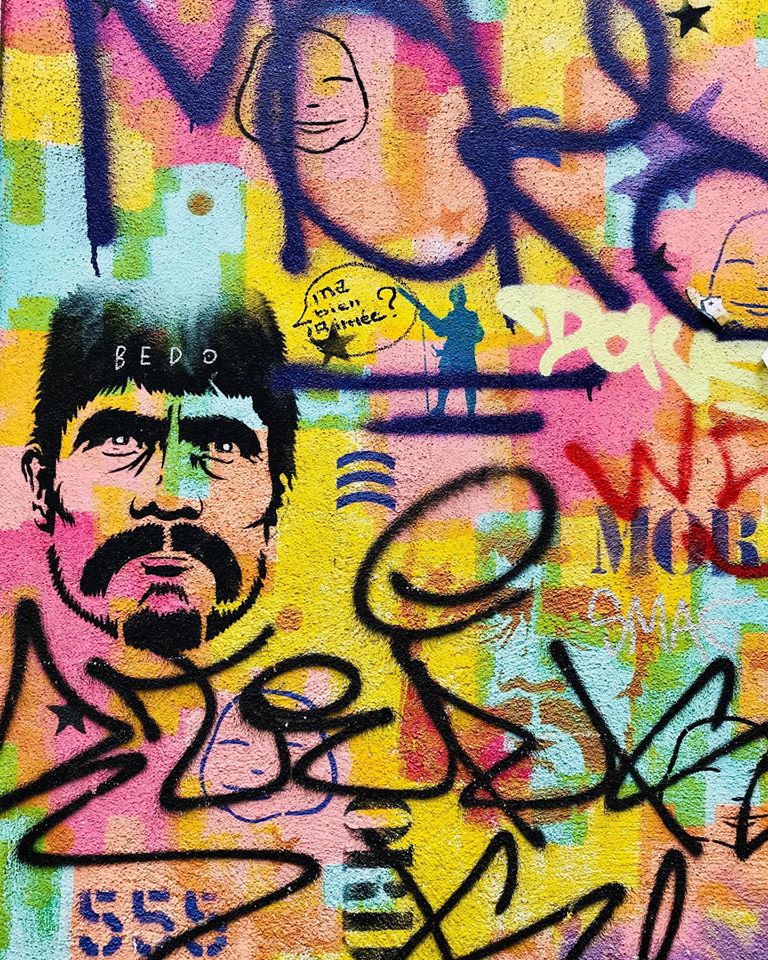

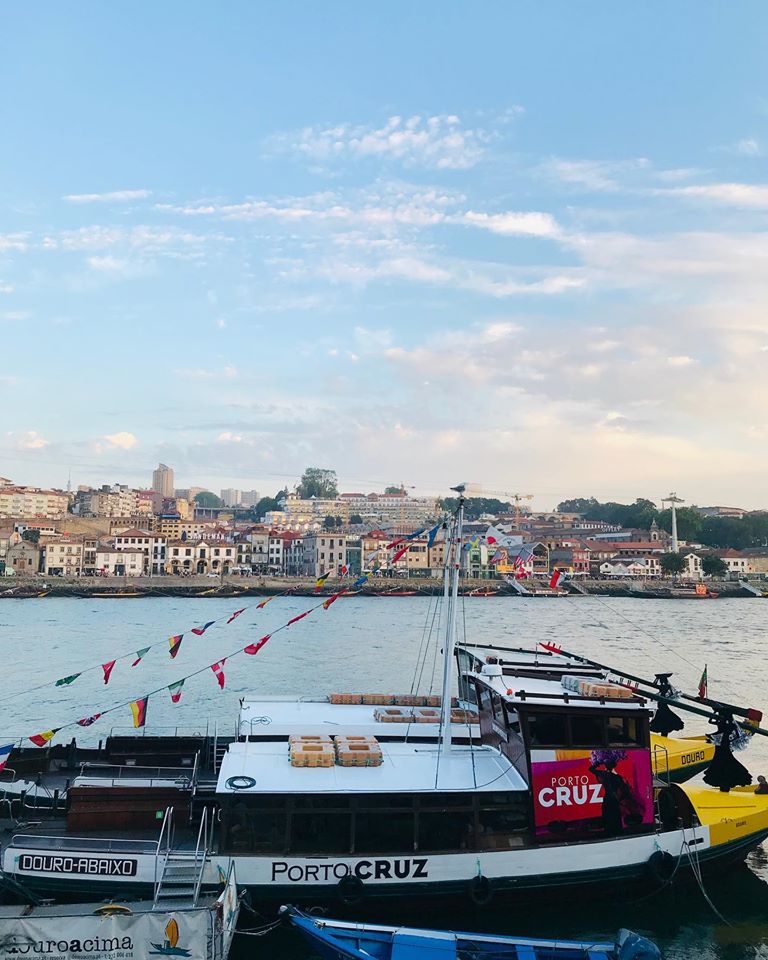
an eventful day yesterday! started with a walk across the #douro #river to #gaia from which i got beautiful #views of #porto #portugal
didn’t look at the time and was now running late for my #train back to #lisbon
antonio my #valiant #uber #driver took me to an alternative entrance to the #campanha #station, picked up my suitcase whilst leaving his car and trunk open, and ran with me all the way to the train! i made it!
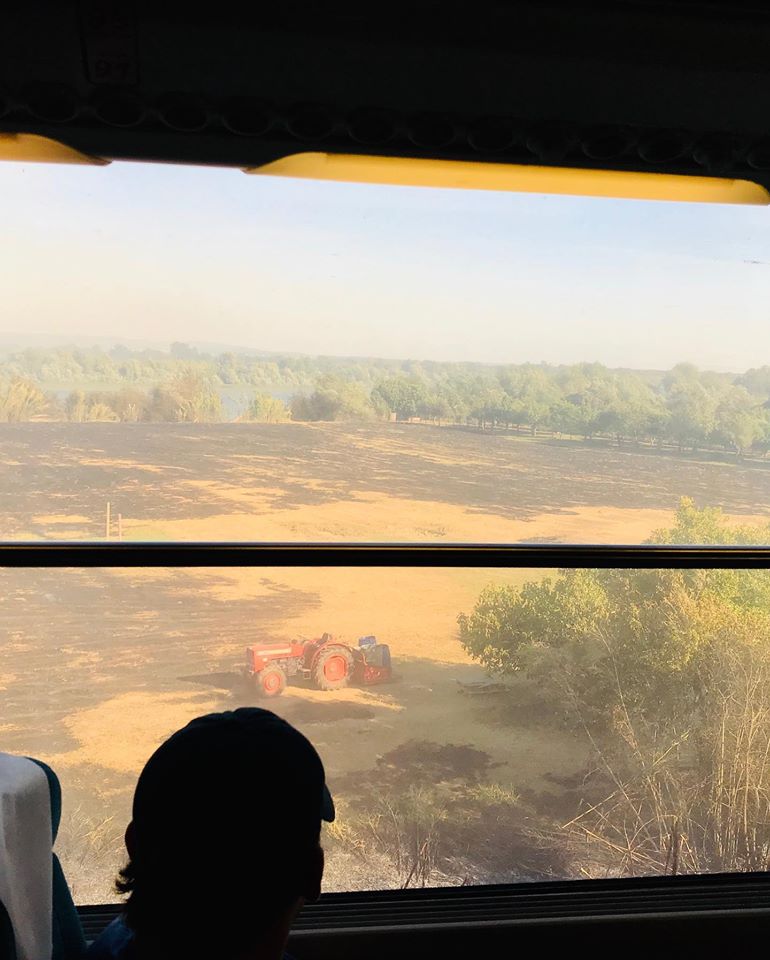
then halfway thru, the train stopped for 3 hours converting a 3 hour train ride to a 6 hour #journey
there was a #fire on the way – we saw the #smoke and burnt #fields as we later rode past it
got to my hotel, changed and rushed to #alfama to #mesa de #frades for a three course #dinner and #fado
met karen and thomas who teach at a medical school in grenada and sailed from the caribbean all the way to the azores
dinner included tuna pate, cod and potatoes cooked in butter, fried greenbeans, a pastry made with goat cheese honey and olives, then a cake made with layers of #chickpeas #vegetables and #cod, #chocolate #salami for dessert (dense chocolate cookies) and of course wonderful fado

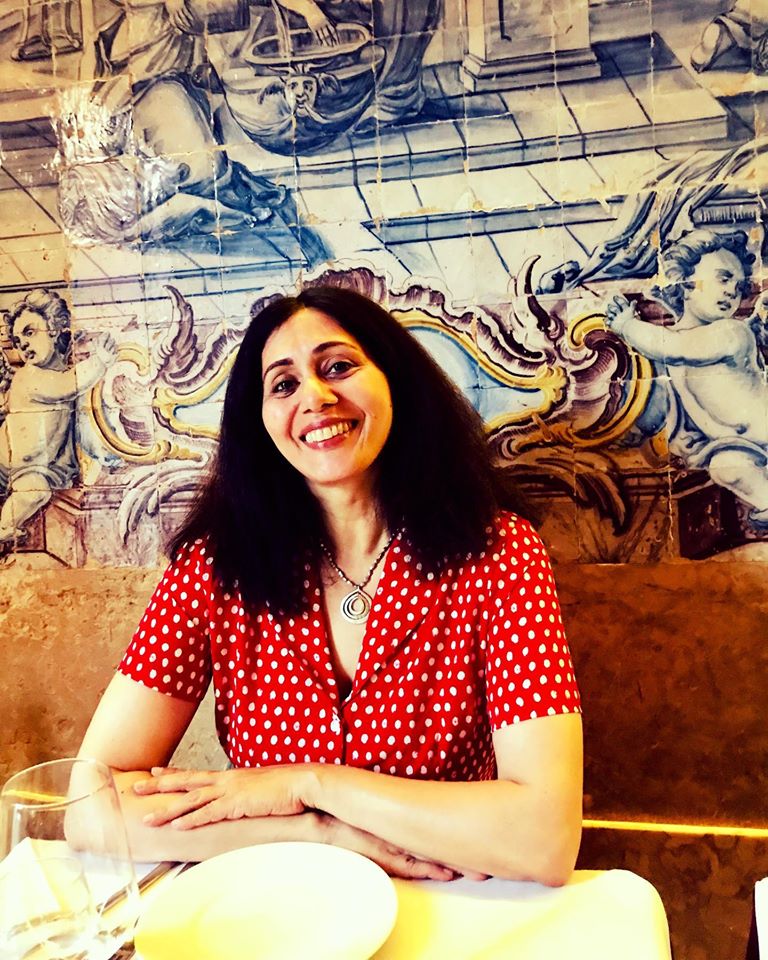

3 hour guided tour of porto’s historic sites with the wonderful andre today
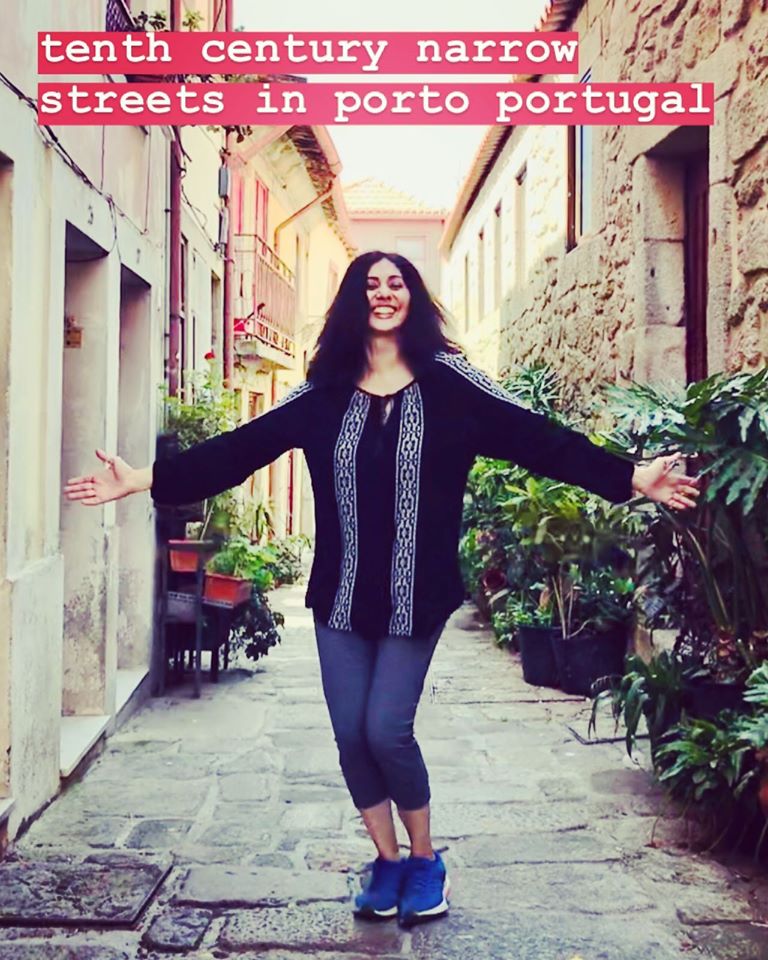
second up a visit to gallery fernando santos and a walk along rua miguel bombarda which is full of concept stores galleries and excellent street art
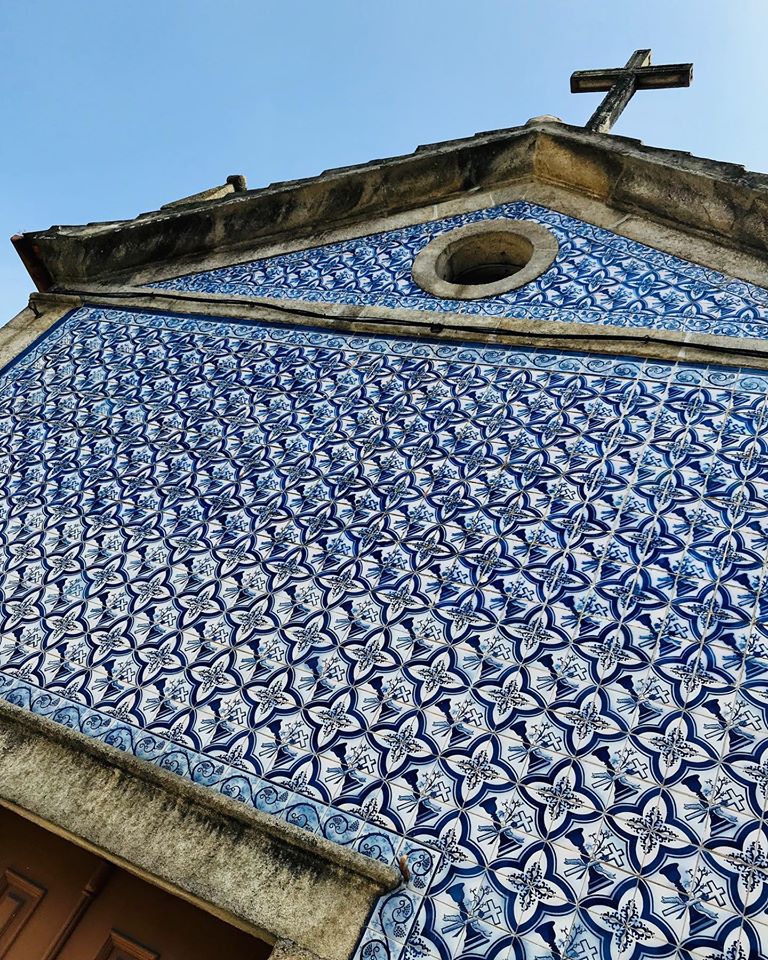
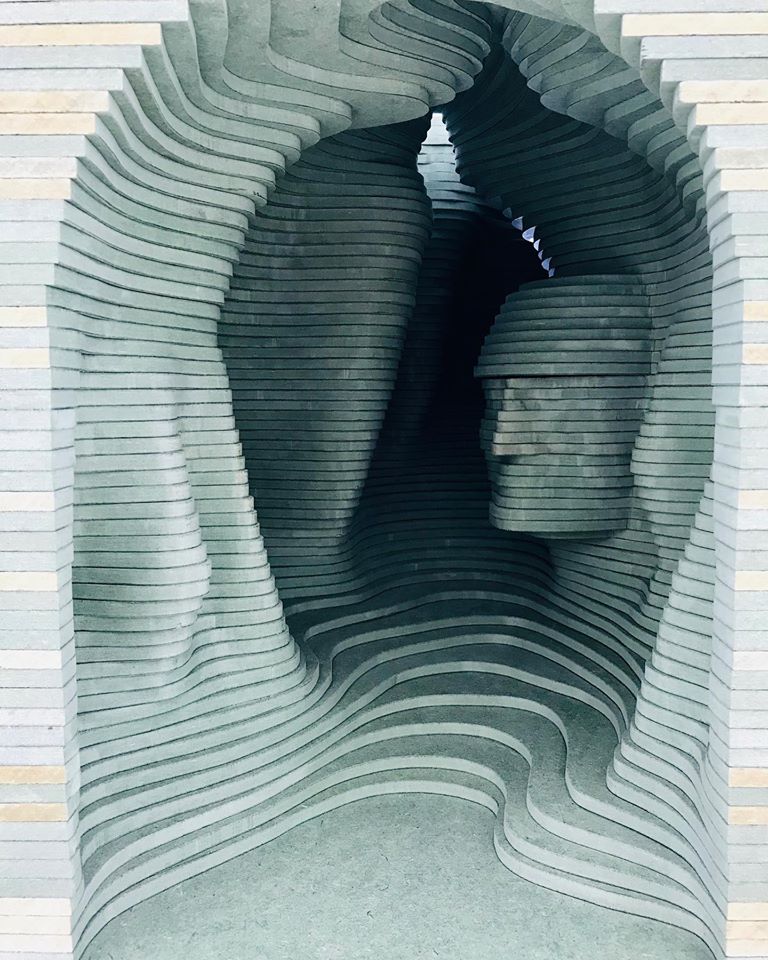
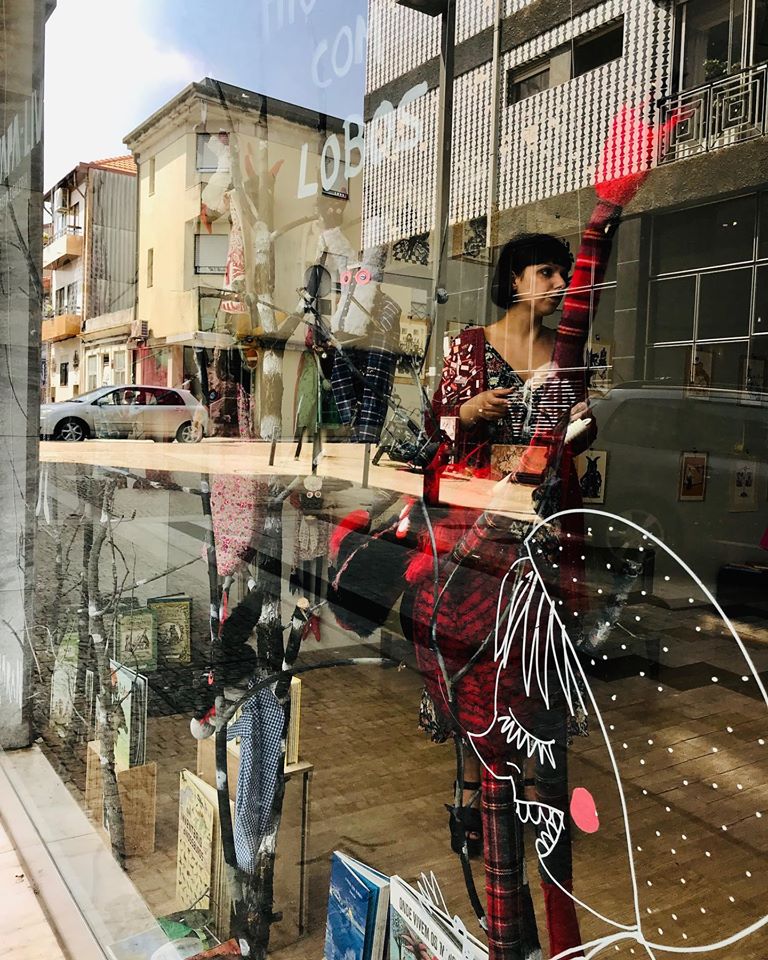
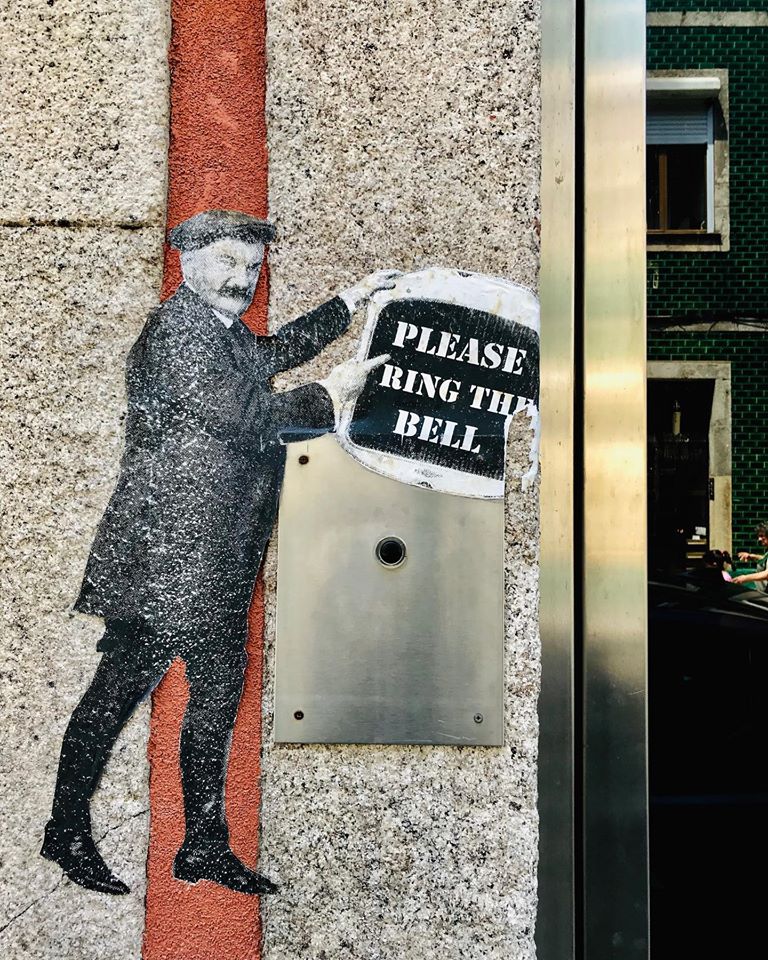
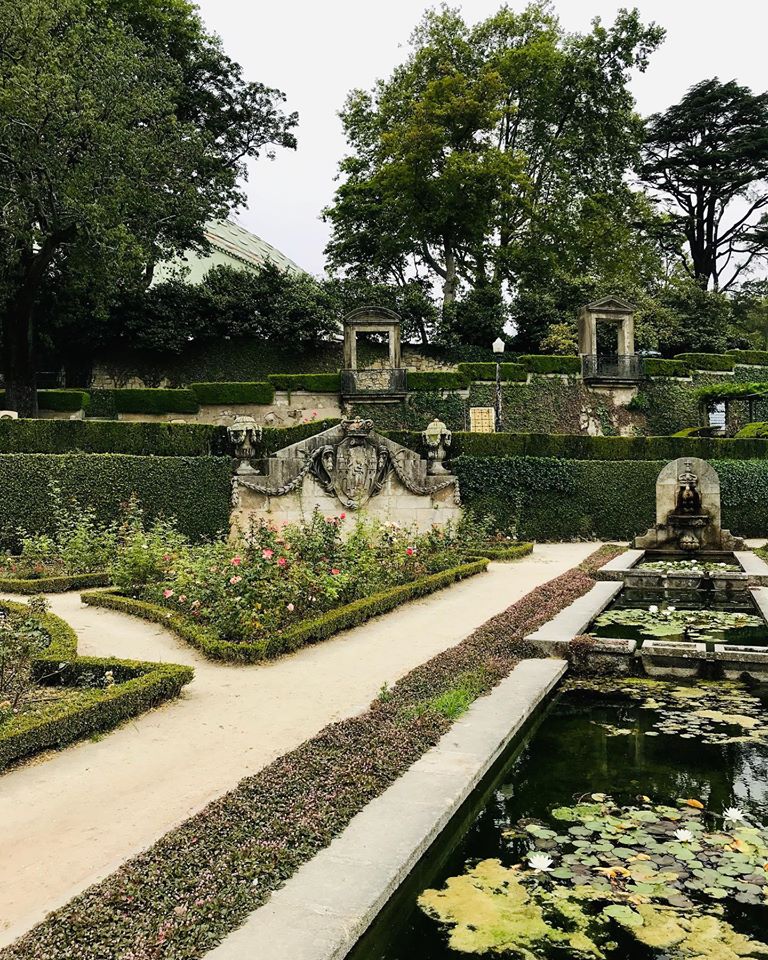
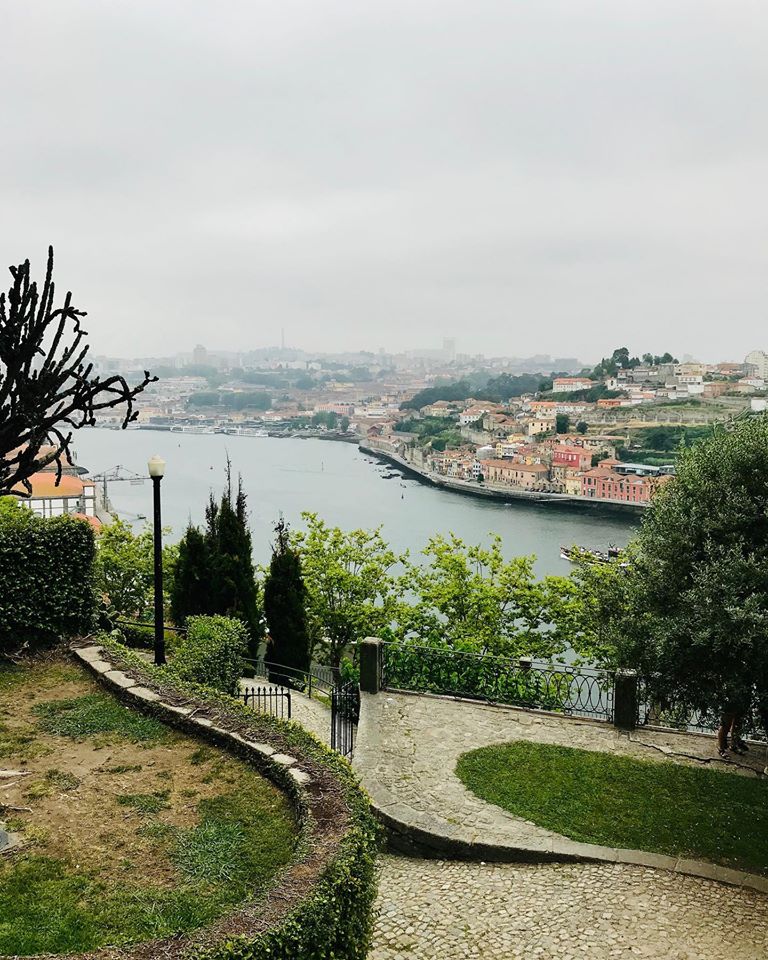
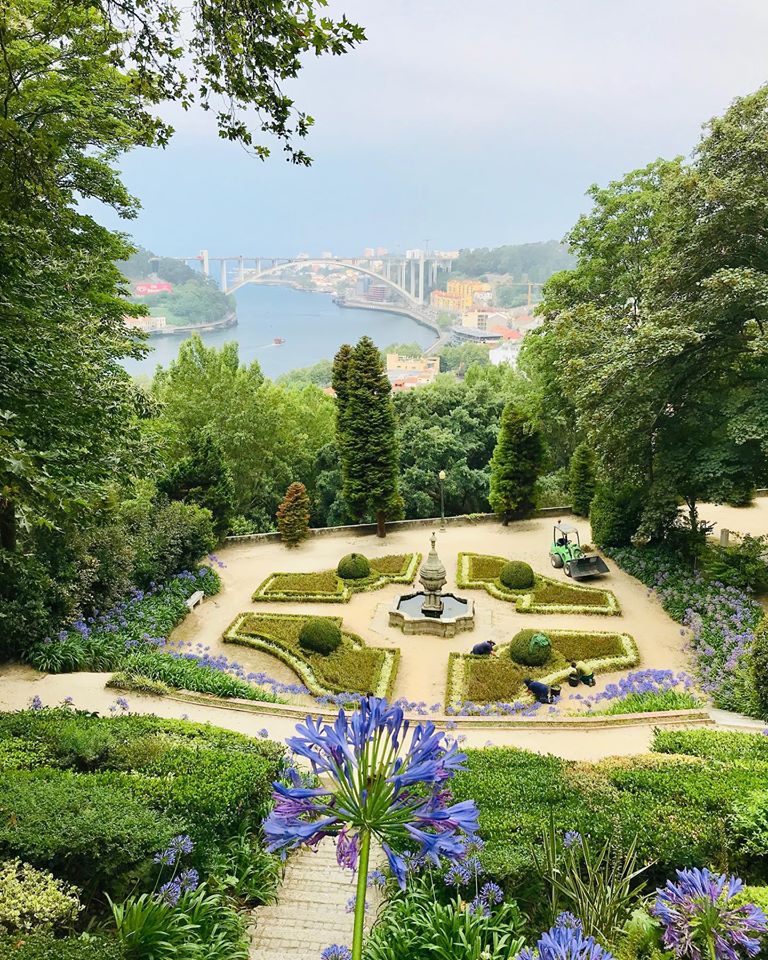
my morning started with a walk in the gardens of the palacio de cristal #porto #portugal
full of peacocks, roosters, fountains and views – always beautiful views
this evening fado at casa da guitarra #porto #portugal
‘This is the perfect hour’ by Sophia de Mello Breyner Andresen
[Translated from the Portuguese by Colin Rorrison with Margaret Jull Costa]
This is the perfect hour when a hush descends
On our muted human murmurings
And inside us finally there speaks
The grave voice of indolent dreams.
This is the hour when roses are the roses
That flowered in the Persian gardens
Where Saadi and Hafiz saw and loved them.
This is the hour of the mysterious voices
Chosen and summoned by my desires.
This is the hour of the long conversations
Held between leaf and leaf.
This is the hour when time is abolished
And I do not even know my own face.
too much beauty – this is unreal – sunset music in #porto #portugal
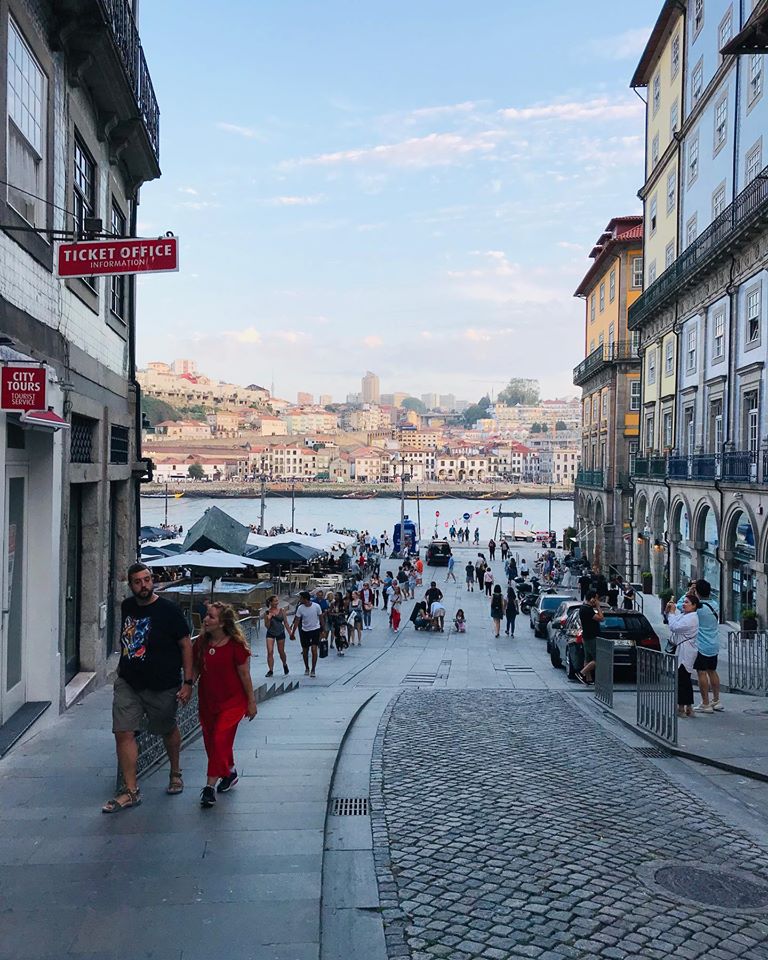
sunset on the #ribeira across from my hotel
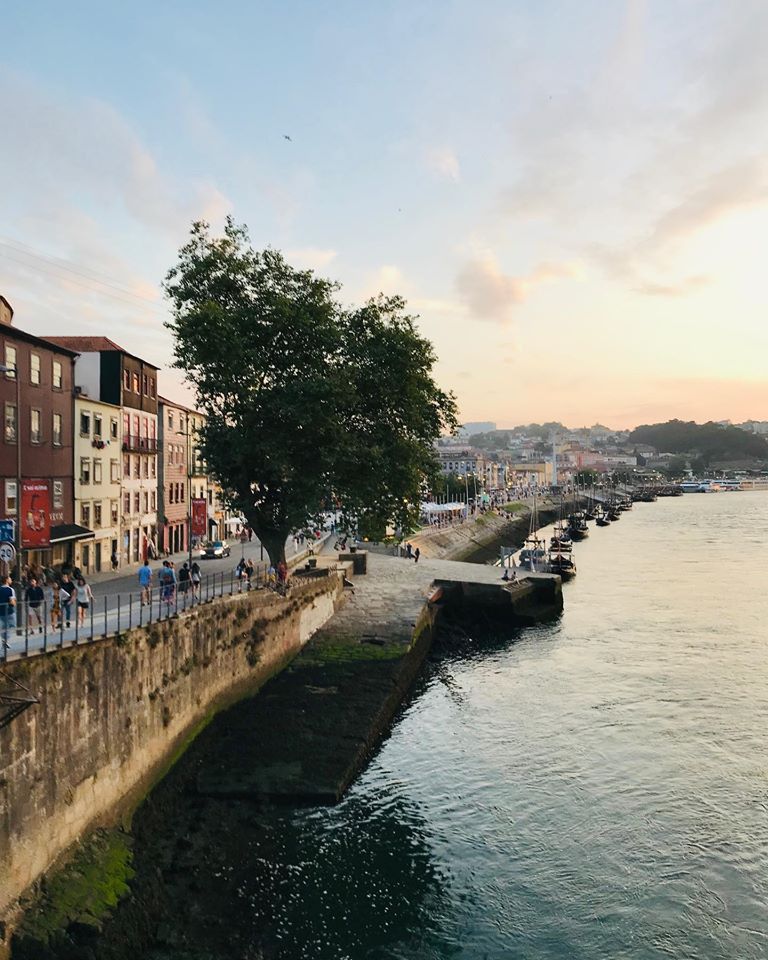
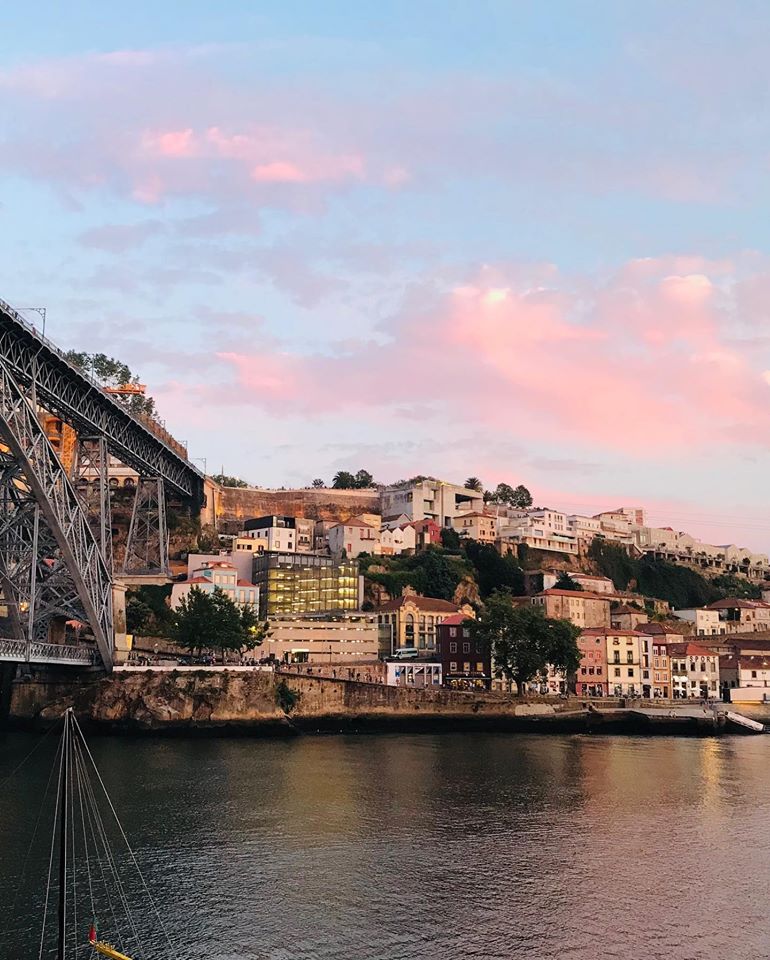
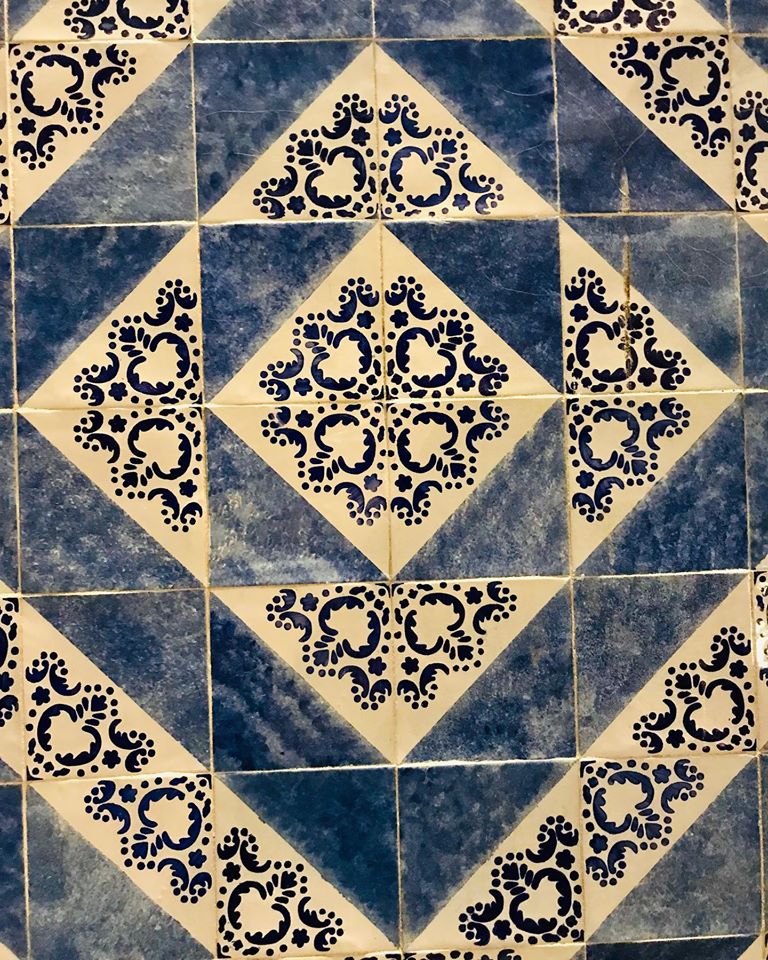
‘#Porto is a coastal city in northwest #Portugal known for its stately bridges and port wine production. In the medieval #Ribeira (riverside) district, narrow cobbled streets wind past merchants’ houses and cafes.’