
Arundhati Roy: None of the white supremacist, neo-Nazi groups that are on the rise in the world today can boast the infrastructure and manpower that the RSS commands. It says it has 57,000 shakhas—branches—across the country, and an armed, dedicated militia of over 600,000 “volunteers.” It runs schools in which millions of students are enrolled, and has its own medical missions, trade unions, farmers’ organizations, media outlets, and women’s groups. Recently, it announced that it was opening a training school for those who wish to join the Indian Army. Under its bhagwa dhwaj—its saffron pennant—a whole host of far-right organizations, known as the Sangh Parivar—the RSS’s “family”—have prospered and multiplied. These organizations, the political equivalents of shell companies, are responsible for shockingly violent attacks on minorities in which, over the years, uncounted thousands have been murdered.
Prime Minister Narendra Modi has been a member of the RSS since he was 8 years old. He is a creation of the RSS. Although not Brahmin, he, more than anyone else in its history, has been responsible for turning it into the most powerful organization in India, and for writing its most glorious chapter yet. It is exasperating to have to constantly repeat the story of Modi’s ascent to power, but the officially sanctioned amnesia around it makes reiteration almost a duty.
More here.
Author: mara.ahmed
NOT a nation of immigrants
cannot wait to read this book! have always felt deeply uncomfortable with the liberal narrative of ‘we are a nation of immigrants,’ even when it’s used for good reasons like opening up borders or decrying the muslim ban. it’s such a brutal erasure of the people who’ve always been here.

one more for 2019
bye 2019
happy 2020
happy new year everyone! as we transition inevitably into 2020, let’s hope that we can do better. for one another. 2019 wasn’t easy on our planet or our siblings, here and all over the world. let’s resolve to do better.
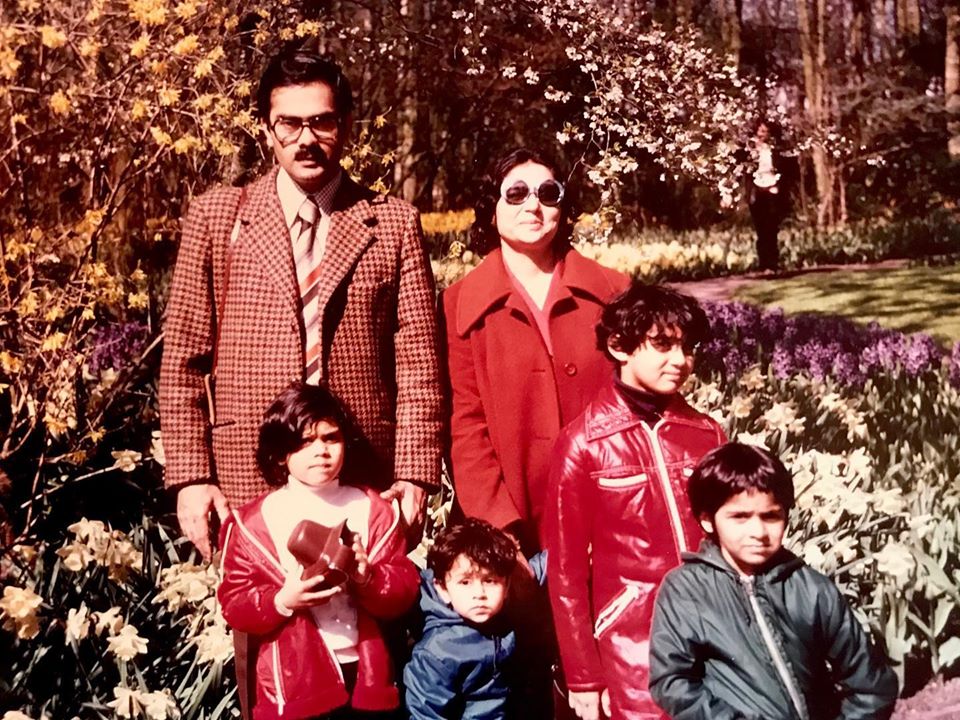
when we were kids
#belgium or the #netherlands
BREAKING: Several People Stabbed By Machete-Wielding Suspect During Monsey Chanukah Event
this is terrifying.
Linda Sarsour: Lord have mercy. Speechless. This cannot continue. We need a diverse community-led response in NYS. I am in. We cannot and will not be bystanders. More here.
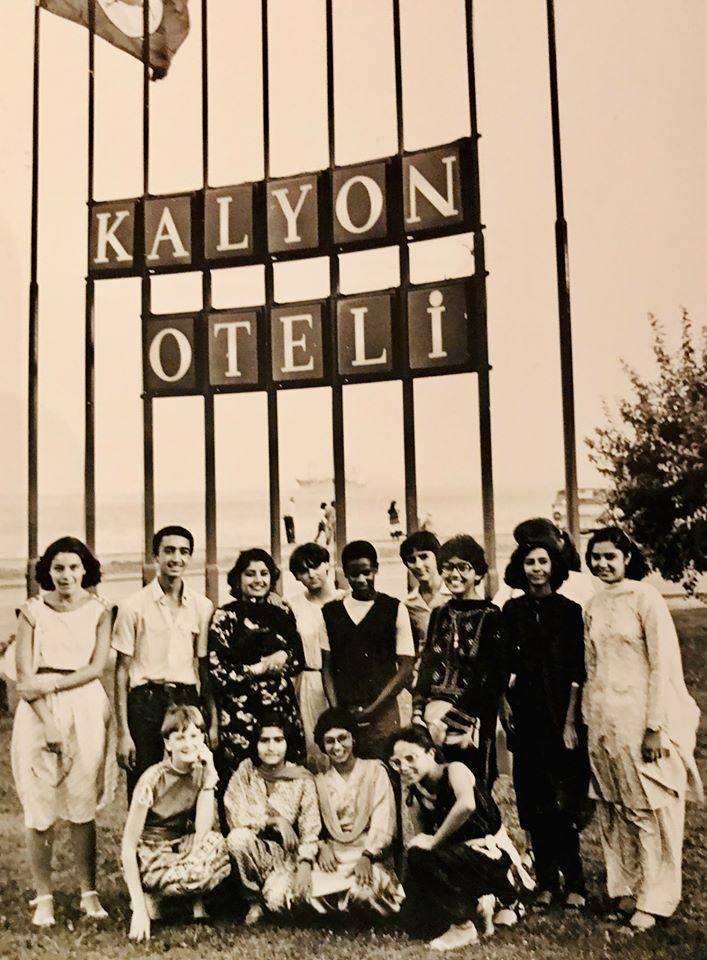
turkey…
as we begin to pack our books and albums, i keep finding these treasures. this picture was taken in istanbul. i was 15 years old and my friend Badi Ben Mabrouk, whom i met on that trip, was 16. we had both won a competition organized by the government of turkey to celebrate ‘modern turkey founded by ataturk.’ i wrote a very long poem in french. winners from all over the world were invited to the country as state guests for a week. it was an incredible experience.
Bernie Sanders on the Today Show 1981
what happened in the UK elections should not seal our fate. there needs to be a nation-wide movement to support bernie sanders next year. i’m up for it.
8 Minutes with Silvia Federici
Silvia Federici: We must clarify what feminism means because it has been abused, manipulated and distorted…Feminism is not a better share of the capitalist pie…or the feminism of women now joining the army and having the right to kill…
xmas at bamboo house
chinese food for christmas – as is the tradition. tsingtao house (our first choice) didn’t have any electricity, chen garden was packed and only taking reservations, but bamboo house (in brighton) worked. i recommend the kung pao beef and mango prawns 🙂
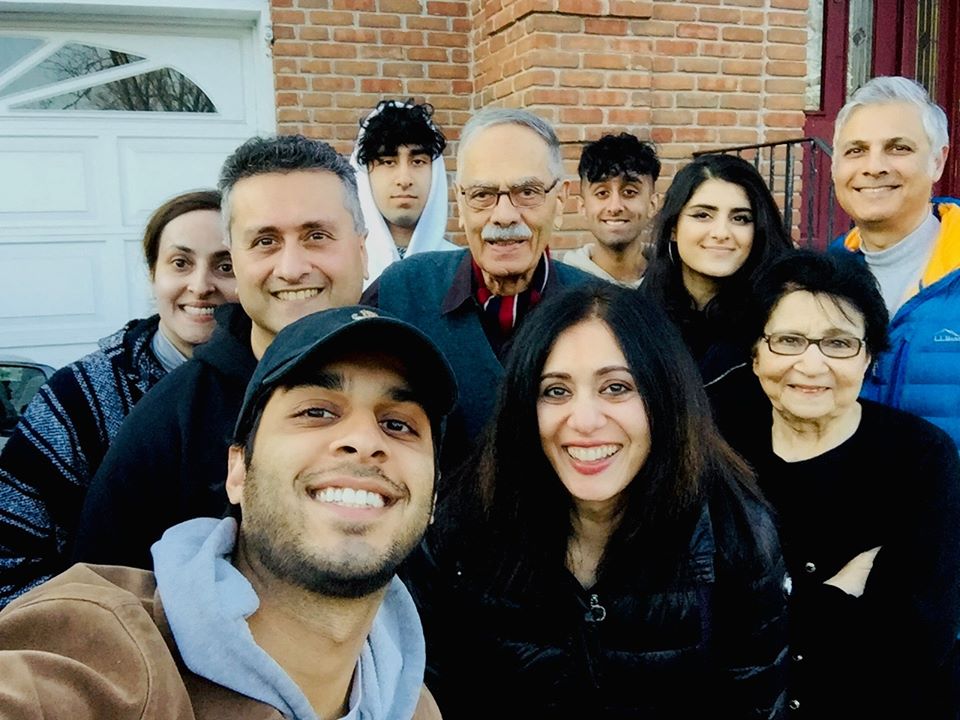
with fam over the weekend
Abby Martin & Lowkey: A Deeper Look at the UK Election
excellent insider’s look at the UK elections. there is so much more than meets the eye. important for us here in the US as we get ready for 2020.
Decolonization and anti-racism: a reading list
happy holidays you all 🙂
here’s your reading list!
Revitalizing the Cheyenne language
Tommy Orange: Revitalizing the Cheyenne language, having tribal and non-tribal members learn the language, become fluent, is not an obscure hobby, is not like the learning of a past-time, like something that can’t be used or will not be useful. ‘Use’ itself depends on language and context, ‘use’ according whom? To understand the Cheyenne way of life, as Cheyenne people, as anyone interested in understanding Cheyenne people, language is the most direct route. There are ideas and worldviews embedded in the language. From what little I know to be true about any language, there is much to be learned.
Native people lived on this land for thousands and thousands of years. This country, American culture—which is in and of itself made of so many other cultures—has only existed for around three hundred years at most. There are relationships to this world, to the land, to each other to be learned from Native languages. There are ways to be we might need in a world such as this, one bent on destroying itself, one out of touch with what it means to consider our environment and our relationship to it. To have and embody respect, kindness, love, generosity. My dad told me the Cheyenne language has these qualities embedded in it. He said it’s a holy language.”
We grew up hearing our dad speak Cheyenne in phrases. Words for bread, or salt, or fart. Phrases like come sit down, come sit down for dinner. We didn’t grow up thinking we should or should not be learning our language. We didn’t know then how important a language is to keep, how it holds within… More here.