
Excited about this upcoming documentary ‘American Muslim’ which reframes American history by making Muslims visible and telling their stories. For example, did you know about the Bilali Muhammad Document? It is a handwritten Arabic manuscript on West African Islamic law, written in the 19th century by Bilali Muhammad, an enslaved West African held on Sapelo Island, in Georgia.
Author: mara.ahmed
irrfan khan leaves us
irrfan khan (7 january 1967 – 29 april 2020) – ‘a seductive actor capable of exquisite gentleness.’ what a loss.
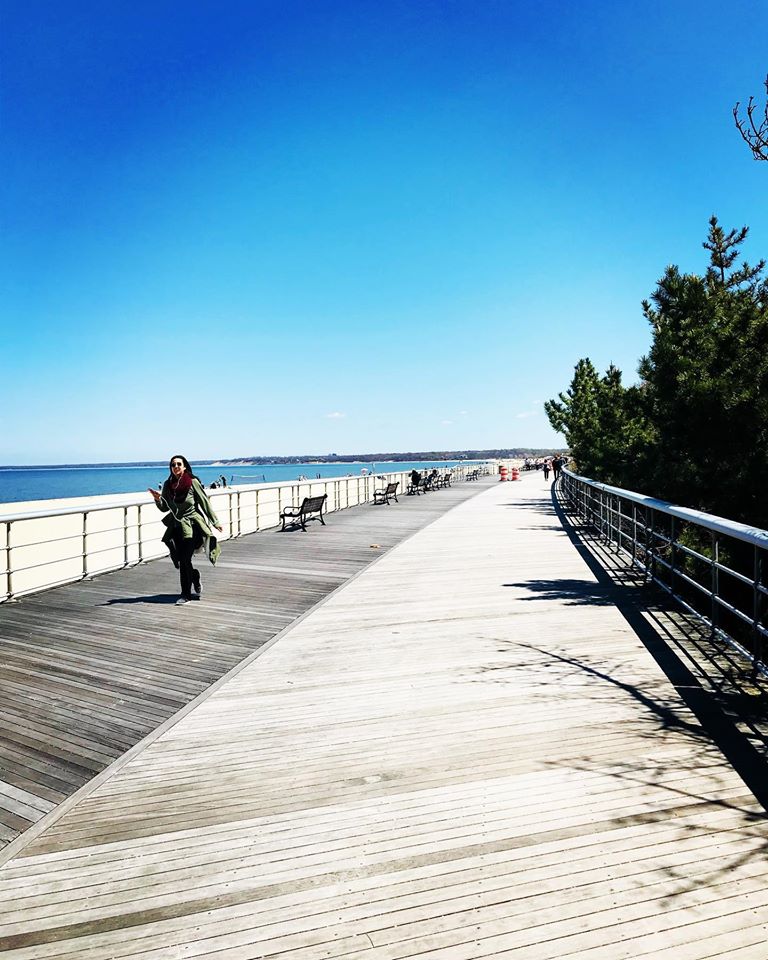
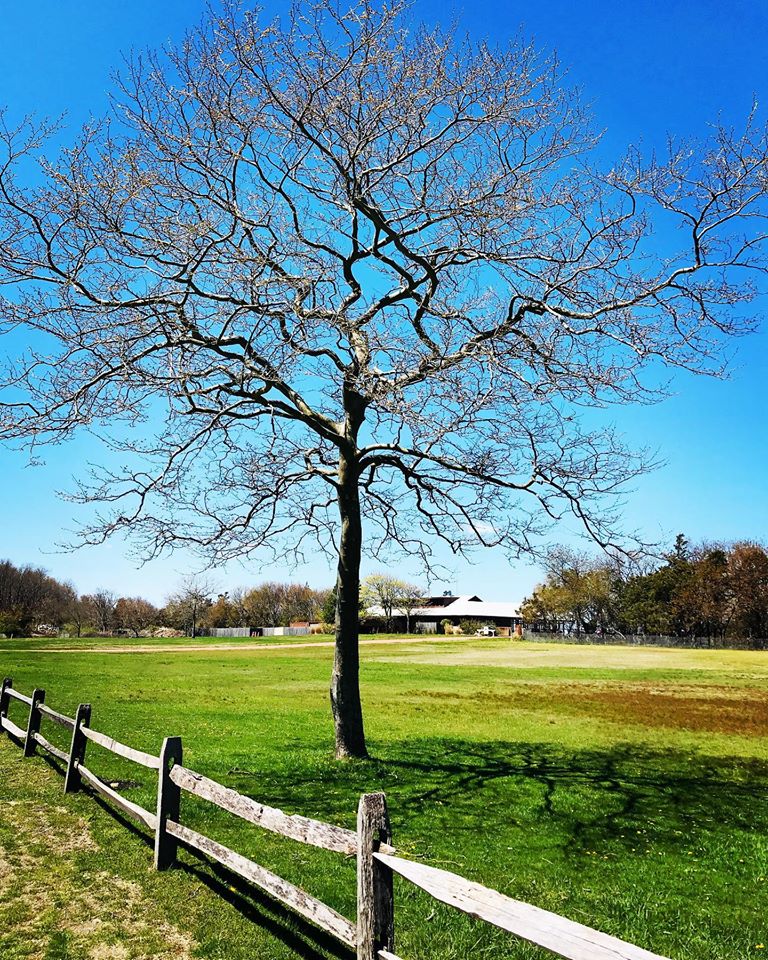
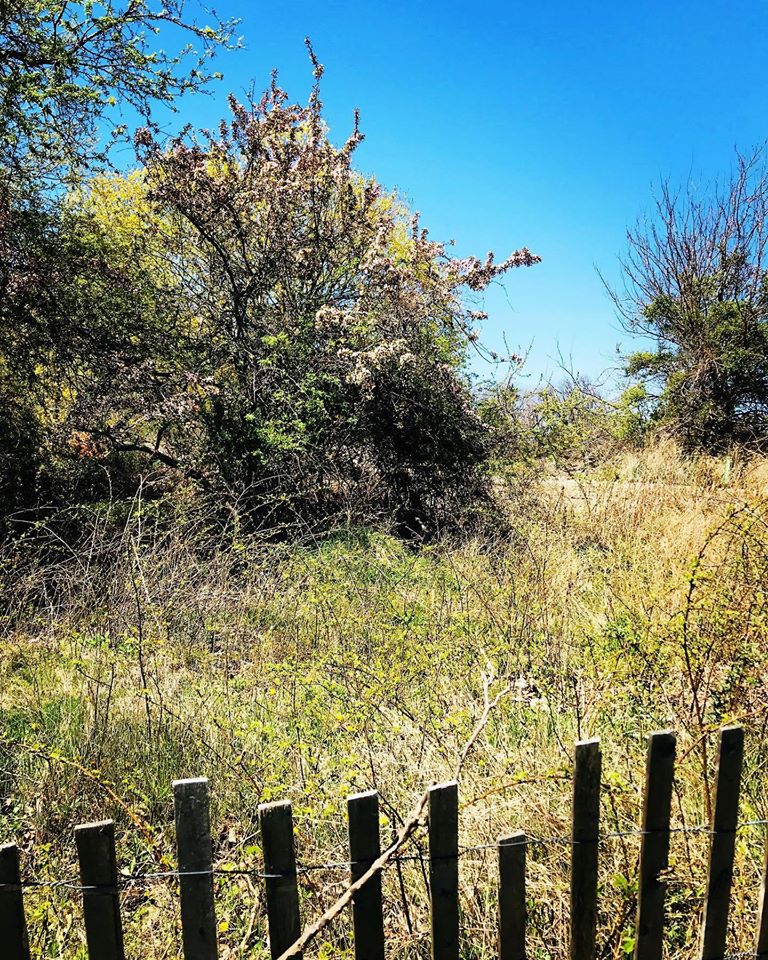
sunken meadow state park
went to #sunkenmeadowstatepark this morning. just 20 min from our place and such a wonderful beach and boardwalk! boardwalks are one of my favorite things in life, pretty much. but there were too many people there so we changed course and walked through the park. there was this broken fence in front of a fragrant bunch of wilderness and its heady scents of nascent spring took me back to my childhood in brussels, when we would wait for such a sunny day to go explore and stay outdoors for as long as we could. magic.
Ariella Aïsha Azoulay: “It is not possible to decolonize the museum without decolonizing the world”
wow. how i love this.
Sabrina Alli: Potential History is a project spanning centuries and nations, from the mass expulsion of Jews and Muslims from Spain in 1492 to Palestine today. It is a critique of and intervention in imperial knowledge production and the technologies that make it possible—museums, national archives, the discipline of history, the discourse of human rights, and the camera, which “made visible and acceptable imperial world destruction and legitimated the world’s construction on empire’s terms.” Azoulay, who, in addition to being an author, is a filmmaker and professor of modern culture and media at Brown University, expands upon a theory from her seminal book, Civil Imagination: A Political Ontology of Photography, by positioning the roots of photography in extraction and erasure.
With Potential History, Azoulay aims “to make non-imperial sense out of existing knowledge that imperialism has manipulated and relegated to different domains.” This includes reimagining everything from timelines to political sovereignty to interpretations of individual photographs.
Of course, this work is not for the imagination alone. Azoulay, who disavows her Israeli citizenship, calls for open borders and the fundamental right to migration. She argues that people whose worlds have been destroyed by centuries of imperialism have the right to live near the objects that have been plundered from their culture and now sit in the “neutralizing” space of Western-style museums. In fact, she suggests, those objects might constitute the very “documentation” the countries hosting those museums demand of migrants.
The political theorist argues that those whose worlds have been destroyed by five centuries of imperialism have the right to live near the objects that have been plundered from their culture. More here.
In Which the Ancient History I Learn Is Not My Own
Eavan Boland, leading Irish poet and champion of the female voice, dies aged 75: ‘It was her particular gift to reveal the beauty in the ordinary. Over the years, through her poetry, critical work and teaching she displayed an extraordinary ability to invoke Irish landscapes, myth and everyday experience. She became one of the pre-eminent voices in Irish literature, noted for the high standard she sought and achieved. The revealing of a hidden Ireland, in terms of what was suffered, neglected, evaded, given insufficient credit, is a part of her achievement.’
From her poem ‘In Which the Ancient History I Learn Is Not My Own’
And the waters
of the Irish Sea,
their shallow weave
and cross-grained blue-green,
had drained away
to the pale gaze
of a doll’s china eyes:
a stare without recognition or memory.
She put the tip
of the wooden
pointer on the map.
She tapped over ridges and dried-
out rivers and cities buried in
the sea and sea-scapes which
had once been land.
And came to a stop.
The Roman Empire
was the greatest
Empire ever known.
(Until our time of course.)
Remember this, children.
In those days,
the Delphic Oracle was reckoned
to be the exact centre of the earth.
Suddenly
I wanted
to stand in front of it.
I wanted to trace over
and over the weave of
my own country and read out
names I was next to forgetting.
Wicklow. Kilruddery. Dublin.
The Islamic History of Coffee
Omer Aziz: Despite the spiritual inducements to forgive during this holy month, there is an especially vicious bone I have to pick with how the subject of coffee is written about. It seems that there are new books about coffee published every year; this means essays and commentaries where the writer will surely expound at length on all subjects related to coffee— and yet will ignore the first and most essential fact about the history of everyone’s favorite beverage: that coffee was first discovered in the Islamic world, in fifteenth-century Ethiopia to be precise, and first used by Sufi Muslims in Yemen as an aid for prayer and worship.
There’s more. The institution of the coffee-house, popularly associated with the Enlightenment and Europe, was also birthed in the Islamic world, and reached its apex across all the cities of the Levant and Turkey long before it migrated to Europe.
If this is news to you, do not be frightened: I was right there, only two years ago, drunk off coffee and Eurocentric history. More here.
Rural Matters — Coronavirus and the Navajo Nation
Heather Kovich: The national media reports on the severity of the Navajo Nation outbreak and hits the usual notes of poverty, isolation, and lack of running water. These reports are factually accurate: the virus penetrated towns that utility companies have never managed to reach. But I yearn for stories that mention the diversity of talent and experience here, the resourcefulness. Outsiders seem surprised that the rural landscape hasn’t protected us. I don’t think the Navajo are surprised. From smallpox to H1N1 influenza, infections from the outside have always found their way here. It’s just infrastructure that hasn’t. It’s not news.
[…] In our small hospital, the leadership and Incident Command are not faceless administrators. The people making the Covid policies are the same people donning PPE and taking care of patients. They order hand sanitizer for the hospital and two liters of oxygen for their patients. They are exhausted. Our bureaucracy has never been nimble. It still takes far too many signatures to purchase a pallet of nitrile gloves, but we are masters of the work-around, the get-it-done approach. It’s the only way to handle an epidemic in which everything changes by the hour.
This practicality is inspired by our community. Like our patients, we manage each day with the resources we have. Many of our staff — secretaries, doctors, therapists, nurses — are locals. Some balance their day jobs with ranching, farming, and making art. On my first day in the Fever Clinic, my colleagues show me how to doff my gown into the correct garbage bin, and in between patients they discuss how to call a coyote (there’s a device) and how to get a stubborn bull away from your house (a bucket of food). Many people know how to fix cars, cut hair, and buy a month’s worth of shelf-stable groceries on a budget. So it’s no surprise that my boss, the best doctor I know, offers to draw blood if we’re short-staffed. She’s reorganized our entire outpatient clinic and is setting up emergency housing, but apparently she also used to be a phlebotomist. More here.
‘sorrows’ by lucille clifton
this poem is linguistic lacework. thank u for posting Chen Chen.
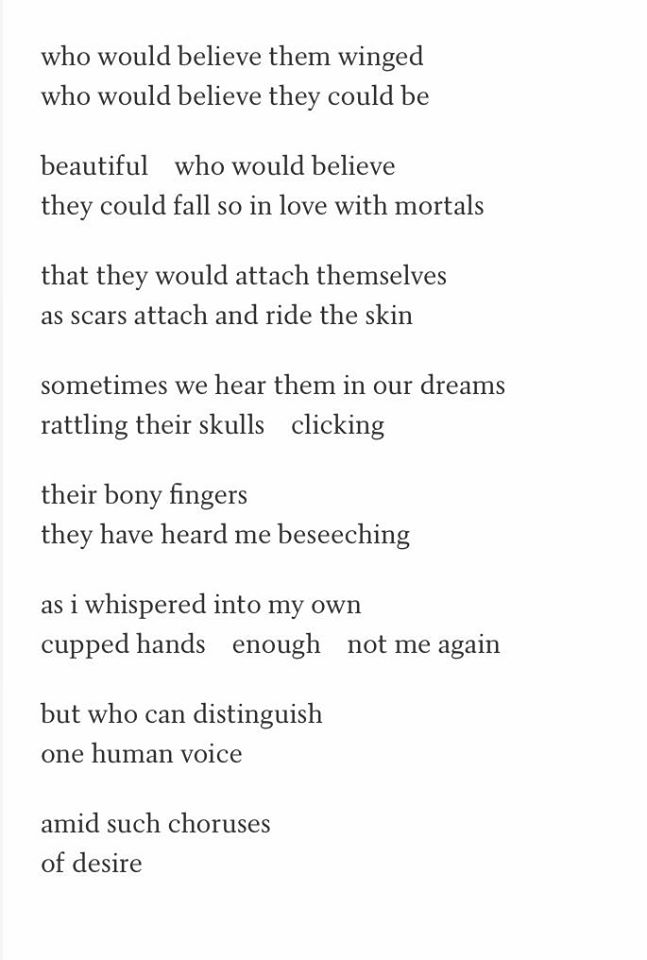
hudson river park
in #nyc to drop off our son at his apartment. sad empty streets everywhere but walking and biking are fire and spring is here. #chelseamarket #hudsonriverpark #newyork
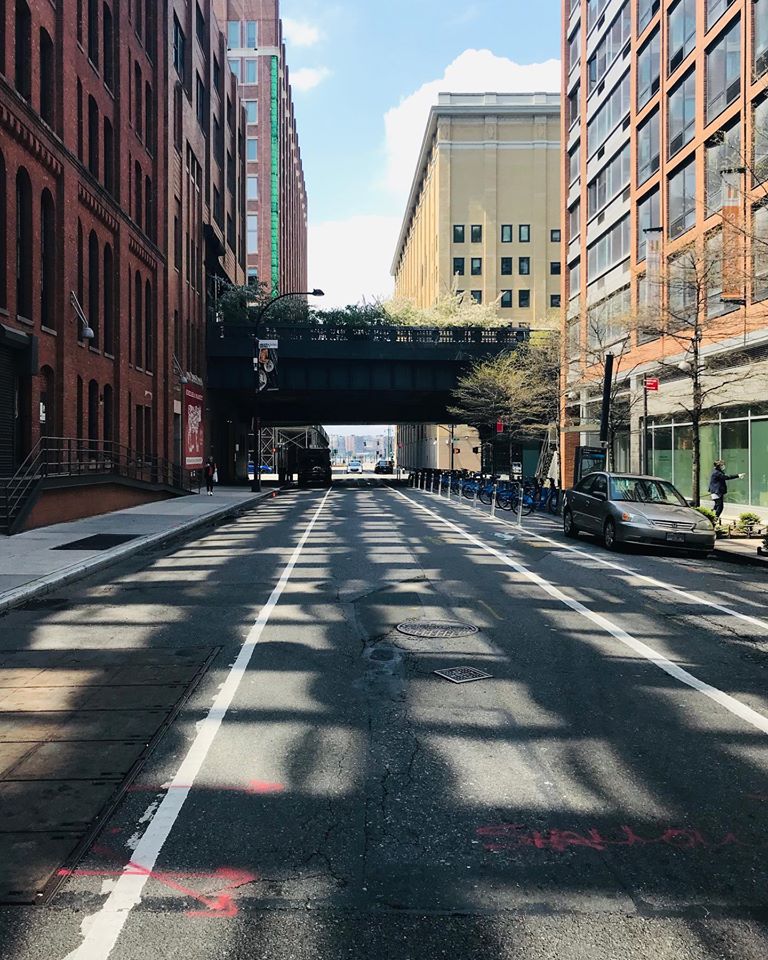
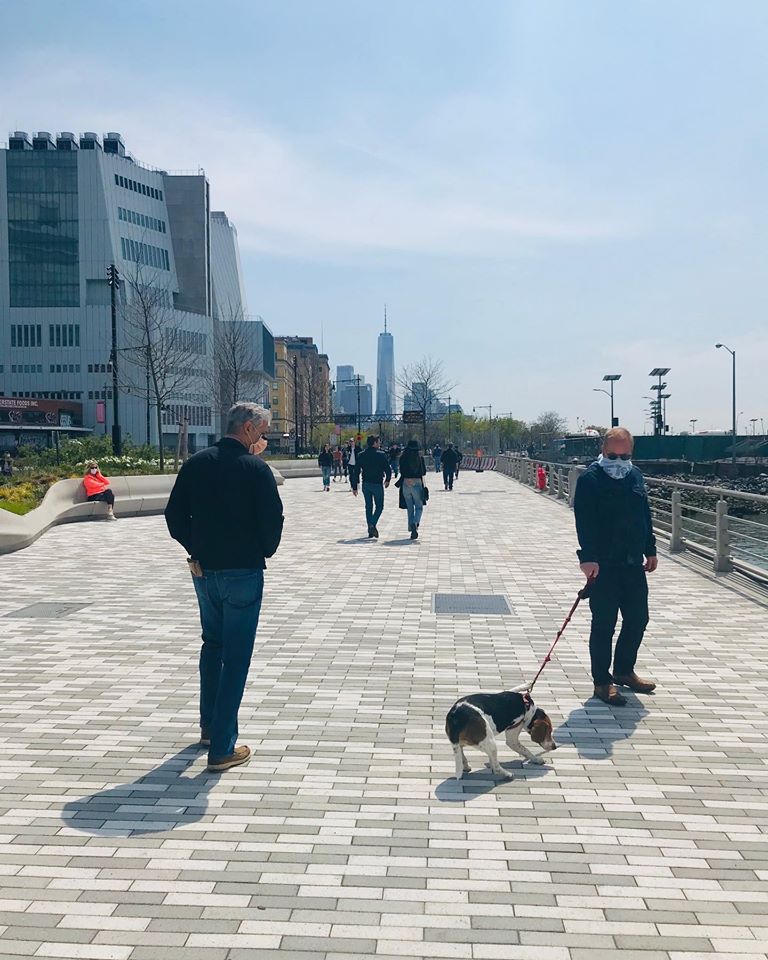
no sun so far
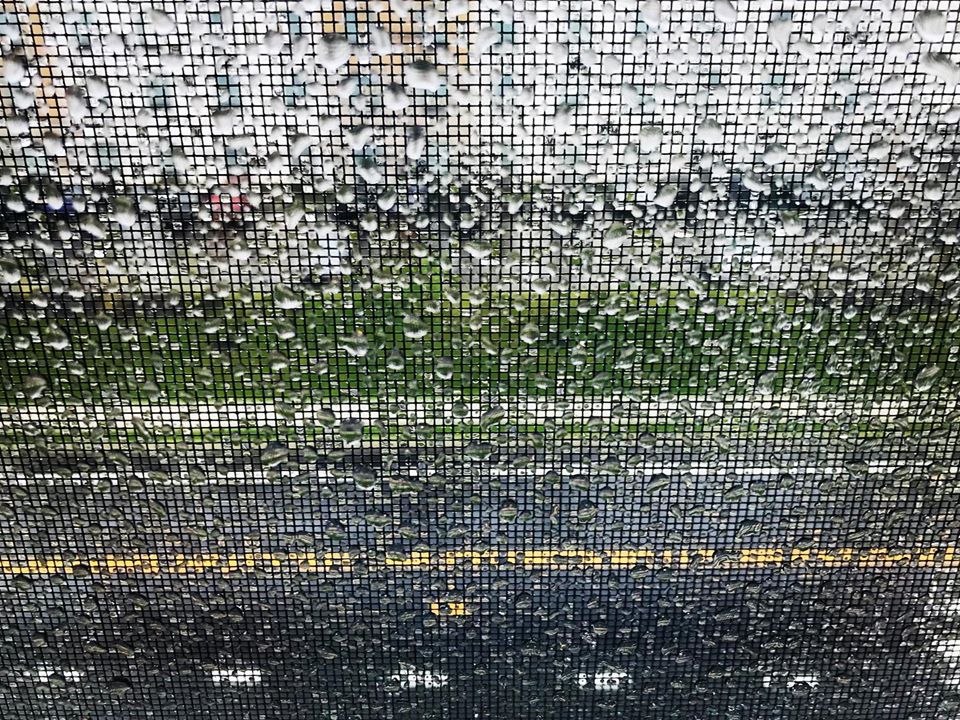
u figure one of the good things about moving from #rochester to #longisland is that u will have more sunny days per year. and then this every other day 🙁
unorthodox – my review
everyone’s been talking about netflix’s ‘unorthodox.’ i watched the mini series recently and i agree, it’s well written, well acted, well produced. it certainly grabs u from the get-go and keeps u interested all the way through.
there are some unsettling scenes and cringeworthy situations, but there are also moments that move and inspire, in particular the protagonist’s love of music and her need to express that dizzying sense of emotive freedom. it’s always satisfying to see a woman come into her own anyway. i get all that.
but as a muslim, who’s used to the west’s obsessive depictions of muslim women escaping their oppression, i am sensitive to certain tropes that others might not recognize.
i could easily imagine a similar netflix series (and there might be a dozen or more already) involving a muslim woman breaking away from her exotic/bizarre (not legible to western audiences), patriarchal/religious, sensational/shocking milieu, and the collective sigh of relief and exhilaration that it would produce in western viewers, along with plenty of self-righteous indignation.
for the women in question, whose stories are being shared, their journeys are arduous, hopeful, and steeped in unquestionable power. no doubt about it.
however, i cannot help but note the self-congratulatory, give yourself a pat on the back framing of this genre of drama.
the politics are never too subtle and sit so well, so cozily, with representations of the ‘sacred space’ occupied by first-world democracies, the ones with a superior, universal, liberal culture that loves progress, gay people and women.
‘unorthodox’ hit so many of those typical binaries that are supposed to help us differentiate between what’s civilized and what’s not.
eating pork is esty’s first discovery of the west’s attractive irreverence. it reminded me of an article i read recently about la fete du cochon in france which is used to celebrate french traditions and seen as pushback against muslim immigration. just to illustrate how bacon symbolizes western enlightenment.
i think perhaps esty ended up drinking alcohol as well which is also read as a mark of emancipation.
the club scene is a typical portrayal of a repressed character from a backward culture, uninitiated in the mind-bending freedom of drugs and collective grinding, who learns to finally relax and concludes the night with an empowering sexual encounter.
esty is becoming ‘liberated’ before our eyes, checking off each box on the white feminist checklist of things to do, in order to go from object (baby-making machine) to free agent with tons of individual freedom.
i’m not criticizing any of these actions in and of themselves (eating pork, drinking alcohol, clubbing or casual sex). women are allowed to make these decisions in whichever way they deem fit. but when they’re combined into a stereotypical, white feminist manifesto, i have to mention how recognizable it is, to us the ‘other’ people whose cultures are constantly measured against this very specific and predictable criteria.
just some thoughts:)
working out again

getting back into working out w Julie Zobel. first workout today after our move. we used a small space in my bedroom but wow, do i feel energized!
‘Dearborn Girl’ Explores the Intersection of Being Muslim and Feminist
a podcast i’d love to check out.
Rima Fadallah: Yasmeen and I talk about this a lot and I’m just going to go ahead and call out that when we talk about mainstream feminism we’re talking about white feminism. I didn’t understand intersectionality until I went to school away from Dearborn and I heard what a lot of the conversations were like in women’s spaces, specifically white-dominated women’s spaces. I think one of the biggest things that’s frustrating me right now is that we don’t accept differences in values. Mainstream feminism tries to push an agenda of liberalism that looks and sounds and acts a certain way. I remember in college I heard a comment from a girl that I’ll never forget. She said, “If you abstain from sex, you’re basically oppressed and you’re internalizing your own oppression.” I’m not saying that’s all white feminism stands for, but there’s this perception of the Arab or Muslim woman who wants to be more modest as oppressed or part of a male-dominated space. More here.
Amilcar Cabral’s revolutionary anti-colonialist ideas
this is a good introduction to amilcar cabral’s ideas on culture and resistance. a few keys points for me:
–capitalism depends critically on dehumanizing the colonial subject and central to this process is the need to destroy, modify or recast the culture of the colonized.
–the history of liberalism is one of contestation between the cultures of the ‘sacred’ and ‘profane’ spaces: the democracy of the sacred space (facilitated by the enlightenment) is a democracy of the white master-race that refuses to allow blacks, indigenous peoples, or even white women, into that space, and then there is the profane space occupied by the less-than-human/colonized/other.
–colonialism maintained its power through attempts to eradicate the cultures of the colonial subject. the process of dehumanization required a systematic and institutionalized attempt to destroy existing cultures, languages, histories and capacities to produce, organize, tell stories, invent, love, make music, sing songs, make poetry, and create art.
–in the same way, neocolonial regimes have attempted to disarticulate culture from politics. yet culture is not static and unchangeable. it advances only through engagement in the struggle for freedom. otherwise it becomes a caricature of some imagined past comprised of customs and traditions, it becomes fodder for tourists’ imaginations.
–after independence, neocolonial regimes arose out of the defeat or attrition of mass movements, and gradually resulted in the demise of the struggles for emancipatory freedoms in africa and other parts of the colonized world. this is because the newly emerging middle class saw its task as one of preventing ‘centrifugal forces’ from competing for political power or seeking greater autonomy from the newly formed ‘nation’. the new controllers of the state machinery saw their role as the ‘sole developer’ and ‘sole unifier’ of society.
–‘development’ became a priority. impoverishment was seen not as a consequence of colonial domination and the continued extraction of super-profits, but rather as a ‘natural’ conditions of africa. the solution to poverty was seen as a technical one, supported by ‘aid’ from the very colonial powers that had enriched themselves at the expense of the colonized masses.
–in effect, after independence, the repressive arms of the state remained intact. the police, armed forces, judiciary, and civil service, were designed to protect the interests of capital and of the colonial powers and continued to do so. the only thing that changed was the administrator’s skin color.
–the idea of the nation, disconnected from ideas of liberation, gradually gave way to the politics of identity, tribe and ethnicity, and so we see genocides, ethnic conflicts, violence against minorities, and xenophobia post-independence. neoliberalism has exacerbated this depoliticization of culture.
–as colonized people, we need to reverse this process by ‘returning to history’ – seeing ourselves as being part of a global humanity – and achieve liberation by understanding culture not as folklore but as a ‘collective thought process of a people to describe, justify, and extol the actions whereby they have joined forces and remain strong.’
more here.
lemonade out of lemons
yesterday we were trying to thaw some chicken and i didn’t change the setting to ‘defrost’ on the microwave, so it got pretty cooked. my husband wanted to throw it. as usual, i wanted to salvage it. i added some yogurt, salt and pepper and tried to cook in a bit of oil but the chicken fell apart. what could i do with a bunch of shredded chicken? i added some grapes, an apple, toasted walnuts, mayo and honey mustard, scooped it on top of brioche bread and voila, delicious chicken waldorf sandwiches #quarantinelife