
Wendy Shaw (Ph.D. UCLA, 1999) is Professor of the Art History of Islamic cultures at the Free University Berlin. Her work focuses on the impact of coloniality on art-related institutions, modern art and pre-modern discourses of perception, with emphasis on the Ottoman Empire and regions of Islamic hegemony.
Watch Wendy Shaw’s 30-min lecture for Noqtah, an Instagram Live Series organized by AMCA (Association for Modern + Contemporary Art of the Arab World, Iran + Turkey) here. It was originally posted on Oct 26, 2020.
Author: mara.ahmed
Edward Said on exceptionalism
The Warp & Weft Archive Palestine
Dear friends, the Warp & Weft audio archive came together as a way to connect people from across the world during a global pandemic which caused untold loss and grief. It is an ongoing project that allows diverse people (separated by arbitrary yet brutal political borders) to share their stories and feel a sense of collective power.
Today we launch the next phase of this project. In the midst of the gruesome genocide we are witnessing in Gaza, people from around the world are welcome to join us in reading, holding up, and sharing the voices and stories of Palestinian writers, poets, and activists. This is an open archive, so contact us if you would like to contribute a reading and pls follow us @WarpAndWeftArchive
We start with Fatima Mohammadi (Kansas City, Missouri) reading Fadwa Tuqan (1917-2003), a Palestinian poet and memoirist known for her representations of resistance to Israeli occupation in contemporary Arab poetry. Fatima began with: “I acknowledge that I occupy the land belonging to the great Lakota, Nakota and Dakota, Kaw and Kickapoo nations, in a country built by the labor of enslaved and disenfranchised people.”
Listen to EXISTENCE by Fadwa Tuqan on Instagram @warpandweftarchive
My work published in @phototrouveemagazine
My artwork was selected for inclusion in this wonderful print and digital magazine which highlights the intersection of collage and photography – v much like my own work
Warp & Weft by Shadab Zeest Hashmi,
Friends, as you know, The Warp & Weft archive of multilingual audio stories from across the world is an ongoing project.
Today I am honored to share a new poem by Shadab Zeest Hashmi, a Pakistani American poet and essayist whose work has been published worldwide. Recently, she spoke about Sufi archetypes at the London Arts-based Research Institute/AIJS online conference “Emergence of Soul: Jung and Islam.”
In her beautiful new poem, “Warp and Weft,” Shadab writes:
Limits are to be kissed. The warbler marks its territory with song/ And a country of sweet echoes is born, a mythos of whistle, rasp, chirp/ Ours is a song of the loom, with the warp and weft of old country/ and new.
Please listen here.
Later this week the Warp & Weft will begin its series on Palestinian writers and poets, so pls stay tuned.
‘life and times of michael k’ in brooklyn
thank u for all the lovely birthday wishes, friends, and thank u for the powerful prayers for palestinian liberation. my one birthday wish this year.
i spent some time with my daughter in nyc yesterday and saw a play based on a book by j. m. coetzee, ‘life and times of michael k,’ in brooklyn. his work is grim and heartbreaking but also full of humanity. my eyes welled up many times over the course of the play because it depicts the horrors of war — something we are witnessing daily on our phones and sceeens.
this afternoon i met my son in midtown before taking the LIRR back home to long island. didn’t do anything else today to respect the global strike for gaza. may the mayhem end. may people have a chance to mourn what they have lost and begin to rebuild their lives. ameen.

my birthday tomorrow
dear friends, it’s my birthday tomorrow. there is no reason to celebrate in the midst of a genocide, but if u think of me tomorrow could i urge u to make a donation to MECA (some food trucks are still entering gaza) and to palestine legal.
we are fighting two battles simultaneously: 1) the battle for an immediate permanent ceasefire and critical humanitarian support for people in gaza, and 2) the protection of speech on justice in palestine and legal help for those who are the most vulnerable in our society (palestinians, arabs, muslims, people of color, immigrants, refugees, students, those facing job insecurity and economic precarity, etc).
this is the time to come together and take action. solidarity is safety.
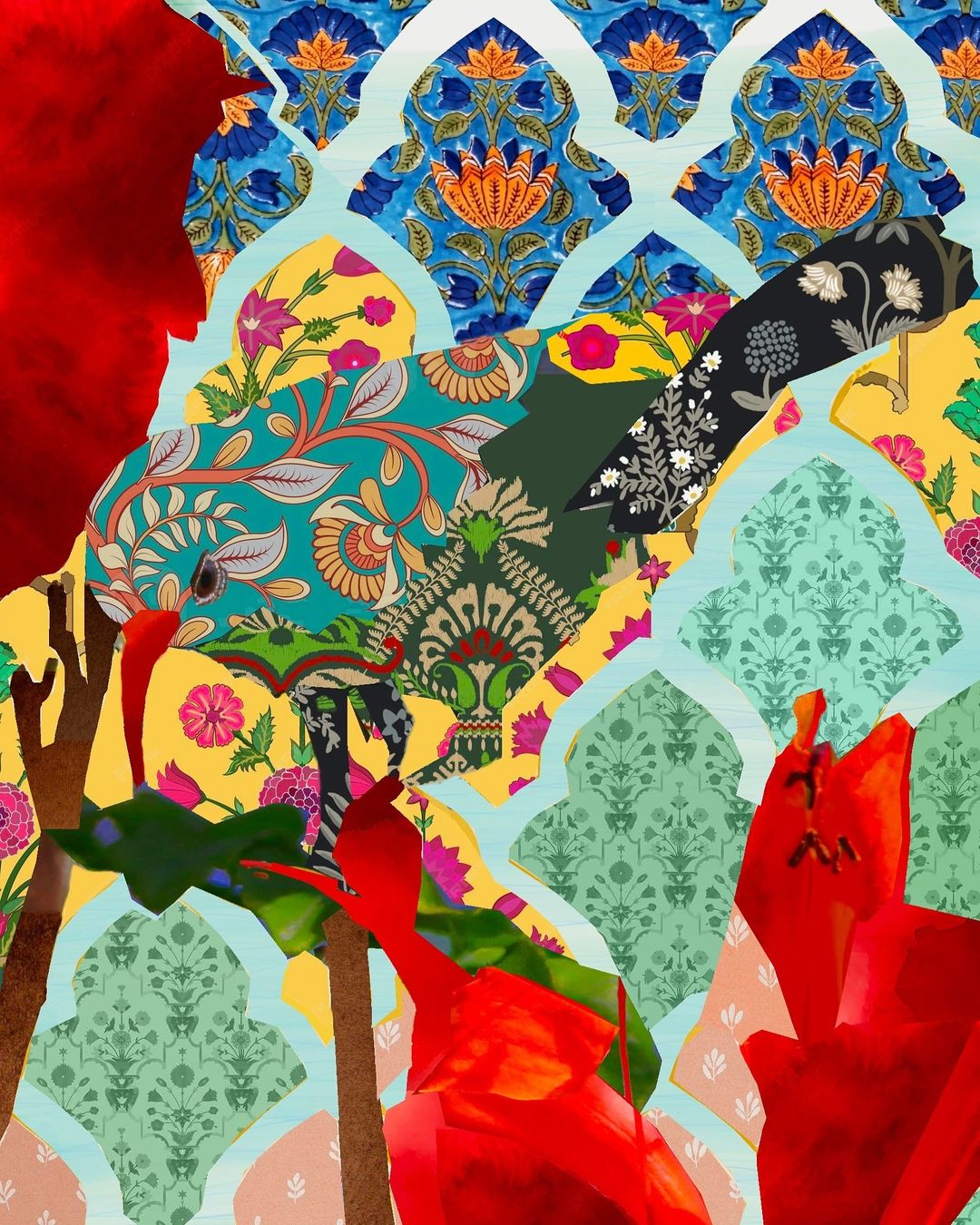
Artwork for fundraiser
I created this piece for Global Feminists for Palestine’s first solidarity event on Dec 1st at @aaww_nyc in which they read poetry and sold artwork with all the money going to Palestine Legal, a crucial organization doing crucial work at this brutal, agonizing time.
@globalfeministsforpalestine will be doing more such events. Pls connect with them and support Palestine Legal.
My artwork’s title is Palestine Sunbird 1. It is a digital collage constructed with South Asian textiles as an expression of solidarity and a recognition of parallel colonial histories.
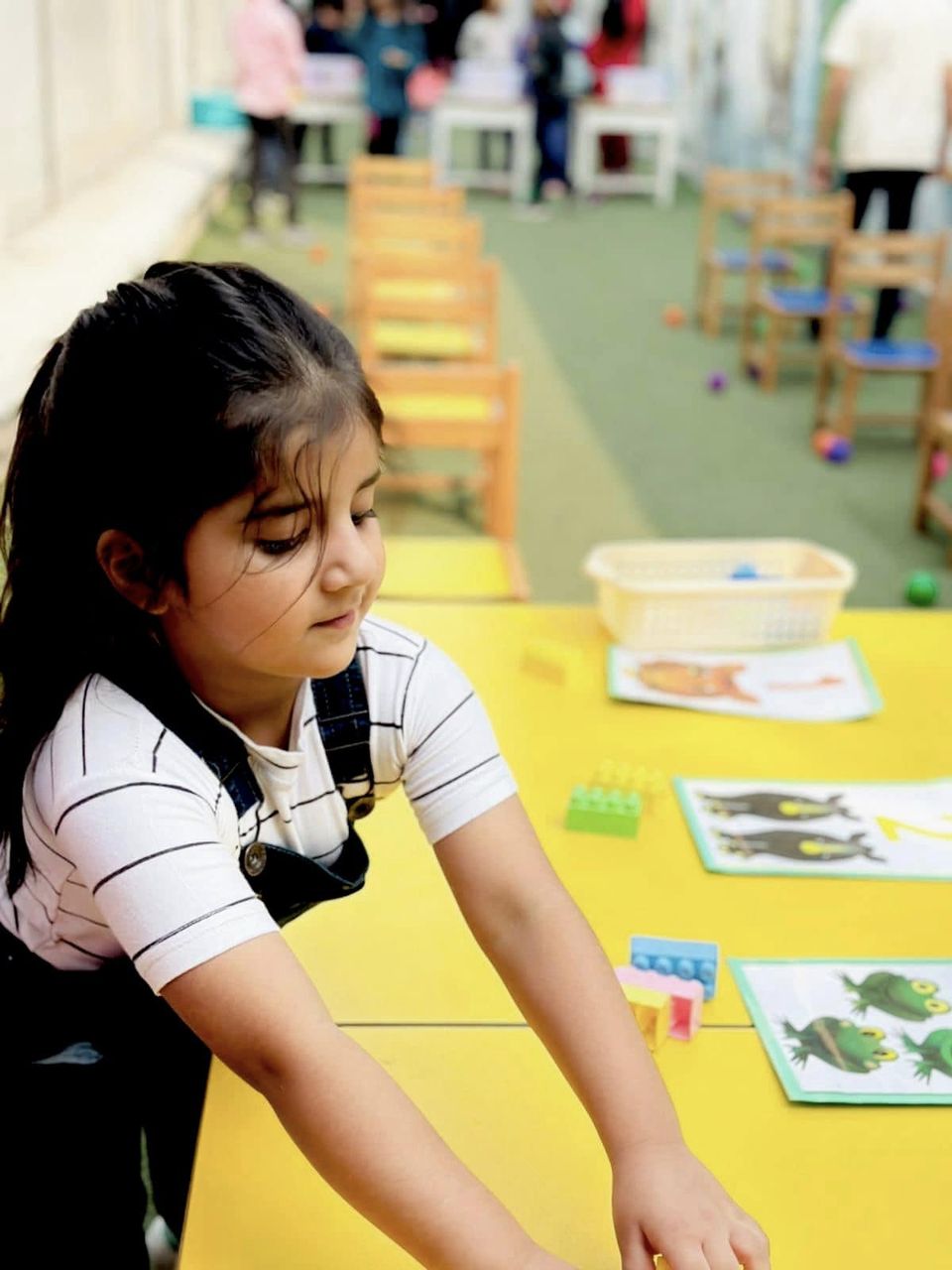
Support Broadwood Central School
I have known Ali Sajjad since he was a student in college and am proud of the crucial work he is doing for children’s education. This is the kind of investment in young people that we should all support. Pls consider making a tax deductible donation.
In Faisalabad, the historical city of Lyallpur, a team of socially conscious educators run a school that provides the kind of education we often dream of: meeting local and global needs while being holistic, building critical thinking, teaching science, mathematics, languages and technology, including music and the performing arts in the curriculum, and encouraging extracurricular activities (from sports to debates). It’s a school that focuses on inclusivity, social justice, and democracy as core values both in its student body and its staff.
Broadwood Central School is a testament to what Pakistan’s future can be. On account of its egalitarian/inclusive mission and the scholarships it provides to a large number of students, the school needs support to continue its work in the Faisalabad community. Please invest in the school and its students by making a tax deductible donation here.
More info at www.broadwoodcentral.edu.pk
Grateful for community discussions
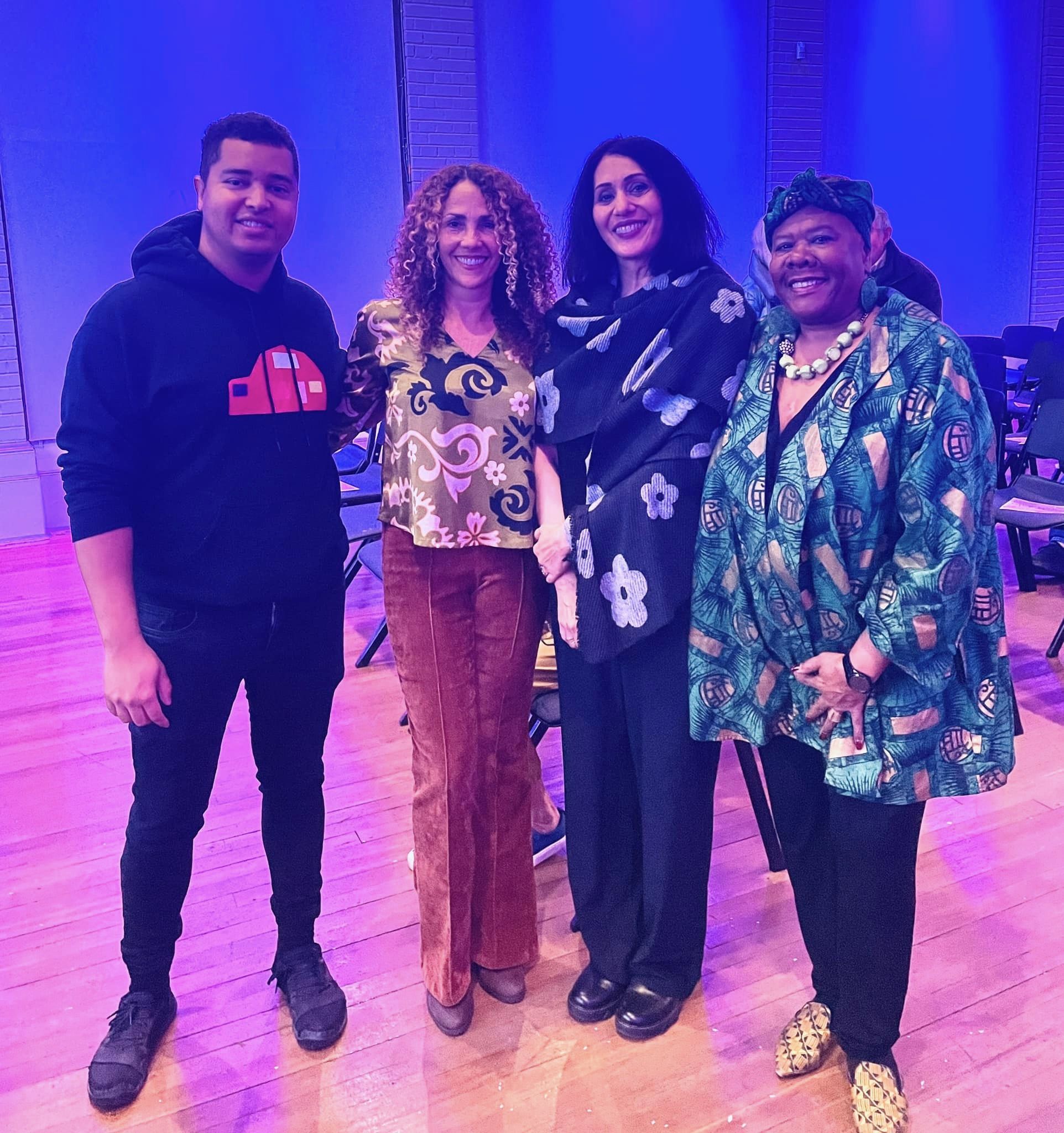
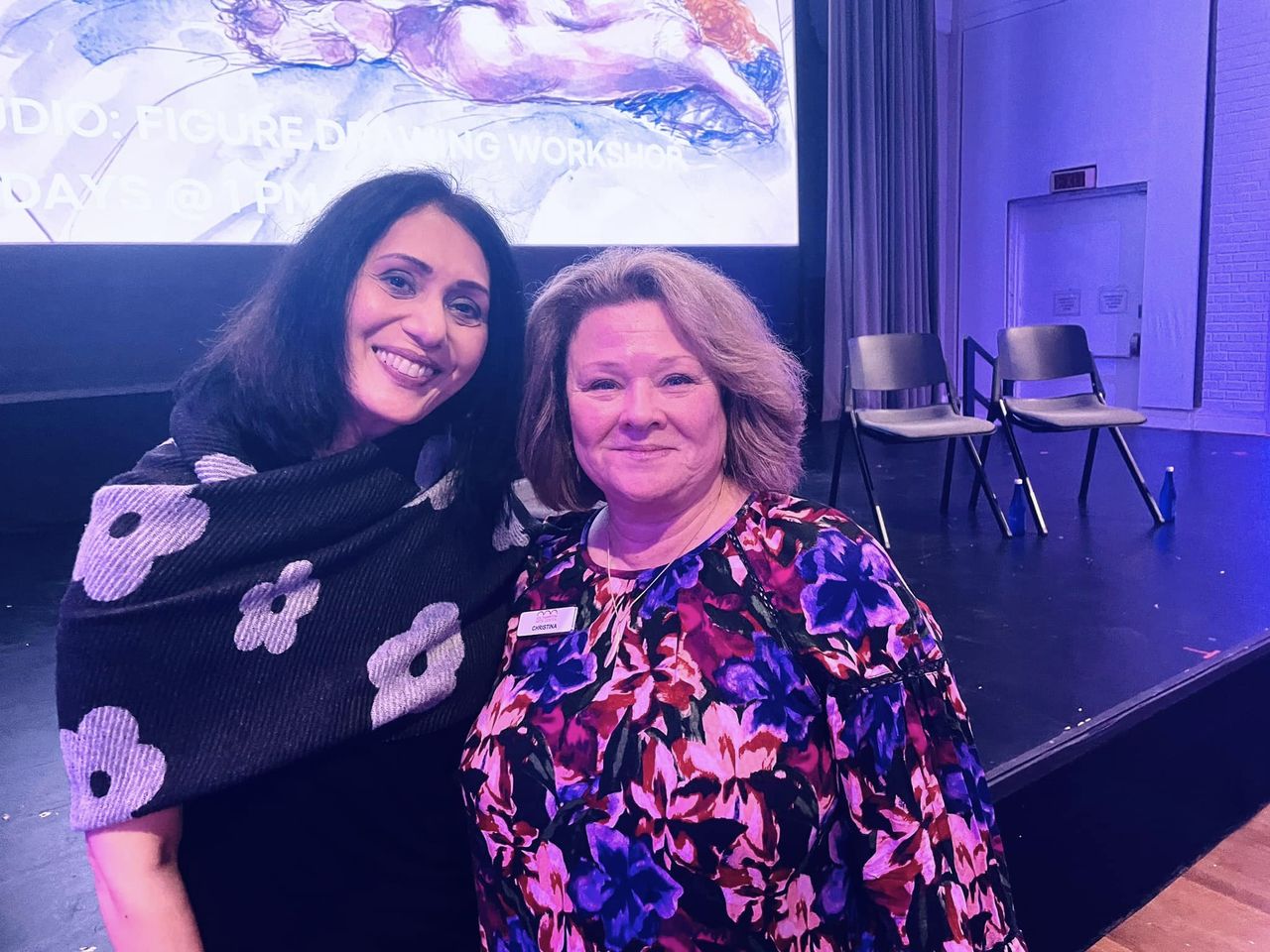
So grateful for these beautiful people, their work, and their voices. Thank you Jeremy Dennis, Minerva Perez and Brenda Simmons for the important conversation we had today after the screening of ‘Return to Sender: Women of Color in Colonial Postcards & the Politics of Representation’ at @southamptonartscenter. Thank you Christina Strassfield and her team at SAC for all their work and support. We need more such conversations on Long Island followed by a lot more action.
Interview on Long Island’s NPR radio station
Spoke with Gianna Volpe this morning about decolonizing knowledge and media representations of those who are stereotyped and marginalized – POCs, people from the Global South, women, and other oppressed communities.
This was for her show Friday Morning Tea on Long Island’s NPR radio station WLIW. Hope to share a recording soon. Pls listen here.
Our conversation was about the screening and discussion coming up at Southampton Arts Center of ‘Return to Sender: Women of Color in Colonial Postcards & the Politics of Representation.’
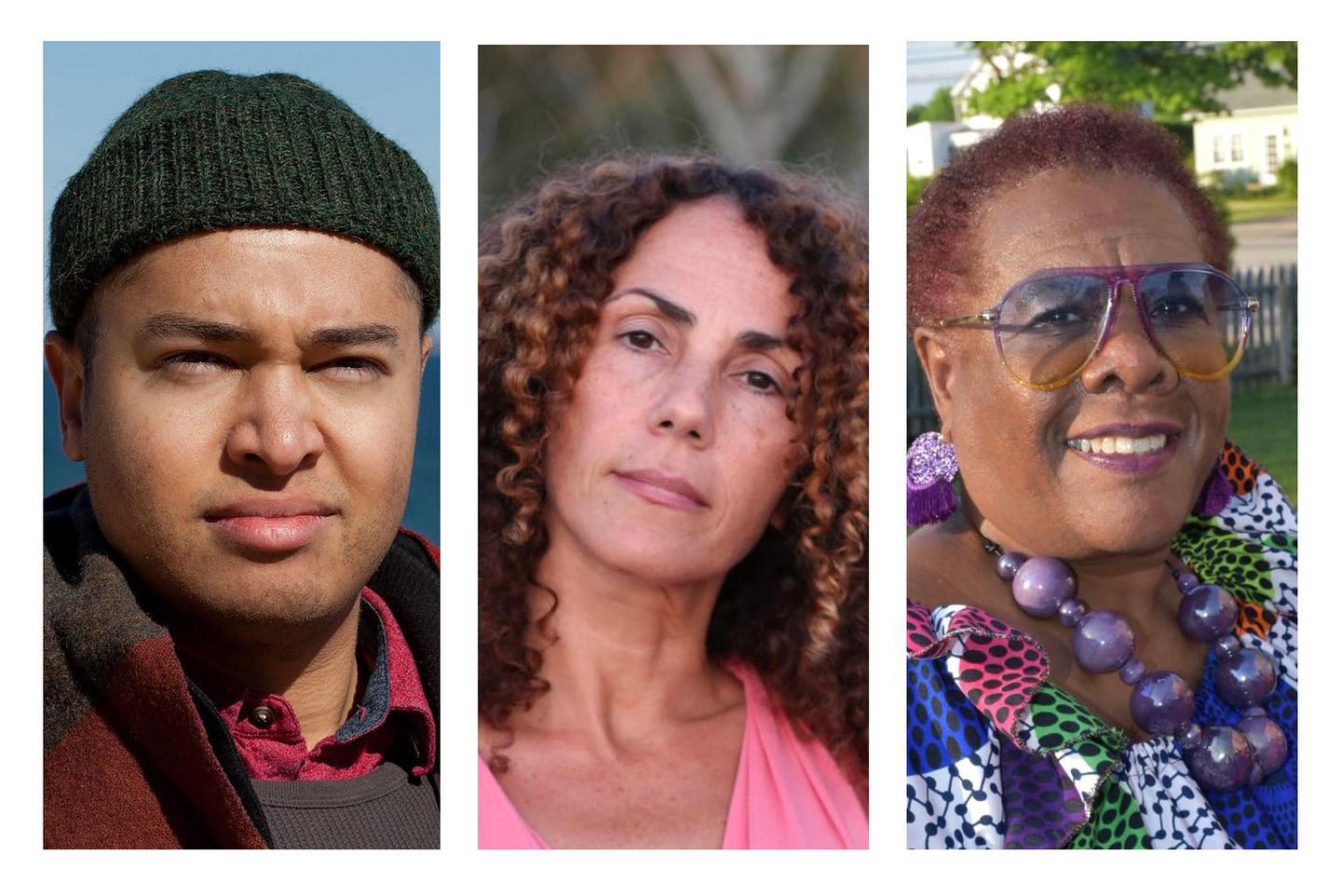
After the film, I will be honored to be in conversation with Jeremy Dennis (Fine art photographer, Lead Artist & President of Ma’s House & BIPOC Art Studio), Minerva Perez (Executive Director of Organizacion Latino-Americana of Eastern Long Island), and Brenda Simmons (Executive Director and Founder of Southampton African American Museum).
This is a free event! Pls register SouthamptonArtsCenter.org
Hope to see you soon!
Panelists for Southampton Screening
What the horrors of the world reiterate over and over again is that solidarity is safety, unity is strength, and that we the people can demonstrate more courage and compassion than those who rule over us.
Proud to collaborate with Jeremy Dennis (indigenous artist and photographer and Lead Artist & President of Ma’s House & BIPOC Art Studio), Minerva Perez (Executive Director of Organizacion Latino-Americana of Eastern Long Island), and Brenda Simmons (Executive Director and Founder of Southampton African American Museum).
We will be discussing the power of representation and the mechanics of othering, among many other things. Pls join us for a screening and discussion.
‘Return to Sender: Women of Color in Colonial Postcards & the Politics of Representation’ is coming to Southampton Arts Center on Sun Nov 19 at 2pm. This event is free but pls register at SouthamptonArtsCenter.org
Return to Sender at Southampton Arts Center
Please join us for a screening of my new film, Return to Sender: Women of Color in Colonial Postcards & the Politics of Representation:
Southampton Arts Center (25 Jobs Lane, Southampton, NY 11968)
Sunday November 19th, 2:00-4:00 pm.
The film delves into colonial representations of people of color (especially women) and discusses Eurocentric beauty standards and imperial narratives, stereotypes and the process of othering, and the complexities of identity and belonging.
The screening will be followed by a community discussion led by Jeremy Dennis (Fine art photographer, Lead Artist & President of Ma’s House & BIPOC Art Studio), Minerva Perez (Executive Director of Organizacion Latino-Americana of Eastern Long Island), and Brenda Simmons (Executive Director and Founder of Southampton African American Museum).
This event is free and open to the public, but registration is needed. Please register at SouthamptonArtsCenter.org.
Let’s decolonize now. Hope to see you then!

meeting of creatives in nyc
last night i attended a meeting in nyc with an auditorium full of artists and culture workers in order to figure out how to use our art/voices to resist, decry, and end the genocide of our palestinian family. the fight will be long as we want nothing less than complete, unequivocal palestinian liberation. there are ways of staying in the fight.
FREE PALESTINE. STOP THE GENOCIDE
Repost from an.duplan:
for obvious reasons, it’s hard to sustain attention on something so traumatizing as genocide––not to mention the unsurprising (but still devastating) indifference of the US government to people and governments all around the world calling for ceasefire. (i don’t think in my lifetime i have witnessed such global coordination as i am seeing now.) here’s hoping that we––those who have the profound privilege of witnessing this atrocity from the outside––can stay plugged in. we clearly have influence, though not control, over what happens next. please keep going
To maintain our standard of living
In Scorsese’s film ‘Killers of the Flower Moon,’ a strong connection is made between the terror and murder faced by indigenous Osage people (with access to oil money since the early 1900s) and the Tulsa race massacre in 1921 which annihilated Black Wall Street and its wealth.
I want to take these connections further and compare Tulsa to Gaza. Images of the violence enacted on both cities speak for themselves (the first three are from the Tulsa massacre and the last three from the ongoing genocide in Gaza).
There is immense, unbearable loss of life in Gaza right now (more than 5,000 dead, half of them children). There is also an imperial destruction of all fundamental aspects of human life – social, political and cultural structures, housing, commerce, employment, transportation, familial and community networks, etc. This razing of the infrastructure of life, as we understand it, also happened in Tulsa, Oklahoma, and in countless Native villages all across America.
The destruction of human (and non-human) habitats and ecology seems central to capitalism. Large swathes of humanity must be forcefully locked in ghettos of precarity and poverty in order for a small percentage of white elite (and their stooges) to enjoy unseemly wealth and privilege.
Black poet and activist Pat Parker understood this. In ‘Revolution – It’s Not Neat or Pretty or Quick,’ she wrote:
“The rest of the world is being exploited in order to maintain our standard of living. We who are five percent of the world’s population use 40 percent of the world’s oil. As anti-imperialists we must be prepared to destroy all imperialist governments; and we must realize that by doing this we will drastically alter the standard of living that we now enjoy.
…The equation is being laid out in front of us. Good American equals Support Imperialism and war. To this, I must declare—I am not a good American. I do not wish to have the world colonized, bombarded and plundered in order to eat steak.”
When we stand in solidarity with Palestine and other peoples and places being crushed by imperial greed and its technologies of extermination and containment, this is something we must consider.
Thank you Clarissa Brooks for reminding me of these powerful lines during a discussion on ‘Black Feminist Writers and Palestine’ organized by Black Women Radicals.