The Injured Body: Film Premiere on Nov 14th


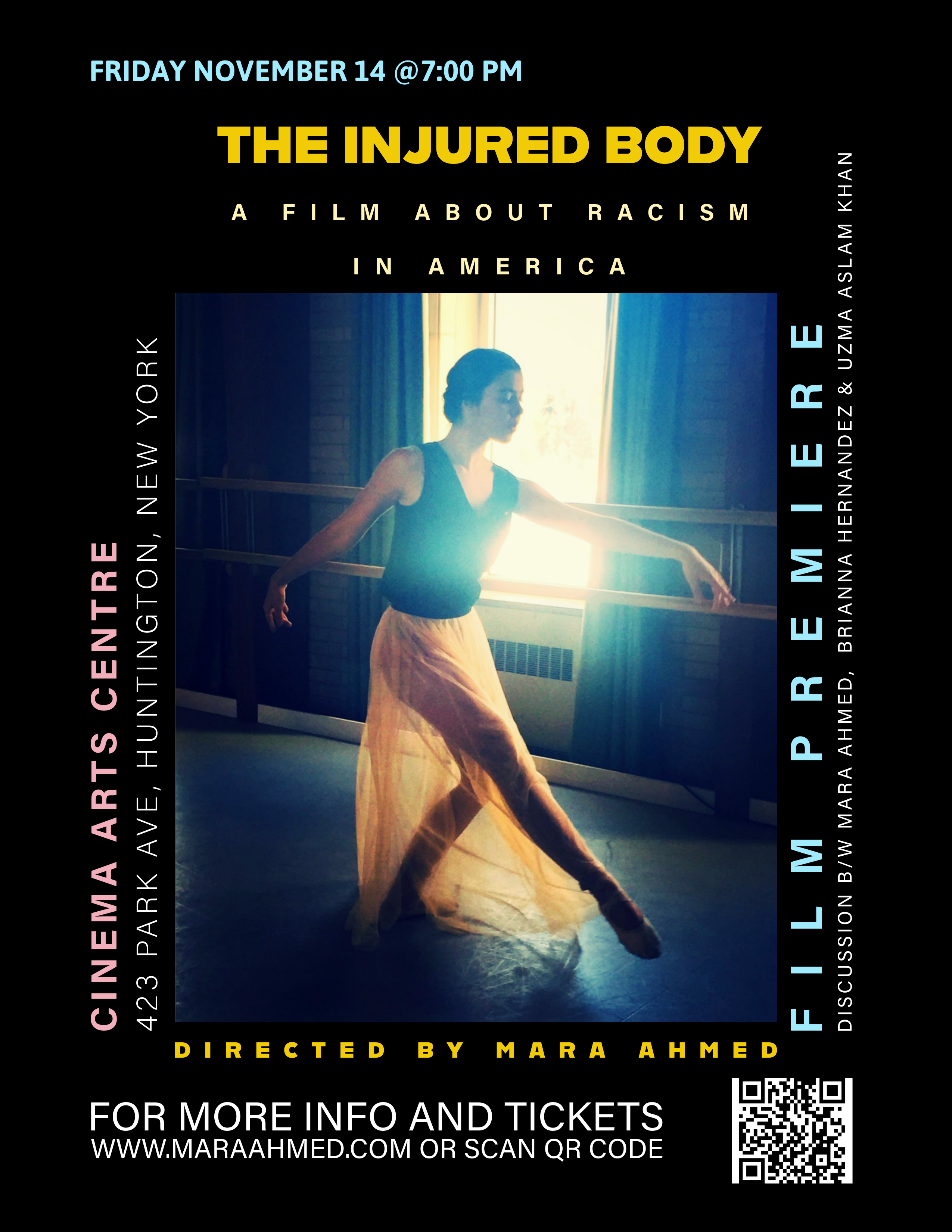
THE INJURED BODY: A FILM ABOUT RACISM IN AMERICA
World Premiere on Friday, November 14th 7:00 PM
$16 Public | $12 Members & Seniors | $10 Students with ID
Featuring a post-film panel discussion with director Mara Ahmed, artist & curator Brianna L. Hernández, and world-renowned writer Uzma Aslam Khan

Buy Tickets Here

The Injured Body is a film about racism, resilience, and radical Imagination

It asks the question: how do we carry the weight of racism in our bodies, what does it mean for our mental and physical health, and how can we begin to heal?

It’s a visually striking and emotionally resonant documentary that delves into the everyday realities of racial microaggressions through candid conversations with 16 women of color. Inspired by Claudia Rankine’s groundbreaking book Citizen: An American Lyric, the film explores the complex intersections of race, gender, and identity in today’s America.

Shot across the changing seasons of Upstate New York, The Injured Body features mesmerizing dance sequences primarily choreographed by Mariko Yamada. From vibrant costumes to a dynamic musical score, every element of the film invites the viewer into a rich sensory experience.

The Injured Body is a call to imagine a world beyond racism and to believe in the possibility of collective healing.

Join us for this much awaited film premiere followed by a thought-provoking discussion.

This project is partly funded by a grant from the Josephine and Paul Wenger Fund for Peace Through International Understanding and fiscally sponsored by New York Women in Film & Television. 

Mara Ahmed (Director) 
Best known for her non-linear multimedia work, filmmaker Mara Ahmed produces documentaries, soundscapes, and artwork that trespass political borders and challenge colonial logics. Mara was born in Lahore and educated in Belgium, Pakistan, and the US. Her practice reflects these displacements and multiplicities. She has directed and produced 5 films, including The Muslims I Know (2008), Pakistan One on One (2011), A Thin Wall (2015), and Return to Sender (2023) which was funded by a NYSCA grant. Her films have been broadcast on PBS and screened at international film festivals. Her websites are NeelumFilms.com and MaraAhmedStudio.com

Brianna L. Hernández (Panelist)
Brianna is a Chicana artist, curator, educator, and death doula creating multi-media installations focused on end-of-life care, grief, and mourning rituals. She is Director of Curation and Board Secretary of Ma’s House & BIPOC Art Studio on the Shinnecock Indian Reservation.

Uzma Aslam Khan (Panelist) 
Uzma Aslam Khan is a prize-winning writer published worldwide in 18 languages. Her most recent novel, The Miraculous True History of Nomi Ali, was a New York Times’ “Best Historical Fiction 2022” and won the Massachusetts Book Award in Fiction 2023. Khan’s previous books include Trespassing, a 2003 Commonwealth Prize nominee; The Geometry of God, a Kirkus Reviews’ Best Book of 2009; and Thinner Than Skin, nominated for the Man Asian Literary Prize and DSC Prize for South Asian Literature. Her work has appeared in countless anthologies and journals. Born and raised primarily in Pakistan, Khan has also lived in the Philippines, Japan, England, Morocco, Oceania, and the US.
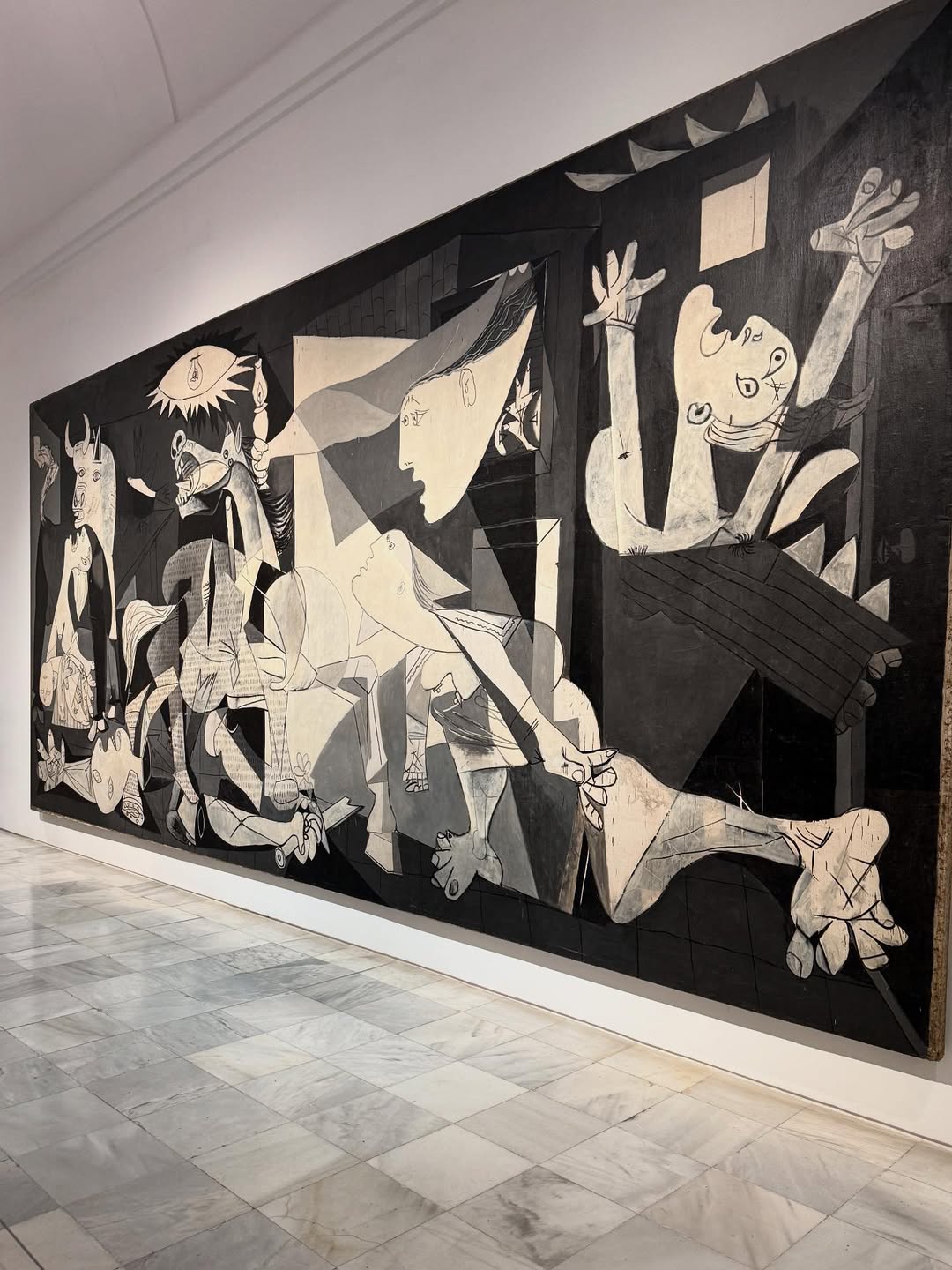
back in madrid

was standing in front of picasso’s guernica today at the museo reina sofía (here in madrid) and tearing up as i thought about palestine when i got a message from my beautiful friend ashwaq, still besieged in gaza, sending prayers for my family and pakistan’s safety. what incredible generosity and thoughtfulness. i am constantly reminded of the beauty, strength and humanity of palestinian culture and what an asset it is to our world. i dream of visiting my friend one day soon, of having tea together and talking about our lives, of meeting her family and perhaps going for a walk, of hugging her for a long time. nothing major. just little moments that mark the passage of time, the shape of our lives, the connections that nourish us. yet a bunch of small, unimaginative, power-hungry men can make such ordinary dreams impossible. it shouldn’t be so…

cordoba

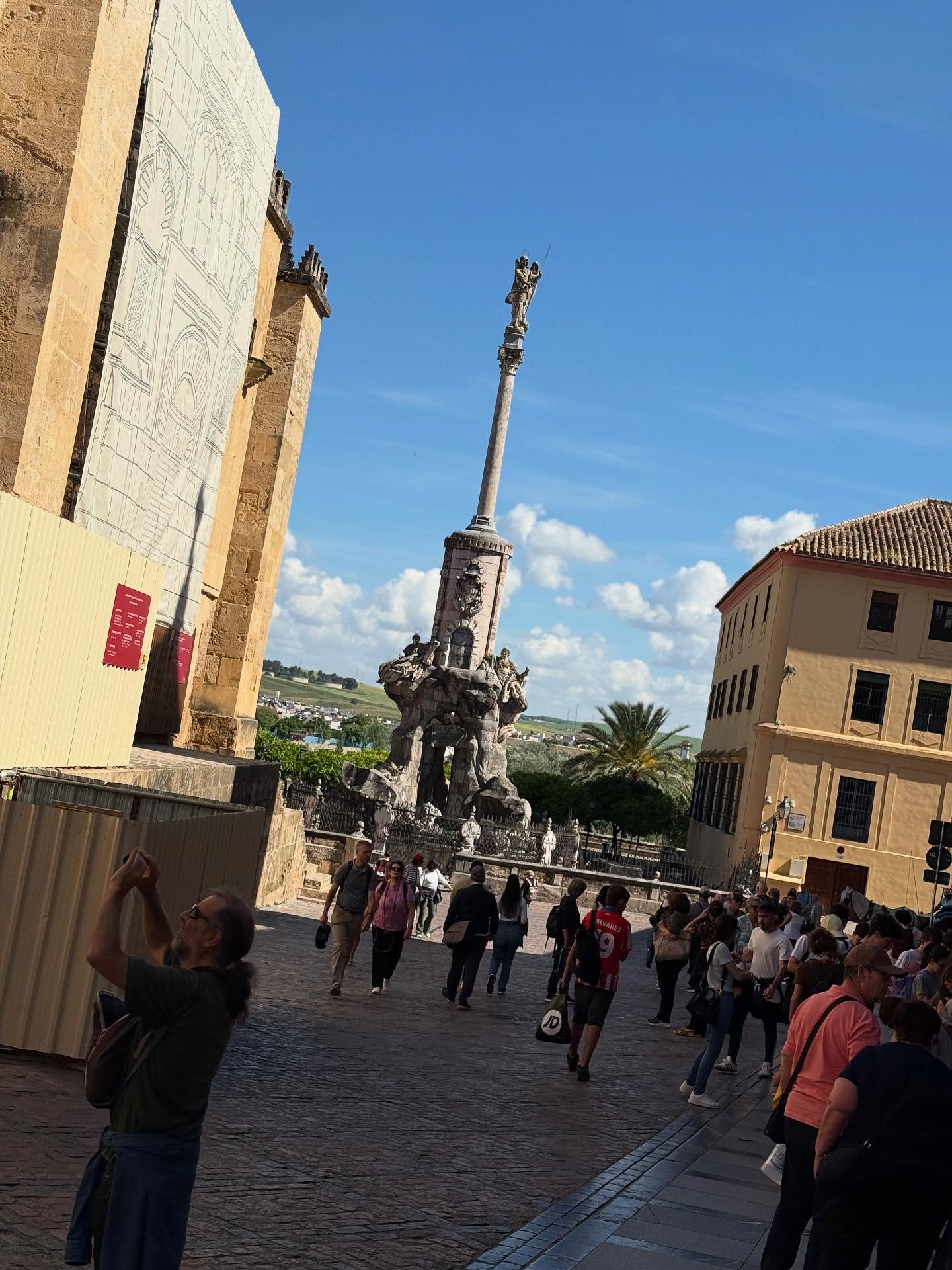
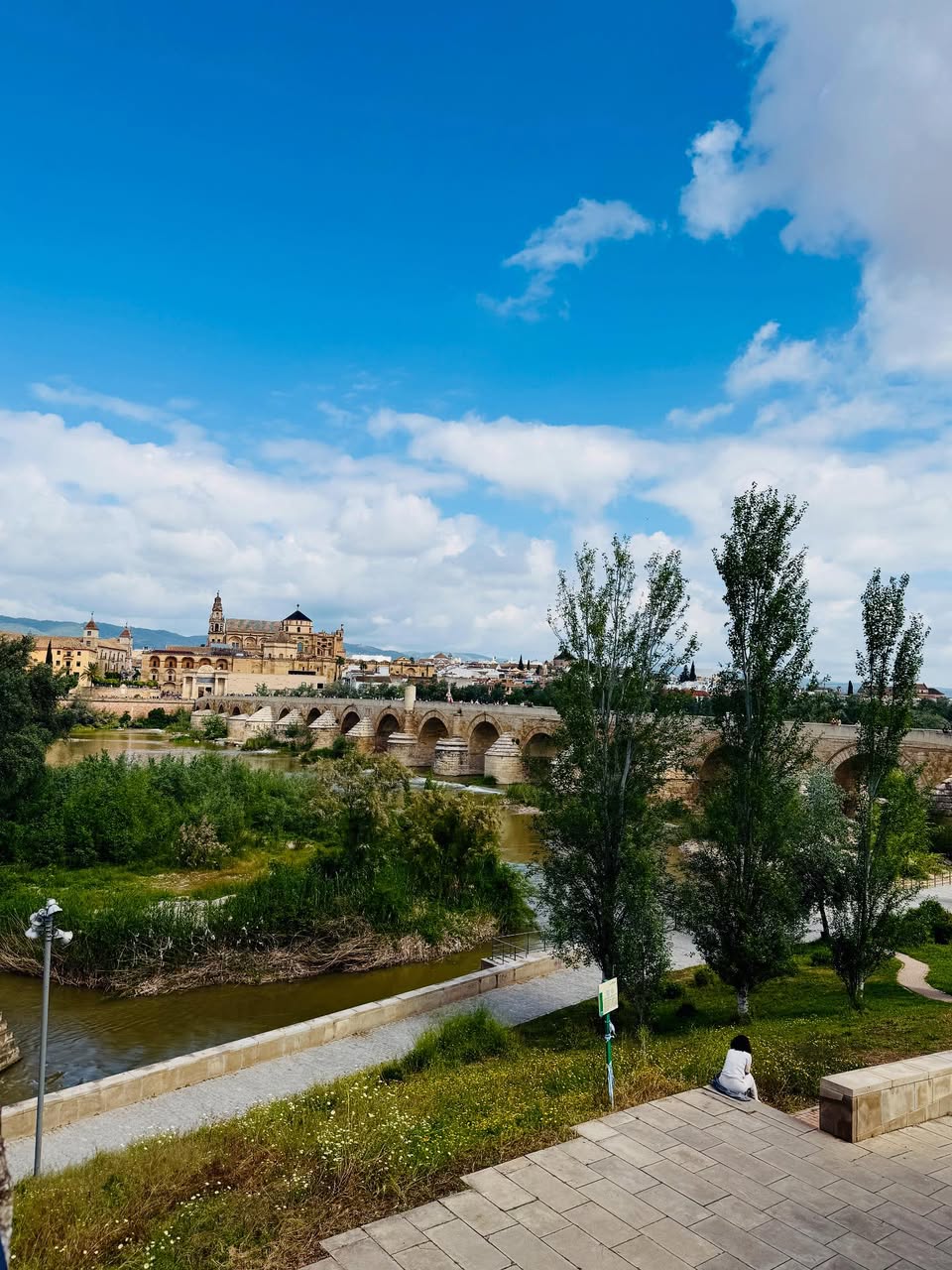
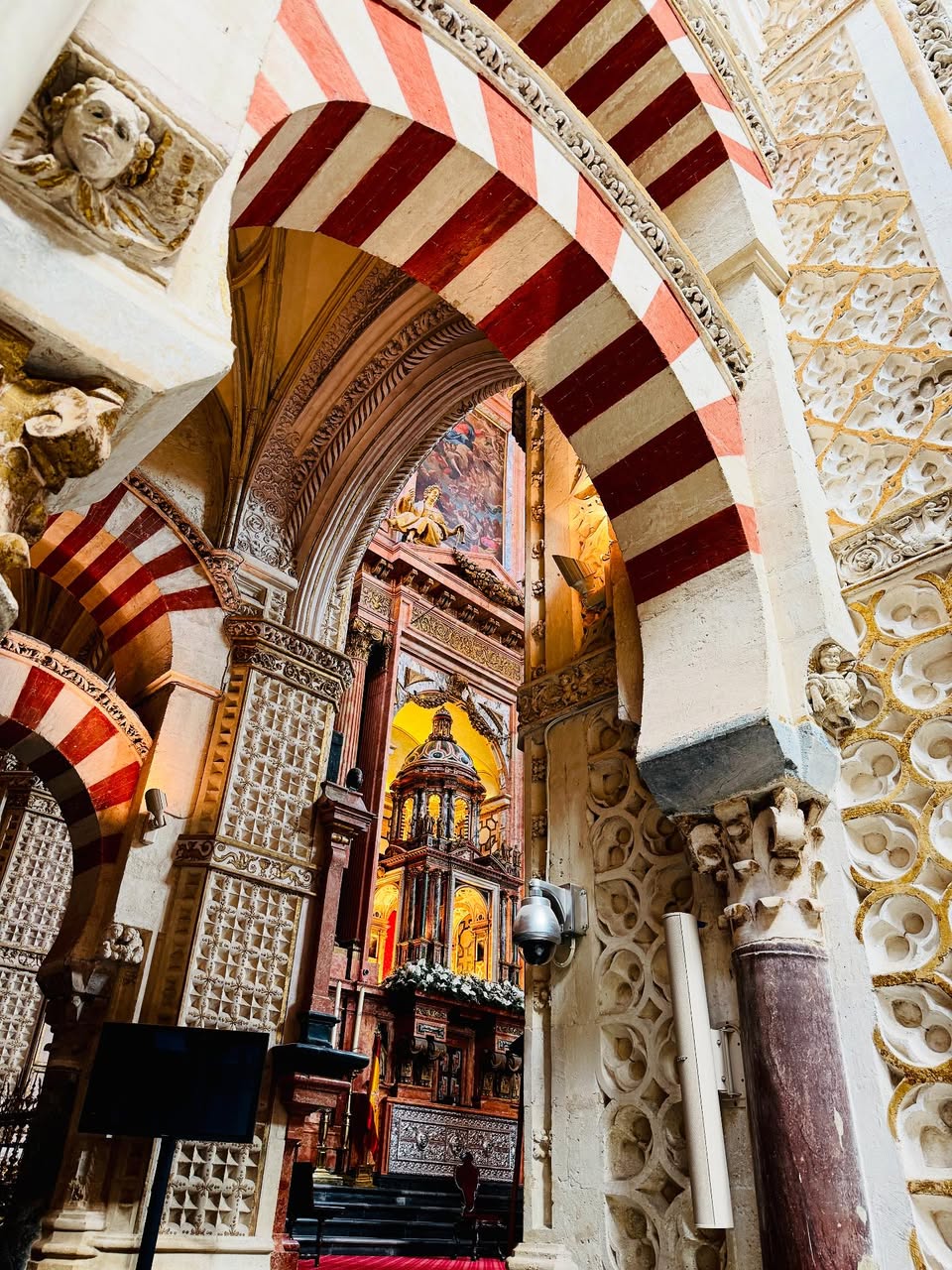
may 6th: as we approached cordoba and i caught sight of it in the distance, across the roman bridge, i felt immense emotion. if i could have chosen a time to have lived on this planet, it would have been during the convivencia in al-andalus (islamic spain) sometime between the 8th and 15th centuries. if u want to learn more, i strongly recommend ‘culture in the time of tolerance: al-andalus as a model for our time’ by the brilliant scholar maria rosa menocal. i loved her work so much that i invited her to come to rochester and speak but she was already ill by then and couldn’t travel anymore

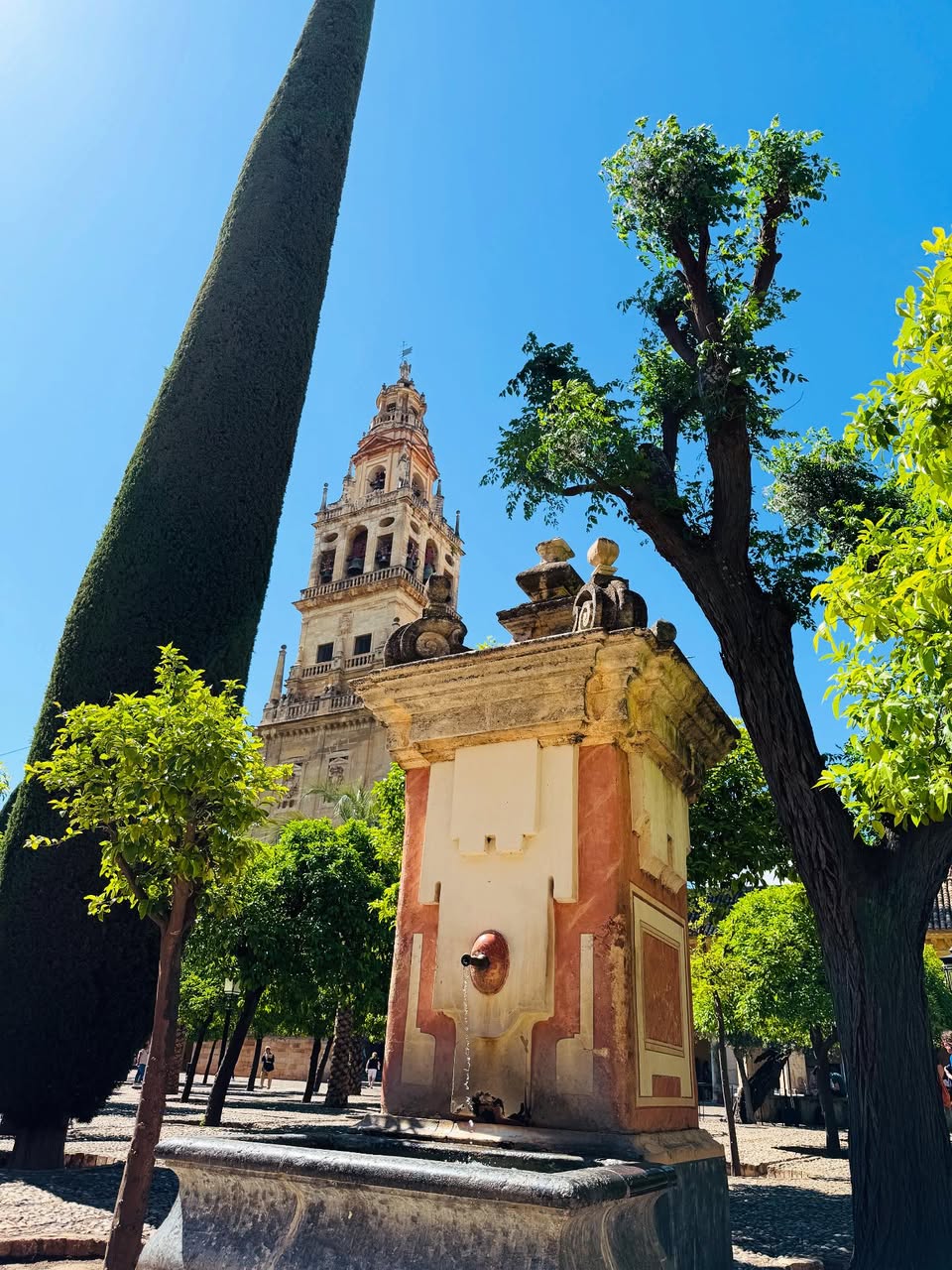
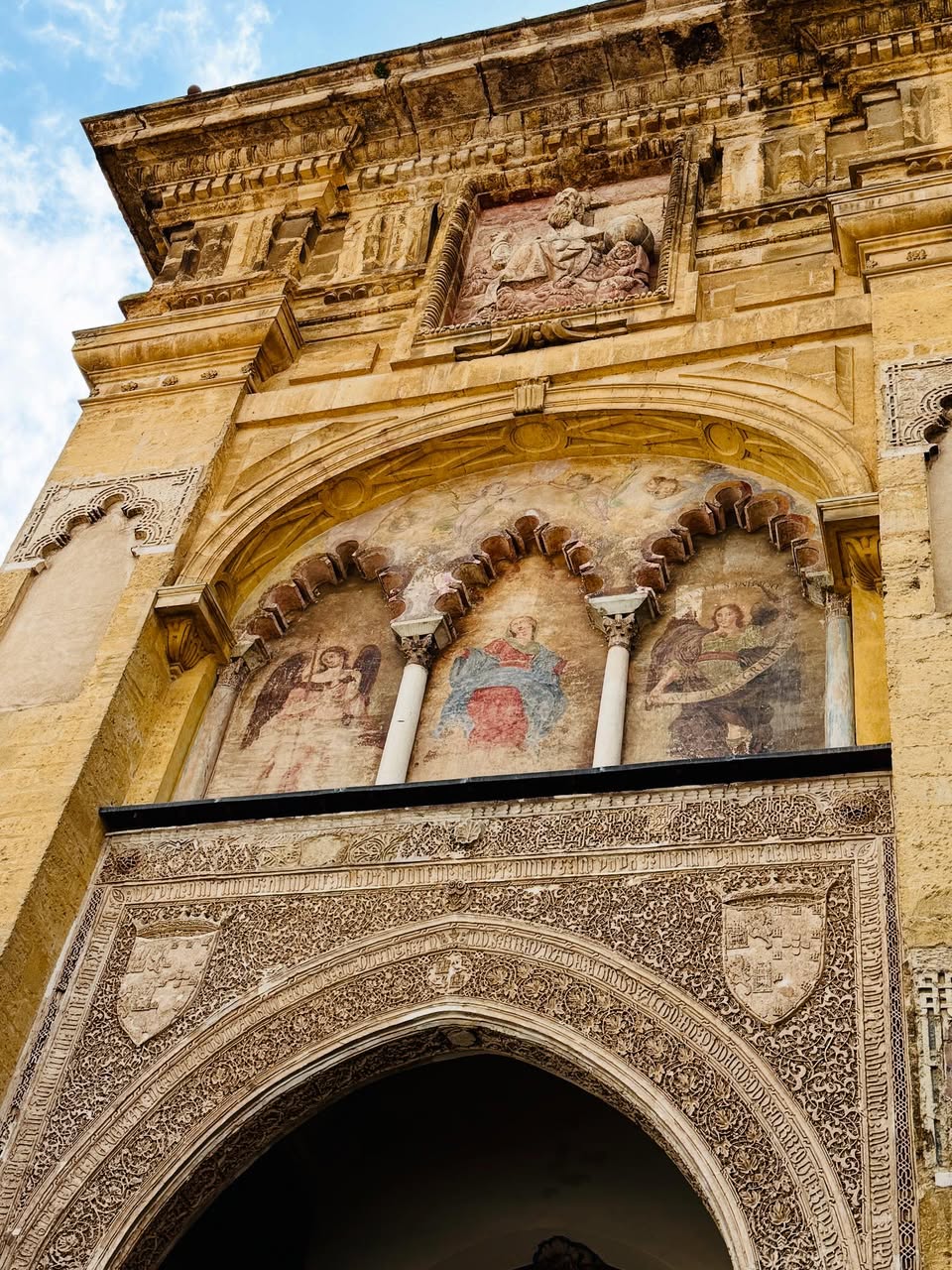
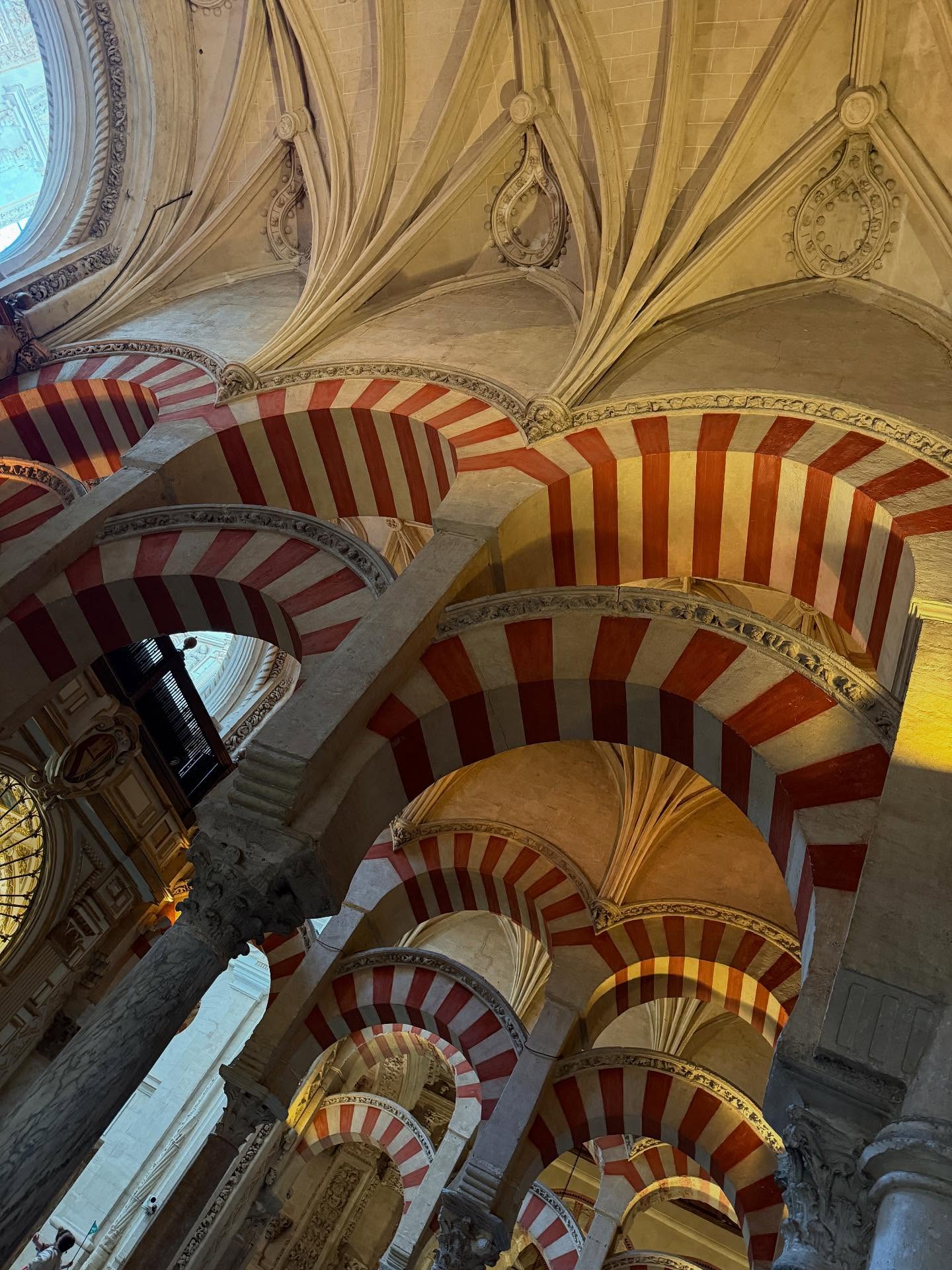
from mohamed al-gafequi (trained in cordoba and baghdad who performed the first cataract surgery in the 12th century), to the incomparable moses maimonides (jewish philosopher, jurist and physician), to the cordoba mosque (which could accommodate 30,000 people) with its double arches, alternating brick and limestone (for added stability), unique columns made of recycled materials, and beautiful mihrab (the mezquita was converted into a cathedral after the reconquista), cordoba is mesmerizing

ok, so one of my pet peeves about how white people talk about al-andalus (and a great example of deleting context in order to create a bit of propaganda) is the reservation about religious coexistence when religious minorities (jews and christians) had to pay a tax known as the jizya. what is never mentioned is that muslims had to pay zakat (a heavier tax it seems). since zakat is an islamic tax, it could not be levied on non-muslims. hence the jizya, which also exempted non-muslim citizens from serving in the military. so yes, religious minorities had to pay some kind of tax as citizens of the state. as non-christian minorities of the US we are also required to pay federal, state and local taxes and no one uses that to disparage ‘religious coexistence’

carmona

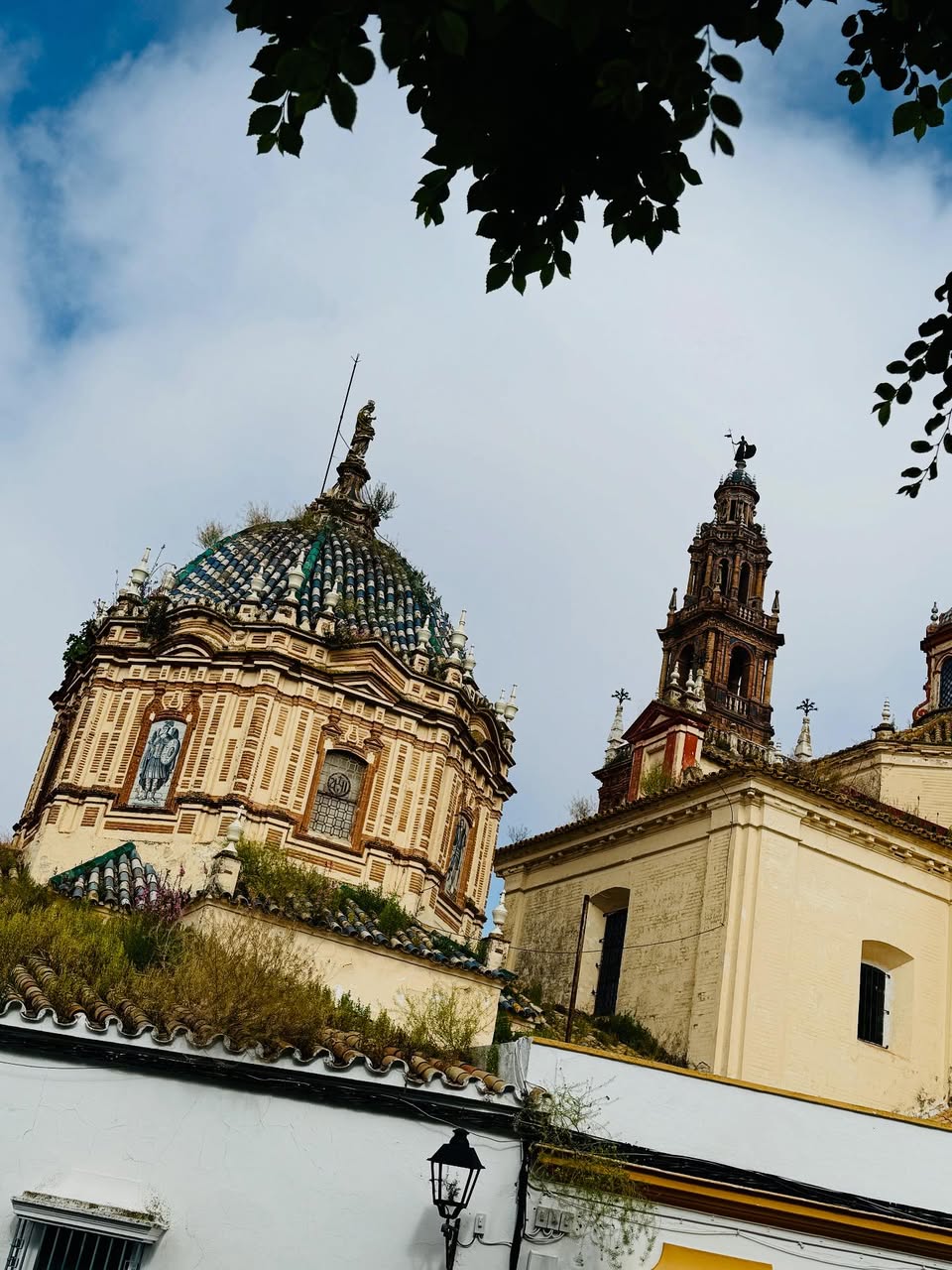
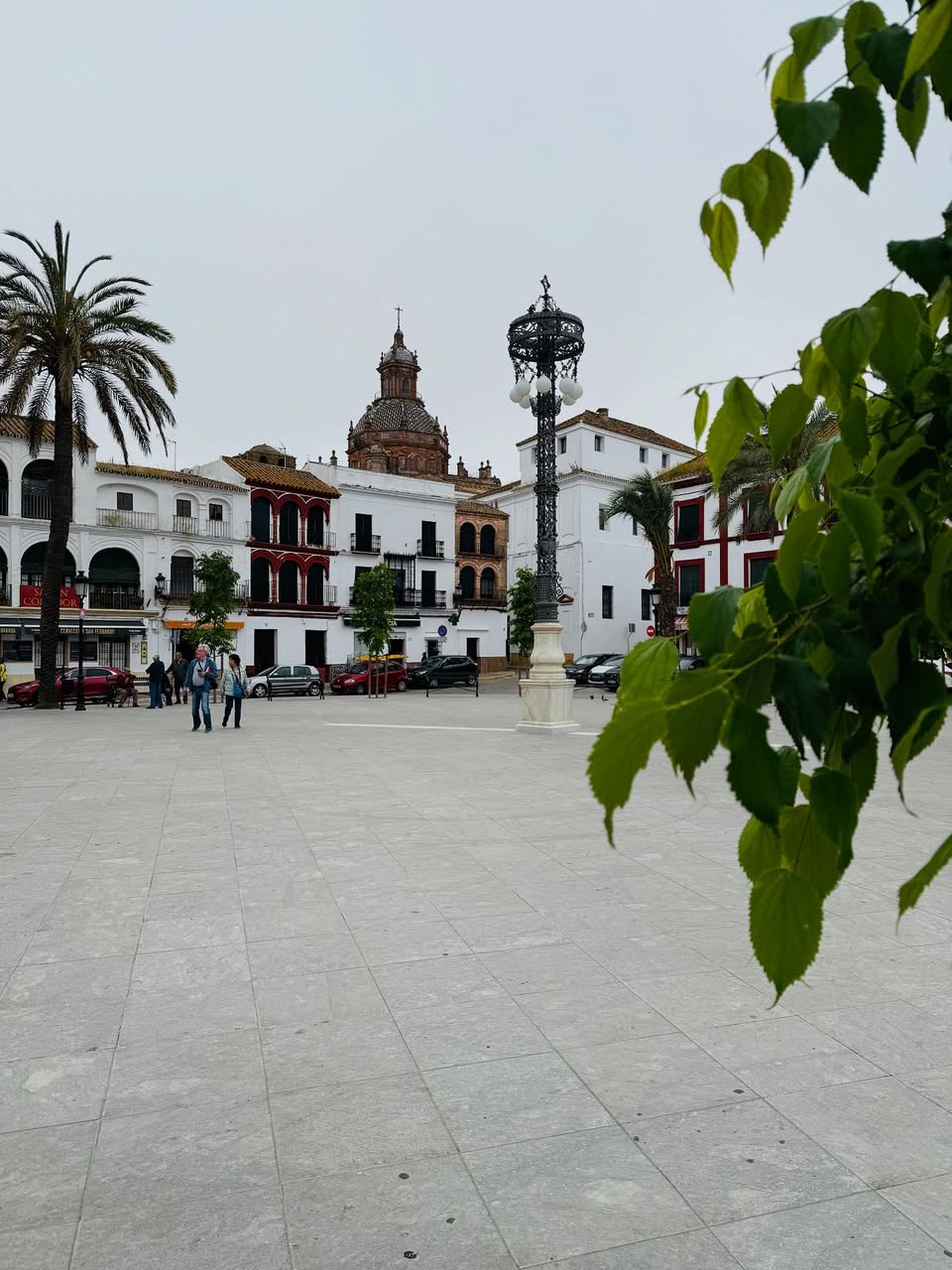
on may 6th, i went to cordoba. but first we made a quick stop in #carmona. we came face to face with the puerta de sevilla (in carmona) which maria (our wonderful guide) called a history book. it was built originally by the phoenicians around 230–220 BC. later the romans too depended on this fortification. carmona became an important crossroads on the via augusta that connected directly to rome. the gate continued to be used by muslim rulers

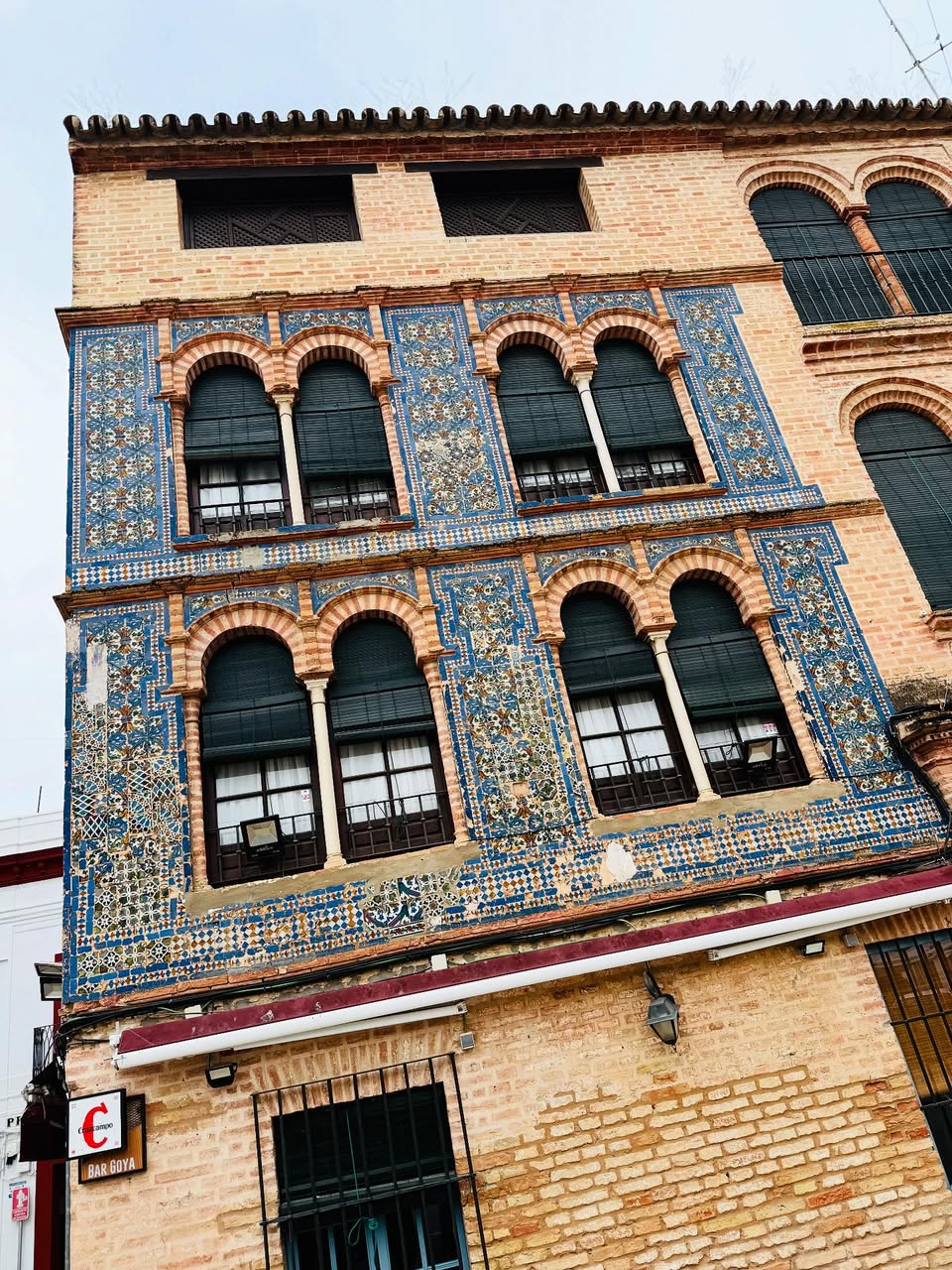
it’s a pretty town with lime washed houses and cobblestone streets. every entrance in every building is unique with gorgeous metalwork and tiles. what a beautiful islamic civilization al andalusia must have been, probably quite a change from the visigoths

didn’t have much time but grabbed some hot chocolate and a slice of toasted bread with butter at casa paco. the most memorable food is often the simplest
more about cordoba next

more sevilla


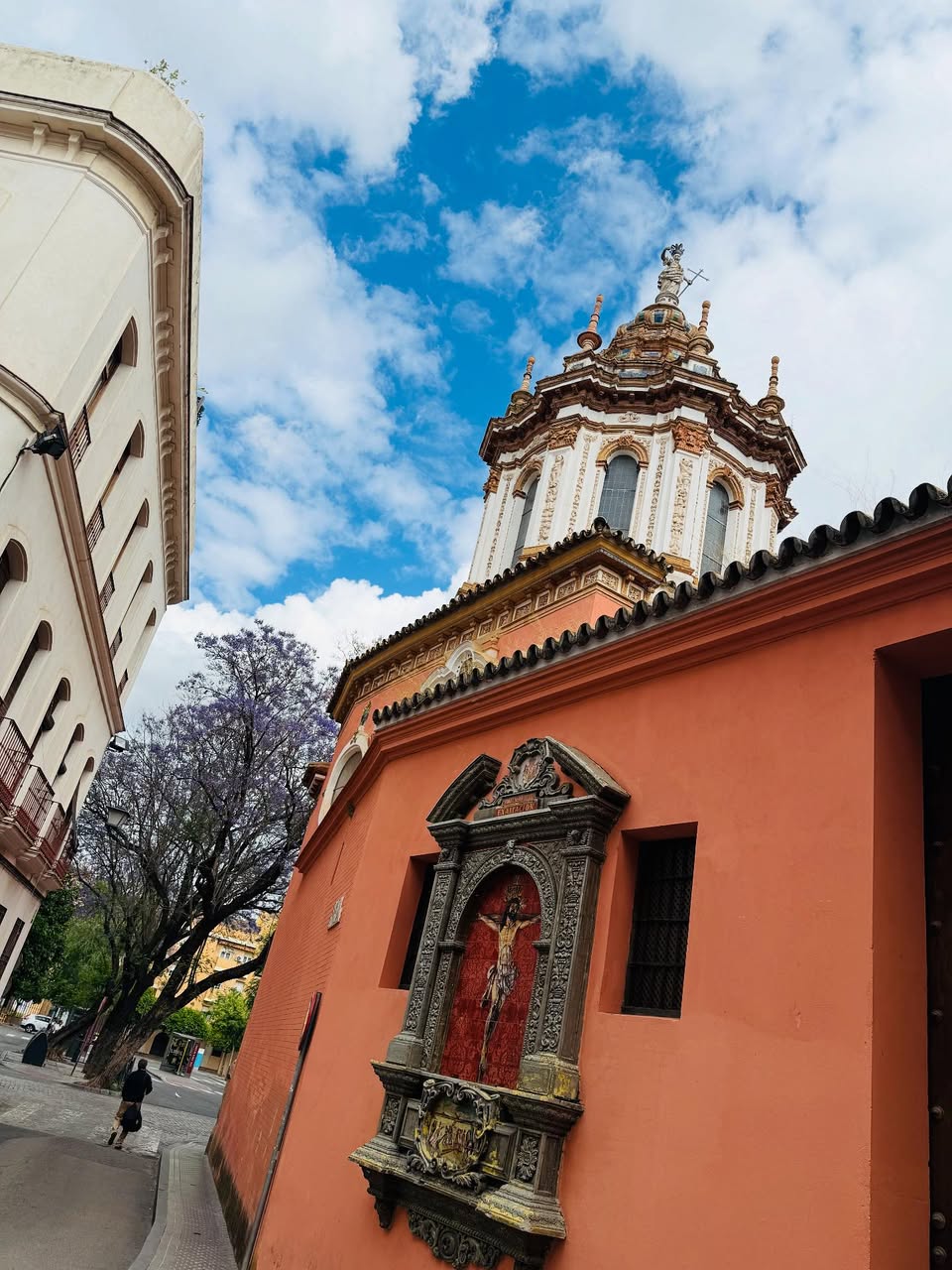
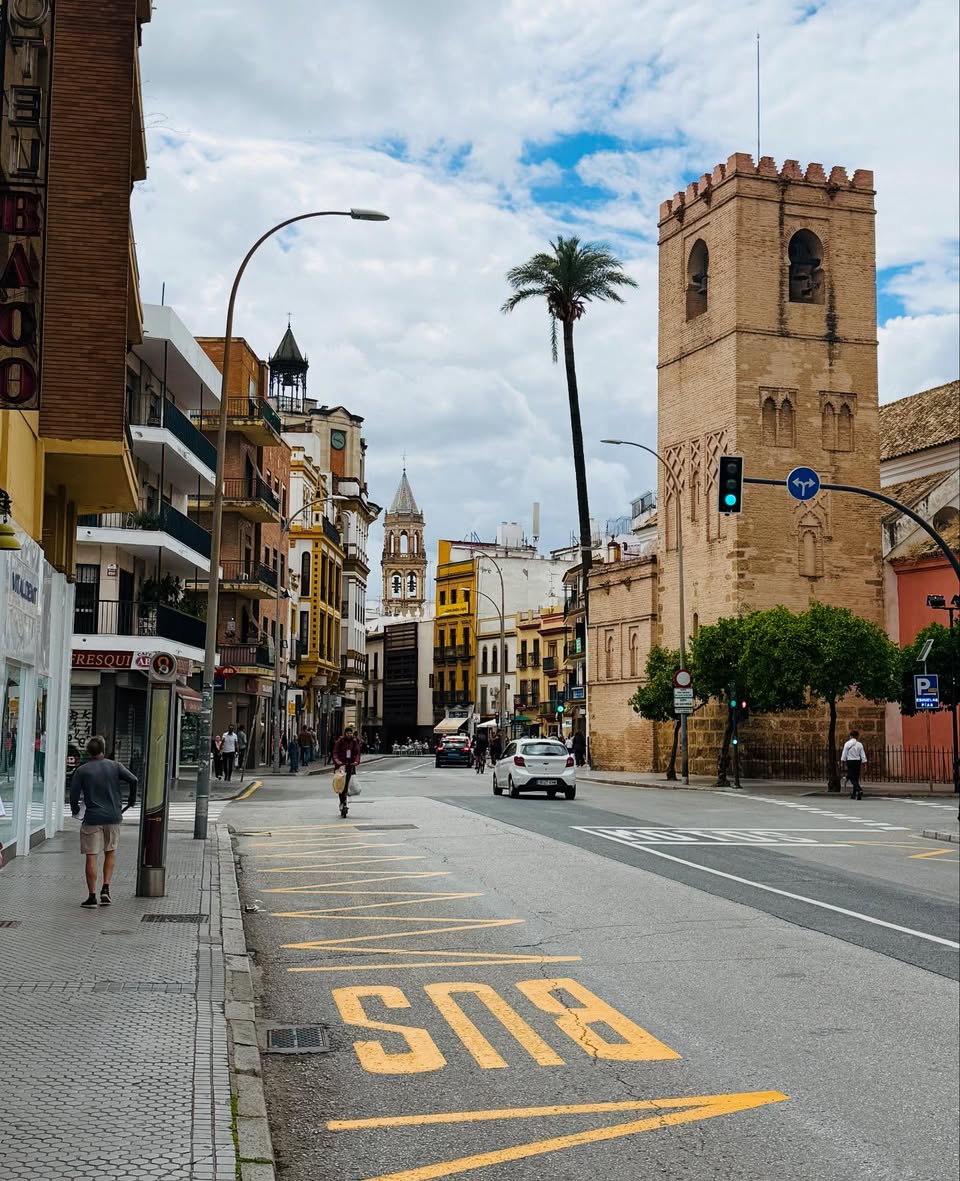
more sevilla. so the city was a major center in al-andalus under muslim rule from 711 to 1248 CE. hence the gorgeous tiles and mosaics, arches and minarets, courtyards and fountains. the excessive catholic presence in every bit of the old city seems to be pushback against this history. some of it is quite literal, e. g. the almohad mosque was converted into the seville cathedral – its bell tower (the giralda) used to be the minaret of the old mosque. i felt this pushback in portugal too, where i was told by a well-read guide that the arab history portugal claims has nothing to do with present day arabs (they are the descendants of the same arabs he so admires of course) and where a younger guide who took me to sintra and cascais couldn’t stop fawning over the knights templar because they saved portugal (by massacring muslims). feels like a bizarre fragmentation of collective identity

hola sevilla!


didn’t sleep a wink last night (not an exaggeration) so was up nice and early and ready for our train trip. got to madrid-puerta de atocha-almudena grandes about an hour before our departure and was horrified to see the entrance to the station jam-packed with throngs and throngs of people waiting, like 10,000 of them. apparently signaling cables were stolen over the weekend which led to massive delays on high speed trains. we had to stand outside the building for an hour or more as countless journalists and their crews interviewed frustrated travelers. finally made it to our destination although two hours later.

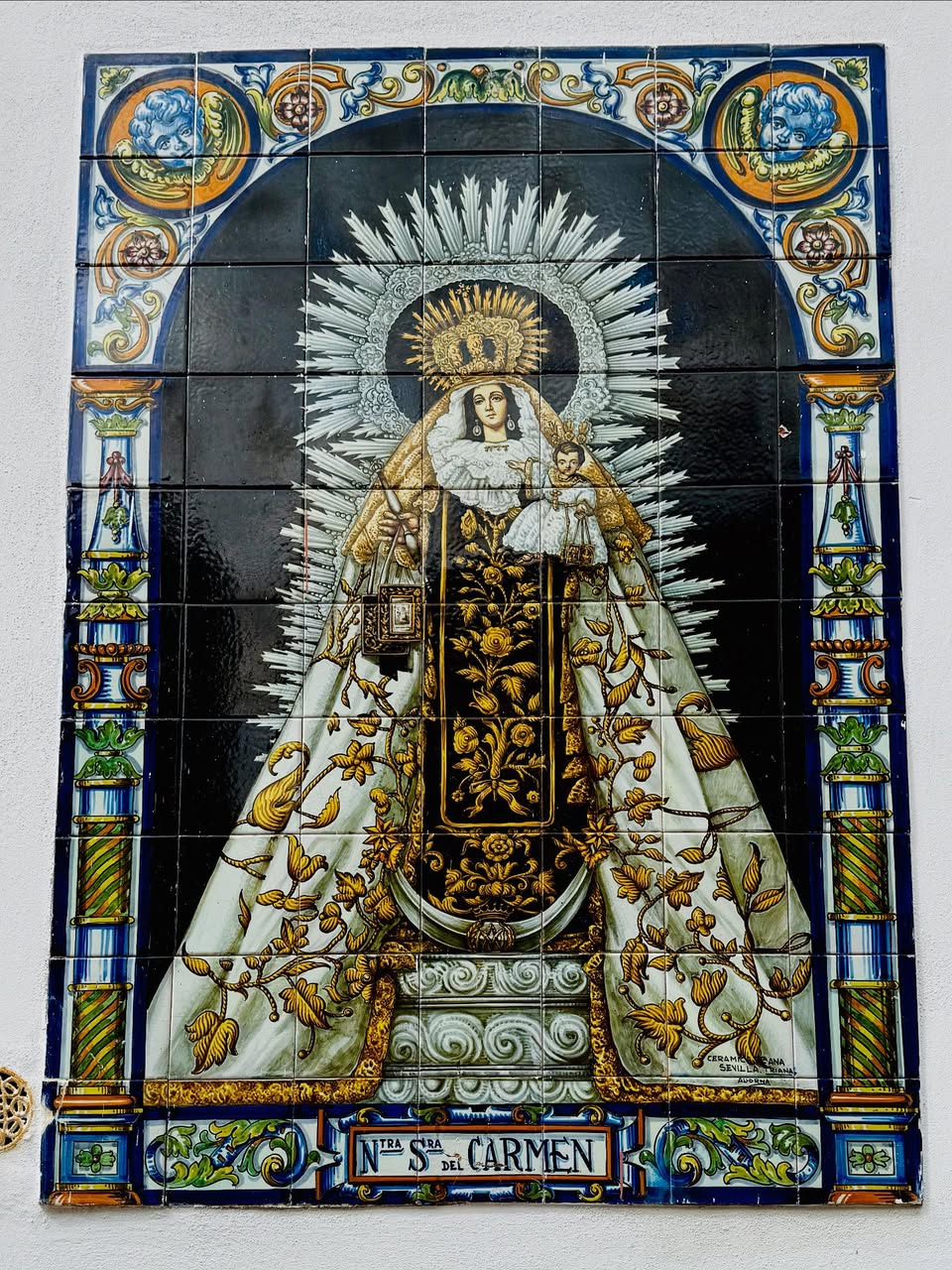
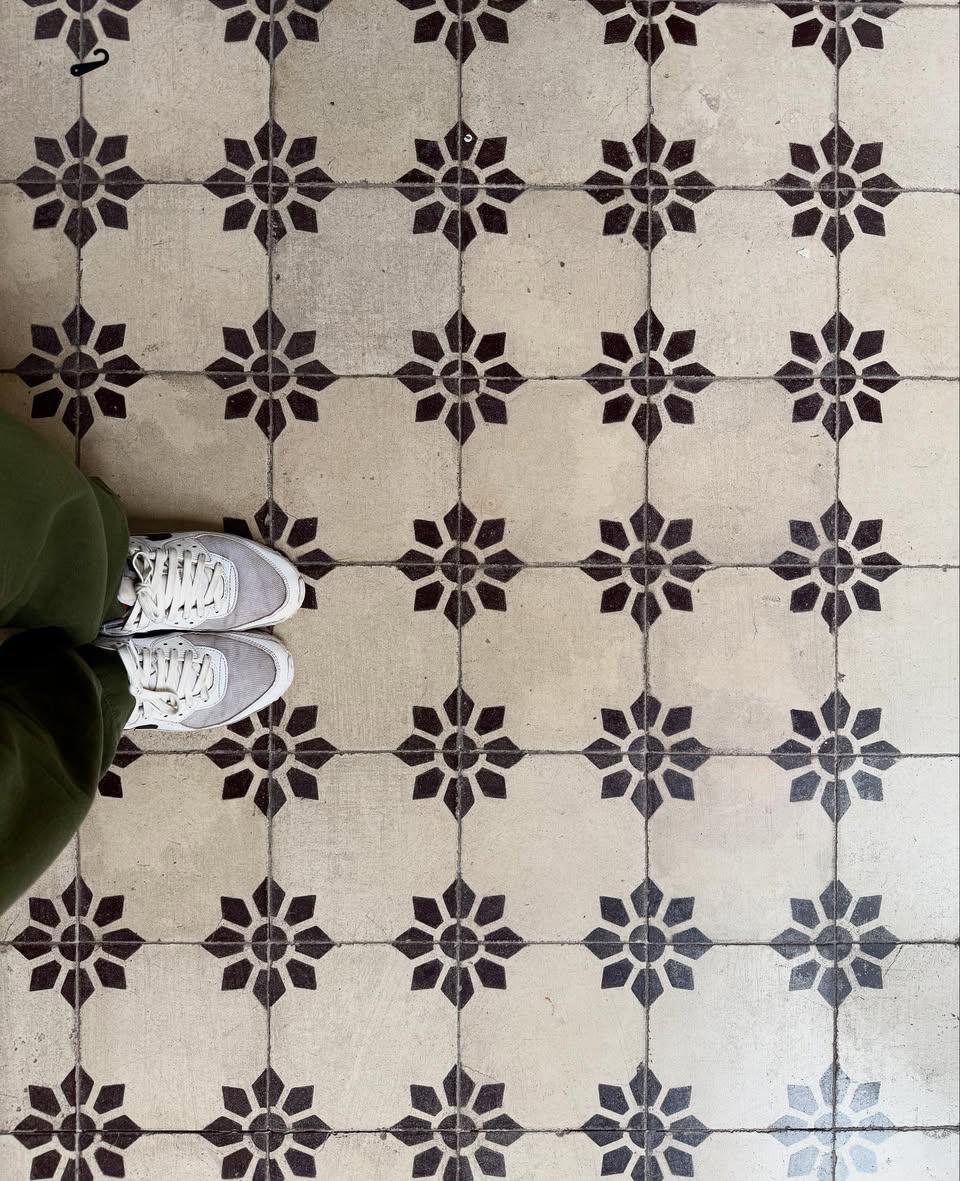
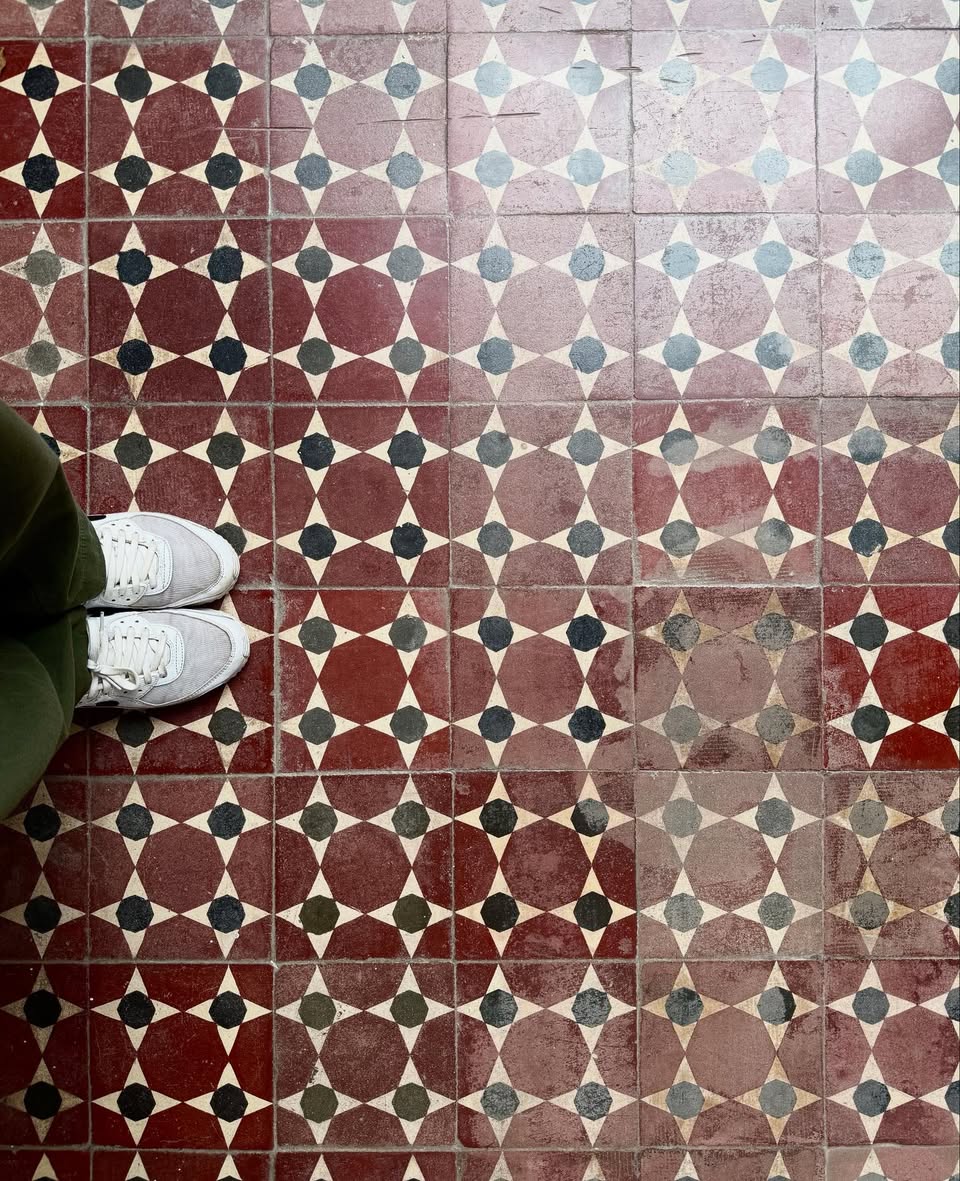
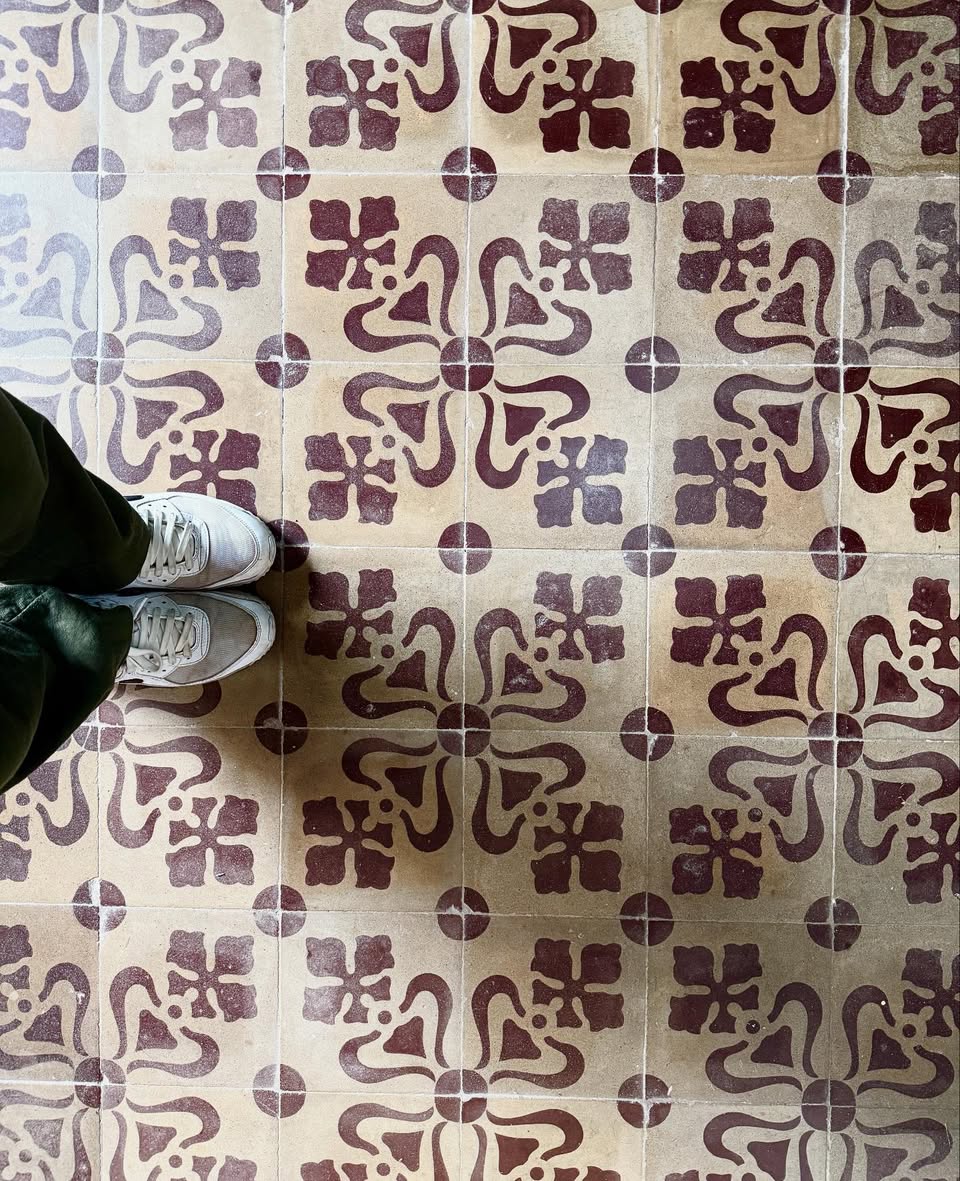
hola sevilla, u flamboyant one. the tiles u see are all located within 1-2 meters, just around the threshold of our room

goya at the prado museum

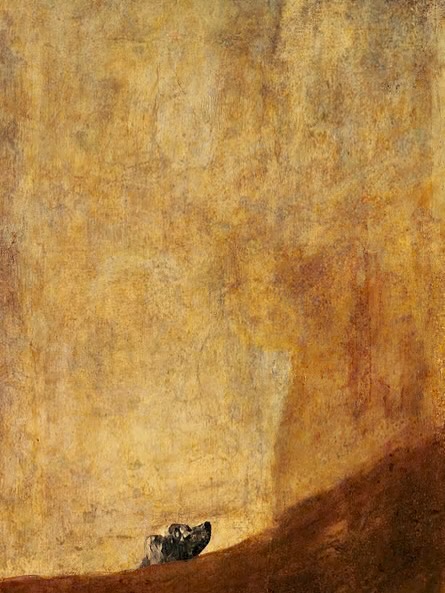
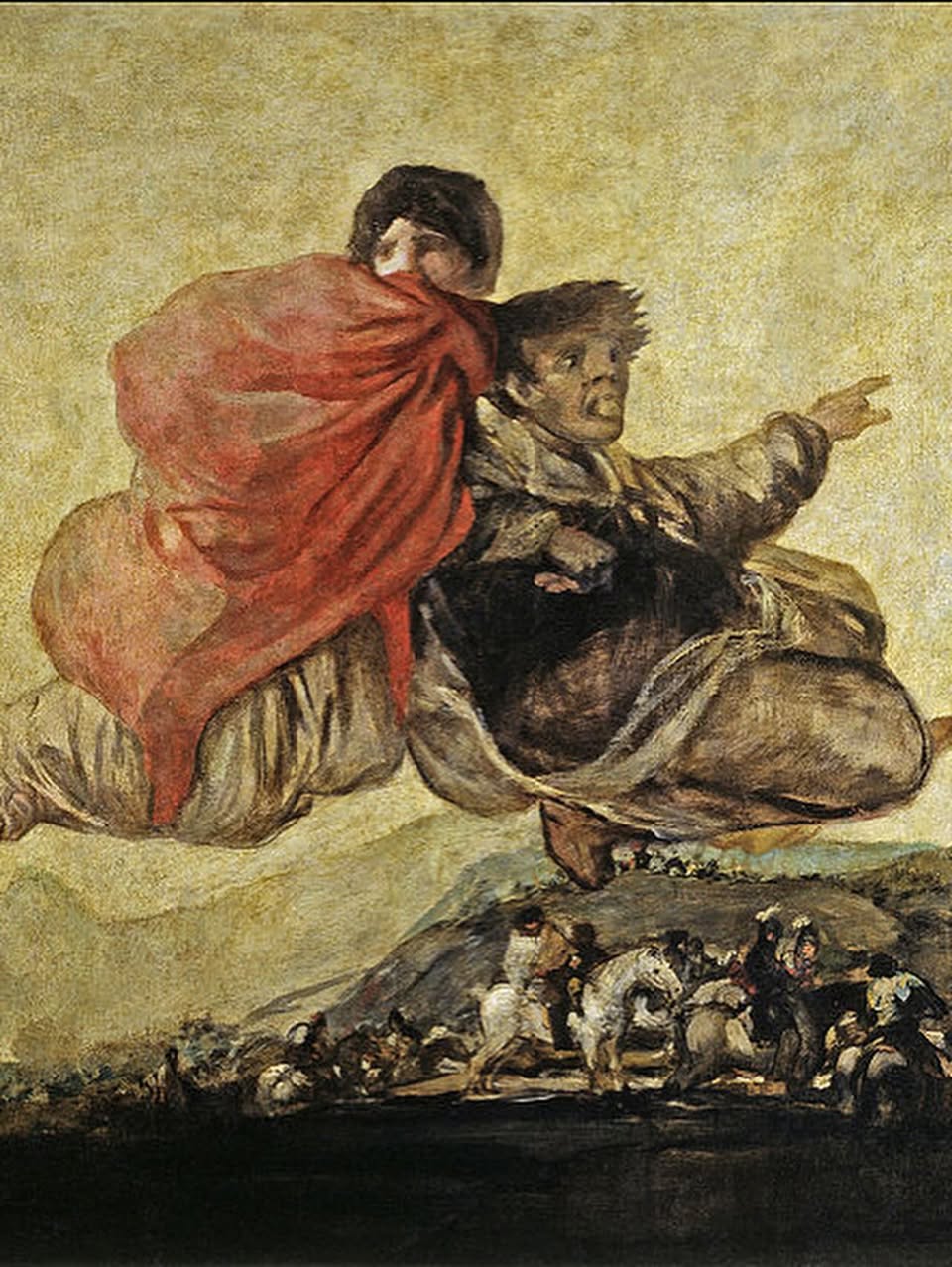
we hadn’t set an alarm and were shocked to wake up at 1pm today (jet lag and all that). late start to the day so dashed off to the prado museum – the met of madrid. too huge to see their entire collection/ exhibitions in detail but was completely floored by goya’s black paintings. these were painted between 1820-23 on the walls of goya’s two-storey house (quinta del sordo) on the outskirts of madrid when he was already in his 70s. the paintings reflect goya’s despair and cynicism and were never meant for public consumption. ‘saturn devouring his son’ is disturbingly violent but tbh the images and stories coming out of gaza are no less terrible and seem to be within the scope of human barbarity. ‘asmodea’ with the two figures floating over a landscape is so modern in its proportions and composition that it took my breath away. ‘the fates’ has some of the same energy. ‘the dog’ is equally incredible in how it’s composed and the layers of dark burnished gold that form its background. this series of 14 murals/ paintings is irresistible, magnetic, mysterious. also love el greco. the symbolism and elongated figures with the endlessly long fingers and lean muscles remind me of sadequain. another thing that jumped out at me was the use of a beautiful green one doesn’t find in too many other paintings from the same period. while i reveled in art, my daughter explored vintage stores and was not disappointed. we had lunch/ dinner on the rooftop of a restaurant covered in ivy (el viajero) and some dessert at be beirut which is owned by a palestinian family

peacocks at el retiro


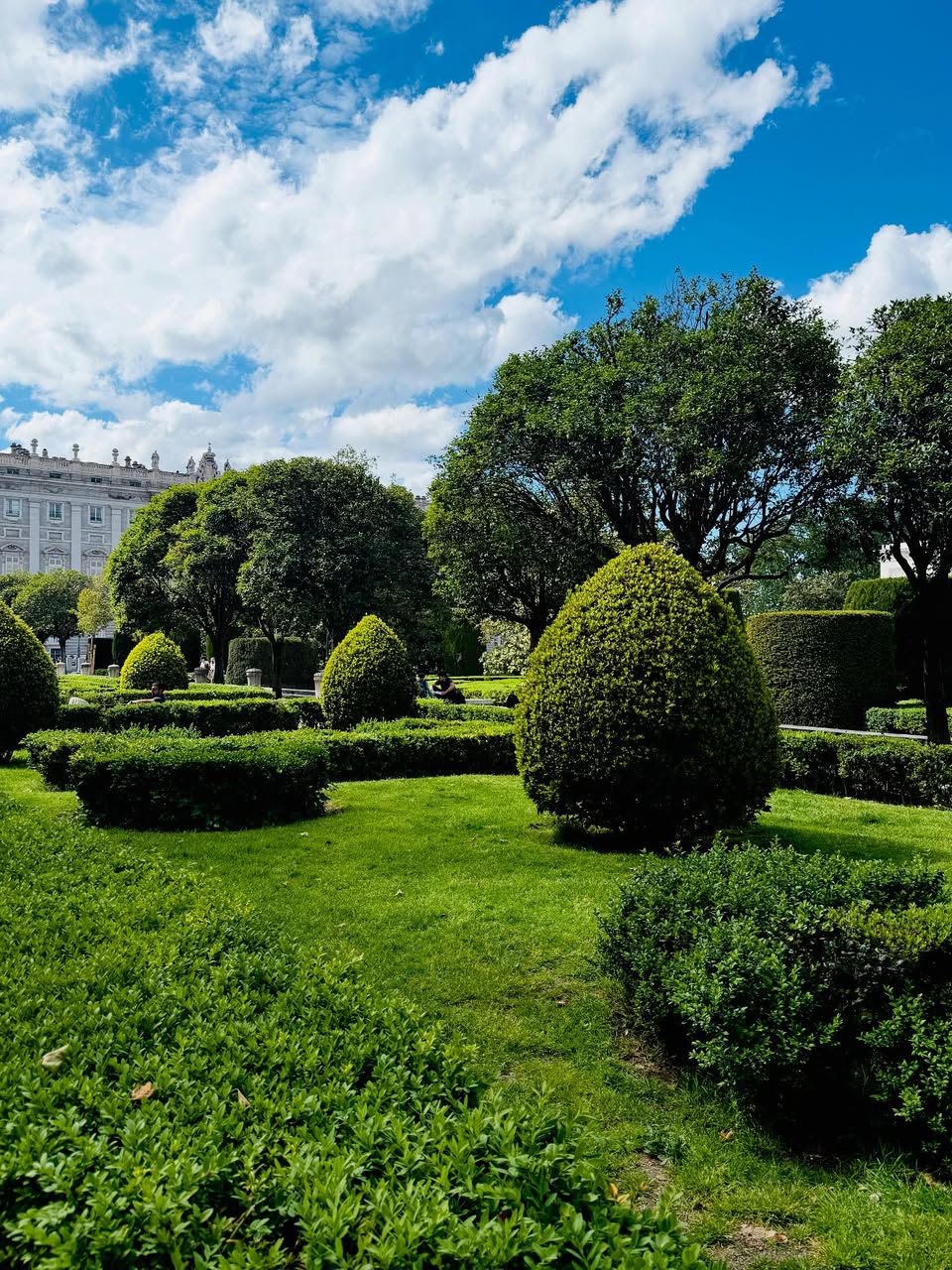
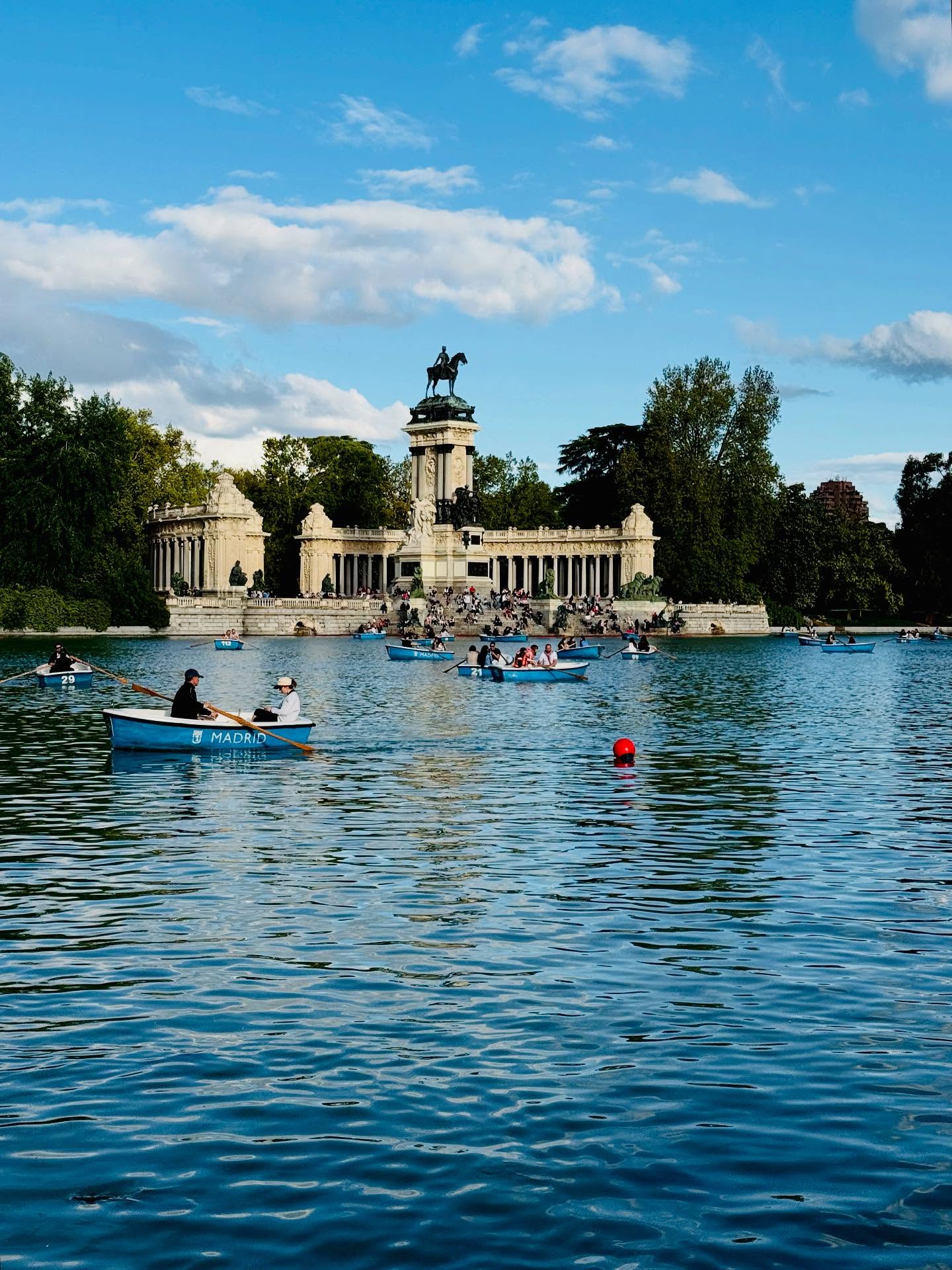
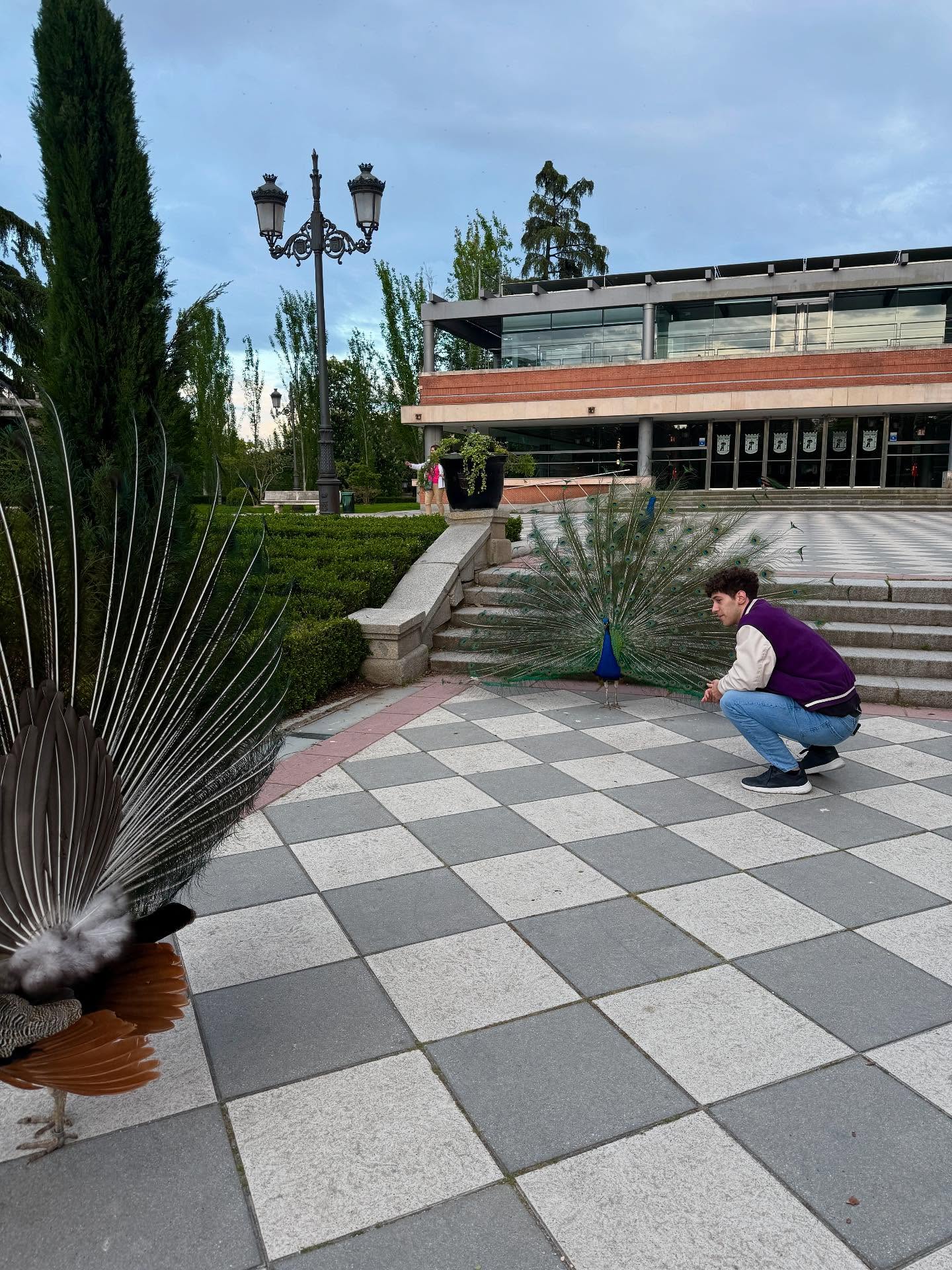
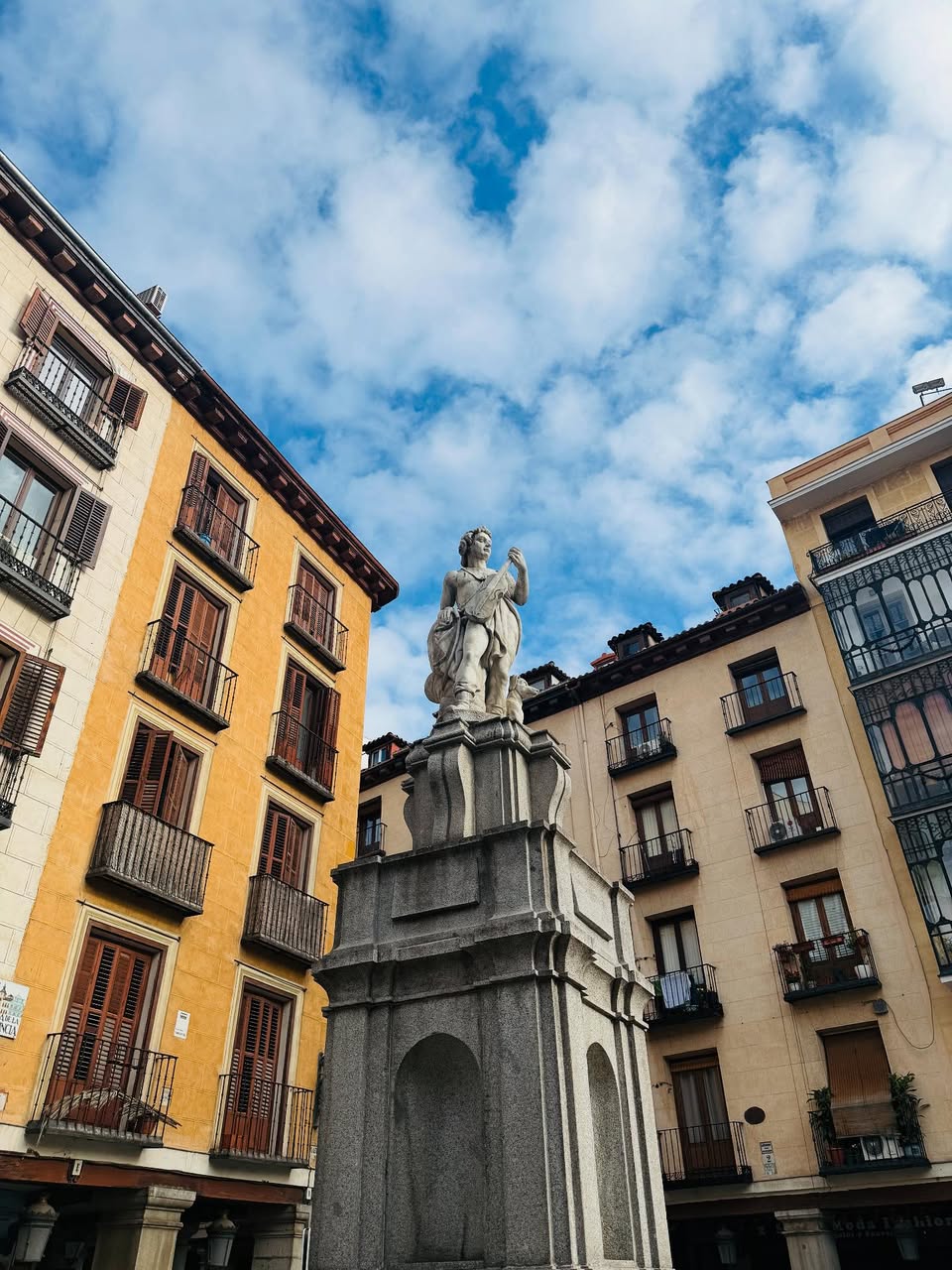
even though we got here today and took a small nap before going out, we walked a lot – around the royal palace, along the gran via (known as the spanish broadway), in the atocha neighborhood where we are based, and finally in el retiro park which belonged to the spanish monarchy until 1868 and where everything is blooming. stunning architecture everywhere, tons of greenery and open community spaces, perfect weather and good food, but what i loved most were the peacocks at el retiro. i’ve seen gorgeous peacocks before (most memorably in choa saidan shah in pakistan and at jardim da estrela in lisbon), but this was something else. a full-on soap opera with screeching matches between male peacocks vying for the same female and some surprisingly aggressive shaking of feathers and hot pursuit. nature is bizarre and remarkable at the same time. found these secondhand booksellers close to el retiro and one of them talked at length with my daughter in spanish (so proud!). for dinner went to KA restaurant 6 min’s walk from our hotel for some reliable thai – the food was next level delish. it was a good day 🙂

the final cut is done!


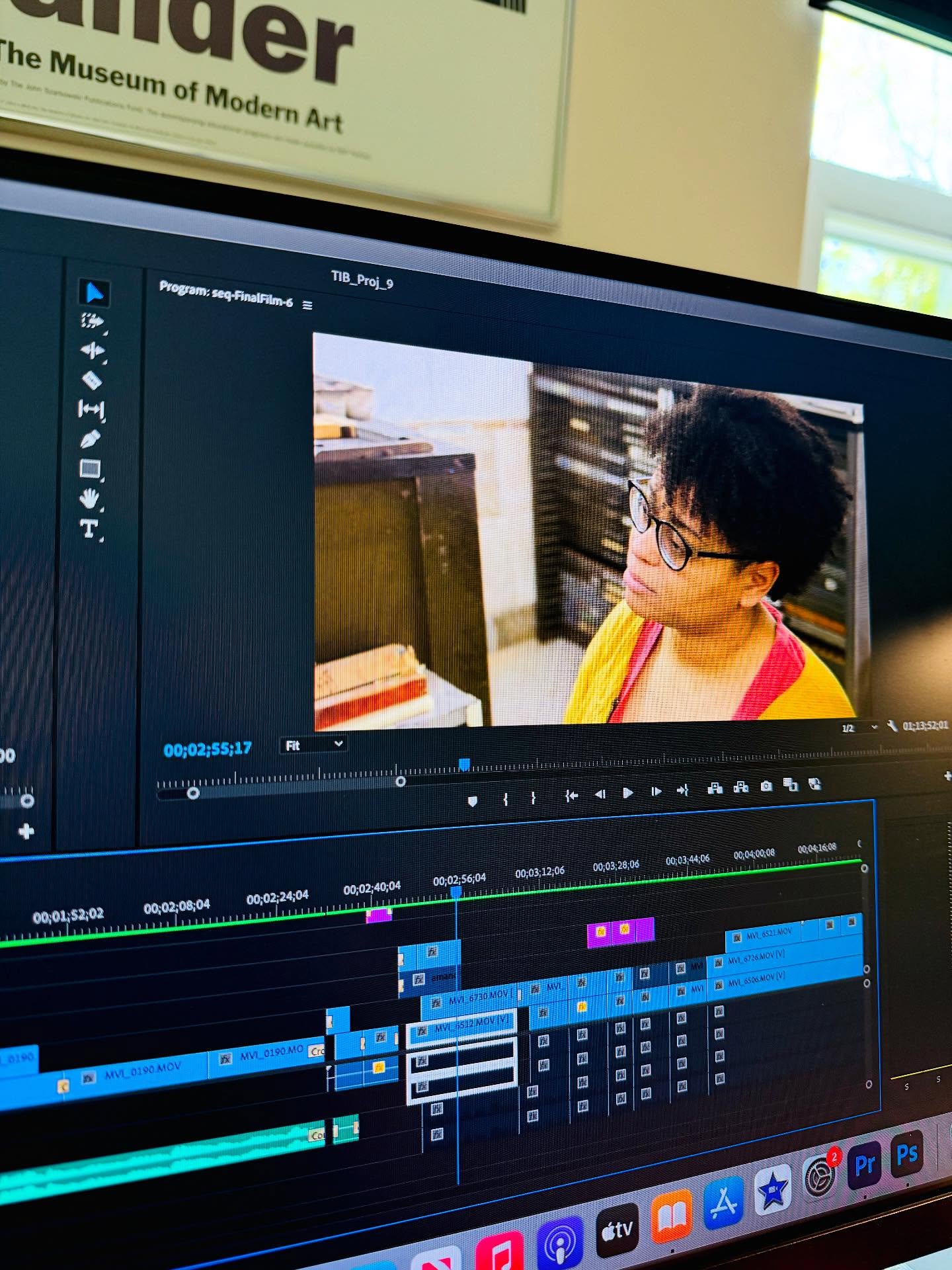
the final cut for ‘the injured body’ is done folx! this is literally all i have done, day and night (slept at 5am many many times) for the last few months especially march and april, ever since i got back from pakistan. i am exhausted but oh so happy, so very happy. i cannot express in words what this project means to me. filmmaking is teamwork, its v nature is collaborative, and i love all the people in this film plus all the artists who have made this film possible. what a unique, diverse, strong and beautiful community we are! the film is off to don casper, brilliant filmmaker and film prof, for post production soon but here is a behind the scenes peek at what my life has been for a while now. me and adobe premiere pro. it’s a good match 🙂

that’s amanda chestnut on the screen – the first interview in the film

Book readings at the Xenana in Brooklyn


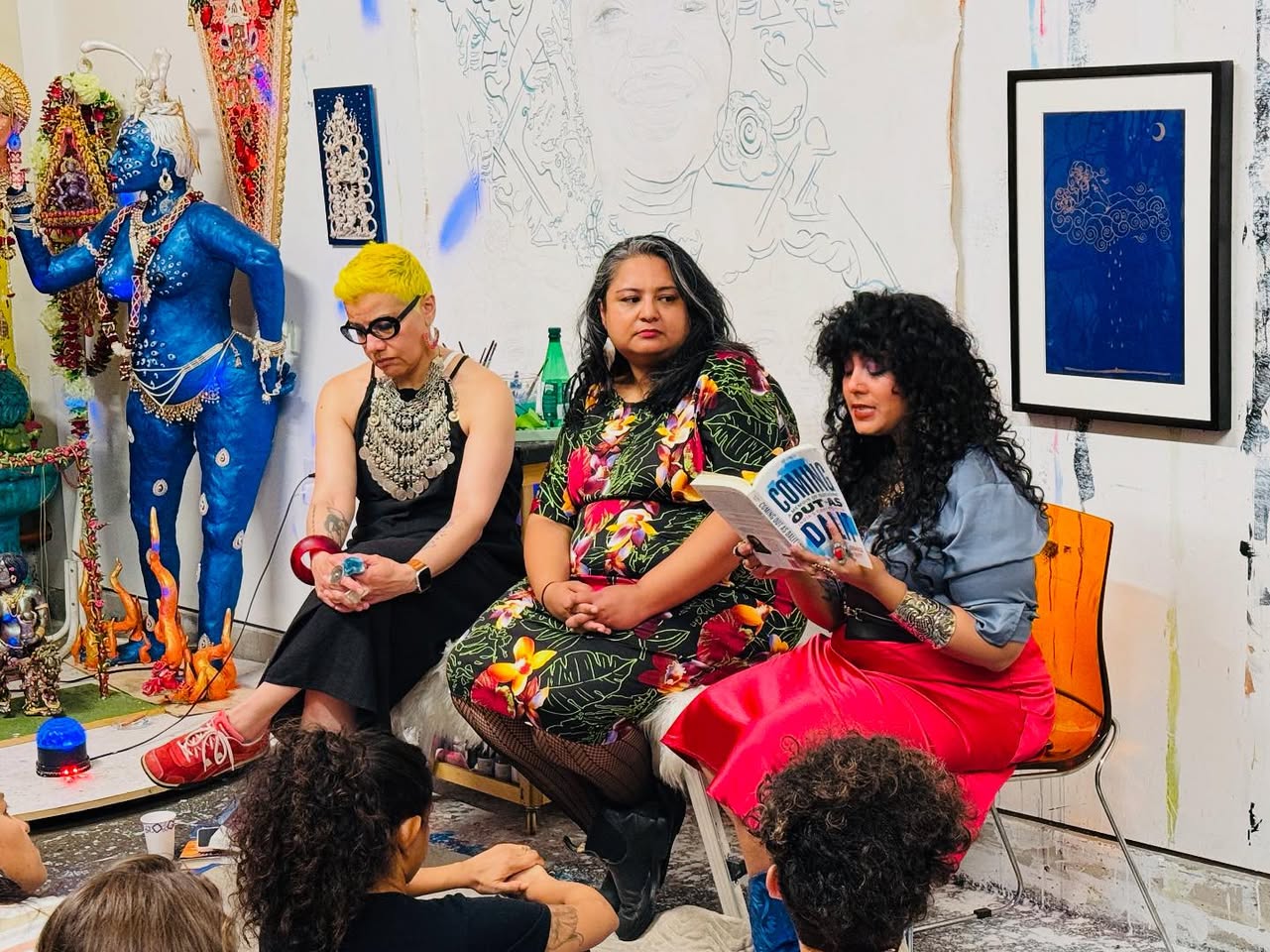
What an amazing evening at Pyaari Azaadi’s Xenana where Mona Eltahawy, @brooklynstani, and Yashica Dutt read from their books

Mona has put together an anthology of essays and stories about menopause (Bloody Hell!: Adventures in Menopause From Around the World), Roohi has written an important novel called Outside Women (“Combining the reach of a historical saga with the propulsion of a mystery, Roohi Choudhry’s tightly woven debut illustrates the power of sisterhood, legacy, and solidarity through the unforgettable stories of two defiant women living a century apart”) and Yashica read from her powerful memoir, Coming Out as Dalit: A Memoir of Surviving India’s Caste System
There was a lot of talk about being feminists so I asked a question about white feminism and the use of the English word ‘feminism’ in a Muslim, South Asian, Dalit context

Mona talked about niswiyya in Arabic as being a word she likes but how she’s comfortable using ‘feminism’ in English, Roohi spoke about reclaiming the word, and Yashica talked about how the word feminism is inaccessible to Dalits in India, how it is housed in circles with upper caste women who wear khadi and chunky jewelry and spout off feminist theories. Her own mother wouldn’t identify herself as a feminist but embodies the essence of what feminism is supposed to be. I loved this idea of embodiment vs western/ upper caste-centric language. The upper caste feminists Yashica described are very familiar to me and occupy a similar position of privilege in Pakistan. Yashica said she is more comfortable talking about being part of the movement for Dalit women’s rights and Dalit rights in general. That is my preference too – I see myself as an activist invested in community and the fight for social justice

I met the wonderful @mariam.rauf at this event and was talking to her about using the word feminism in the plural which makes it more palatable I think. There is no one struggle, no one path, no one feminism. The instinct to corral diverse movements, realities and histories under one universal term/ approach/ syntax/ even ‘look’ is very much a colonial imperative that we must resist

Thank u @safia and pyaari <3