
This short video was part of the Huntington Arts Council’s juried exhibition about the exploration of the human body. It won best in show. It’s finally public. Pls watch.
In her book, Citizen: An American Lyric, Claudia Rankine says: “Yes, and the body has memory. The physical carriage hauls more than its weight.”
Biological memory can be understood as a cellular response to a transient stimulus, a response that becomes lasting if chemical changes ensue. Body memory can be transmitted genetically via DNA and helps explain generational trauma.
This poem is about the multiformity of the human body and its many contexts. Some of the visual language in the text is inspired by a viewing of “52 Artists: A Feminist Milestone” at The Aldrich Contemporary Art Museum, in Connecticut. Hence the reference to detached limbs and strewn body parts, but also the need to reconstitute the female body, a powerful site for resistance and healing.
This video is closed captioned. Thank you Rajesh Barnabas, Mariko Yamada, Cloria Sutton, and Rochester City School District students <3
Month: March 2023
our kid at the manhattan DA’s office
we got a text from our daughter earlier today telling us that trump was indicted. can’t believe our bacha works for the manhattan DA’s office. well done folx. #trumpjail2024
our piece in contending modernities
we have been working on this piece off and on since the beginning of 2023. so proud of this conversation with dr shirly bahar about performativity, solidarity across activist spaces, the relationship between trauma and language, and the importance of reconceptualizing feelings of powerlessness as public and political so as to pursue change. thank u shirly for ur brilliance and vision, thank u Santiago Slabodsky for bringing our work together at hofstra university and activating this piece, thank u josh lupo and atalia omer at Contending Modernities, university of notre dame, for ur editorial support and for publishing our work. to radical politics and solidarity.
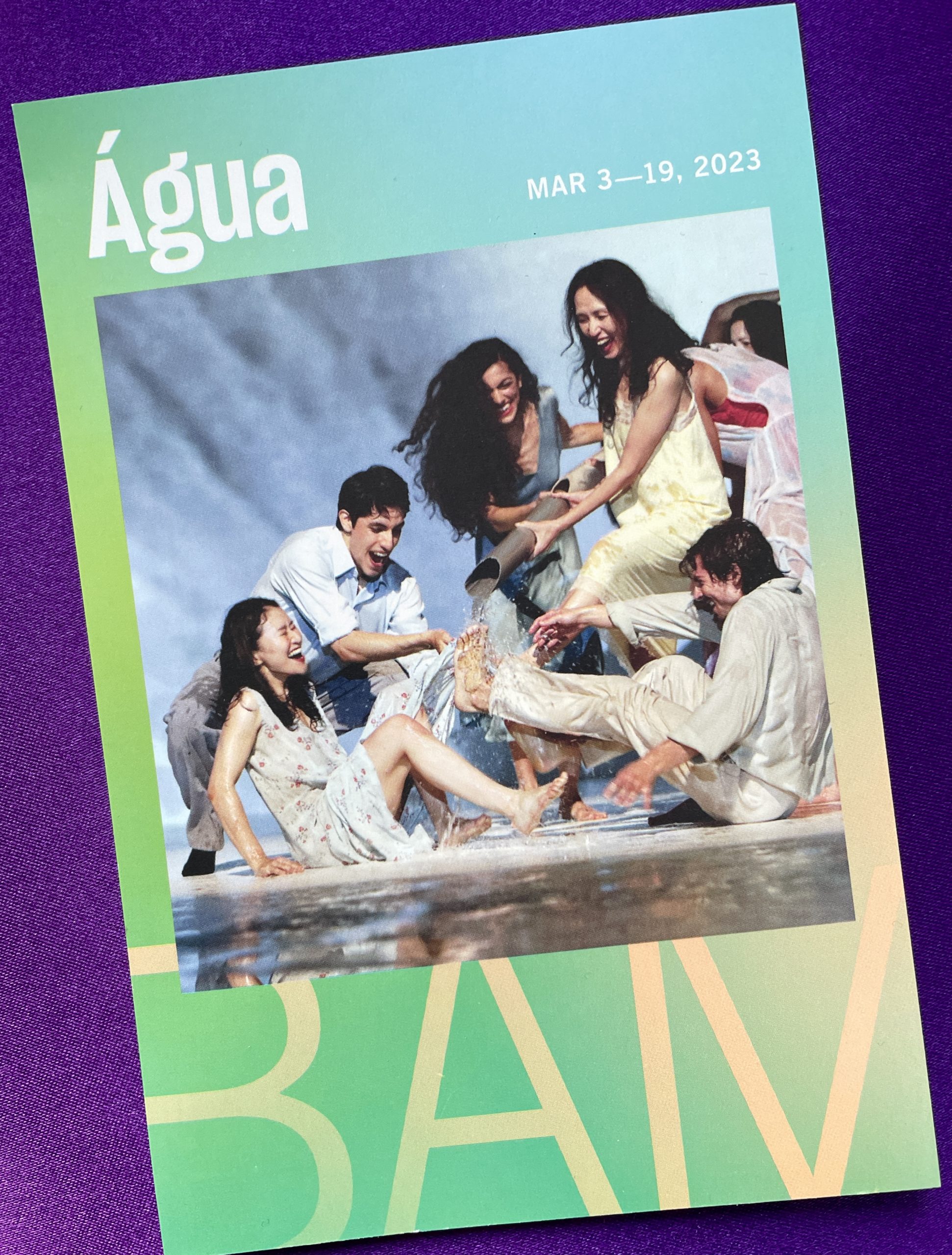
my review: agua by pina bausch
so finally, here is my review of pina bausch’s “agua,” which i just saw at BAM. apart from the beauty of her dance language, which i find mesmerizing, there are some issues with this work.
created during a residency in brazil in 2001, agua is supposed to be a refraction of the “landscapes, sounds, movements, and music she encountered into a color-saturated fantasy.”
yet the film projections that act as backdrop to and inspiration for bausch’s choreographed dances are too facile, too superficial. thundering waterfalls, swaying palm trees, jaguars and monkeys in the jungle, along with gigantic amazonian plants and exotic birds all come together to exoticize without the benefit of a more complex, political encounter.
even more problematic is footage of young men from the favelas lost in intense drumming and nude indigenous people swimming seamlessly in rivers, used as background or wallpaper. it reminded me of the colonial gaze that’s evident throughout “out of africa,” where faraway landscapes merge with the flora, fauna, and othered bodies of african people to create a vivid contrast against which white european stories can unfurl.
although bausch’s dancers are famously diverse (ethnically but also in terms of height, body type, and skill set), her work is still quintessentially european and so is her gaze in this piece.
the scenes she creates embody stereotypical touristy images of white people on vacation in a tropical country: people in swimsuits with funny beach towels lounging at a resort, hanging out, getting drunk, having a water fight (in a country where potable water is scarce), having sex outdoors, and dancing the night away.
as thomas hahn has written in his excellent critique, « Agua » : Pina, le Brésil et le réel:
Les images de nature paradisiaque, de tourisme de plaisance, d’ivresse en lounge, et autres fêtes d’une classe aisée dans Agua révèlent aujourd’hui à quel point cette pièce passe à côté de la réalité du pays. Agua est l’œuvre la plus superficielle de Pina Bausch. En 2001 on a pu apercevoir, avec beaucoup de bonne volonté, un semblant d’ironie ? Aujourd‘hui, cela ne tient plus.
pina bausch: a new dance language
pina bausch created a new dance language. u can see its syntax in the fractured phrases and speech elements she configured in her work, held together by a logical structure, with extensions, explorations, and repetitions. modern dance itself developed against the codified tenets of ballet and its male-dominated companies, but pina pushed the genre further, combining dance with theatre, art and music, and completely transforming the european dance landscape.
pina has been criticized for the acts of brutality and humiliation found in her work, and for creating a “theatre of dejection” that embraces the pornography of pain. i can see it both ways.
i understand that she’s reflecting the world we live in by creating rigid gender binaries – women in colorful slip dresses, long hair flowing wildly, and men in suits or slacks with bare torsos. since gender consists of repeated, performative acts (according to judith butler) and depends on “fabrications manufactured and sustained through corporeal signs and discursive means,” bausch is simply establishing the acts that mark someone as “man” or “woman.” many times, the men are aggressive, manipulative, menacing, or mere props to climb on or be carried by.
the women are softer, non-confrontational but strong and athletic. many scenes have the intensity of ritual sacrifice. sometimes the women and men indulge in a dance of mechanical symbiosis, like pulleys and belts that fit and turn together.
there is a “hysterical” woman who rages and screams and wants what’s impossible. many of these ideas (including sexual harassment, frustration and madness) were present in agua, even if they were presented as humorous rather than troubling. there is always a layer of discomfort underneath.
but i can also see how recycling misogyny/violence without presenting an alternative world, can seem to normalize, magnify, and even promote it. more about agua specifically in next post.

tanztheater wuppertal in brooklyn
i’ve been a fan of pina bausch since 2011, when wim wenders’ brilliant film came out, which included interviews with her dancers and performances of her best known, strongest works. what a treat then to be able to see ‘agua’ at brooklyn academy of music yesterday. i found a lone seat, center mezzanine, in the first row, and probably had one of the best views in the entire opera house.
bausch’s work is not always easy to experience, but this is supposed to be her lightest, most joyful, lush and visually spectacular work. more about that later, but i still cannot believe i got to see tanztheater wuppertal dancers live on stage, in brooklyn
a sunny day in nyc
yesterday lunch at up thai then walk with our kids. the upper east side is quite nice. and beautiful sunny day.

my review: a woman under the influence
‘a woman under the influence’ is absolute genius. the writing and direction by john cassavetes is seamless, compacted, organic. gena rowlands, who is at the center of the film, is fearless and original – an erratic woman on the verge of a mental breakdown. she finds an equal partner in peter falk who delivers a surprising performance as her violent, temperamental husband. he misreads her unfailingly, and all he can do when he gets frustrated is to yell or strike. she on the other hand, resorts to over the top, neurotic behavior. it’s as if they lack the social vocabulary to express themselves and communicate with each other.
it’s also that mental health was seen quite differently in the 60s and 70s. same time frame as ‘one flew over the cuckoo’s nest’ when electroshock therapy was common.
the kids are incredible. their scenes with rowlands beautiful, filled with immense tenderness and intimacy.
i was shocked to find out later that the film is 2 hr 26 min long. one is so caught up in the chaos onscreen, that time flies. as it often does in real life.
palestinian film festival amsterdam
the palestinian film festival amsterdam is coming soon in may this year! pls follow them on FB and learn about these brilliant films and more. lucky to have edited this trailer for the festival.
oscars party
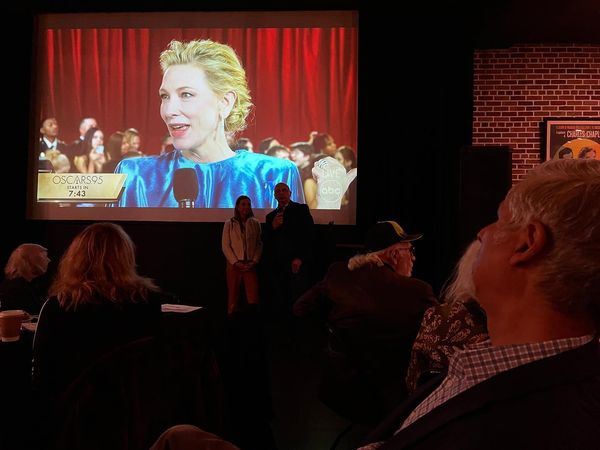
we did a thing last night and attended the oscars party at cinema arts centre. so much fun and what a night to watch the academy awards! congrats michelle yeoh and ke huy quan. about time folx! stephanie hsu should have won too. thank u rene bouchard for all u do and for inviting us.
intl women’s day 2023
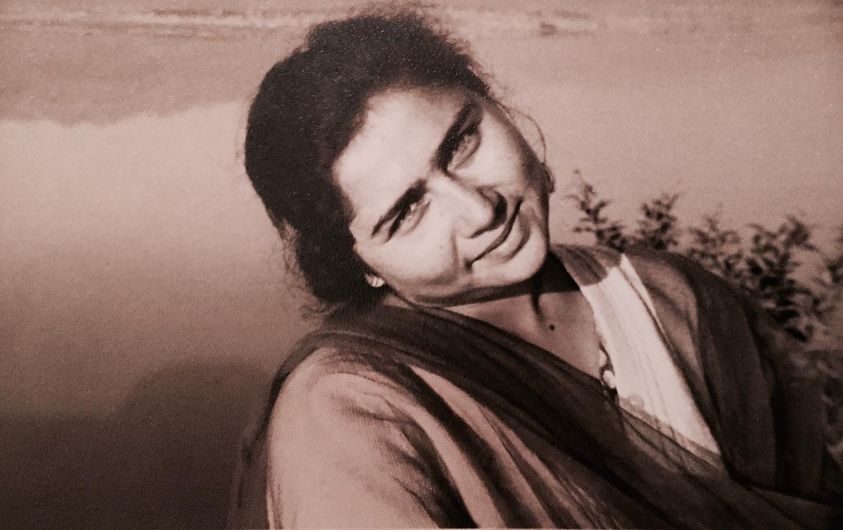
on international women’s day, a thank u to the woman at the center of my life. my mother. a lifeline for all four of us growing up in brussels, islamabad, quetta, karachi, lahore, and then many cities in the US. three of us women, all of us expected to excel, to go to competitive schools, have careers, be able to support ourselves, to fight for our rights and the rights of others. the struggle continues. thank u ammi <3
back in new york
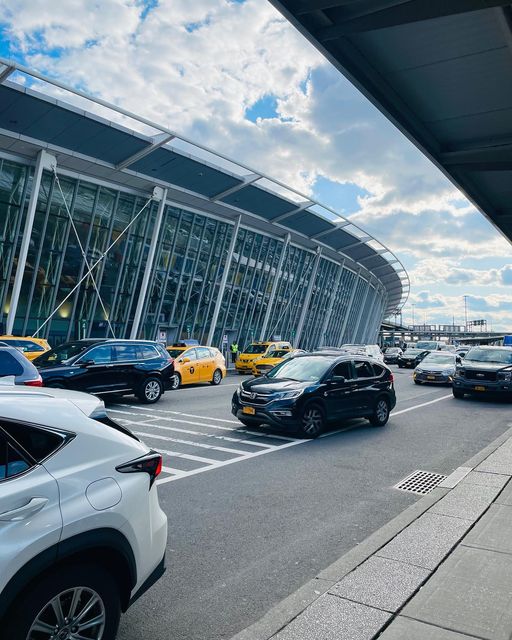
it’s difficult to leave pakistan. to leave family and friends and their extraordinary warmth and generosity. people have hard lives in pakistan. it’s not an easy place to navigate or survive. yet it’s saturated with vibrant colors, sounds, textures, tastes, smells, stories, music, poetry, languages, complicated histories, legacies, and constant human contact. the air is filled with this polyphonic mishmash and emotion. it’s something one lives and breathes. returning to the west feels like being stripped of rich human drama, a thick sensorial ether, the full-throated experience of life’s ebb and flow. everything uncluttered, systemized and scrubbed, but lacking soul and connection. antiseptic. oh, i know pakistan can drive one crazy. i know i will get used to the ease and conveniences of the west again. but right now, i feel loss.
people, places and more food
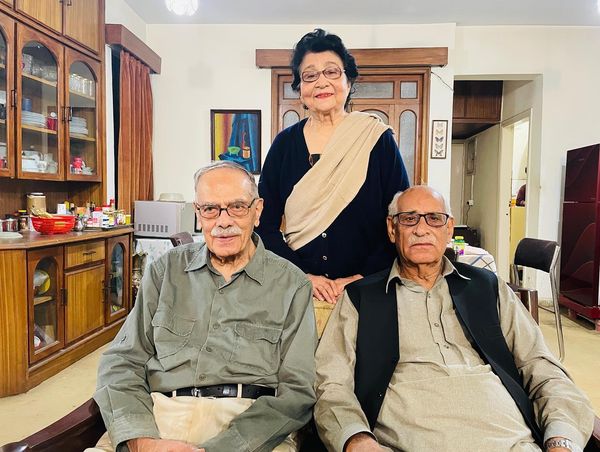
at the daachi foundation’s arts & crafts show this morning where my daughter and i wanted to buy everything, tea with uncle zafar, and dinner at good old salt & pepper, still one of my favorite burger joints in lahore.
daachi arts & crafts show
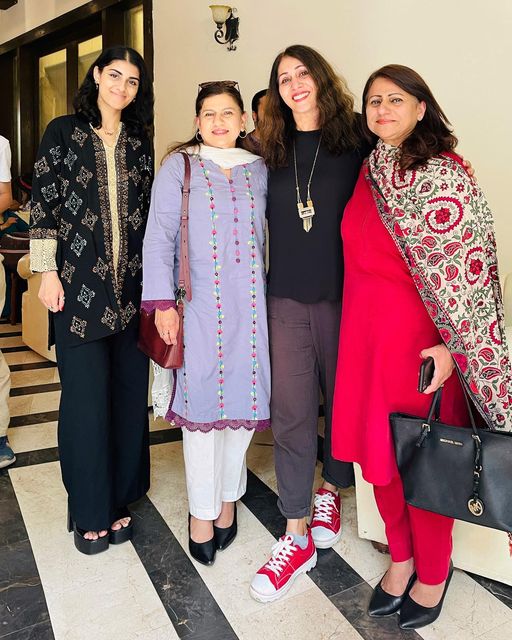
look who we found at the daachi arts & crafts show in lahore today – my dearest friend abeela from rochester and her sister!!! what are the chances? amazing
art and cafe beirut
yesterday pakistani art at artsoch contemporary and ejaz gallery and then a delicious lunch at cafe beirut in gulberg. we had mutabal (an eggplant dip with a smoky flavor, sprinkled with pomegranate seeds), arayes (grilled pita stuffed with spiced ground beef, onions and parsley, a street food), and om ali, which i fell in love with in oman (it means mother of ali, a traditional egyptian bread pudding, layered with puff pastry, milk, and cream, flavored with rose water and sprinkled with lots of nuts). in the evening i took my parents and daughter to see a play at alhamra. more about that later.
