Vancouver!

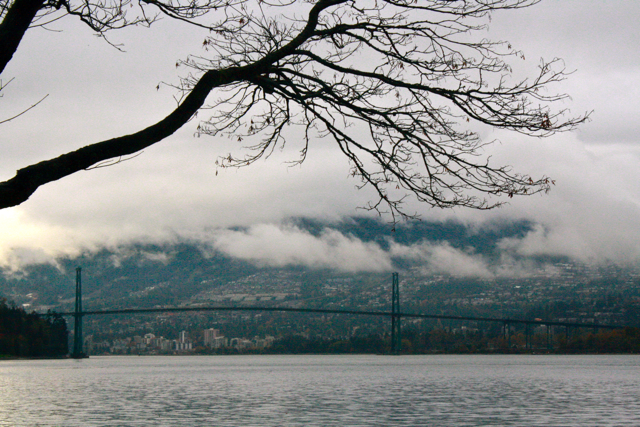
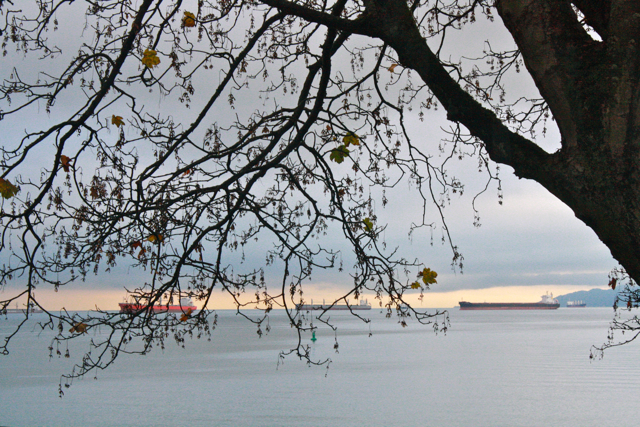
Oct 28: Yesterday we had a lovely screening at Langara College in Vancouver. It was organized by Indira Prahst, department of Sociology and Anthropology at Langara College, and Imtiaz Popat. Today, I started the day off by meeting the lovely Ajay Bhardwaj and discussing our work and films. I felt like I had known him forever. In the afternoon, I got on the Hop on Hop off bus and went around the city. Vancouver is caught between the North Shore Mountains and the Salish Sea. The views from Canada Place and Stanley Park are to die for. The weather was overcast all day. It was magical to see mist rising up from the sea, the smooth glassy water, and the variegated canvas of the sky where light kept painting an ever shifting seascape. I don’t like doing touristy things but I decided to try the FlyOver Canada flight simulation simply because I’ve flown so many times in my dreams. It was surprising. Not only can one feel the rush of fresh air as one flies over mountains and prairies but one can also smell pines and get soaked by the spray from Niagara Falls. I couldn’t help but think of the First Nations people of Canada whose lives and destinies have always been so intricately intertwined with this majestic land. As we drove thru Stanley Park marveling at 700 year old trees and gorgeous views of the Lions Gate bridge, the sun had just begun to set. It created glittering skyscrapers and a warm glow on the surface of the water, which seemed to hold ships and barges alike in its luminous fold. I took a million pictures. It was another day well spent.

indira prahst and mara ahmed
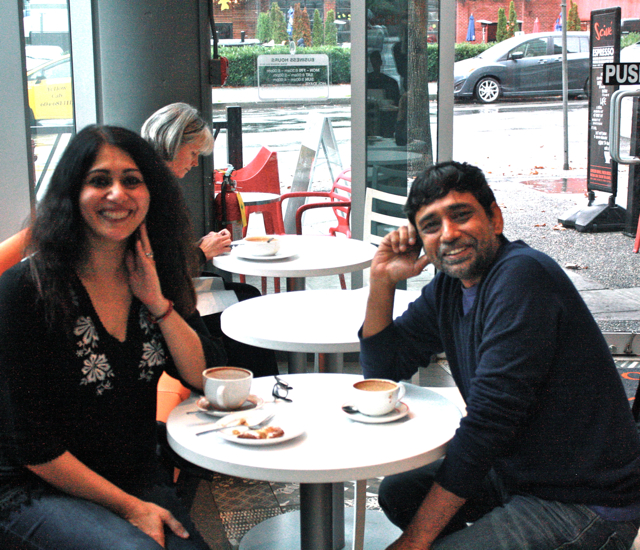
mara ahmed and ajay bhardwaj
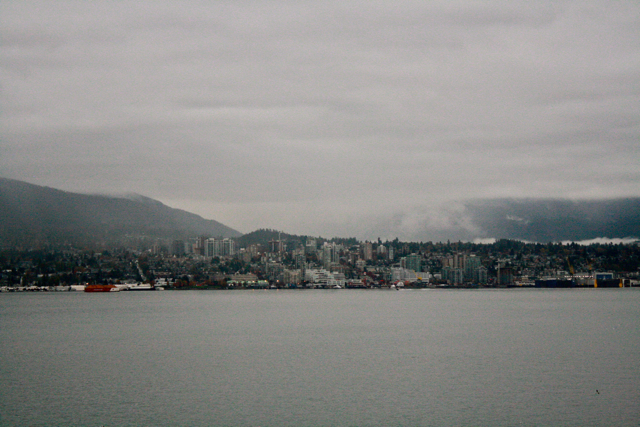
view of vancouver on a rainy day
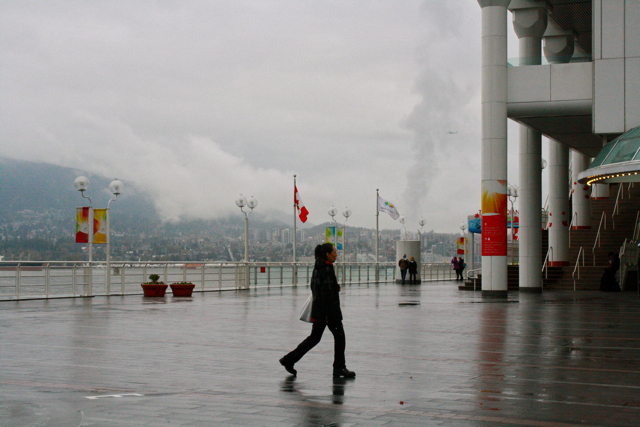
canada place
canada place
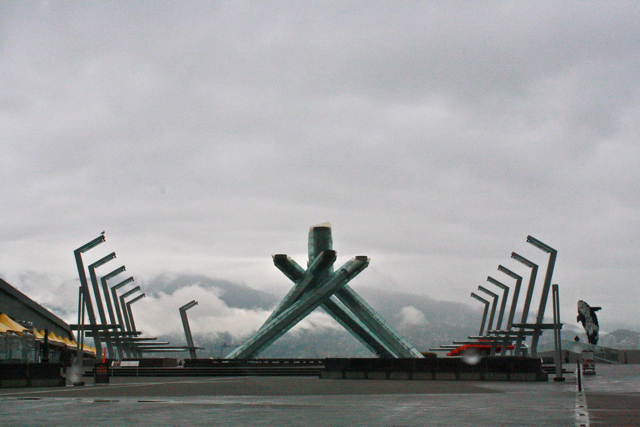
the olympic cauldron
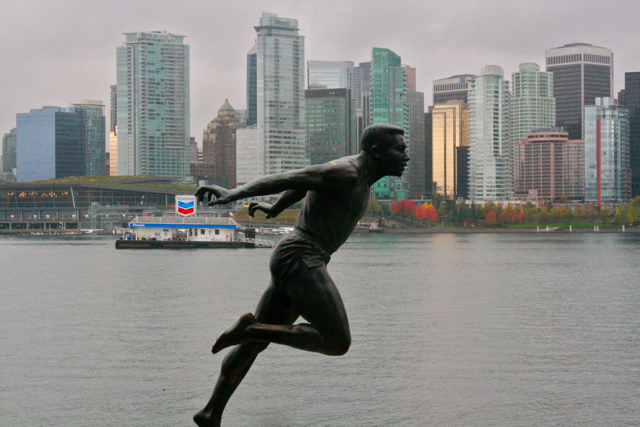
harry winston jerome's sculpture along stanley park's seawall
harry winston jerome’s sculpture along stanley park’s seawall
lions gate bridge
lions gate bridge
sun setting on vancouver

Exploring Seattle

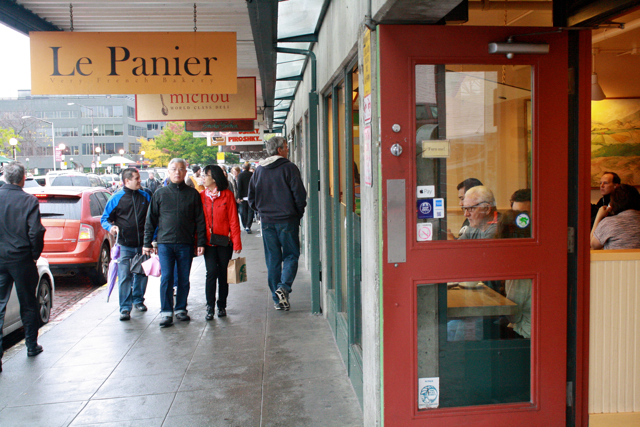
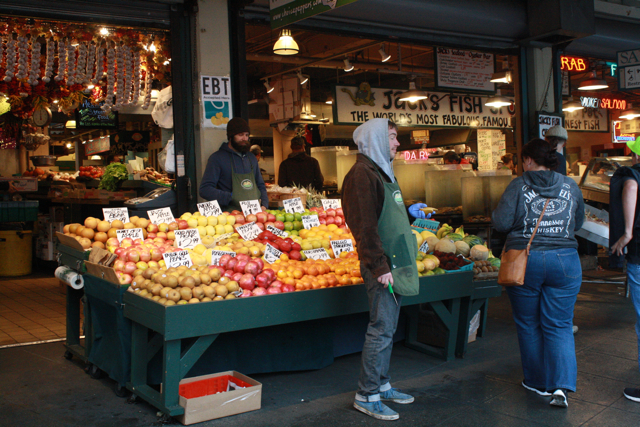
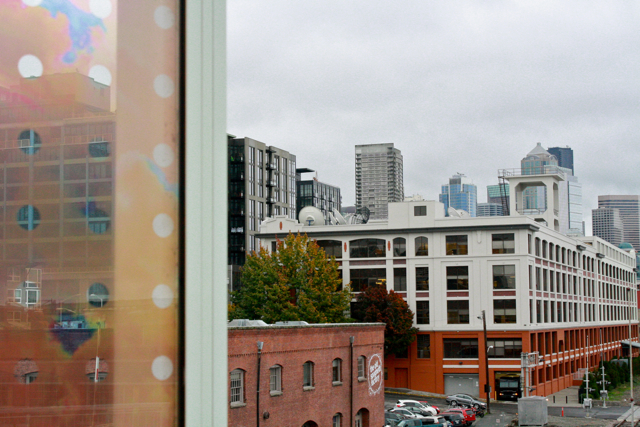
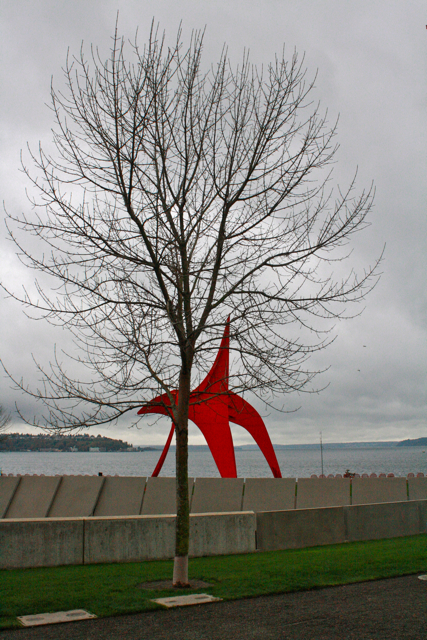
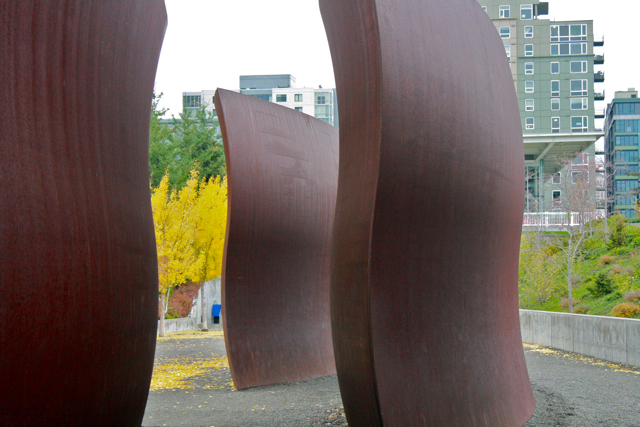
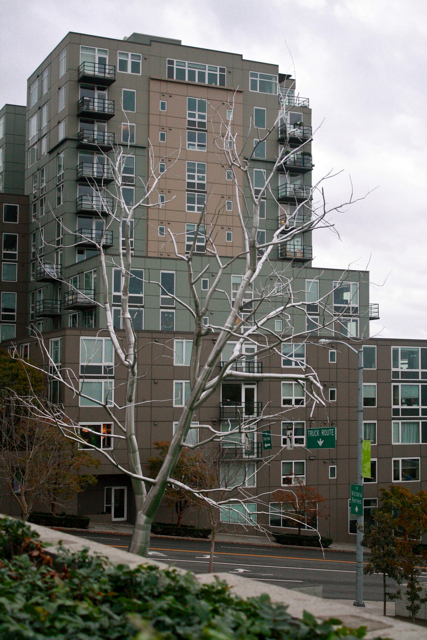
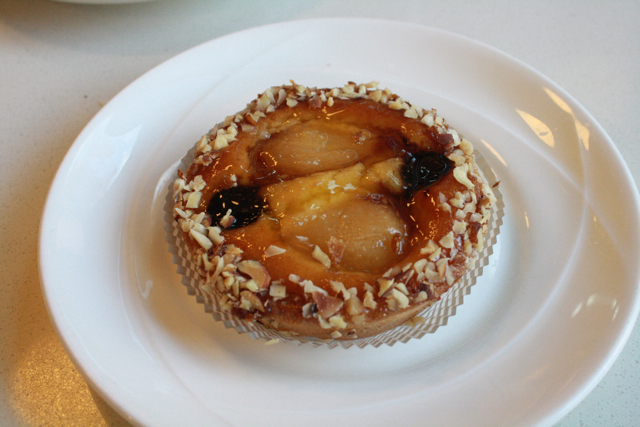
Oct 26: Spent lots of time at Pike Place Market this morning. Fresh fruits and vegetables, florists, chocolate shops, soaps and incense, pashminas, Bavarian meats, a Middle Eastern souk, tiny little restaurants, and of course, lots of coffee places, including the first Starbucks (dating back to 1971). I had a chocolate croissant (with the largest bits of sumptuous chocolate ever) and a tarte aux marions at Le Panier. After roaming around a lot more, I had some oeufs en meurette at Cafe Campagne – delish. Visited the Lisa Harris gallery and left with an original etching by intaglio printmaker Thomas Wood. Took the monorail to the Space Needle and walked along Broad street all the way to the waterfront. Loved the Olympic Sculpture Park, which is right by the water. There weren’t that many people there. A man was reading a book whilst enjoying a view of the waterfront. There were a few more people walking their dogs or running. The air was crisp and it was beginning to get dark. I could see lights coming on inside buildings opposite the waterfront. There are ships and warehouses and traffic lights and then the park, which is lovely. It replicates several ecosystems found in the Northwest. Not only that, it is filled with sculptures that mesh with the park’s natural beauty, sometimes in spectacular ways, other times much more subtly. We are talking about Louise Bourgeois, Alexander Calder and Richard Serra! This mix of sculpture, fall foliage, piers and ferries, ship terminals and skyscrapers, vast open public spaces in the midst of an urban landscape, create a wonderful sense of adventure. I was thrilled. I owe thanks to Smeeta for sharing her personal list of must-dos in Seattle, and to Nabeeha for teaching me how to navigate public transportation, for creating awesome dinners and for hosting me with such warmth and generosity. I am sold on Seattle 🙂

pike place market
pike place market
fruit at pike place market
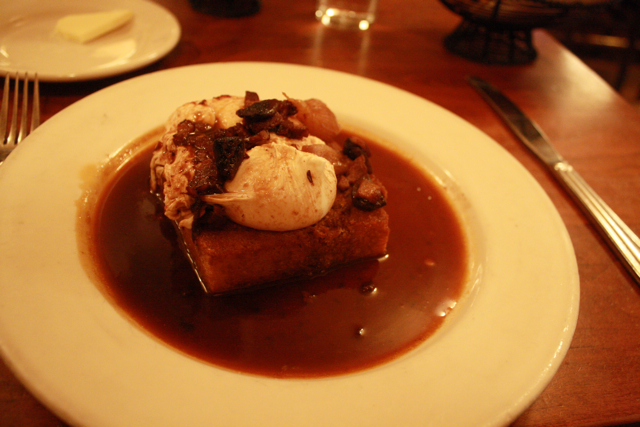
oeufs en meurette at cafe campagne
on the monorail
on the monorail
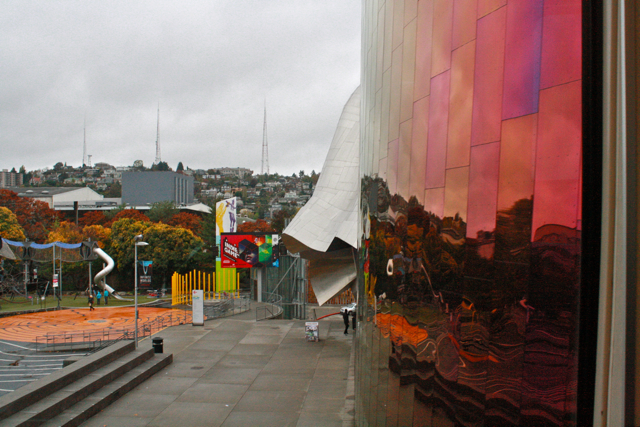
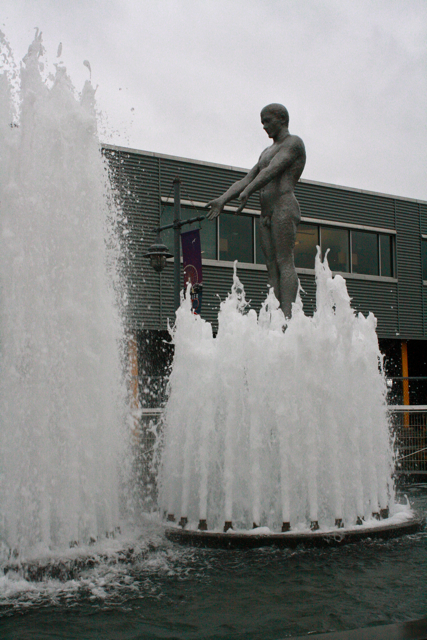
seattle center
seattle center
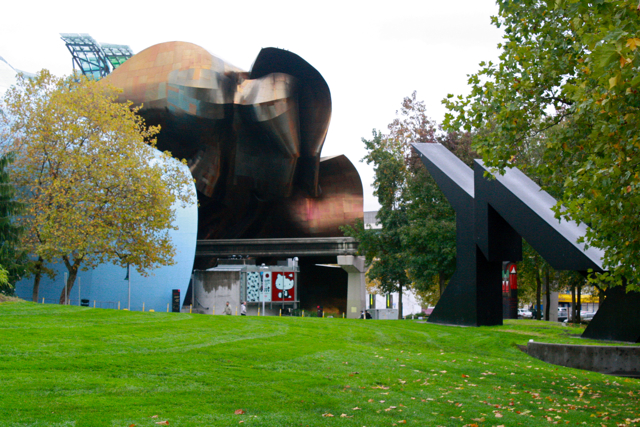
EMP museum
EMP museum
olympic sculpture park

First day in Seattle

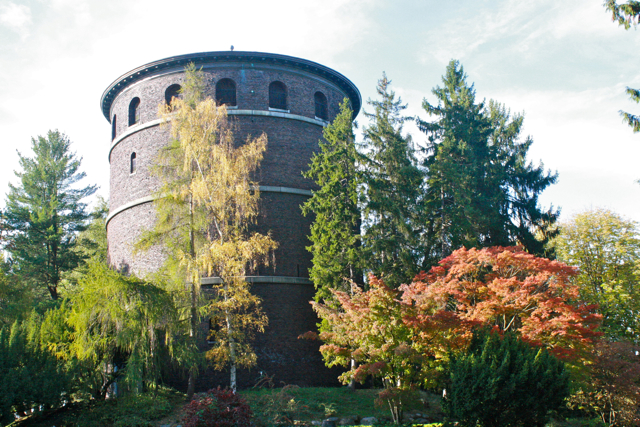
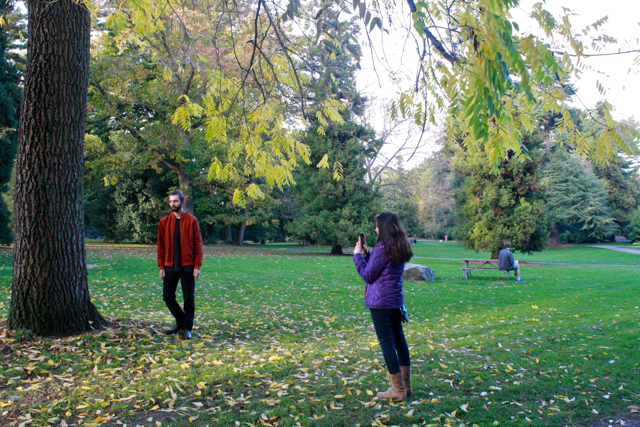
Oct 25: Went to Volunteer Park along with my wonderful hosts. It’s a beautiful park with a water tower, a conservatory, the Seattle Asian Art Museum and the “Doughnut.” It’s located in the Capitol Hill neighborhood. Lots of coffee houses, beards, flannel shirts, hoodies, and bikes. Very counterculture. No wonder this was the epicenter of the grunge scene. An ad for yogurt at the Westlake station, en route to the Transit Tunnel: “If your dad was this smooth, you’d have more siblings.”

water tower, volunteer park
volunteer park, seattle
bakery nouveau, capitol hill

The status of the “Grand Mufti” in Palestine

Some background on how the British created/structured the post of Grand Mufti in Palestine and why. For more read Rashid Khalidi’s The Iron Cage: The Story of the Palestinian Struggle for Statehood.

Saminaz Zaman: Britain pursued the same “divide and rule” communitarian policies in Palestine that it did in other areas under its colonial rule, such as India or Egypt. Britain co-opted Jerusalem’s leading Palestinian families and created new structures of power to prevent the Palestinians from forming their own national institutions. The single most illuminating section of The Iron Cage details the British invention of new Islamic institutions in Palestine. As with Anglo Muhammadan Law drafted and enacted in India, these new institutions nominally upheld tradition but actually “had no precedent in that country’s history, or indeed in the entirety of Islamic history.” For example, the British created a Shari’a court system and network of religious charities that did not exist in Ottoman times. Khalidi argues that the creation of these structures showed how the British could only view colonized cultures as motivated by religion over nation. Most significantly, the British created the new position of “Grand Mufti of Palestine,” endowing the role with a power and prestige that contradicted Islamic law and custom. Traditionally, this role offered prestige but no power over other muftis. In Islamic jurisprudence, a qadi judges cases while a mufti just advises. Khalidi devotes a substantial portion of his book to the young Hajj Amin al-Husayni, Britain’s unlikely choice of mufti, and scion of one of Jerusalem’s most prominent and wealthy families. The selection of al-Husayni as mufti involved an implicit agreement whereby Palestinian elites would not criticize the Mandate and the incipient Jewish state that prevented the possibility of any form of topdown opposition. Al-Husayni did not have the religious education or background usually required for such a position and he did not have the charisma or public persona to lead the masses. The British also chose al-Husayni because his older relative, Musa Kazim al-Husayni, the former mayor of Jerusalem, represented the major opposition to the British. By appointing his relative, the British undermined Musa’s legitimacy and waged a micro version of divide and rule within the same family. Khalidi clearly presents the Grand Mufti as a cautionary tale to the current Palestinian leadership.

Angela Davis : « De Ferguson à Paris, marchons pour la dignité ! »

Angela Davis: Enfin, cet appel est lancĂ© en France par ce que, dans le monde anglophone, nous avons l’habitude d’appeler des « femmes de couleur » (women of color). Cette dimension rĂ©sonne particulièrement avec les combats que j’ai eu Ă  mener. Hier comme aujourd’hui, les femmes non blanches ont eu une place spĂ©cifique dans le système raciste. Du rĂ´le de soutien de famille des Africaines-amĂ©ricaines jusqu’aux femmes, sĹ“urs et filles d’hommes victimes du système policier et carcĂ©ral, nous, femmes de couleur, avons toujours jouĂ© un rĂ´le d’avant-garde dans la lutte antiraciste. Je suis heureuse de voir de nouvelles gĂ©nĂ©rations de femmes reprendre ce flambeau, et rĂ©affirmer la dignitĂ© de millions de voix Ă©crasĂ©es, humiliĂ©es, de familles brisĂ©es, et d’hĂ©ritages rompus.

Plus d’informations ici.

Les actes anti-musulmans cachent-ils une misogynie?

Deux faces d’une seule et mĂŞme rĂ©alitĂ©, donc. Et qui se font echo, femmes et immigrĂ©s Ă©tant deux populations souvent regardĂ©es comme simplement infĂ©rieures, moins capables de volontĂ©, moins «éduquĂ©es» que les blancs non-immigrĂ©s, et qui Ă©copent toutes deux de remarques infantilisantes. «Je ne compte plus le nombre de fois oĂą les gens me disent “tu t’es mariĂ©e avec un arabe” pour expliquer pourquoi je porte un voile, comme si je n’avais pas la capacitĂ© Ă  prendre la dĂ©cision moi-mĂŞme», affirme Elsa Ray.

Ce regard sur les femmes des quartiers qui seraient nécessairement sans capacité d’analyse et de décision propres, des «femmes-enfants», a été analysée par Christine Delphy, dans «Antisexisme ou antiracisme? Un faux dilemme». Il a été révélé et renforcé par les discours sur le foulard qui ont fait irruption en 2004, où les adversaires de la loi sur les signes religieux ont été nombreux à prétendre que les femmes devaient tout simplement fuir leurs quartiers:

«Le seul point commun Ă  ces “raisons” diverses, souvent contradictoires entre elles et avec leurs objectifs affichĂ©s, rĂ©side dans le regard portĂ© sur les Françaises d’origine immigrĂ©e, un regard qui les construit comme des ĂŞtres incapables de discerner le vrai du faux, le bon du mauvais: une population d’enfants qui ne peuvent que “se tromper”. Des enfants Ă  la place desquels on doit dĂ©cider, pour leur bien; plus: imposer cette dĂ©cision par la contrainte s’il le faut. Que des politiciens aient cette attitude n’étonne pas. Mais comment des fĂ©ministes qui dĂ©noncent le paternalisme des hommes peuvent-elles ne pas voir que la mĂŞme logique est Ă  l’œuvre dans la prĂ©tention Ă  “sauver” des femmes malgrĂ© elles et contre leur grĂ©?».

Plus d’informations ici.

Najla Said in Rochester

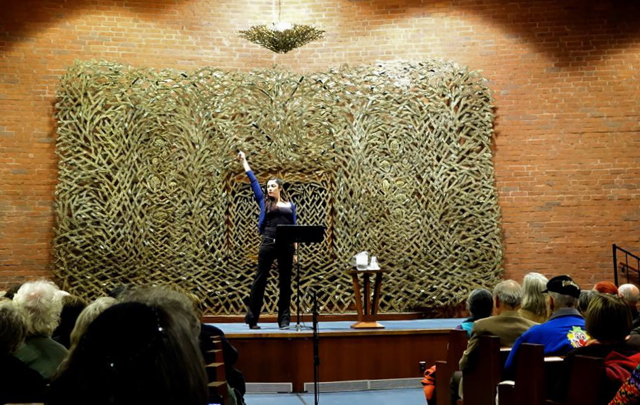
Oct 19, 2015: Saw Najla Said perform her one-woman show “Palestine” yesterday at Temple B’rith Kodesh in Rochester, NY. I was familiar with her play based on interviews and clips I had seen online. I was particularly taken by a short sequence I had found on YouTube in which she talks about Arab culture and how the language itself embodies this marvelous warmth and hospitality, this yearning to connect with immediacy. It’s a lovely piece that debunks stereotypes with immense passion and poetry. She sets it up with the caveat of not wanting to be an Orientalist. Obviously 🙂

We showed that clip at Celebrate Palestine last year, an event that launched the Witness Palestine Film Series 2014, where we celebrated Palestinian food, music and literature as a form of resistance to erasure. Najla’s dynamic description of the beautiful intricacies of Arab culture was a perfect fit for that evening.

As I settled down in the front row yesterday, I didn’t know what to expect from the entire play. I was instantly moved by how she greeted us and introduced herself in Arabic, rather than English, before she proceeded with the show. She was animated, poignant, funny, courageous, transparent. Her story is personal but because of the family she grew up in and the rich mix of geographic, cultural, linguistic, ethnic and political contradictions she had to navigate from a very young age, there is much that resonates with many. The show progresses with immense energy, energy that is translated into impressive physicality. There are ups and downs and some wonderfully reflective moments as well. The end is breathtaking. It has a quiet elegance, an emotive power that’s almost surprising. We learned later, during Q&A, that it was the first thing she ever wrote, when she began to write the show. And Edward Said endorsed it enthusiastically 🙂

najla said performing "palestine"
najla said performing “palestine”
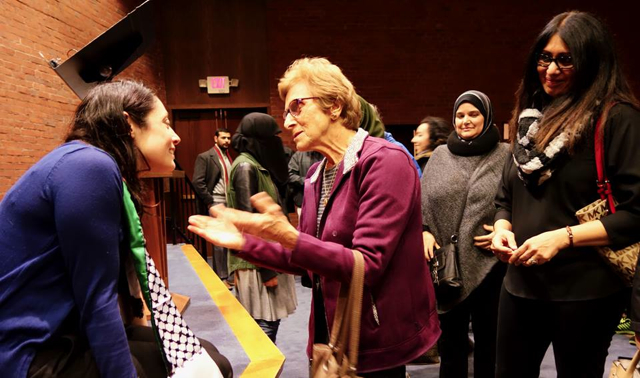
Q&A with najla said after the show

Upcoming Events | Voices of Partition | 3rd i

A Thin Wall will be screened in Palo Alto on Nov 1st: The 1947 Partition stands as the largest human displacement in history: over 2 million people lost their lives, while 14 million were displaced. The 1947 Partition Archive preserves eyewitness accounts from all communities affected by Partition. To date, over 2000 unique life stories have been recorded in 10 countries. Presented in collaboration with The Archive, the Voices of Partition program features Mara Ahmed’s A Thin Wall (2015, Pakistan/India, 65 mins). More here.